Union Budget 2026: 5 big changes expected for Railways

The Railway Budget 2026 is expected to focus heavily on safety with a hike in funds for the Kavach system. Passengers are hopeful for the return of senior citizen concessions and the rollout of Vande Bharat Sleeper trains.
Safety Fund
After recent accidents, safety is the top priority. The government is expected to increase the safety budget by nearly 25 per cent, with a potential outlay crossing Rs 1.3 lakh crore. The focus will be on faster track renewals and eliminating technical faults to achieve a 'zero-accident' network.
Kavach 4.0 Expansion
The indigenous anti-collision system, Kavach, is likely to see a massive allocation. The ministry aims to finalize tenders for covering 18,000 km of track with Kavach 4.0. This technology automatically applies brakes if the pilot fails to do so, preventing head-on collisions.
Senior Citizen Concessions
Suspended during the pandemic, the fare concession for senior citizens (40 per cent for men, 50 per cent for women) is heavily anticipated to return. Reports suggest the Finance Ministry may restore it for non-AC classes or specifically for passengers above 70 years to balance social welfare with revenue.
The Vande Bharat Sleeper Push
Budget 2026 is expected to announce the full-scale production of 24-coach Vande Bharat Sleeper trains. Designed to replace Rajdhani Express on long routes, these trains will feature pantry cars and advanced safety features, with a prototype targeted for late 2026.
Focus on the 'Common Man'
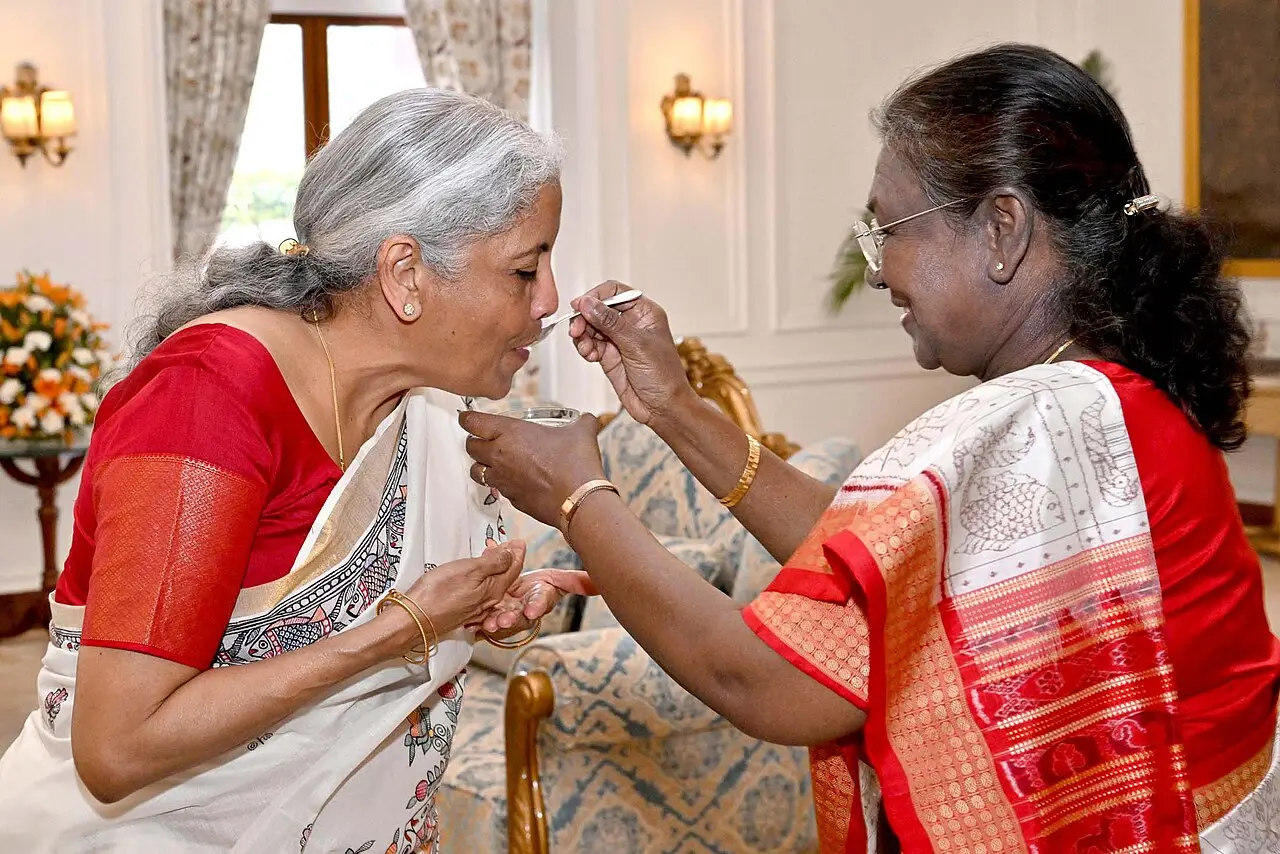
To tackle overcrowding, the Railways has shifted its production ratio to 70:30 in favour of non-AC coaches. The budget is likely to formalise the plan to manufacture 17,000 new general and sleeper coaches, ensuring affordable travel remains accessible to the masses.
Amrit Bharat and Namo Bharat
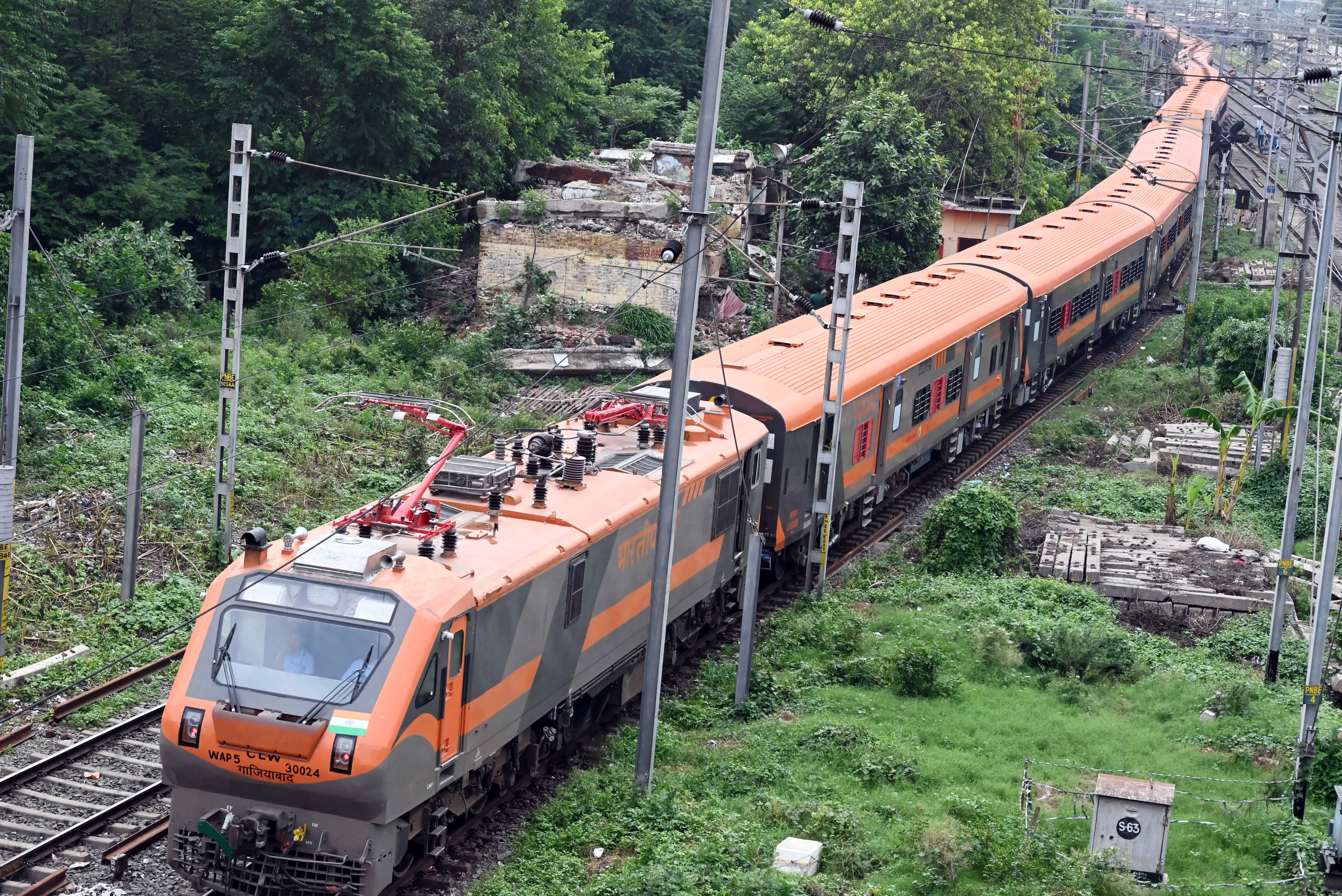
Beyond Vande Bharat, the budget will likely fund 50 new Amrit Bharat trains (non-AC push-pull trains) for migrant workers and the common public. Additionally, allocations for Namo Bharat rapid rail sets for inter-city connectivity are expected to rise significantly.
Viksit Bharat
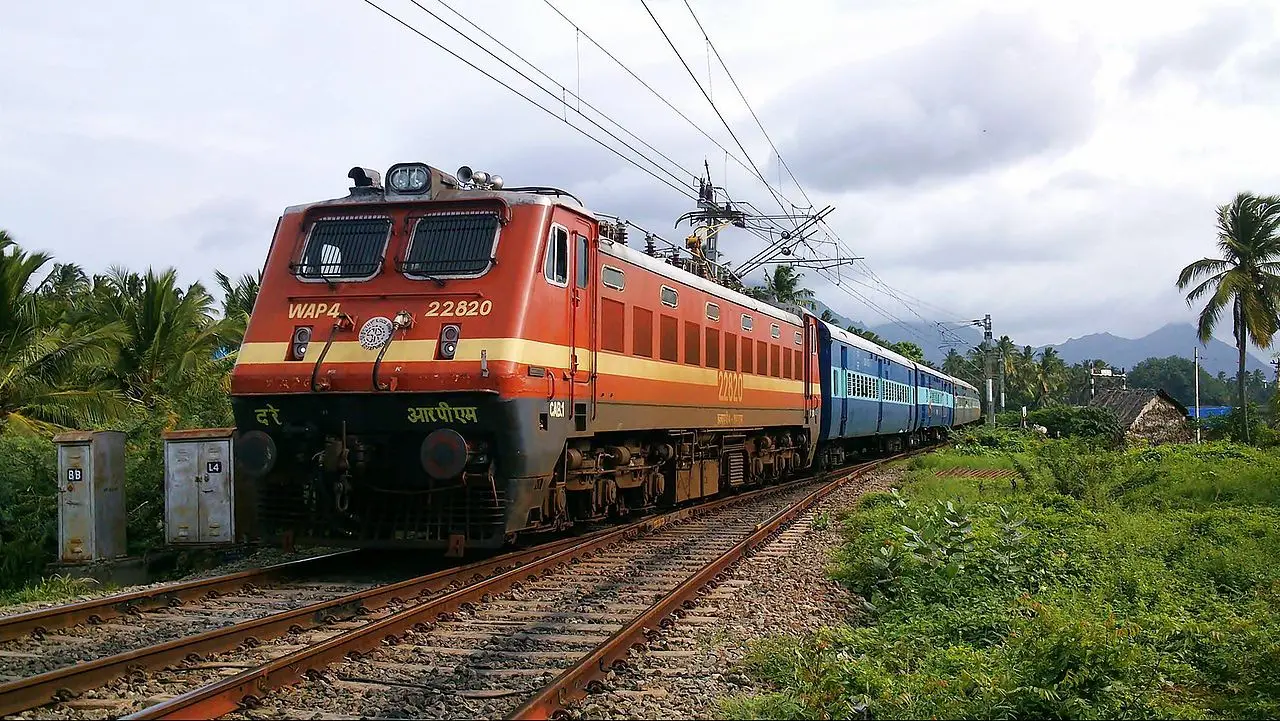
The ultimate goal of the "Viksit Bharat" rail vision is to eliminate waiting lists by 2030. This budget is expected to allocate funds for capacity augmentation doubling of tracks and new lines to run more trains, aiming for a system where tickets are available on demand.
)
)
)
)
)