BrahMos vs Agni-V: How India’s tactical missile differs from its nuclear giant

India's BrahMos supersonic cruise missile serves as a tool for tactical precision, while the Agni-V provides strategic deterrence. The Agni-V, a long-range ICBM, was successfully test-fired on May 8, 2026. Let's understand how Agni-V is different from BrahMos.

1. Classification and Flight Trajectory
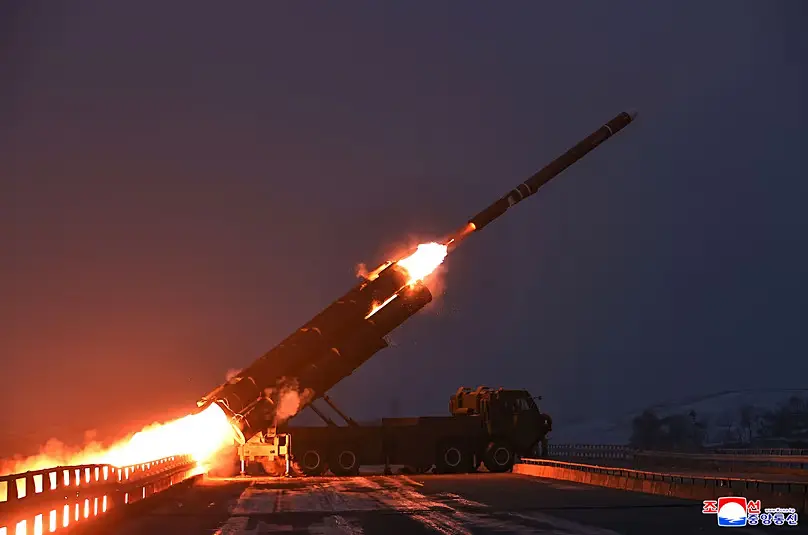
The BrahMos is a supersonic cruise missile, meaning it flies at a constant speed and low altitude within the Earth's atmosphere, often performing "sea-skimming" manoeuvres to avoid radar detection. In contrast, the Agni-V is a three-stage ballistic missile. It follows an arched "ballistic" trajectory, exiting the atmosphere into space before re-entering at incredible speeds to strike its target. While BrahMos is used for surgical tactical strikes, Agni-V serves as India's primary nuclear deterrent.
2. Operational Range
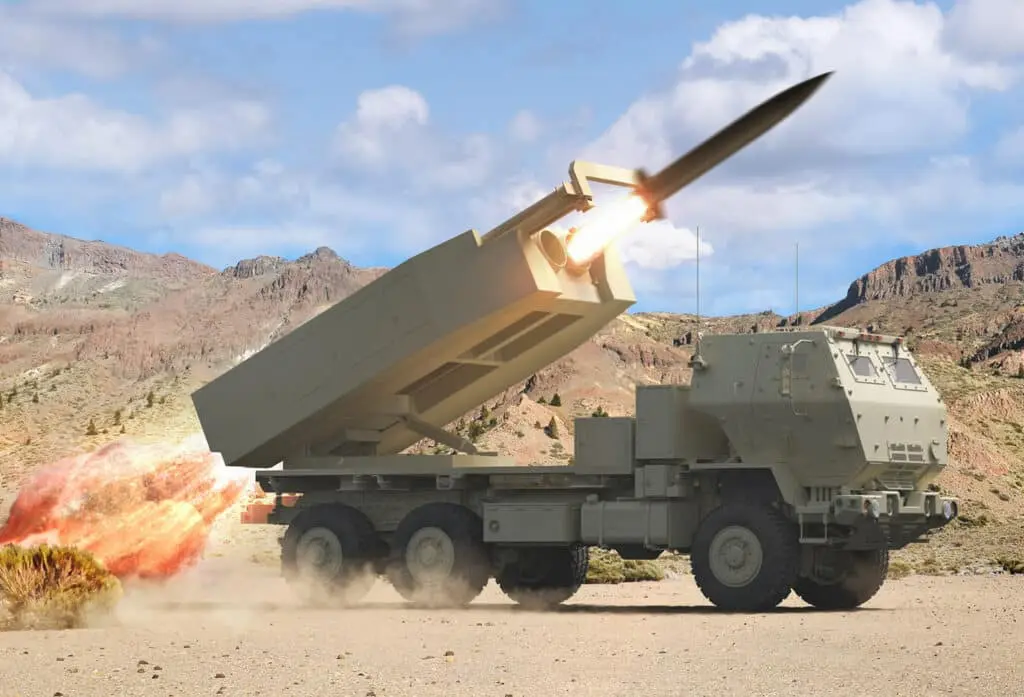
There is a massive disparity in their reach. The BrahMos, even in its latest Extended Range (ER) variants, typically covers between 450 km and 800 km. It is designed for regional battles and maritime defence. The Agni-V, however, has an official range exceeding 5,500 km, with advanced variants reportedly capable of reaching over 7,000 km. This range places all of Asia and parts of Europe within its strike radius, establishing it as a true ICBM.
3. Speed and Interception
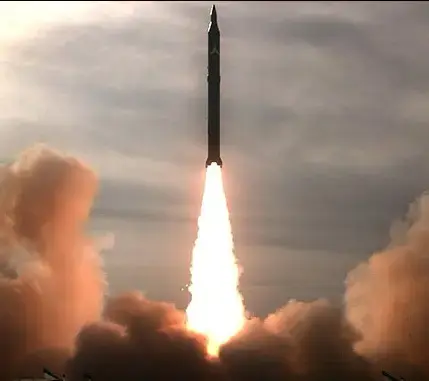
Speed is where these two define their roles. The BrahMos travels at a steady Mach 2.8 to 3.0 (about 3,700 km/h), making it the world's fastest cruise missile. However, the Agni-V is significantly faster during its terminal phase. Upon re-entering the atmosphere, it can reach speeds up to Mach 24 (nearly 30,000 km/h). Such hypersonic speeds, combined with the new MIRV technology tested in May 2026, make the Agni-V almost impossible for current missile defence systems to intercept.
4. Warhead and Payload Capability
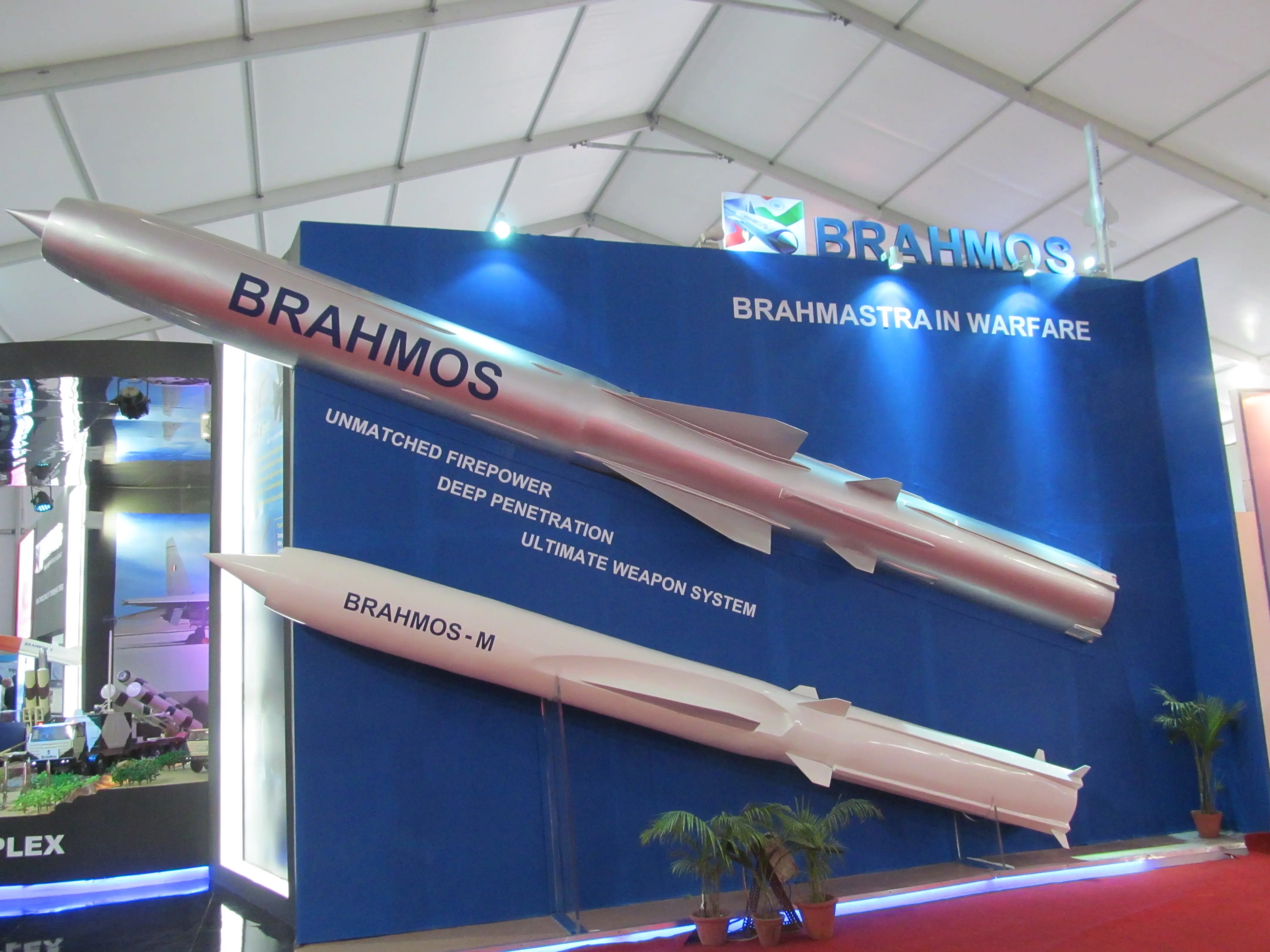
BrahMos is primarily a conventional weapon, carrying a warhead of 200 kg to 300 kg, designed to destroy ships or fortified land targets with pinpoint accuracy. The Agni-V is a strategic nuclear platform. Its payload capacity is much higher, around 1,500 kg. Most notably, the May 8 test confirmed its MIRV (Multiple Independently Targetable Re-entry Vehicle) capability, allowing a single missile to carry multiple nuclear warheads that can strike different targets simultaneously.
5. Launch Platforms and Versatility
The BrahMos is famous for its "universal" nature; it can be launched from land-based mobile launchers, warships, submarines, and Su-30MKI fighter jets. This makes it a multi-service asset for the Army, Navy, and Air Force. The Agni-V is far less "versatile" in its launch environment. It is a canisterized, road-mobile system operated exclusively by the Strategic Forces Command (SFC). While it can be moved via rail or road, it is strictly a land-based strategic asset.
)
)
)
)
)