Tomahawk, Kalibr, BrahMos and more: Top 7 most powerful cruise missiles ranked by range, speed and payload

With many nations investing heavily in stand-off strike capabilities, a small group of cruise missiles stands out for their range, accuracy and destructive payload.
Introduction
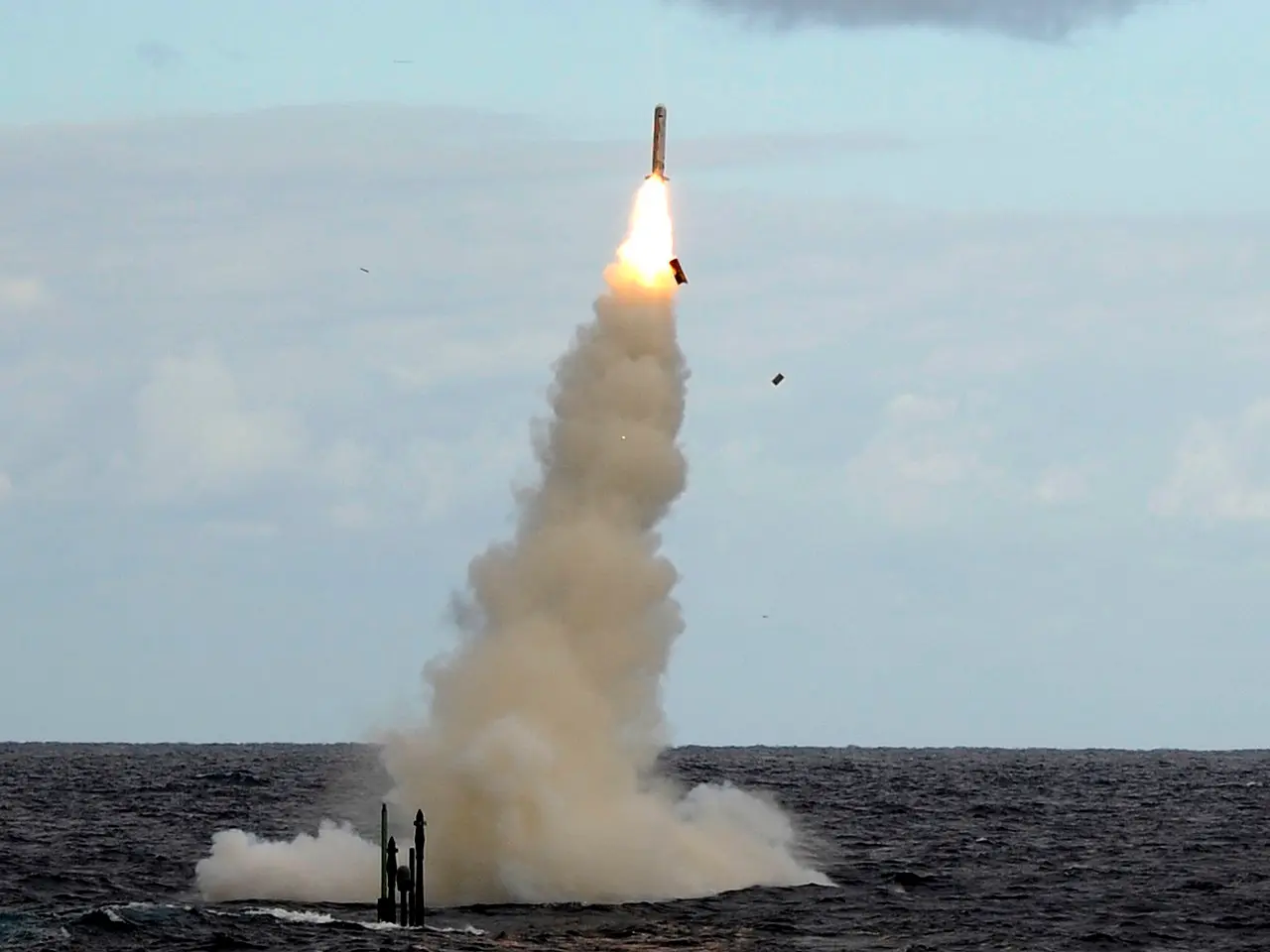
Cruise missiles remain one of the most decisive weapons in modern warfare, combining long-range precision, high speed and low-altitude penetration to evade radar. Unlike ballistic missiles, they fly within the atmosphere for most of their trajectory, making them difficult to detect and intercept. With many nations investing heavily in stand-off strike capabilities, a small group of cruise missiles stands out for their range, accuracy and destructive payload.
1. Tomahawk (United States)
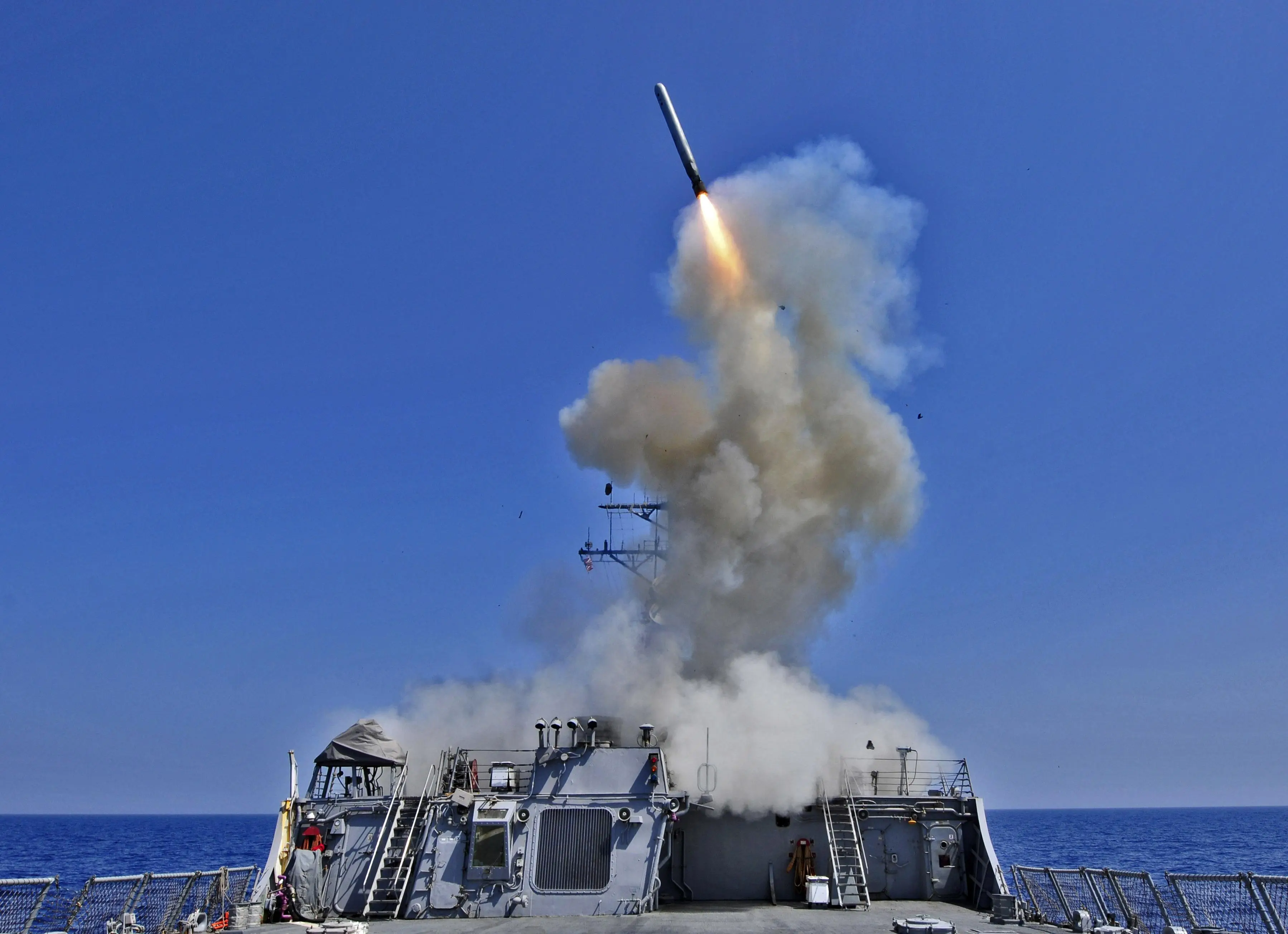
The Tomahawk has been the backbone of American long-range precision strike since the 1980s. Launched from ships and submarines, it can hit land or sea targets at up to 2,500 km, flying at subsonic speeds of around Mach 0.75. Its terrain-following capability allows it to stay under radar coverage. The Block V variant has enhanced navigation, anti-ship capability and a 450 kg warhead.
2. Kalibr (Russia)
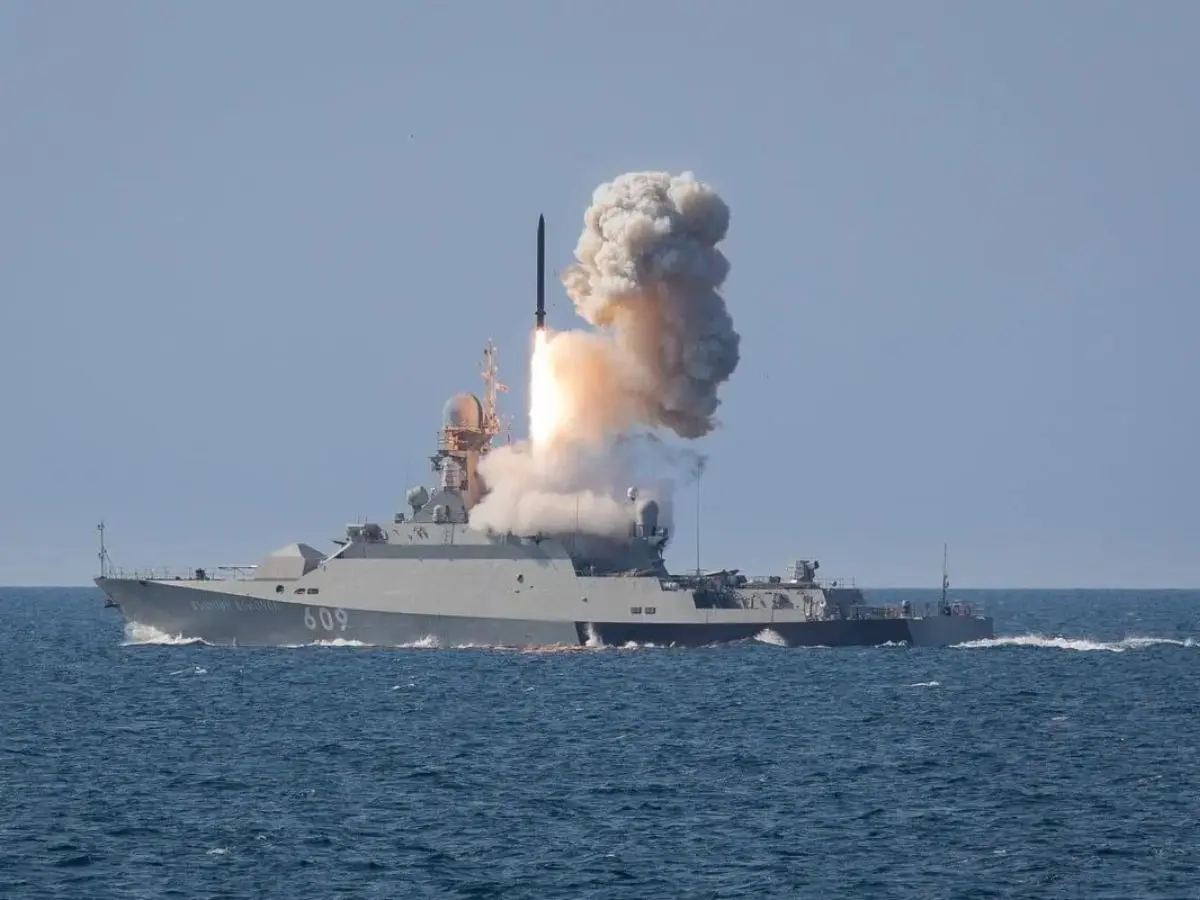
Russia’s 3M-54/3M-14 Kalibr cruise missile series gained global attention during the Syrian conflict. Capable of launch from ships, submarines and coastal systems, it has a maximum range of 1,500–2,500 km and flies at subsonic speed for most of its course, accelerating to Mach 2.9 in terminal phase in certain variants. It can carry up to 450 kg of explosives, including penetrating or blast-fragmentation warheads.
3. BrahMos (India–Russia)
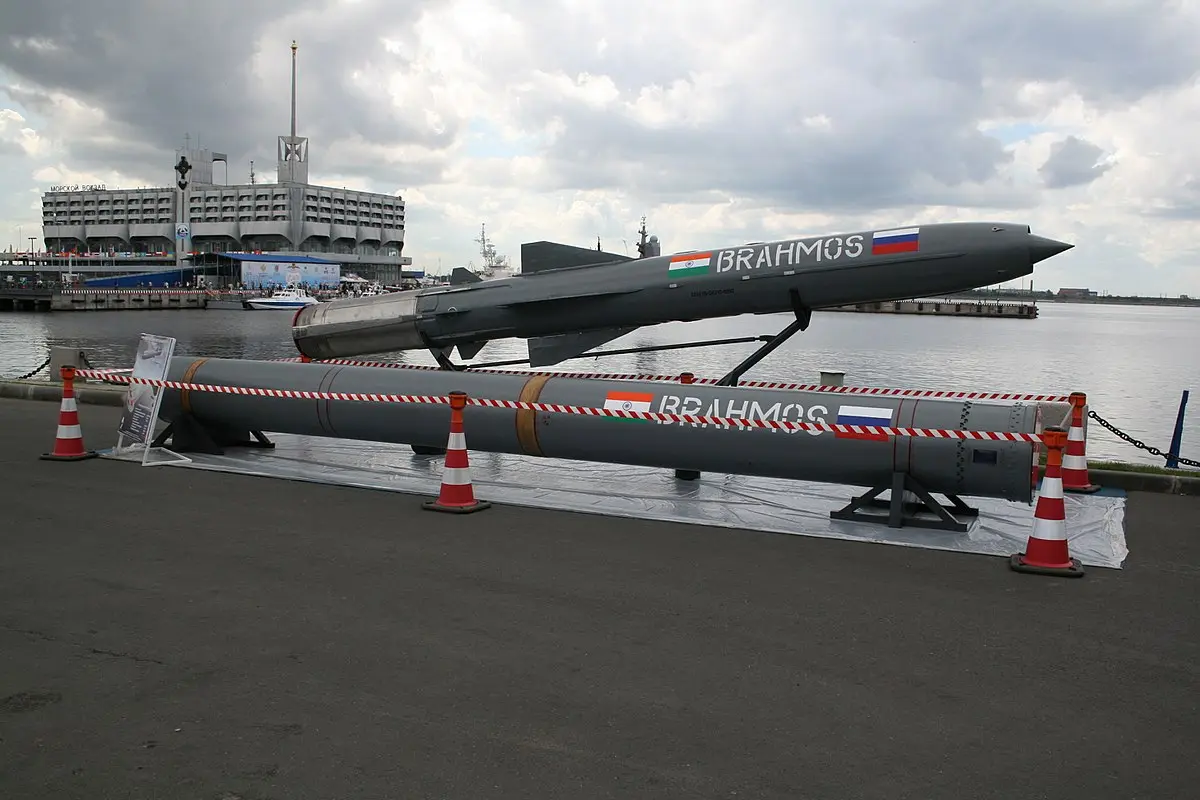
Developed jointly by India and Russia, BrahMos is widely regarded as the fastest operational cruise missile today. It travels at Mach 2.8–3 and can strike targets up to 450–800 km. Designed for saturation-attack capability, BrahMos can be launched from land, ships, submarines and combat aircraft such as the Su-30MKI. It delivers a 200–300 kg warhead, and its speed makes interception extremely difficult.
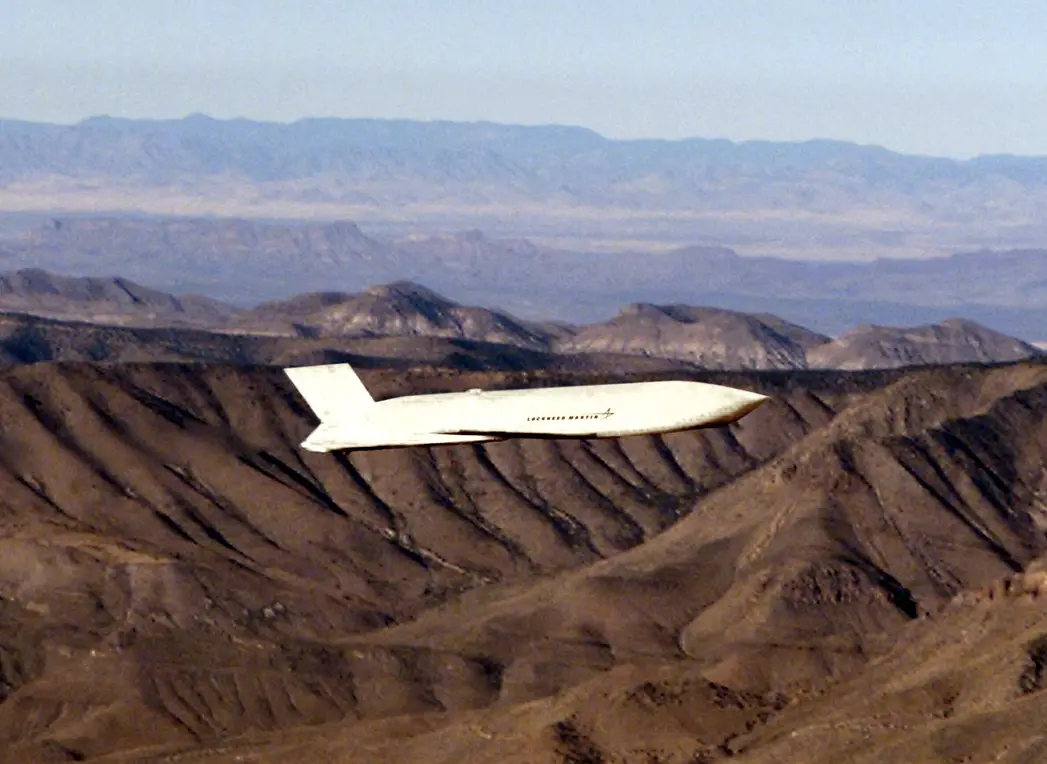
4. AGM-158 JASSM / JASSM-ER (United States)
The JASSM and JASSM-ER are low-observable air-launched cruise missiles designed to penetrate heavy air defence environments. Their stealth shaping and passive guidance systems reduce detection probability. The missiles carry 450 kg warheads and reach 370 km (baseline JASSM) and 1,000 km (JASSM-ER) at subsonic speeds.
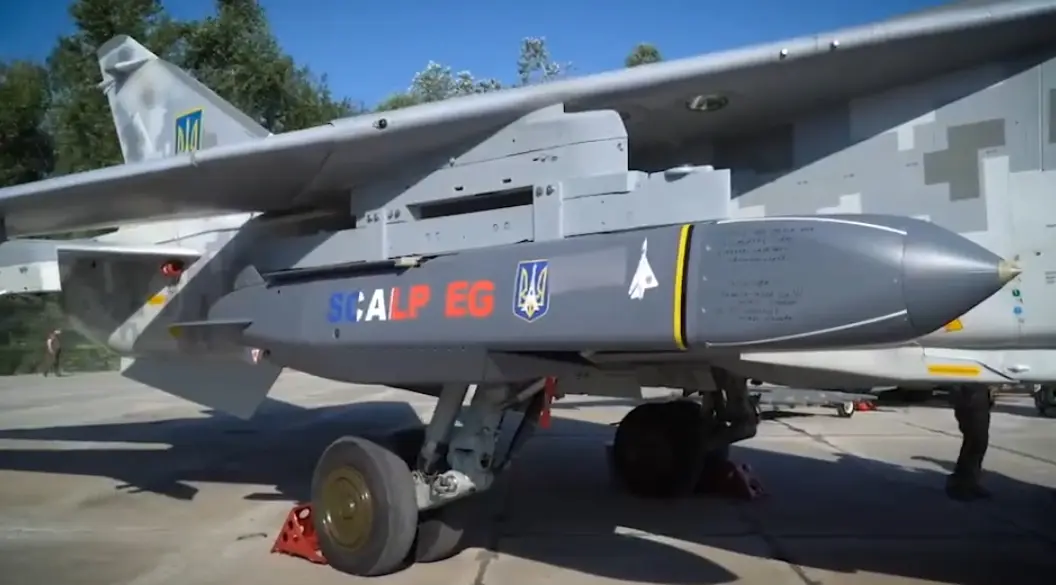
5. Storm Shadow / SCALP-EG (UK–France)
A precision deep-strike missile used by several NATO air forces, Storm Shadow is built for hardened, high-value targets. Its range is up to 560 km, with subsonic flight and a dual-stage 450 kg warhead specifically designed to penetrate underground bunkers. The missile's autonomous navigation uses multiple guidance inputs to maintain accuracy.
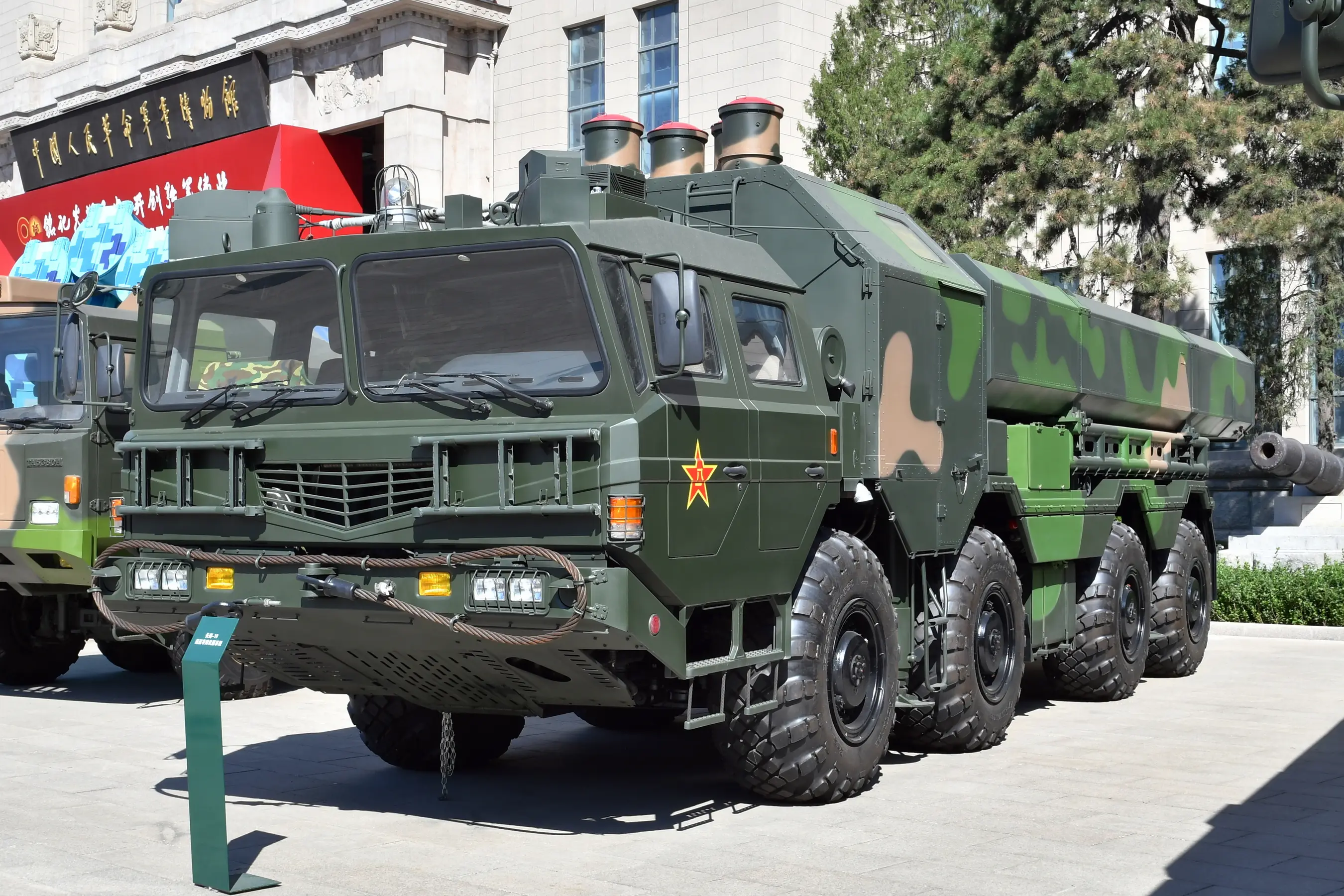
6. CJ-10 / DF-10 (China)
China’s CJ-10 cruise missile family forms the backbone of the PLA’s long-range strike force. Its estimated range is 1,500 km or more, with subsonic speeds and conventional or nuclear payload options. The system can be launched from mobile road vehicles, ships and aircraft, giving China a flexible strike posture in the Indo-Pacific.
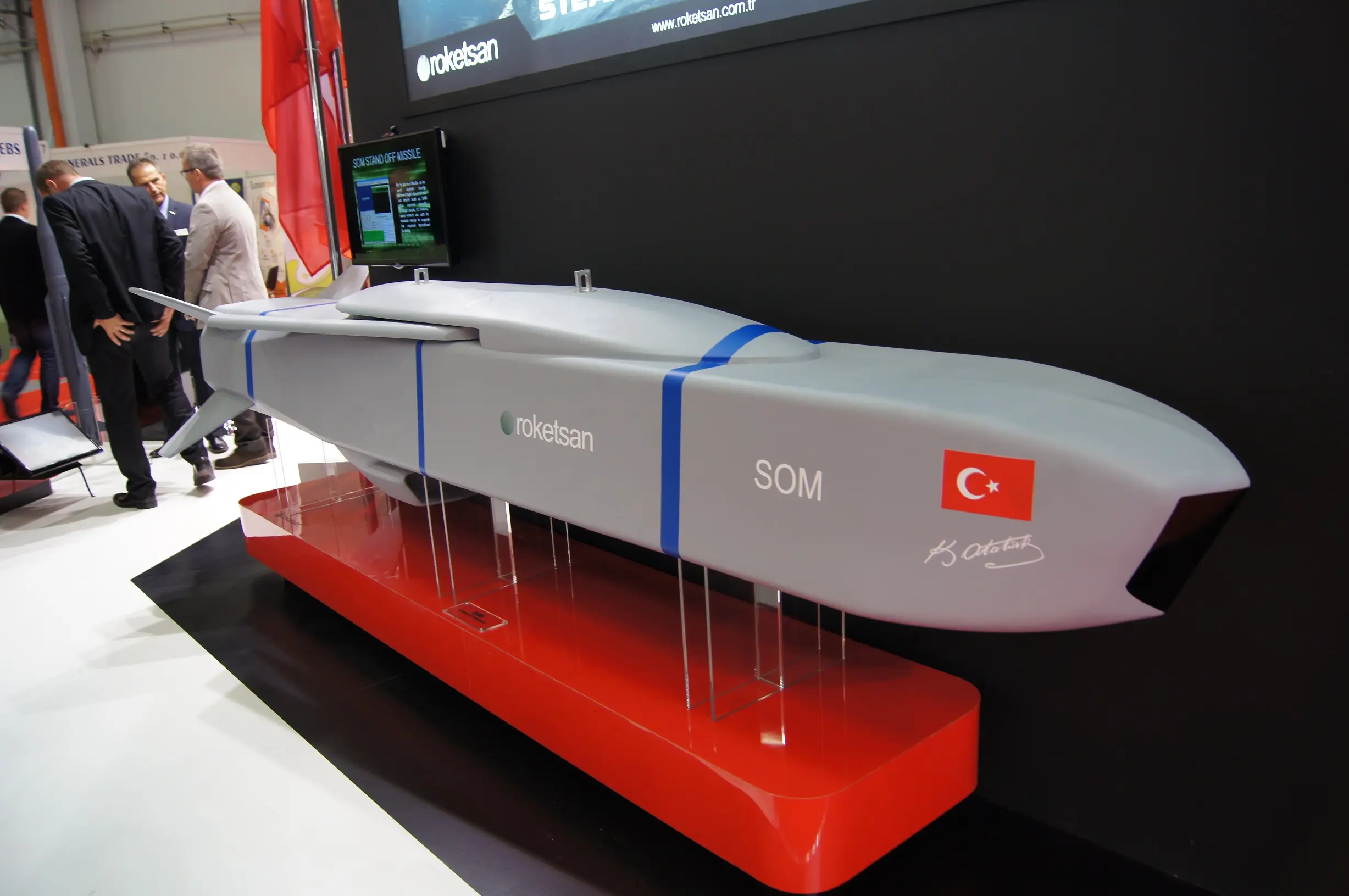
7. SOM (Turkey)
Developed by TÜBİTAK SAGE, the SOM provides Turkey with an indigenous long-range precision strike capability. It has a range of 250–500 km, flies subsonically, and carries a 230 kg warhead. SOM variants are built for both land-attack and anti-ship roles and have been integrated with Turkish and NATO aircraft.
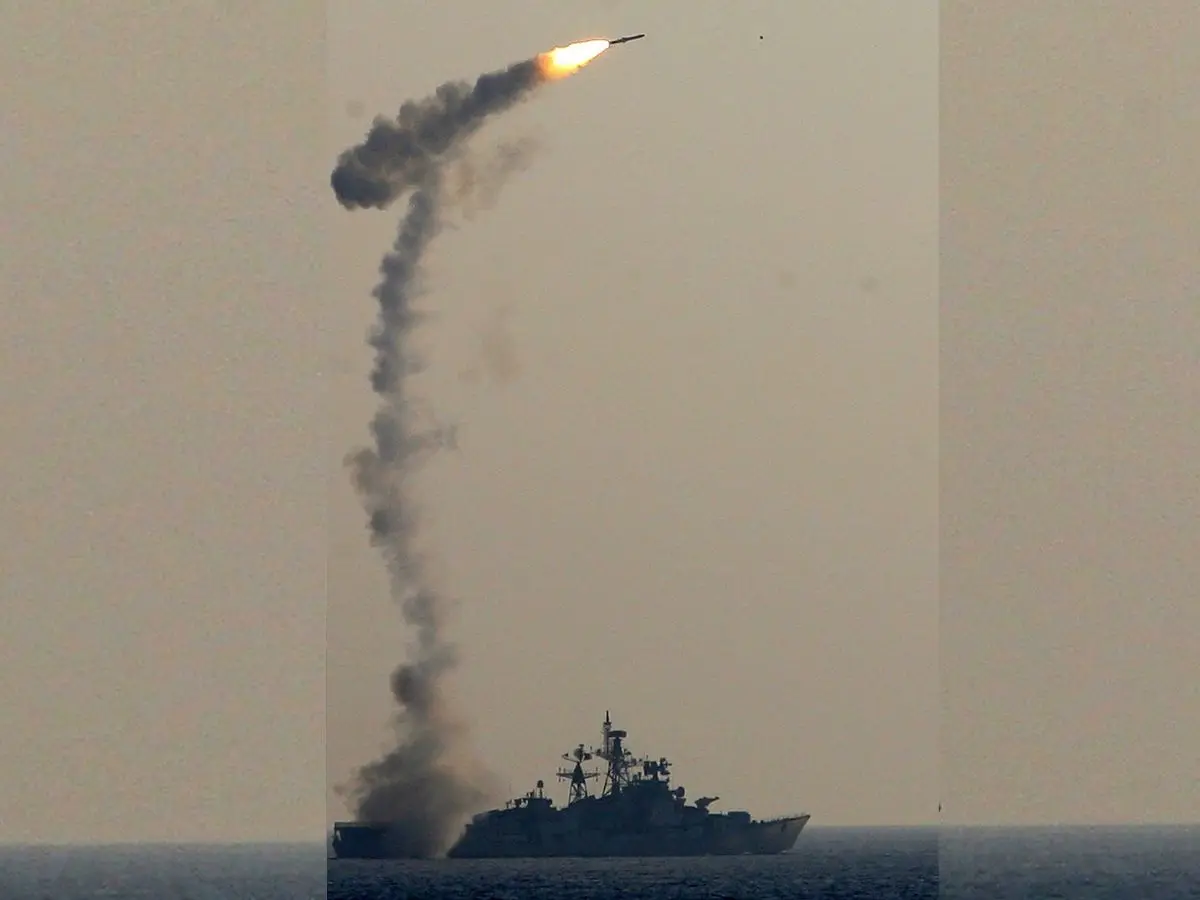
A shifting balance in global strike capability
The race for improved cruise missiles is intensifying. Updated guidance systems, reduced radar signatures and extended stand-off ranges mean these weapons are now central to deterrence strategy, not just battlefield use. Hypersonic cruise missiles, still in development, are expected to redefine this landscape further, combining sustained hypersonic speed with precision guidance. For now, these seven systems represent the highest level of operational cruise missile capability in the world.
)
)
)
)
)