BrahMos missile test: 7 key findings from Indian Army’s latest missile launch in Bay of Bengal

The missile struck its intended target in the Bay of Bengal. This allowed the Army to confirm that the terminal guidance system, including the onboard seeker and control logic, responded correctly under mission conditions.
1. Performance of the Missile at Supersonic Speed
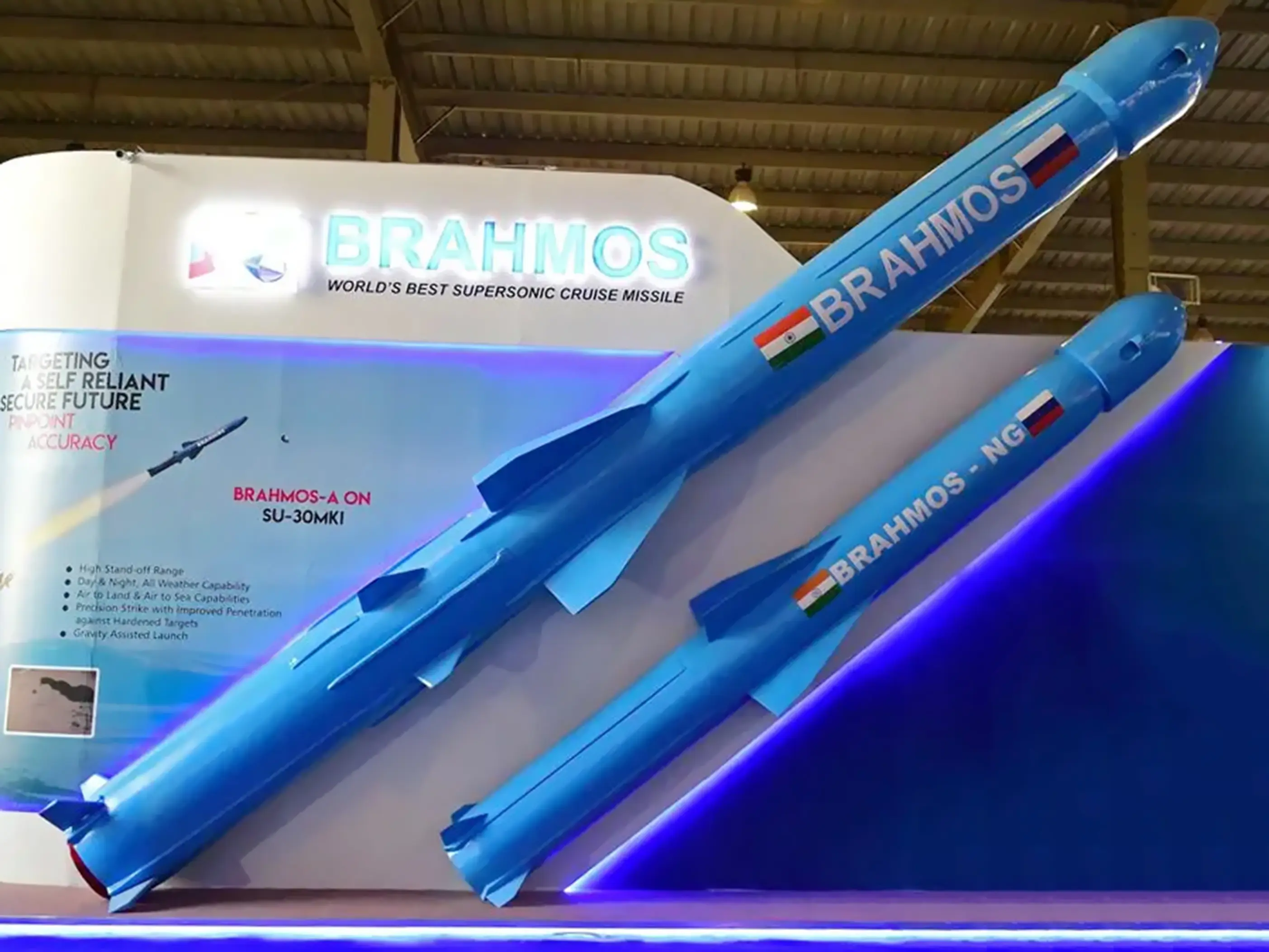
The Army used the test to examine how the BrahMos behaved through its high-speed flight profile. As reported by UNI, the missile maintained stable supersonic travel, giving the Army real-time data on aerodynamics, propulsion and mid-course stability.
2. Accuracy of the Missile in the Final Strike Phase
The missile struck its intended target in the Bay of Bengal. This allowed the Army to confirm that the terminal guidance system, including the onboard seeker and control logic, responded correctly under mission conditions.
3. Functioning of Guidance and Control Systems
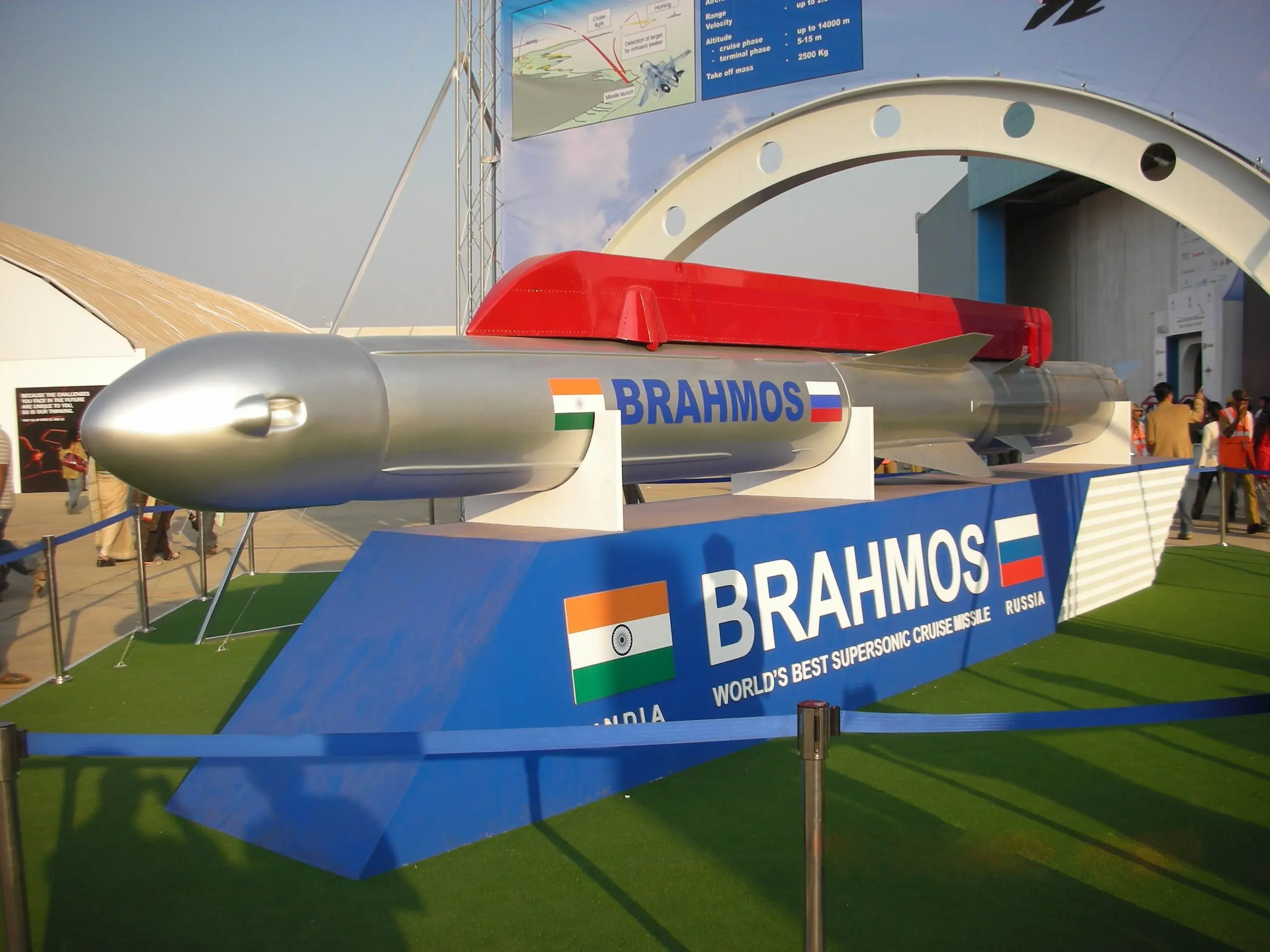
The Army assessed the reliability of the missile’s navigation and control modules. These systems performed exactly as planned, validating the missile’s ability to follow its programmed trajectory without deviation.
4. Readiness of BrahMos Units for Precision Missions
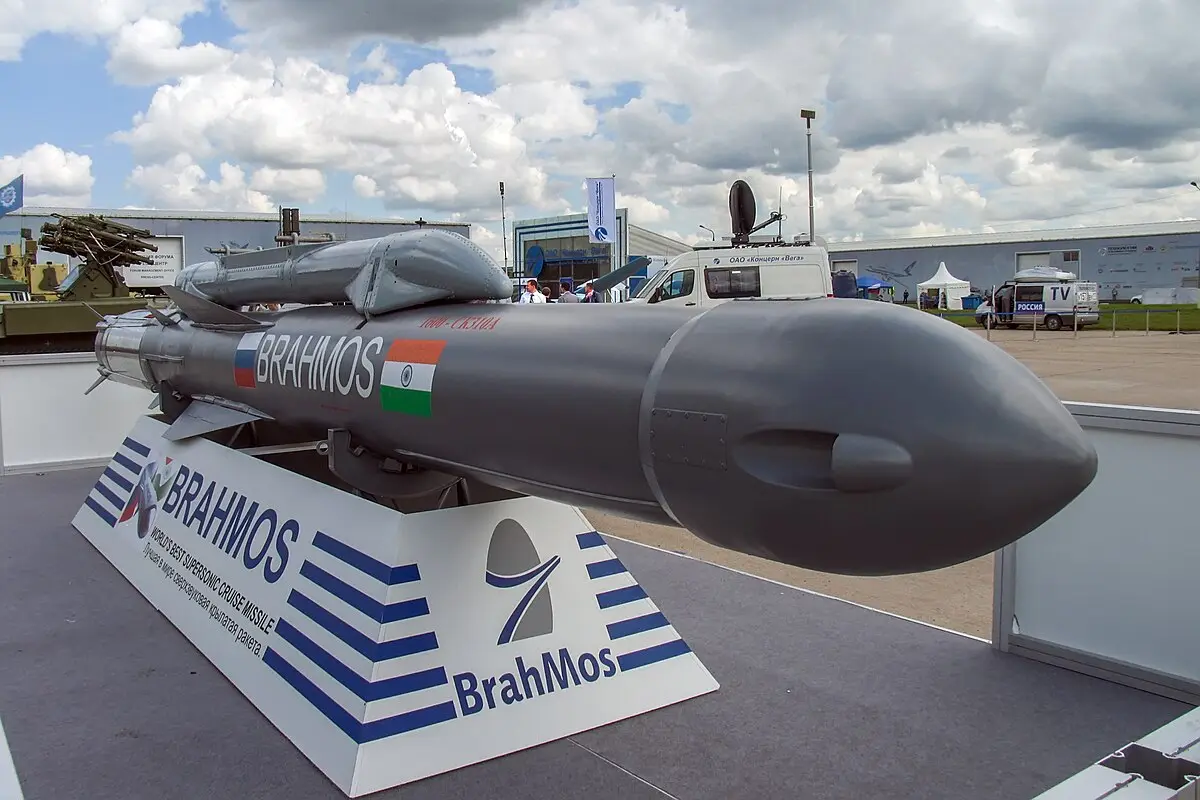
This launch was aimed at checking how quickly and effectively operational units could execute a precision strike. The exercise confirmed that frontline teams can conduct such missions in real time and under simulated battlefield stress.
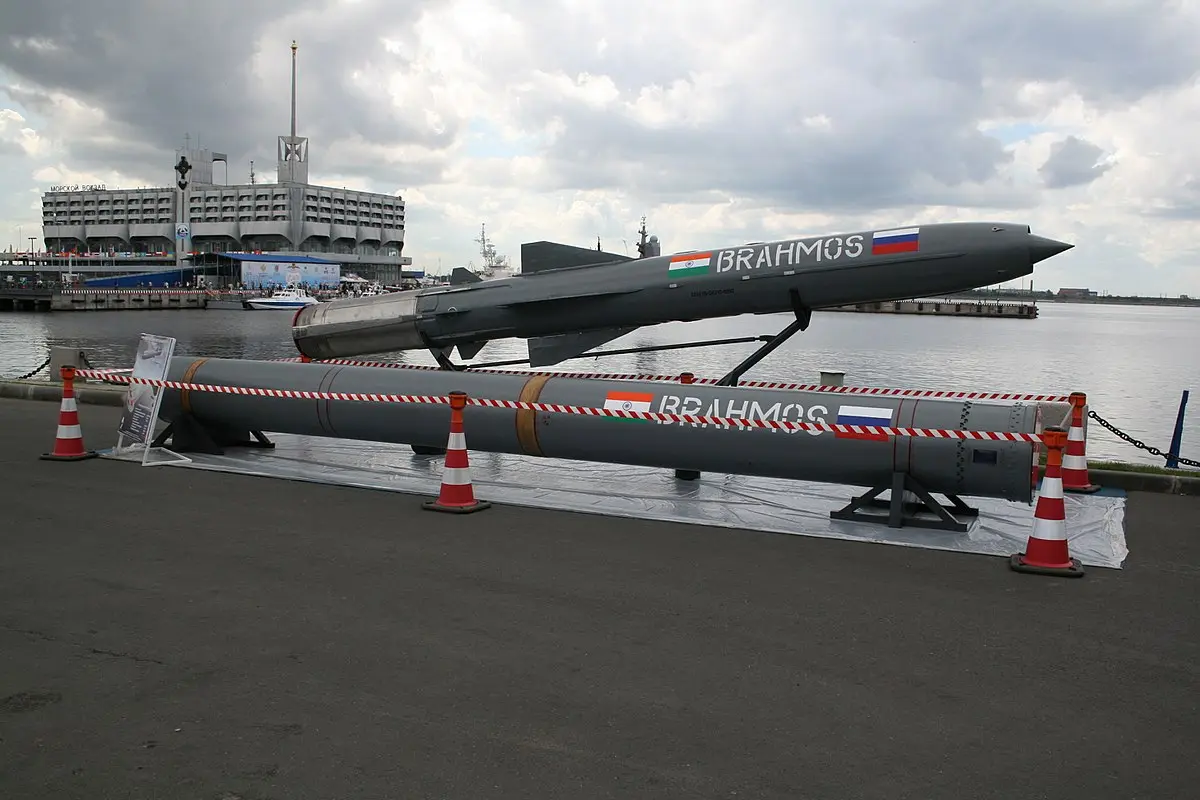
5. Coordination Between Southern Command and A&N Command
Because the mission involved the Southern Command and the Tri-Services Andaman & Nicobar Command, the test gave the Army a chance to study joint coordination. The launch examined inter-command procedures, communication flow and synchronised deployment.
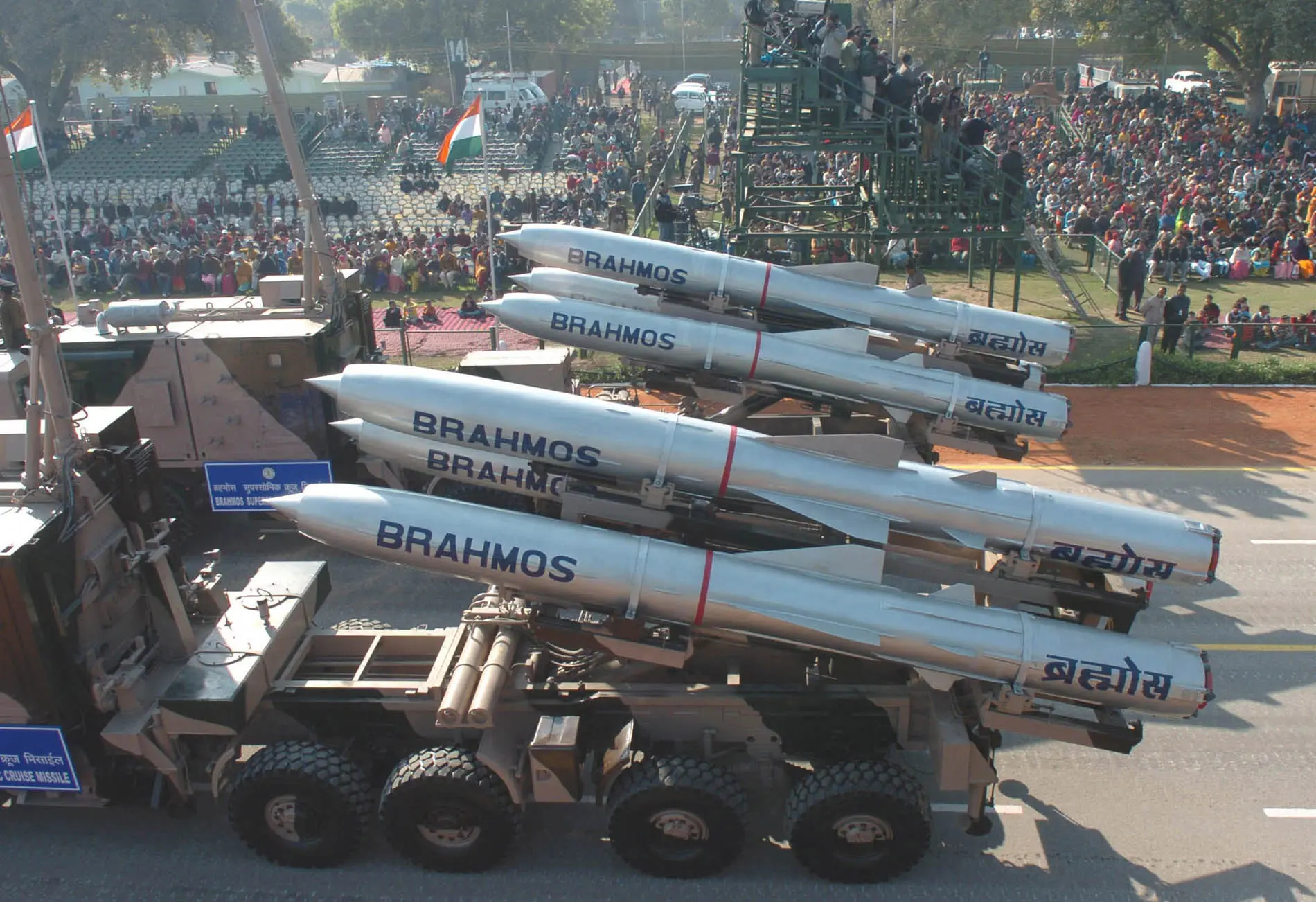
6. Ability of the System to Function Under Combat-Like Conditions
The Indian Army highlighted that the entire operation was carried out under battle-like parameters. This allowed planners to evaluate how the missile and support systems behave when confronted with factors such as simulated stress, rapid activation and dynamic targeting.
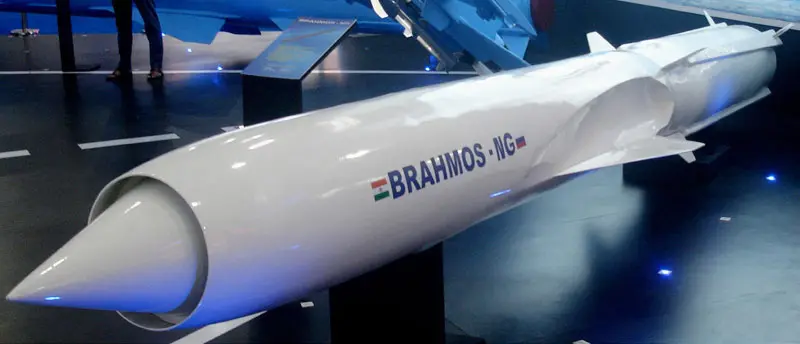
7. Implications for Long-Range Strike and Deterrence
The test strengthens India’s long-range strike posture. The success reinforces confidence in indigenous and jointly developed missile systems and feeds into broader capability-building under the Aatmanirbhar Bharat framework.
)
)
)
)
)