BrahMos and Indonesia: How a Mach-2.8 cruise missile could rewrite Jakarta’s maritime security strategy

For a nation managing one of the world’s largest archipelagic environments and facing persistent grey-zone pressure in its waters, BrahMos represents a capability with clear strategic value.
Introduction: A Strategic Shift for an Archipelagic Power
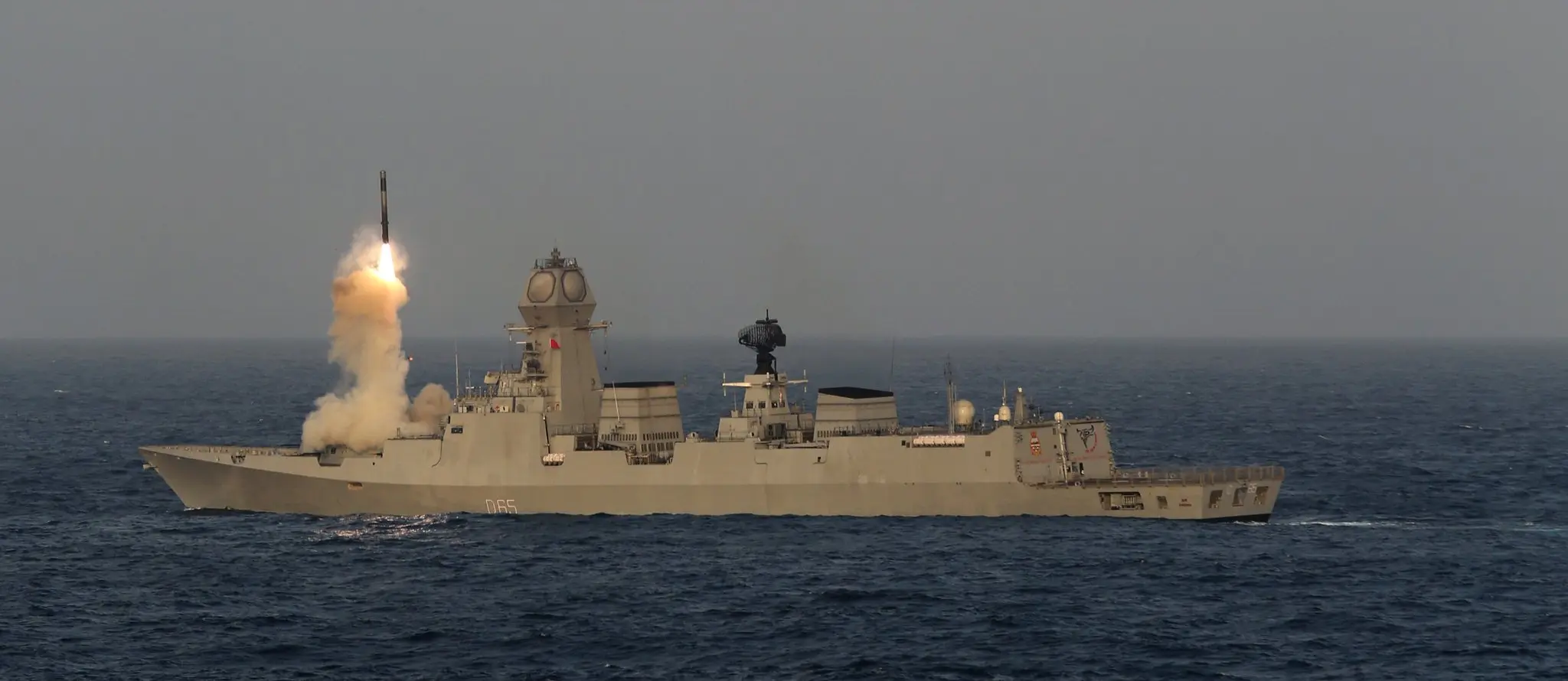
India and Indonesia’s growing defence cooperation, including exploratory discussions on a potential BrahMos supersonic cruise missile sale, signals a notable shift in Jakarta’s maritime security outlook. While no formal confirmation has been issued, if concluded, Indonesia would become the second country after the Philippines to acquire India’s flagship missile. For a nation managing one of the world’s largest archipelagic environments and facing persistent grey-zone pressure in its waters, BrahMos represents a capability with clear strategic value.
Why Indonesia Needs BrahMos
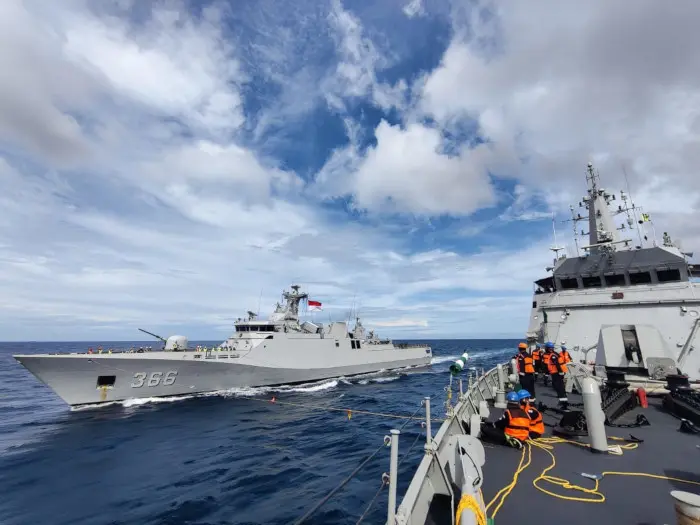
Indonesia’s maritime security challenges stem from its vast Exclusive Economic Zone (EEZ), critical shipping lanes and frequent incursions by foreign vessels, often in grey-zone forms such as shadowing, intimidation or paramilitary presence. These tactics exploit ambiguity and slow reaction times. BrahMos offers Jakarta a rapid, hard-hitting response option that increases the risks for any actor operating provocatively in contested waters.
A Missile Suited to Indonesia’s Geography
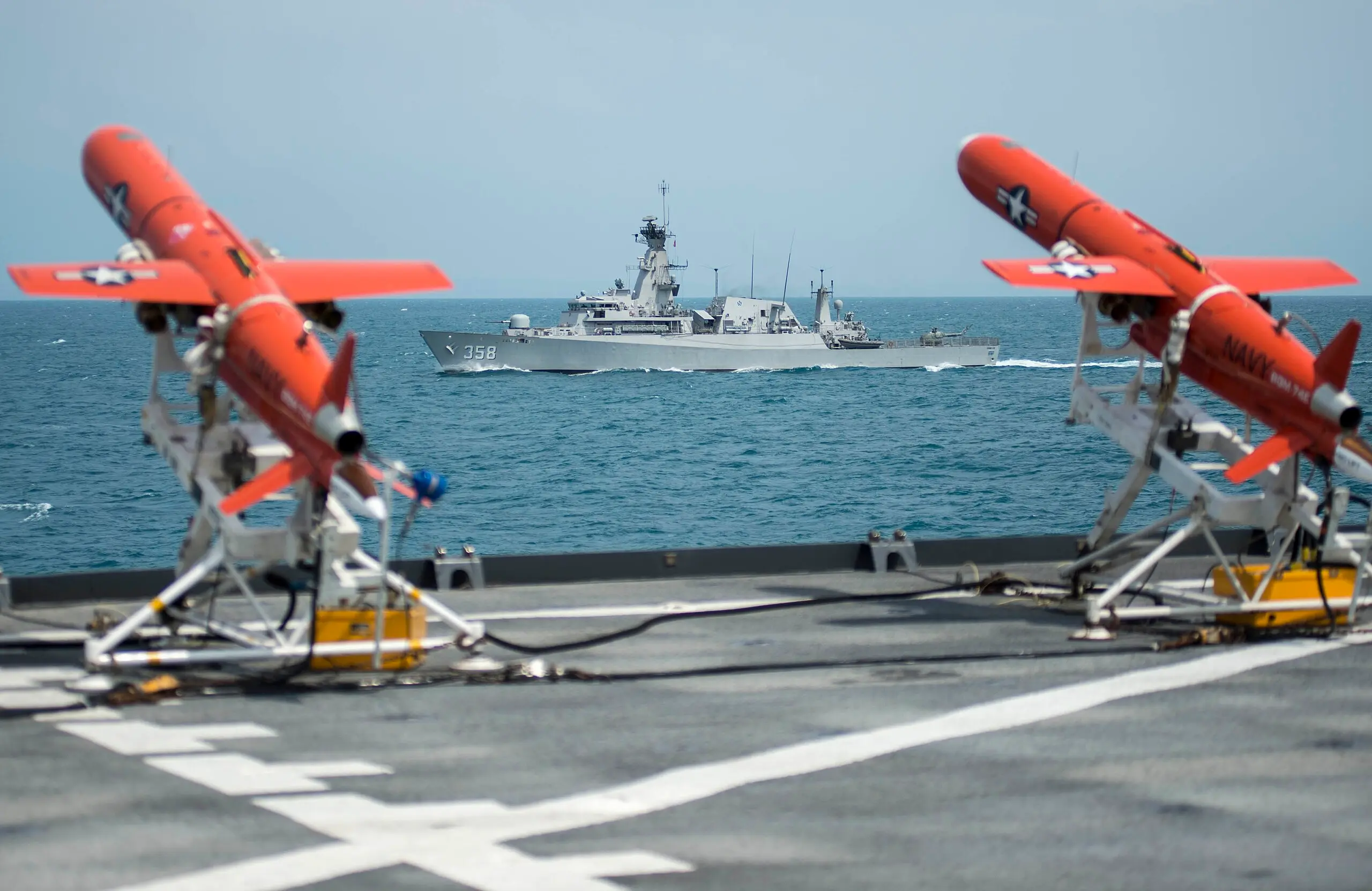
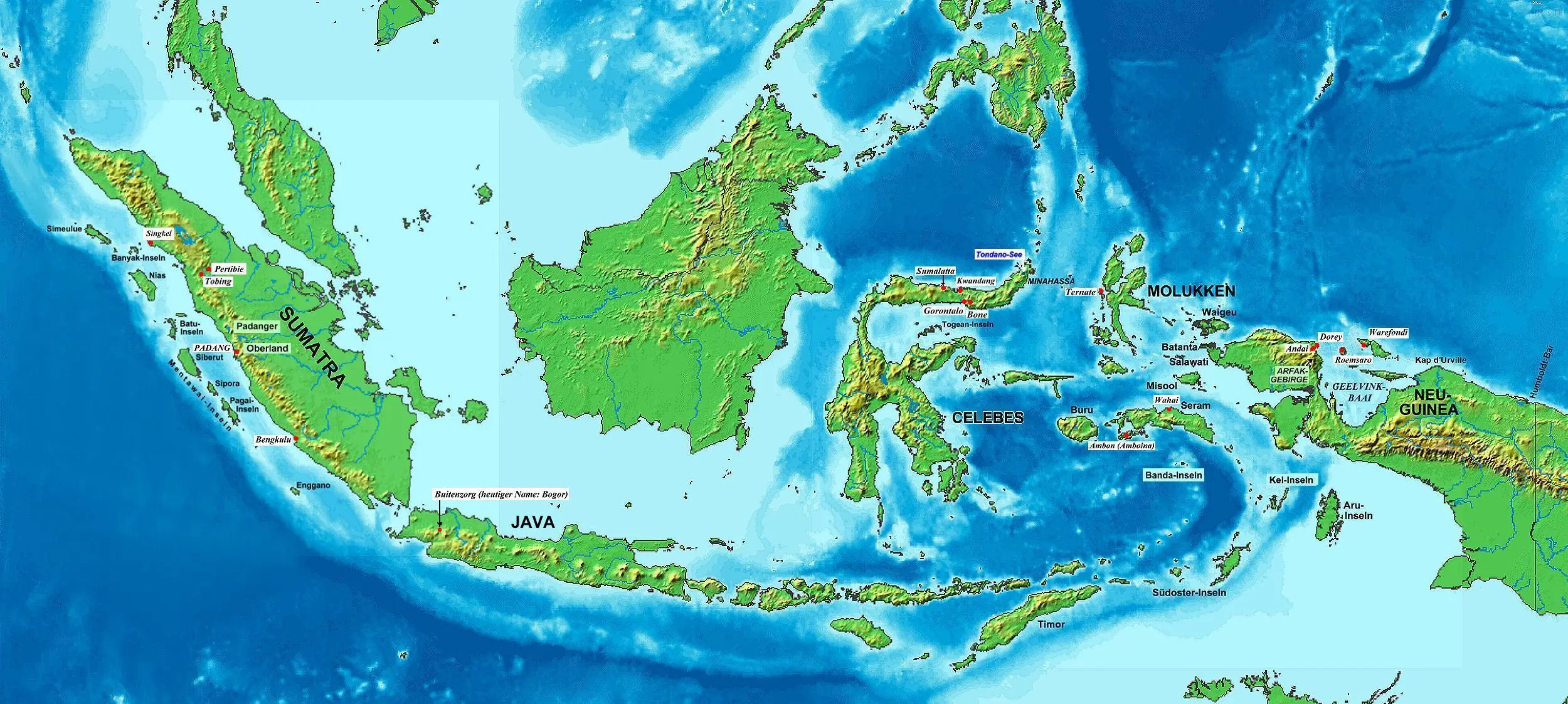
BrahMos’s ability to launch from land, sea and potentially submarine platforms aligns well with Indonesia’s dispersed island geography. Coastal batteries, surface combatants and future submarine-based systems could cover key chokepoints such as the Sunda, Lombok and Makassar Straits. This multi-axis deployment allows Indonesia to secure wide maritime zones without relying exclusively on large warships.
Creating Layered Maritime ‘Kill Zones’
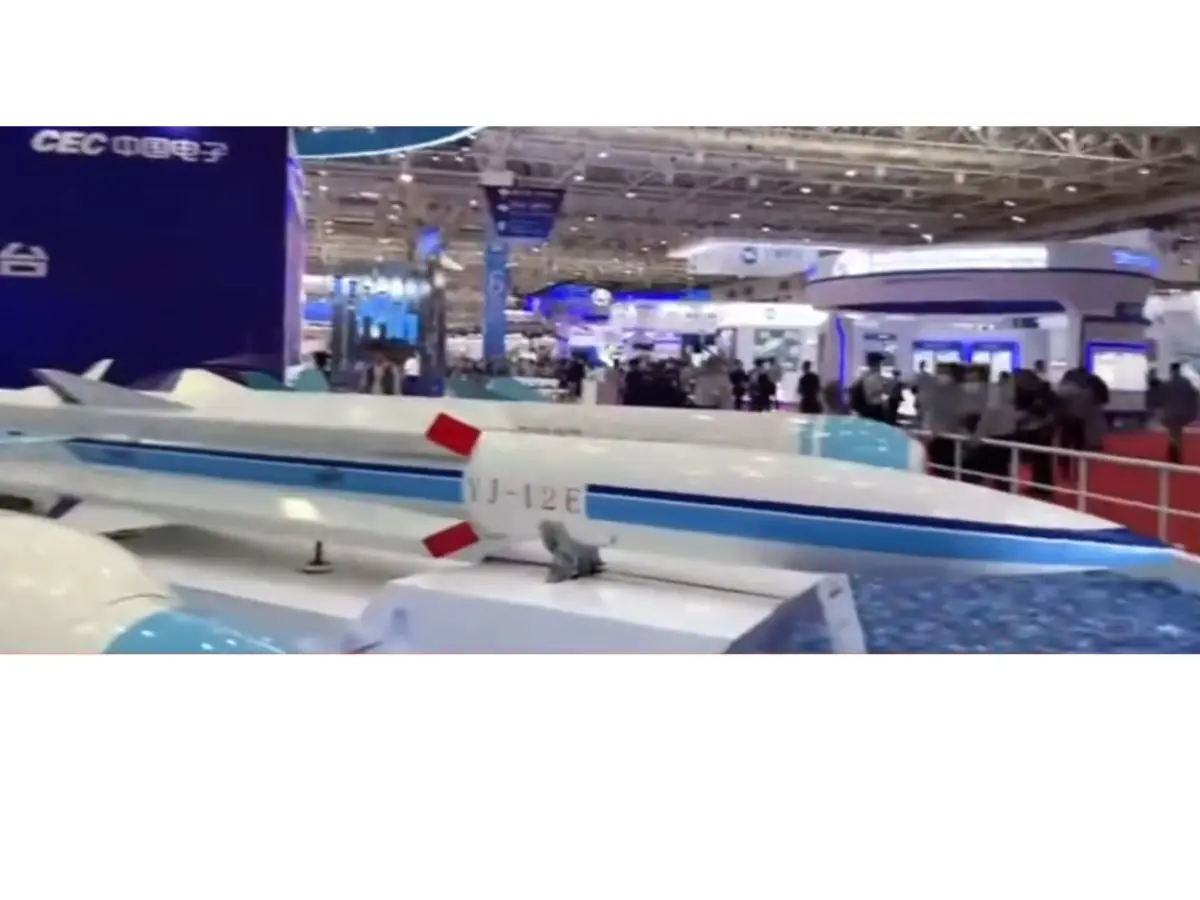
Integrated with systems such as the CM-302, BrahMos could help establish layered maritime defence 'kill zones' across strategic straits. This defence-in-depth arrangement gives Indonesia the ability to engage hostile vessels at multiple ranges, strengthening both deterrence and denial capabilities in high-traffic, high-risk waterways.
Supersonic Speed and Sea-Skimming Flight
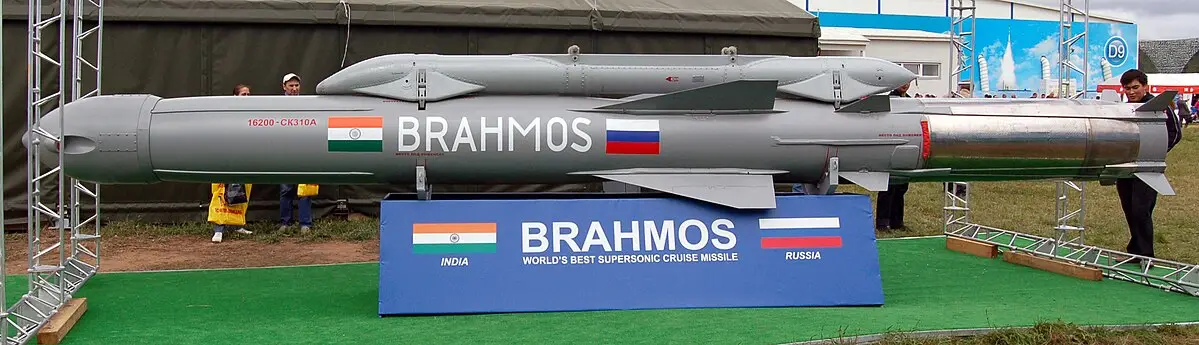
One of BrahMos’s defining features is its sustained supersonic velocity, which significantly reduces reaction time for any target. Combined with terminal-phase sea-skimming, the missile is harder to track and intercept than conventional subsonic cruise missiles. For Indonesia, this means the ability to impose a credible, time-compressed threat on any vessel testing its maritime boundaries.
Multi-Platform Flexibility for Rapid Response
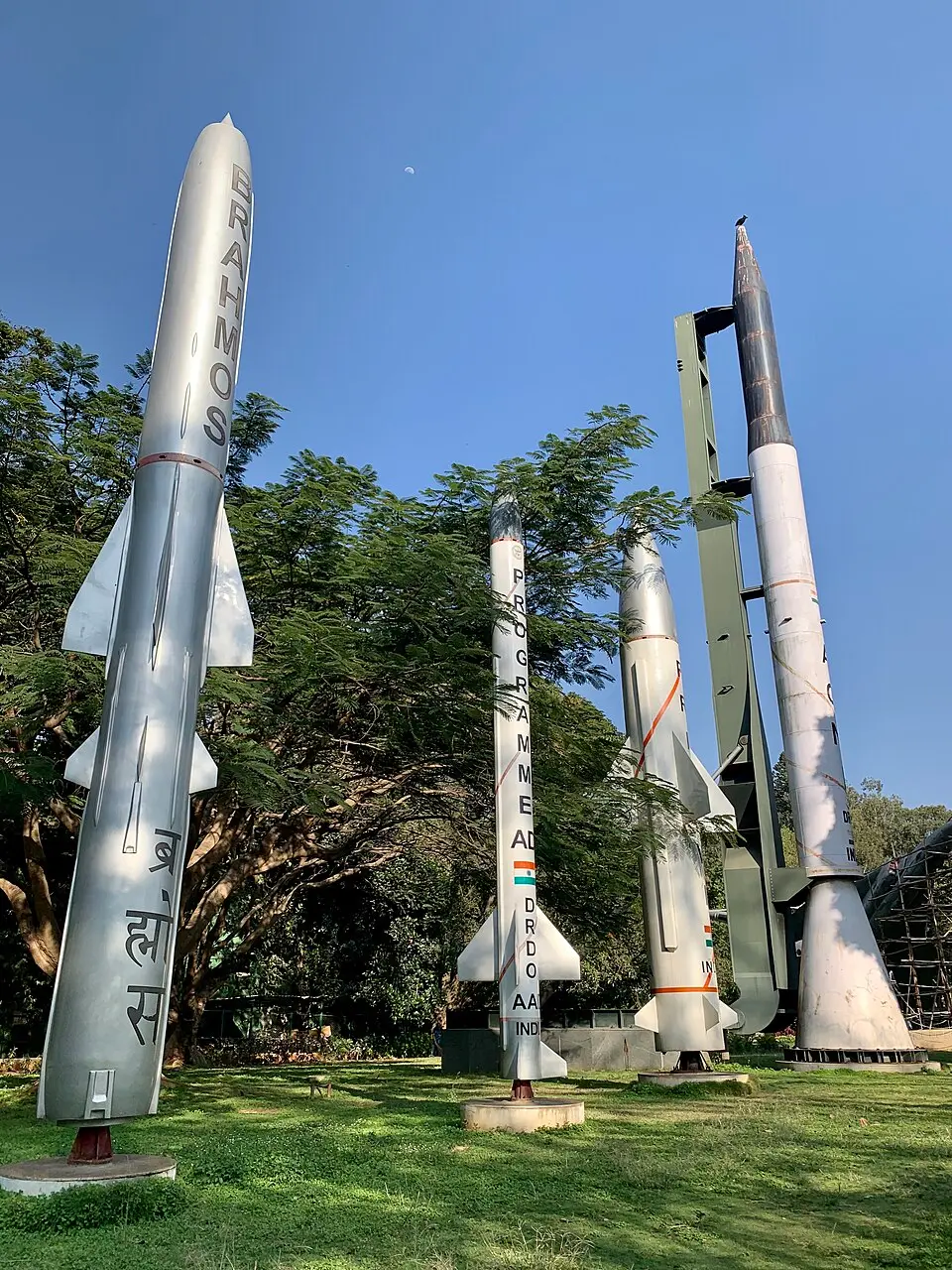
The missile’s compatibility with ships, coastal defence batteries and future submarine platforms enables overlapping coverage and rapid reaction. If a suspicious vessel or aggressive patrol enters disputed waters, Indonesia could respond within minutes from multiple axes. This flexibility complicates adversary planning and raises the operational cost of grey-zone behaviour.

Precision Strike Capability Enhances Deterrence
BrahMos combines speed with precise guidance, allowing accurate engagement of mobile targets such as patrol boats, support vessels and landing craft. This precision strengthens deterrence credibility by signalling that hostile movements, whether ambiguous or overt, carry the risk of an immediate and effective response.

A Proven Tri-Service System
The missile has been fielded in land-based, ship-borne and air-launched forms, demonstrating reliability across domains. Should Indonesia proceed with the acquisition, it could tailor deployments to its needs: coastal batteries for EEZ protection, naval launchers for patrol zones, and potential long-term submarine integration for stealth deterrence.
Conclusion: A Shift from Vulnerability to Resilience
For Indonesia, BrahMos would be more than a weapons purchase, it could represent a doctrinal upgrade. In an environment where grey-zone maritime tactics are increasingly common, BrahMos offers a credible, swift and precise means of reinforcing sovereignty. By integrating the system into its maritime architecture, Indonesia could transform its archipelago from a strategic vulnerability into a fortified maritime defence network.
)
)
)
)
)