B-1 Bomber in India: What makes it one of the fastest bombers in the world

The B-1 Lancer's combination of powerful engines, variable-sweep wings, and aerodynamic design lets it fly at speeds over 900 mph despite its heavy weight, making it one of the fastest bombers in the world.
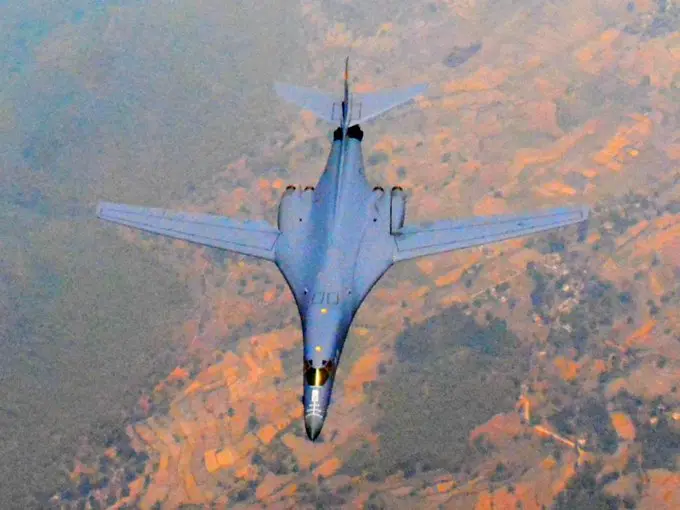
Supersonic Speed
The B-1 Lancer can reach speeds of Mach 1.2, which means it flies over 900 miles per hour at sea level. This is fast for a heavy bomber that weighs almost 477,000 pounds at takeoff.
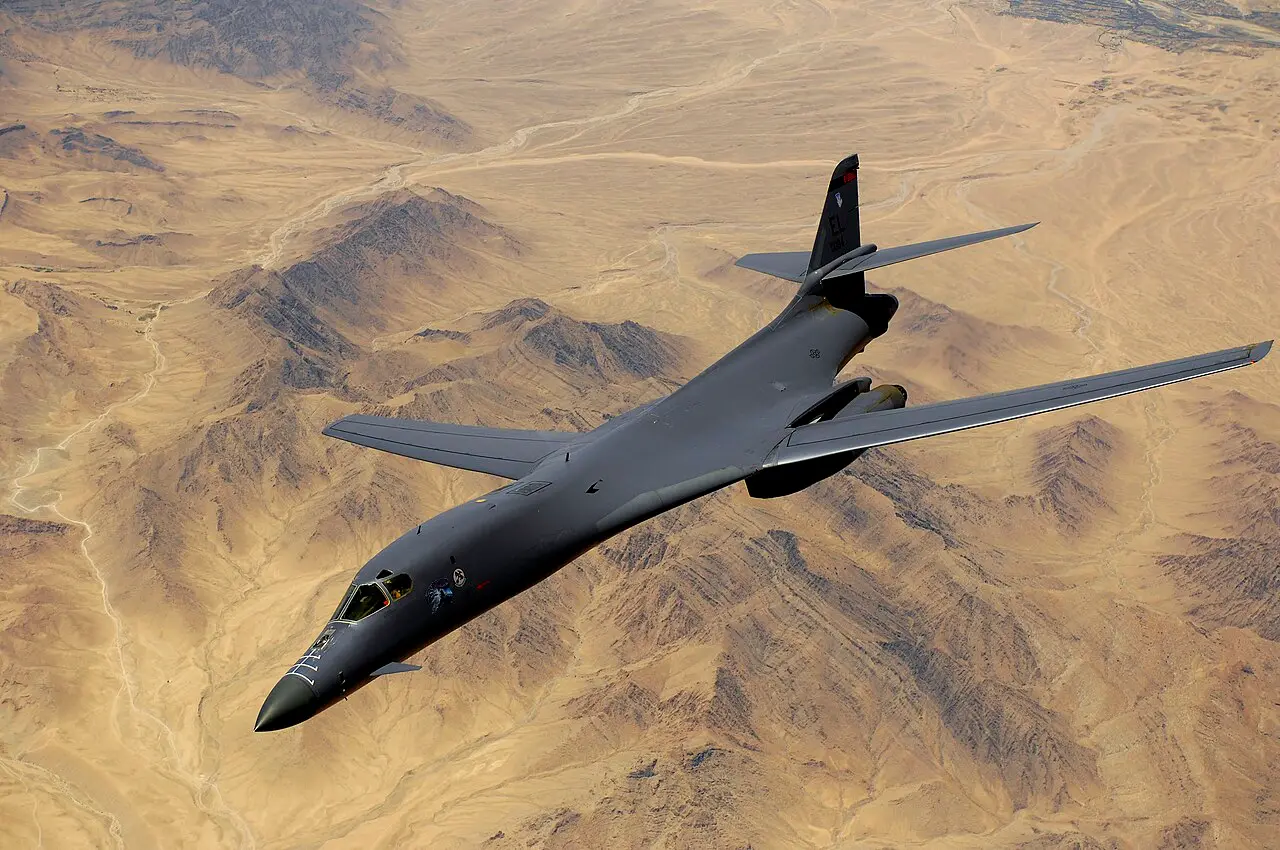
Powerful Engines
It is powered by four General Electric F101-GE-102 turbofan engines. Each engine produces over 30,000 pounds of thrust with afterburners, providing the strong power needed for its high speed.
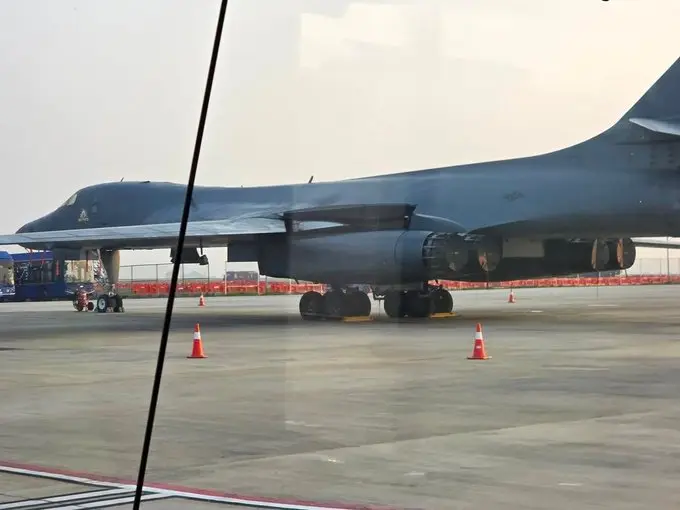
Variable-Sweep Wings
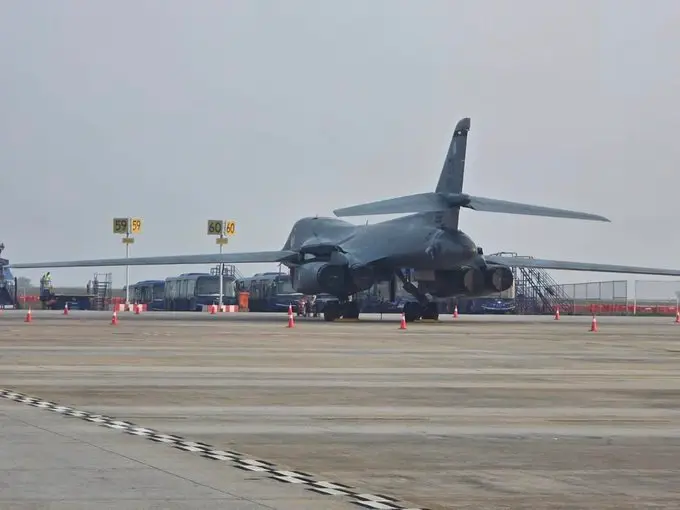
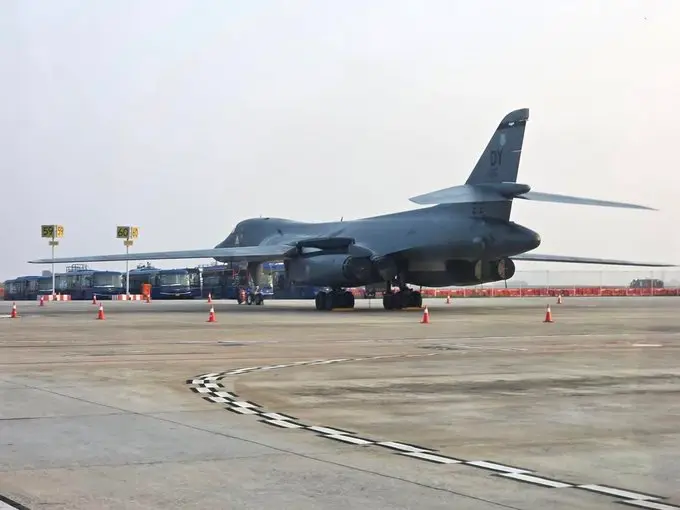
The bomber has wings that can change their angle in flight. Swept back for high-speed flight and extended for takeoff or landing, this design reduces drag and helps it achieve supersonic speeds efficiently.
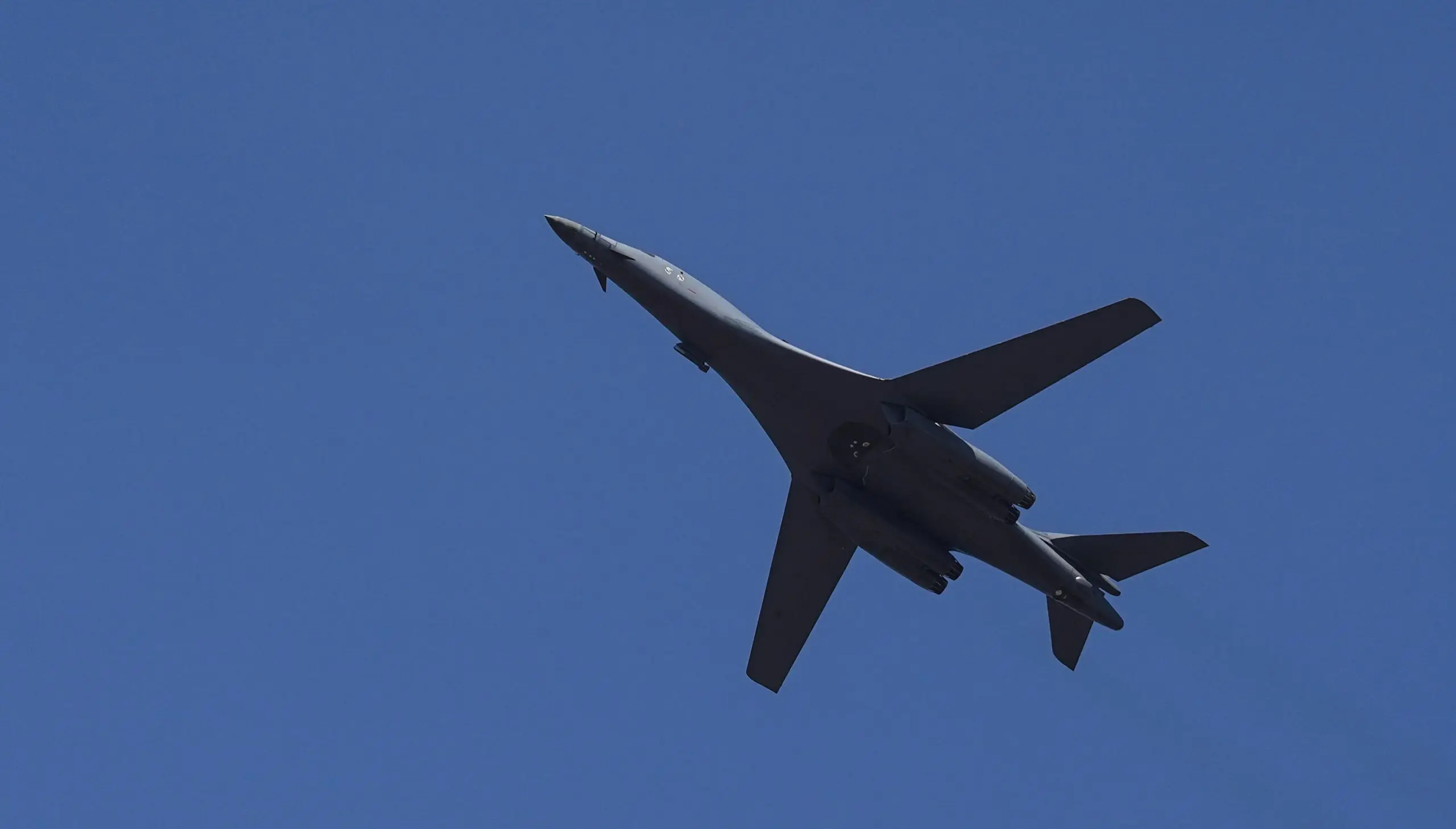
Lightweight and Aerodynamic Design
The B-1’s sleek, blended wing-body configuration reduces air resistance. This shape supports smoother high-speed flight, helping it maintain speed while carrying a large payload.
Fuel Capacity and Range
It carries over 265,000 pounds of fuel, allowing it to fly intercontinental distances without refuelling. This endurance supports sustained high-speed missions far from base

Speed Despite Heavy Weight
Despite a maximum takeoff weight of nearly 477,000 pounds, the B-1 sustains supersonic speed. This makes it unique as most supersonic aircraft are much lighter fighters or interceptors
Advanced Flight Control Systems
The B-1 has sophisticated flight controls to manage the variable wings and high-speed flight stability. These systems allow pilots to safely handle the bomber during supersonic and subsonic phases.
)
)
)
)
)