'Boiling hydraulic fluid': Inside the most violent room on USS Abraham Lincoln

Everyone watches the arresting wire catch the jet on the roof, but beneath the deck of the USS Abraham Lincoln lies a terrifying room. Discover the Arresting Gear Engine Room, where massive hydraulic rams violently absorb 50 million foot-pounds of energy in seconds.
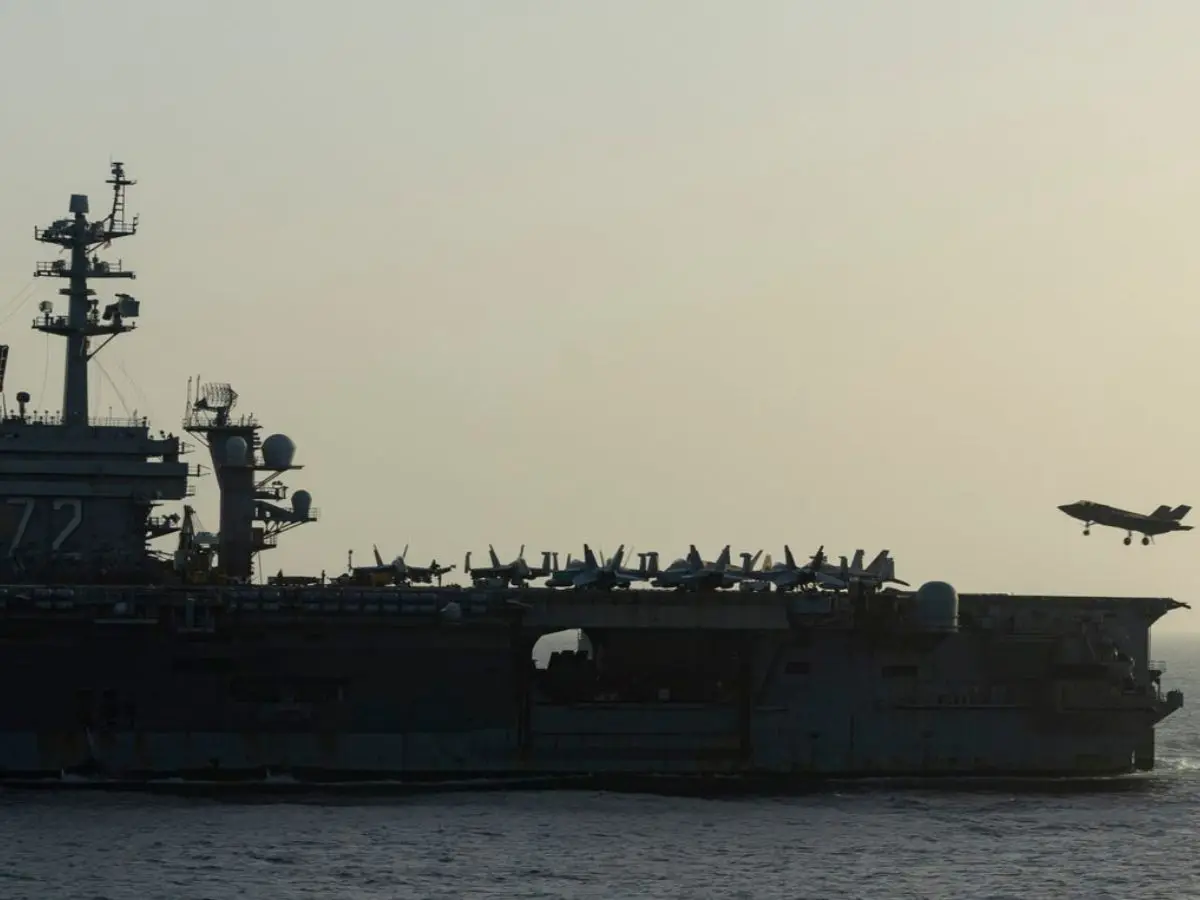
The Hidden Cavern Below the Deck
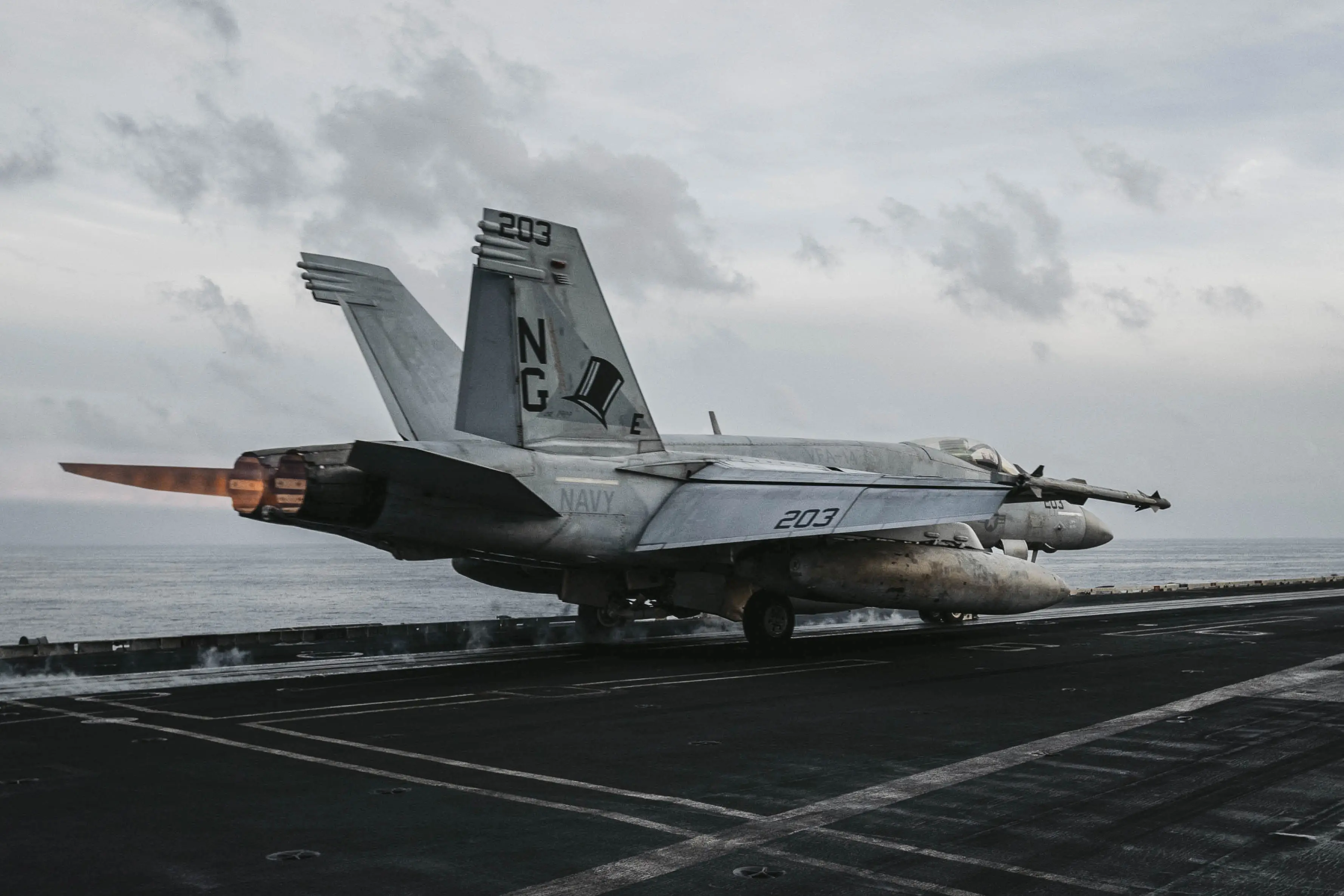
When a 30-ton F/A-18 Super Hornet slams into the flight deck of the USS Abraham Lincoln at 150 miles per hour, all eyes are on the arresting wire. But the wire is just the tip of the iceberg. Directly beneath the landing area lies the Arresting Gear Engine Room—one of the most violently loud and structurally tortured compartments on the ship.
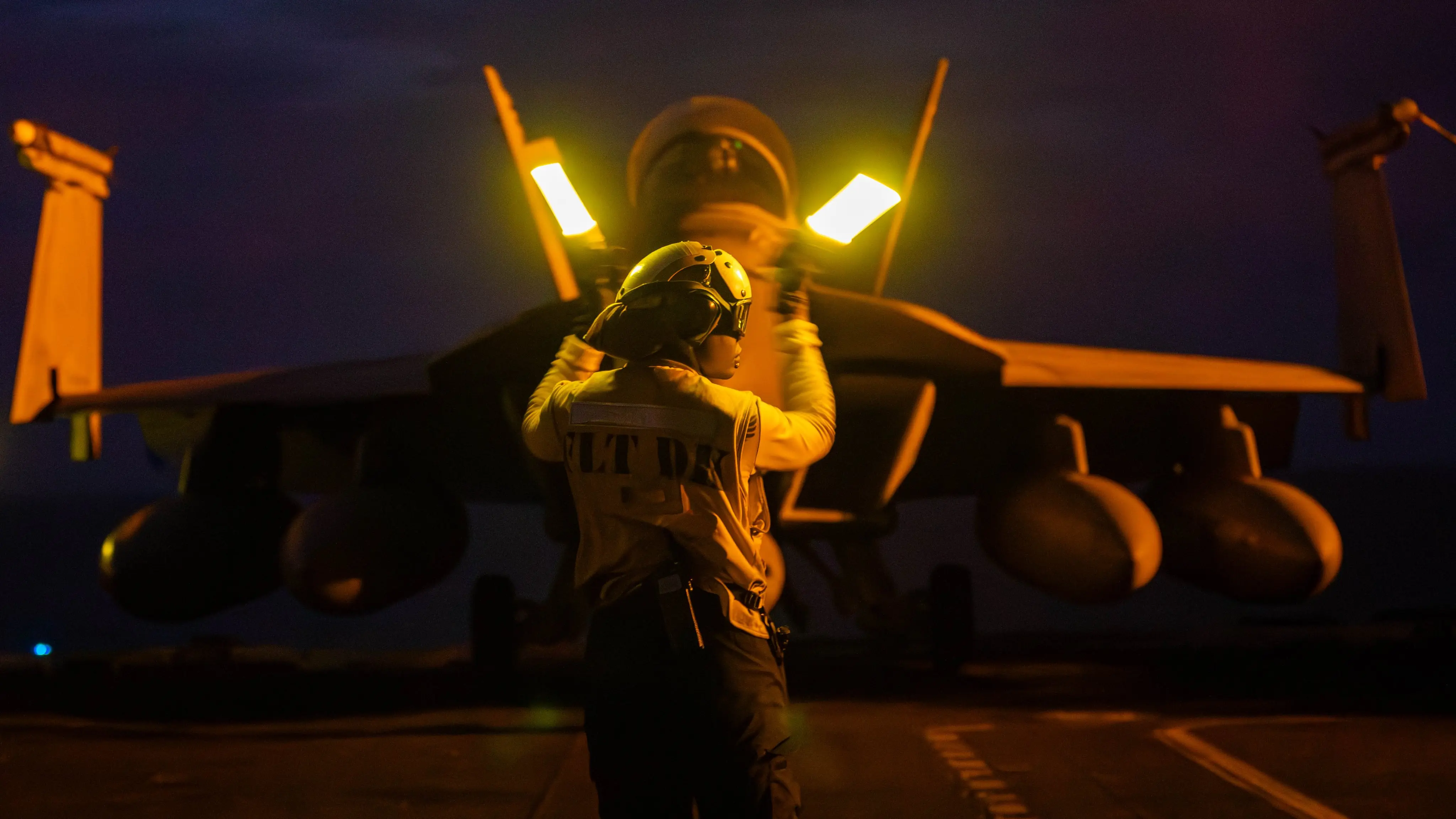
50 Million Foot-Pounds of Energy
A landing jet isn't just stopping; it is transferring an astronomical amount of kinetic energy into the ship over less than 300 feet of runway. Within two seconds, the arresting gear system must instantly absorb roughly 50 million foot-pounds of energy. The steel cables screaming across the deck are physically anchored to massive engines operating just feet below the sailors' boots.
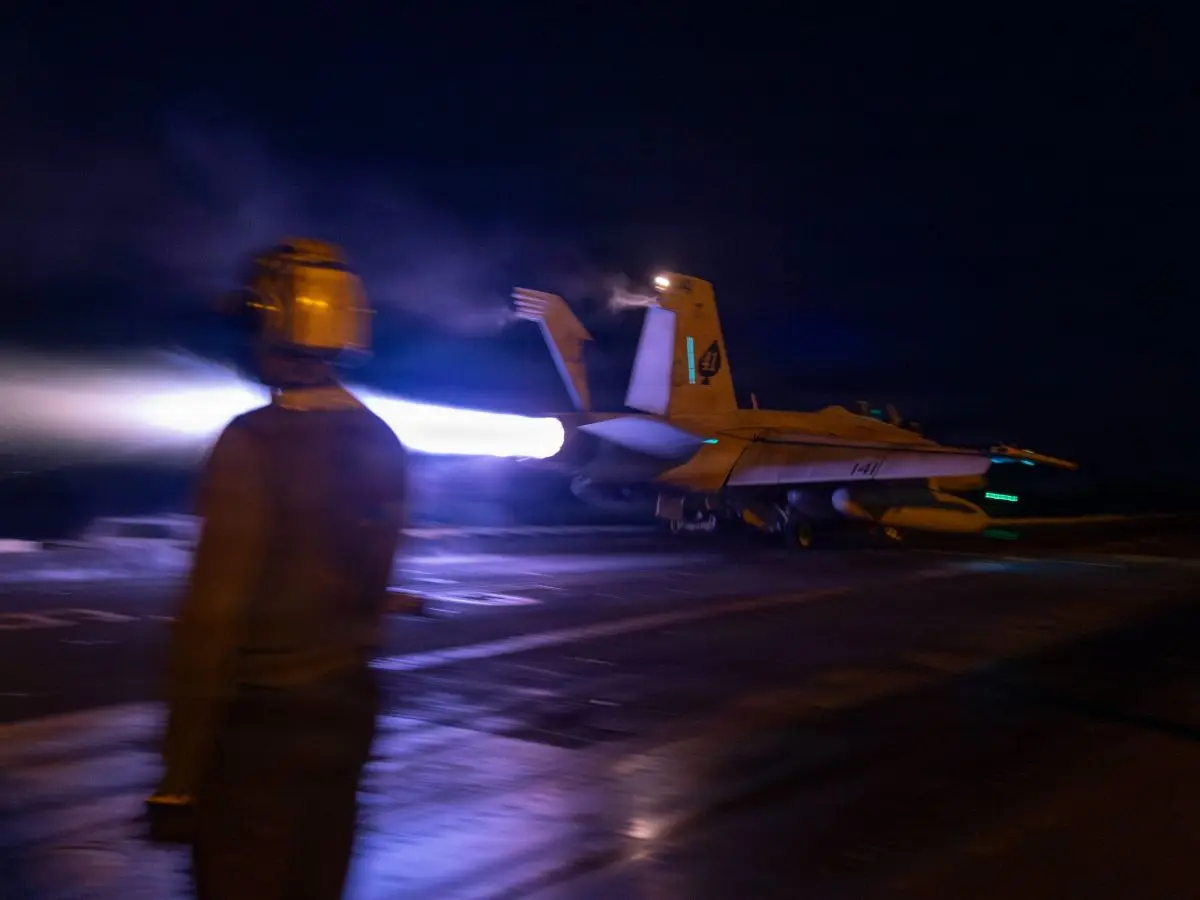
The Mighty Hydraulic Ram
Inside the engine room, the slack from the arresting wire is connected to an enormous, high-pressure hydraulic ram. As the jet catches the wire and pulls forward, the massive ram piston is violently accelerated, forcing hydraulic fluid through a highly calibrated control valve. This controlled displacement of fluid is what acts as the actual brake for the multimillion-dollar aircraft.
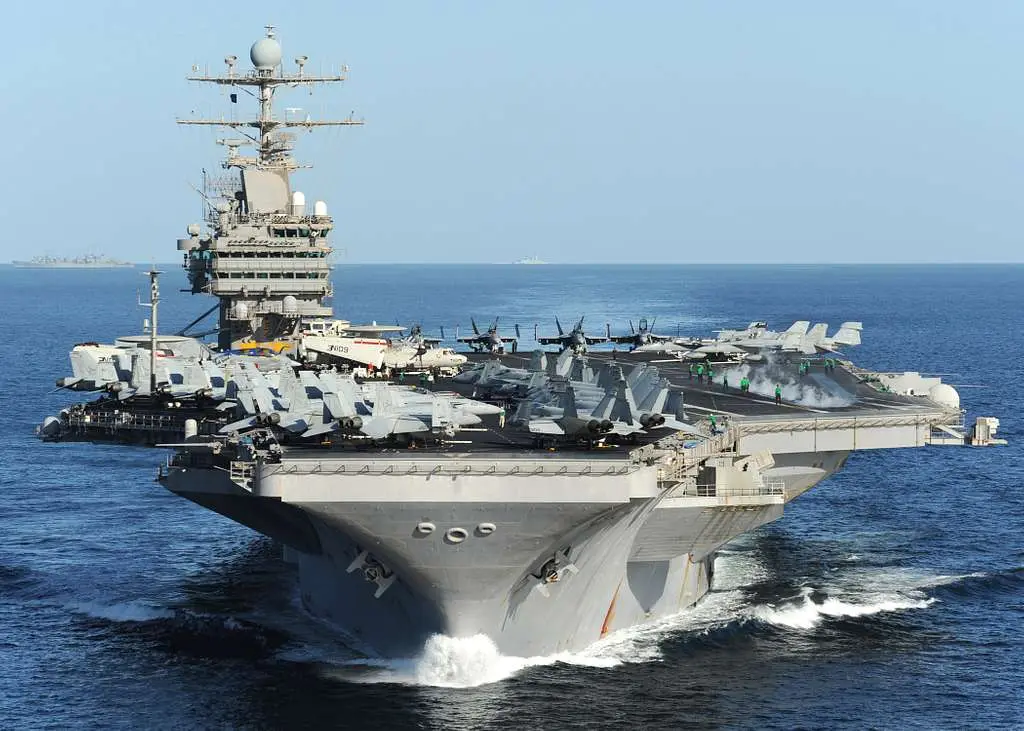
The Scent of Boiling Fluid
The laws of physics dictate that the massive kinetic energy absorbed by the ram cannot just disappear; it must be converted into heat. In the span of two seconds, the friction generated inside the control valve is so extreme that the hydraulic fluid instantly superheats, bordering on the boiling point. The room perpetually smells of hot grease, vaporized oil, and burning machinery.
A Room Tearing Itself Apart
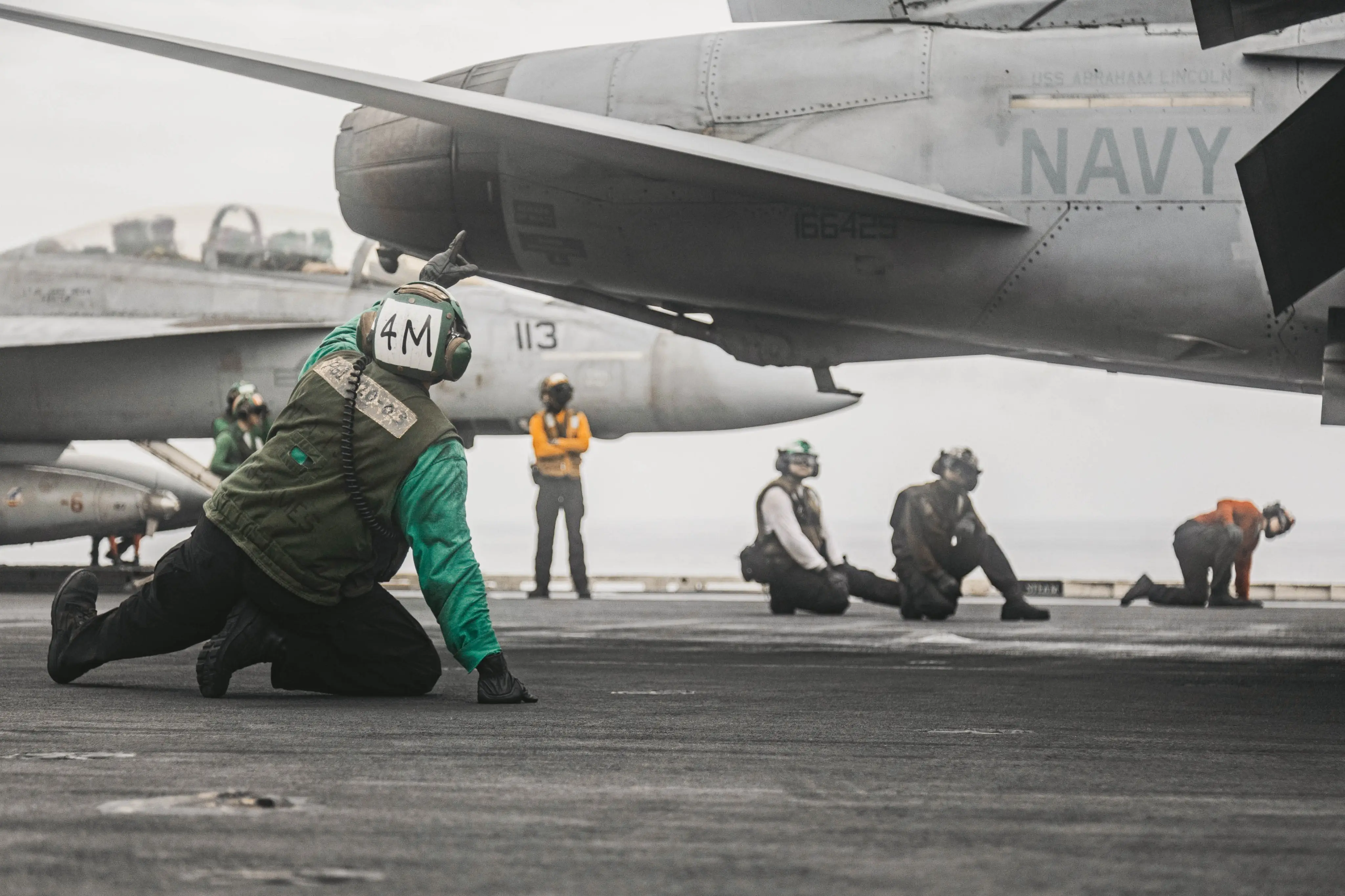
For the sailors standing watch inside the Arresting Gear Engine Room, every single landing feels like a miniature earthquake. As the jet yanks the cable, the entire compartment groans and shudders violently under the immense mechanical stress. The sheer acoustic impact is deafening, making the steel hull reverberate as if the ship is actively tearing itself apart.
The Water Cooling Lifeline
To prevent the hydraulic fluid from completely boiling over and destroying the braking system, the engines are constantly flooded with chilled water. A robust heat exchange system violently cycles the superheated fluid back down to operational temperatures within seconds, preparing the massive engine for the next jet to land less than a minute later.
Maintaining the Beast
Sailors responsible for maintaining the arresting gear work in extremely hazardous, greasy, and deafening conditions. A catastrophic failure in this room wouldn't just be an engineering problem; it would mean a fighter jet plunging off the angled deck of the carrier into the ocean. Their relentless maintenance ensures the violence stays safely confined to the fluid, rather than the flight deck.
)
)
)
)
)