Boeing Starliner returns to Earth, concluding uncrewed test flight mission


Starliner docking at International Space Centre (Representative image)
Starliner docking at International Space Centre (Representative image)
![Engineers inspecting Starliner [NASA]](https://cdn.wionews.com/sites/default/files/2022/05/26/265342-2-nasa.jpeg)
Engineers inspecting Starliner [NASA]
The gumdrop-shaped spaceship landed at White Sands Space Harbor at 4:49 pm local time (2249 GMT), its descent slowed by a sequence of parachutes before inflating its airbags. Boeing engineers also had to improvise a workaround for a thermal control defect during the final approach of the capsule to the space station.
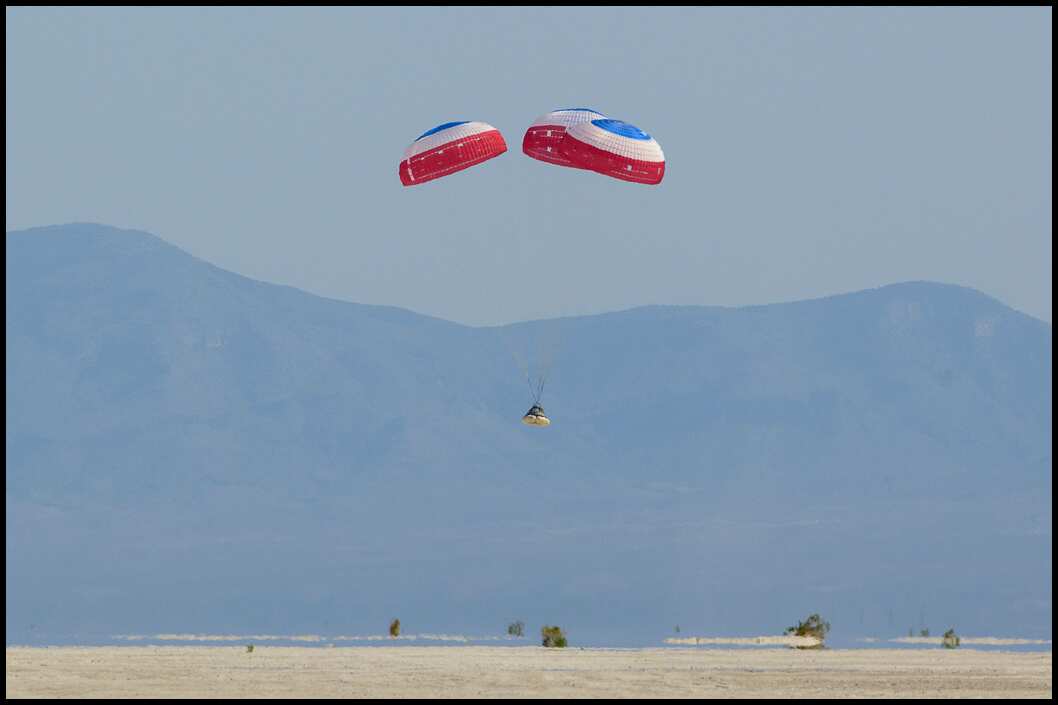
Inflated airbags aiding Starliner landing
Having shed most of its velocity, it deployed a sequence of parachutes culminating in its three giant main chutes, coloured red, white and blue. At 3,000 feet (915 meters), it jettisoned its base heat shield -- revealing airbags that inflated to aid a gentle landing.
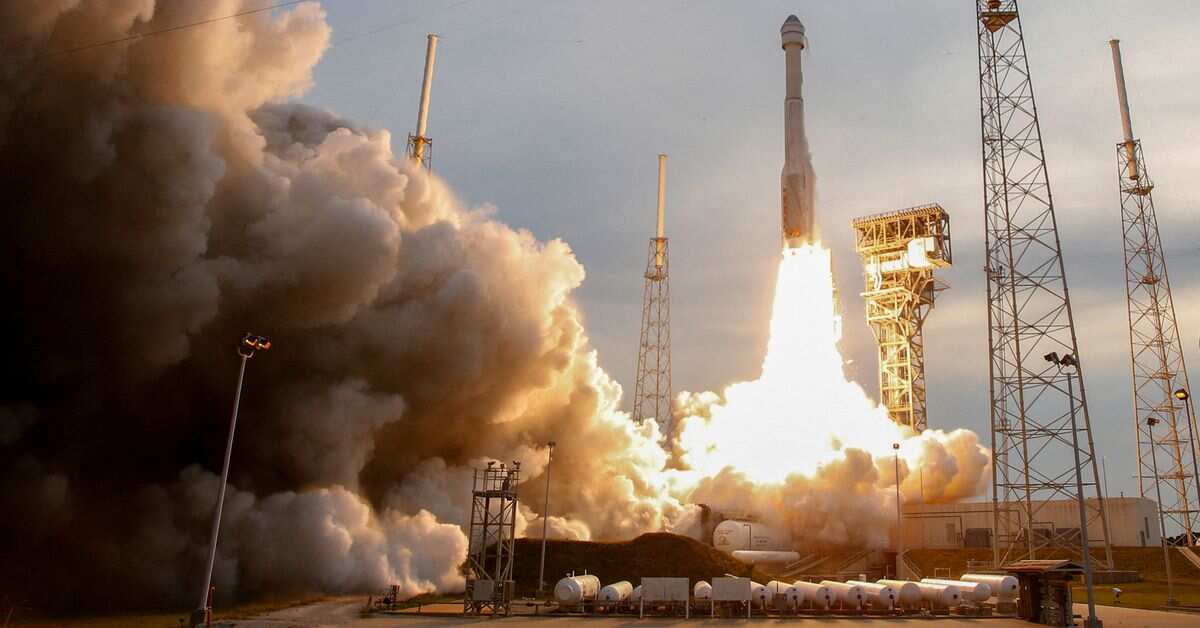
Starliner taking off for the high-stake test flight
Orbital Flight Test-2 (OFT-2) was the last hurdle for Starliner to clear before it carries humans in another test flight due to take place by the end of this year. NASA is looking to certify Starliner as a second "taxi" service for its astronauts to the space station -- a role that Elon Musk's SpaceX has provided since succeeding in a test mission for its Dragon capsule in 2020.
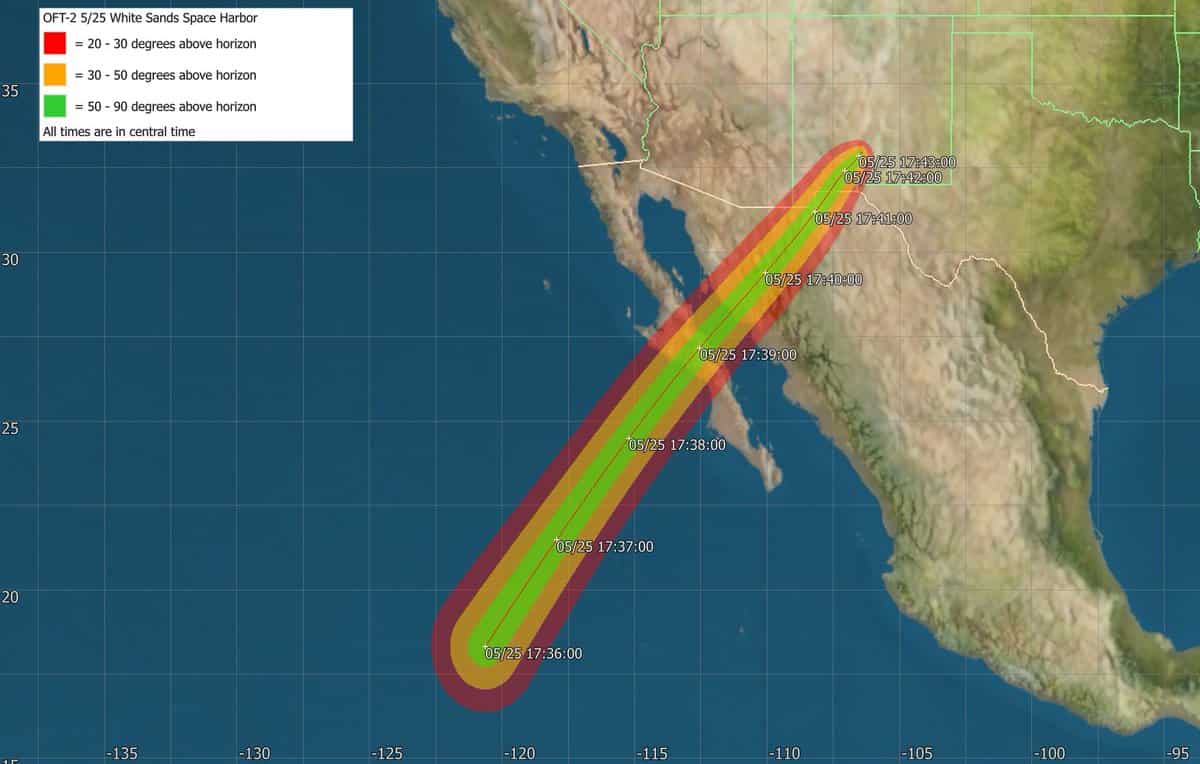
Starliner's five-hour trip from the space station
The roughly five-hour return trip from the space station, an orbital outpost some 250 miles above Earth, checks off the last leg of a repeat test flight that Boeing had first attempted in 2019, but failed to complete after running into software failures.
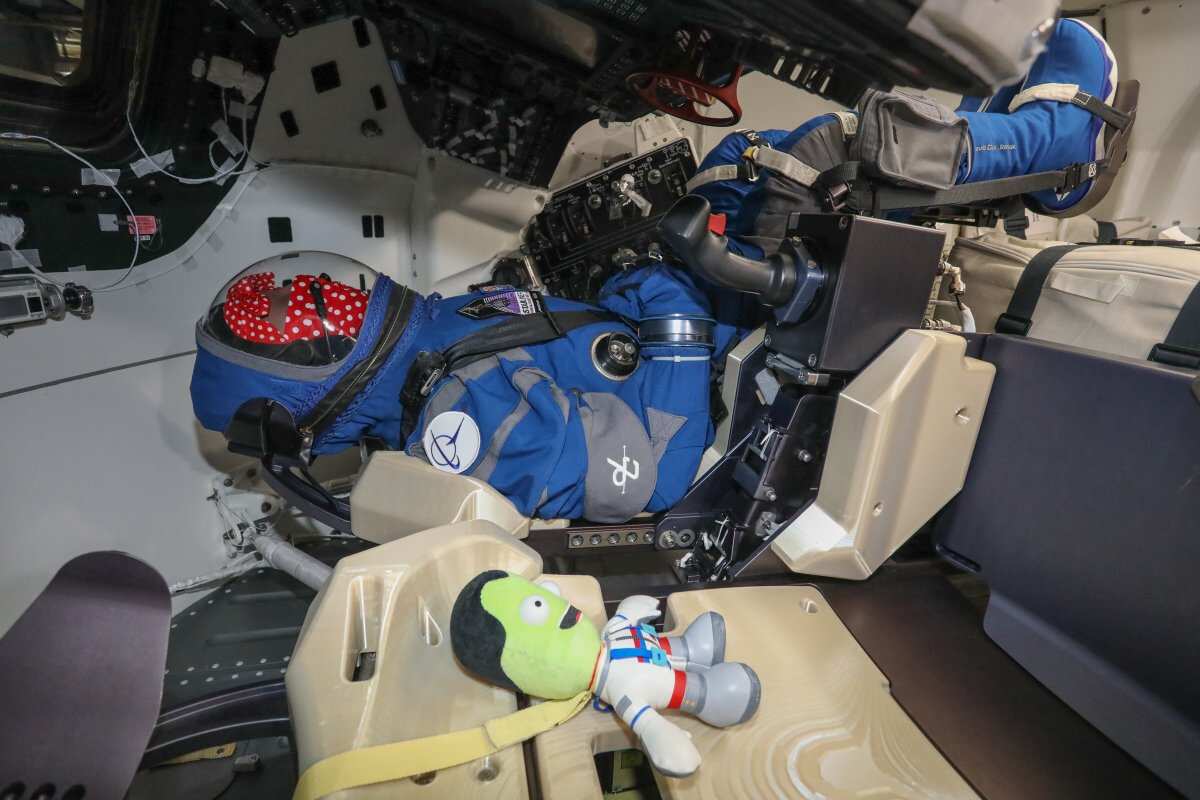
From failure in 2019 to smooth return trip to ISS in 2022
An ill-fated first orbital test flight of Starliner in late 2019 nearly ended with the vehicle's loss following a software glitch that effectively foiled the spacecraft's ability to reach the space station. On the day of docking also, the vessel missed its scheduled contact time by more than an hour, after a ring responsible for latching on to the station failed to deploy correctly. Engineers had to retract the ring and pop it out again before it worked the second time.
)
)
)
)
)