Blood Falls, volcanoes and meteorites: 7 incredible Antarctic mysteries that challenge science

Beneath its icy surface, the continent harbours mysteries that continue to intrigue scientists and explorers alike. Its extreme environments and unique phenomena continue to captivate scientists, offering a glimpse into the Earth's past and the potential for life beyond our planet.
Introduction
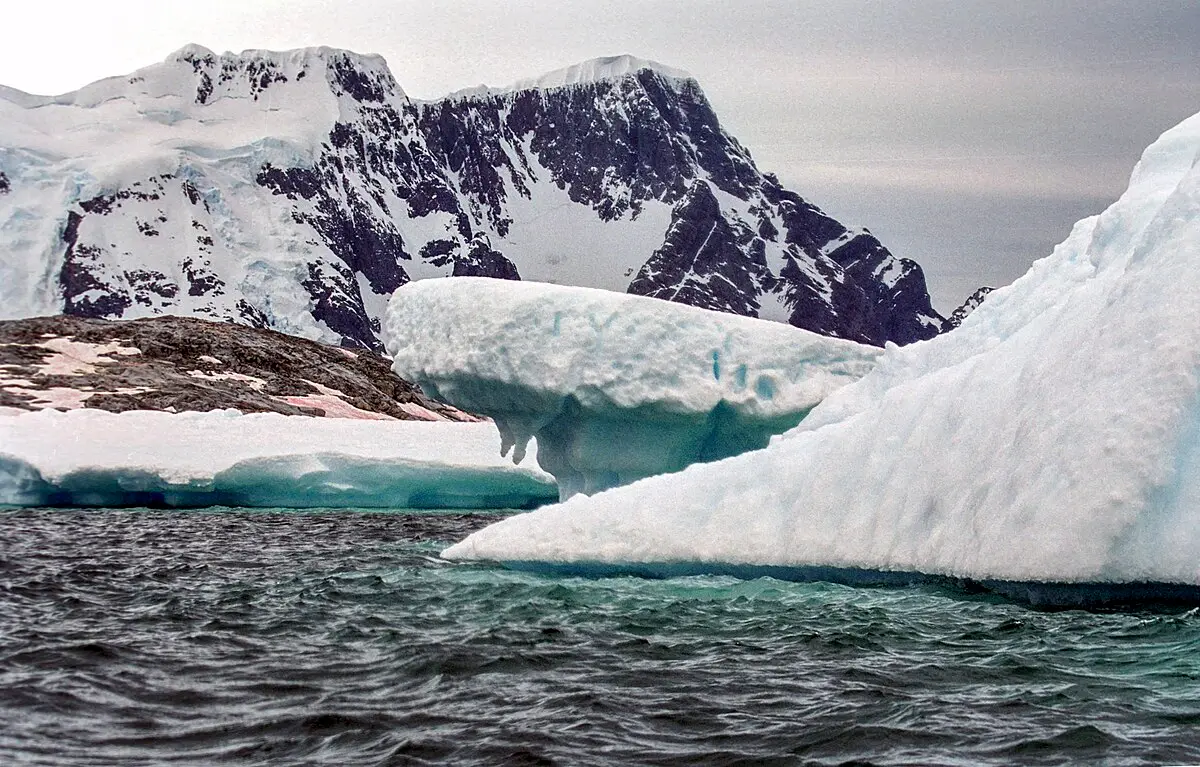
Antarctica, often perceived as a desolate and lifeless expanse, conceals a wealth of phenomena that challenge our understanding of life, geology, and the cosmos. Beneath its icy surface, the continent harbours mysteries that continue to intrigue scientists and explorers alike.
1. Blood Falls
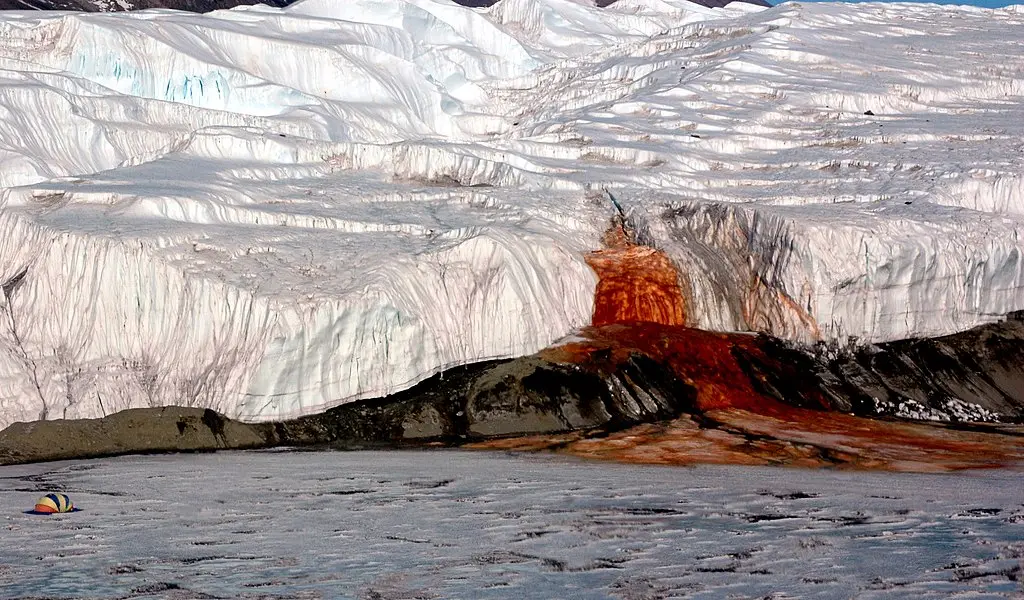
Located in the McMurdo Dry Valleys, Blood Falls is a striking red waterfall that stains the white ice with its vivid hue. The source of this phenomenon is a subglacial lake beneath the Taylor Glacier, where iron-rich brine emerges and oxidises upon contact with the air, creating the blood-red appearance. This unique occurrence offers insights into microbial life thriving in extreme conditions, as the lake's isolation has preserved ancient ecosystems.
2. Mount Erebus
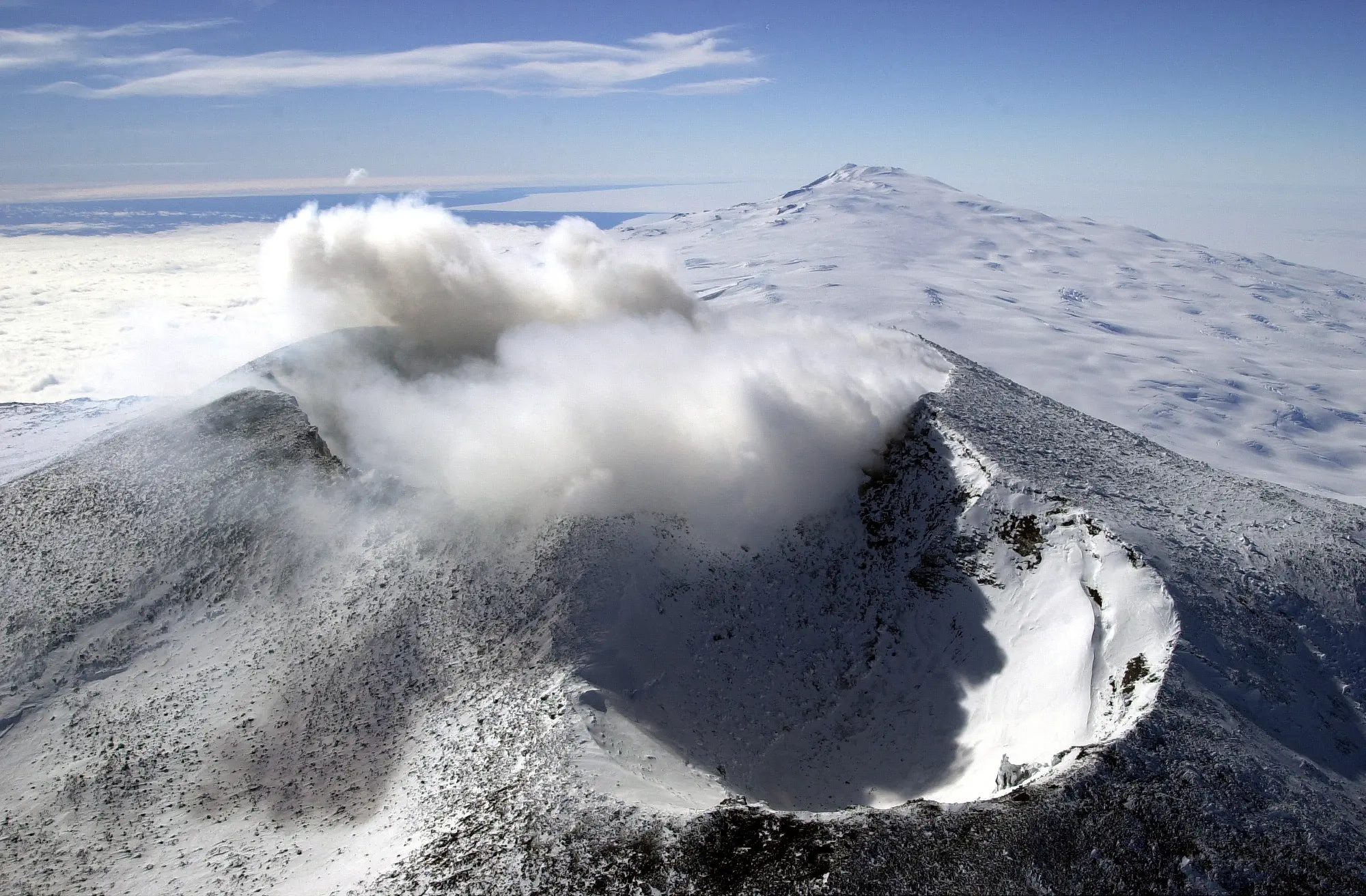
Mount Erebus, situated on Ross Island, is the world's southernmost active volcano. It features a persistent lava lake and exhibits continuous eruptive activity, including the release of gas, steam, and volcanic bombs. Uniquely, Erebus also emits tiny flecks of metallic gold into the atmosphere. These gold particles, up to 60 micrometres in size, are carried away by wind currents and have been found as far as 1,000 kilometres from the volcano. Despite producing an estimated 80 grams of gold daily, the gold is too diluted for feasible extraction.
3. Subglacial Lakes
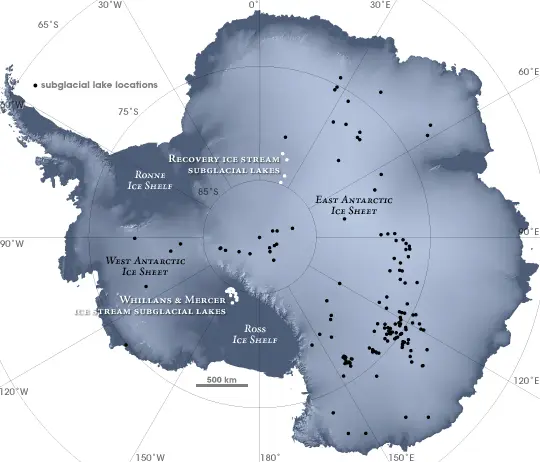
Antarctica's subglacial lakes, such as Lake Vostok and Lake Whillans, lie buried beneath kilometres of ice. These isolated bodies of water have been sealed off from the atmosphere for millions of years, creating unique environments that may harbour undiscovered microbial life forms. Studies have revealed diverse microbial communities in these lakes, including species that rely on minerals in the water for energy, rather than sunlight. These findings challenge our understanding of life's adaptability and resilience.
4. Meteorite Stranding Surfaces
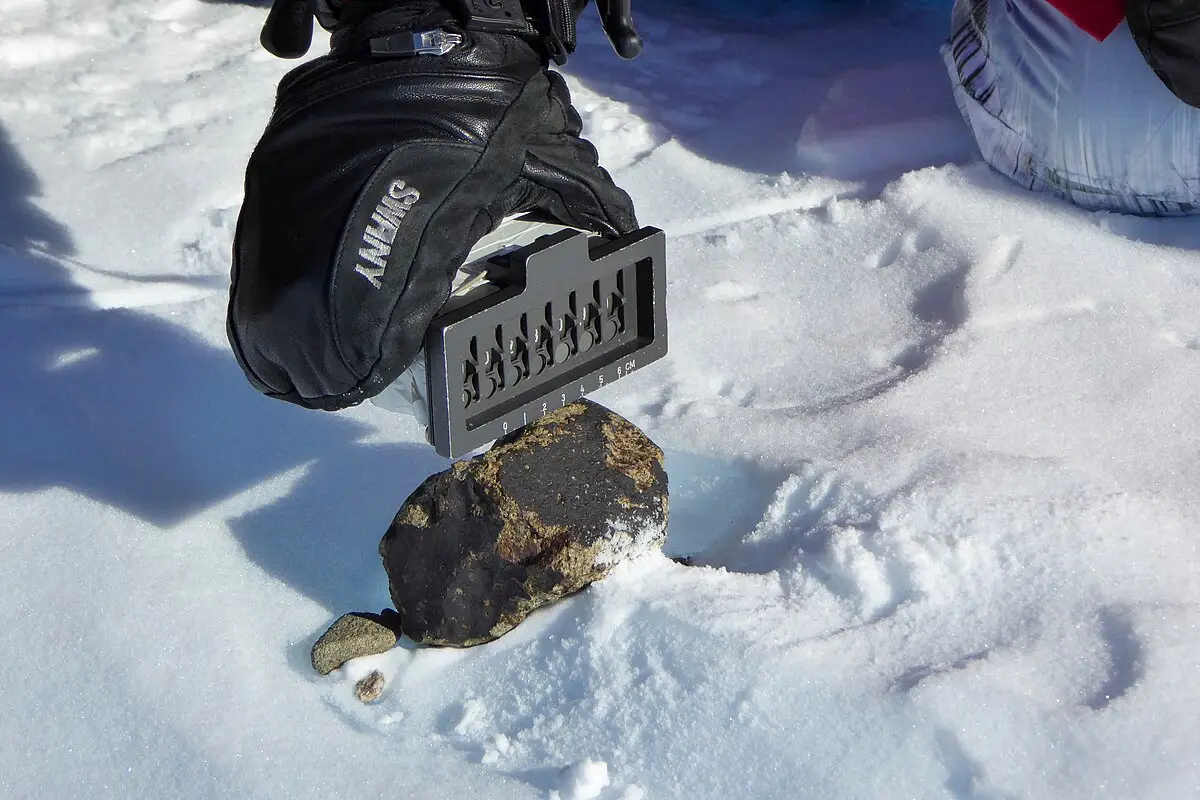
The icy expanse of Antarctica serves as a natural collector for meteorites. The contrast between the dark meteorites and the white snow makes them easier to spot. Since 1976, the Antarctic Search for Meteorites (ANSMET) program has recovered over 23,000 meteorite specimens from the Transantarctic Mountains. These ancient space rocks offer a direct link to the early solar system, providing valuable information about its formation and the materials that existed billions of years ago.
5. The ANITA Anomaly
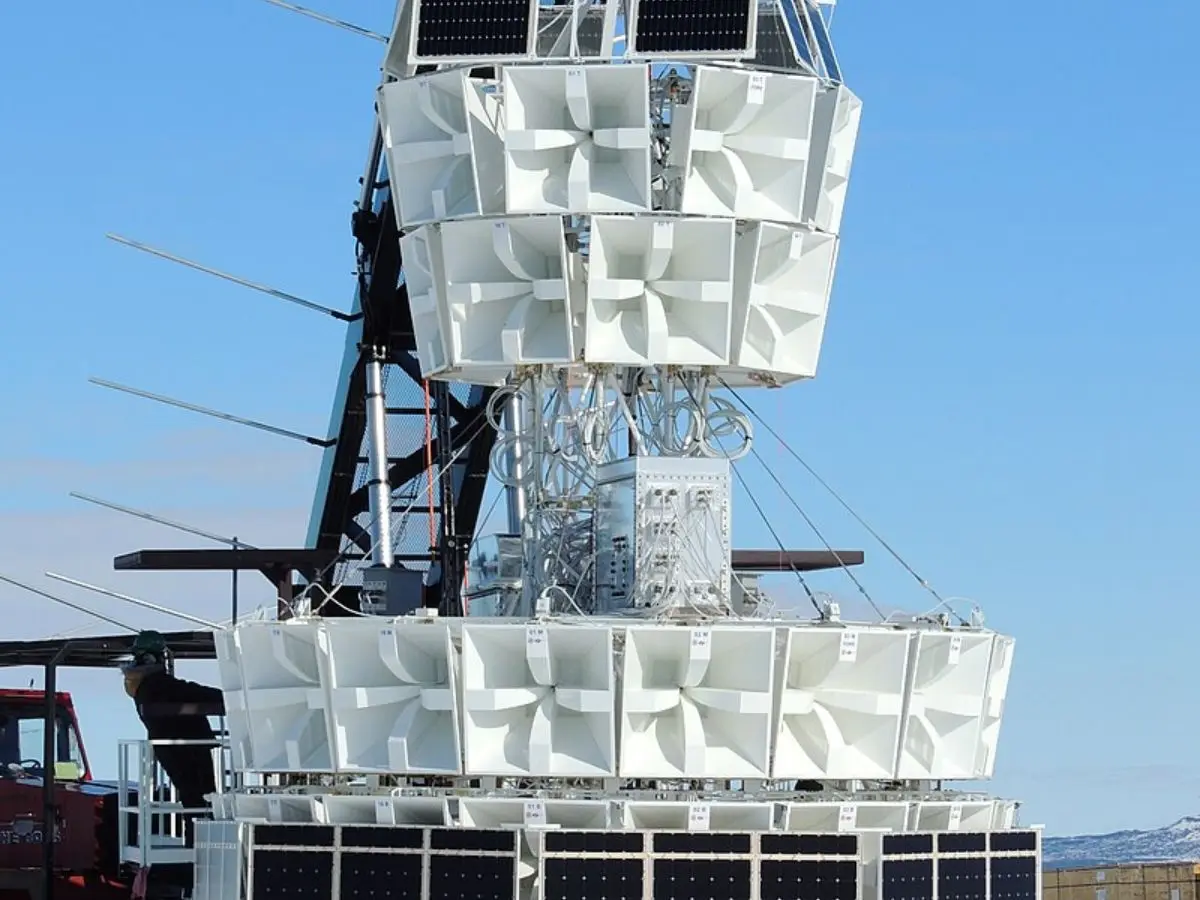
The Antarctic Impulsive Transient Antenna (ANITA) experiment, designed to detect high-energy cosmic neutrinos, recorded unexpected events that defied current physics models. These anomalies suggest the possibility of new physics beyond the Standard Model, prompting further investigations into the fundamental particles of the universe.
6. Lake Whillans: A Subglacial Microbial World
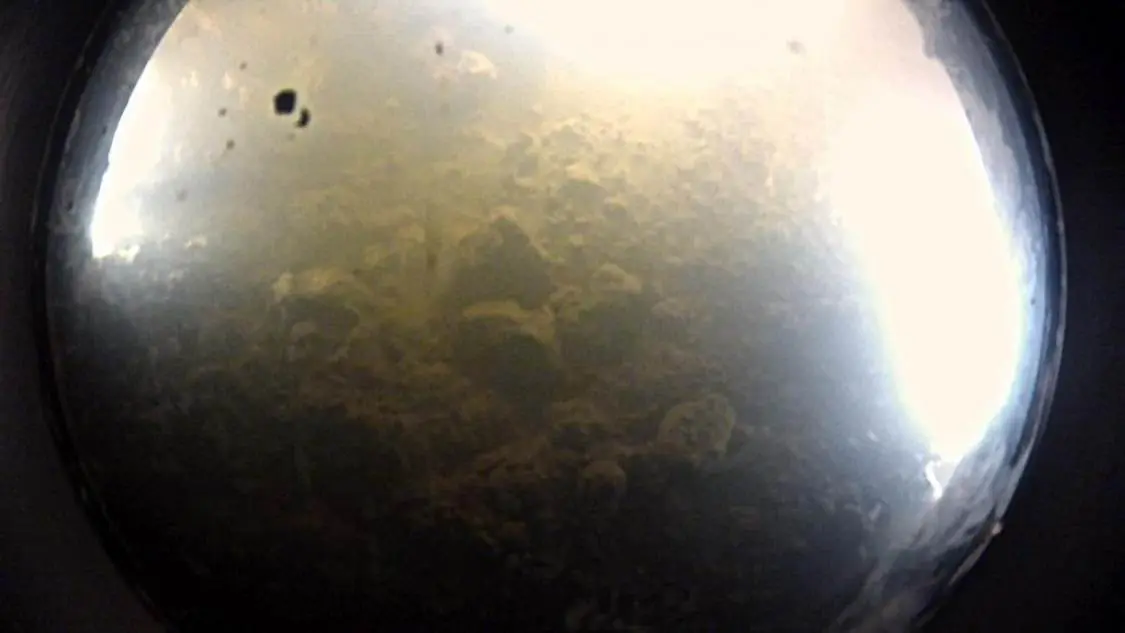
Lake Whillans, a subglacial lake beneath the West Antarctic Ice Sheet, has been the focus of scientific drilling projects. Samples retrieved from its waters revealed the presence of microbial life, including bacteria and archaea, existing in complete darkness and under high pressure. These findings challenge our understanding of life's adaptability and resilience.
7. The Dry Valleys
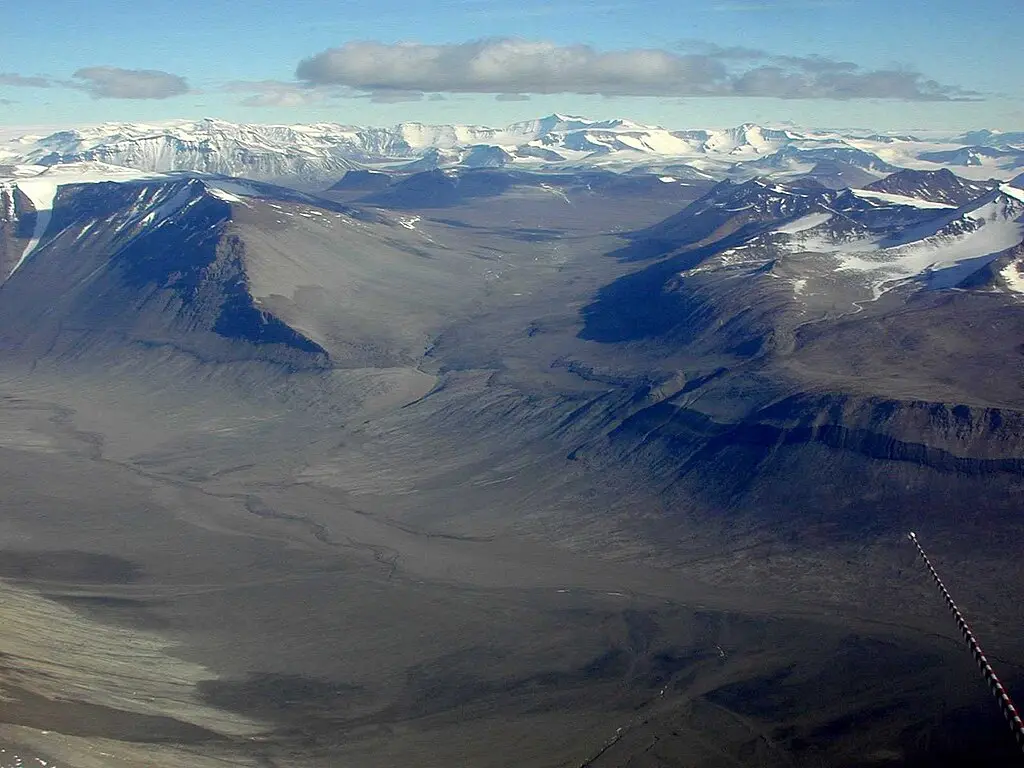
The McMurdo Dry Valleys are one of the driest and most extreme environments on Earth, often compared to conditions on Mars. Their unique ecosystem, devoid of snow and ice, offers a valuable analogue for studying extraterrestrial life and understanding how life might survive on other planets with harsh climates.
)
)
)
)
)