Blending ancient practices with modern science: Significance of traditional medicine centre in India

Traditional medicine centre in India
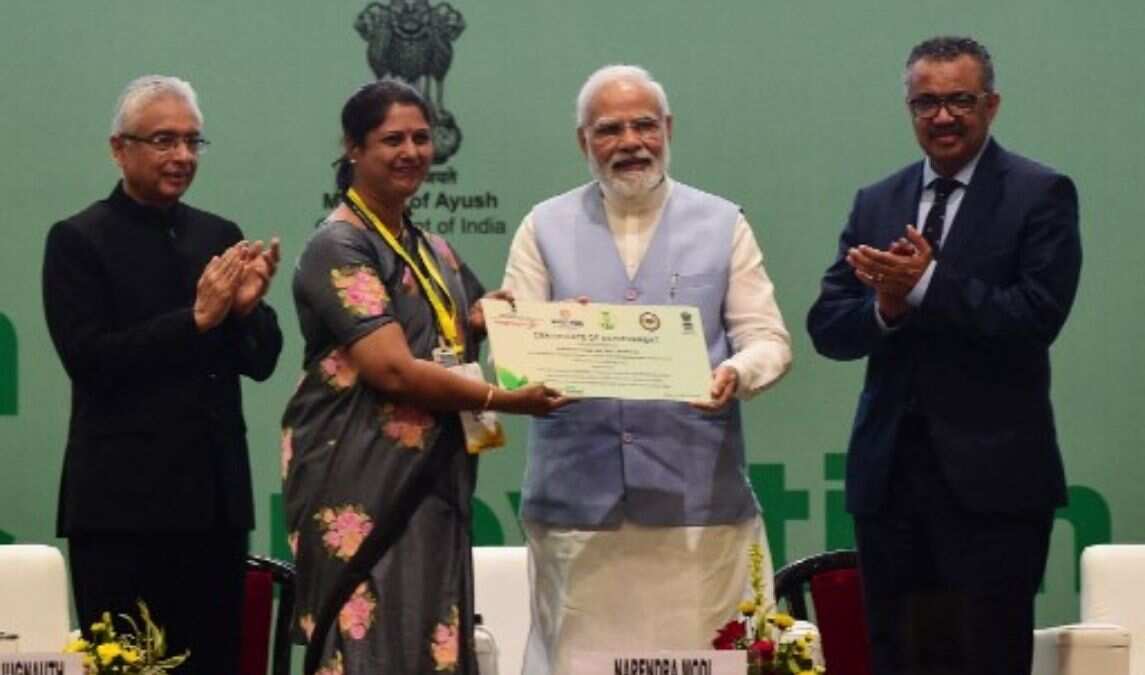
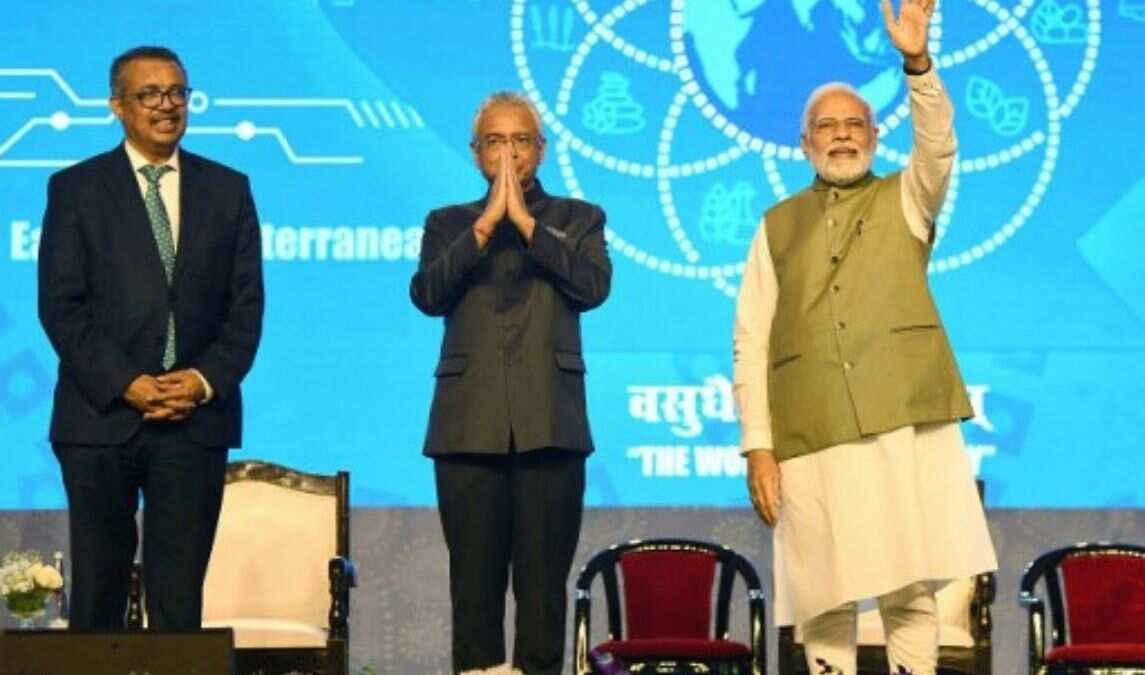
Indian Prime Minister Narendra Modi on Tuesday (April 19) laid the foundation stone of the World Health Organization (WHO) Global Centre for Traditional Medicine in Gujarat's Jamnagar.
The foundation stone was laid in the presence of the Prime Minister of Mauritius Pravind Kumar Jugnauth and Dr Tedros Ghebreyesus, Director-General, World Health Organization (WHO).
PM Modi calls it a 'ground-breaking' ceremony
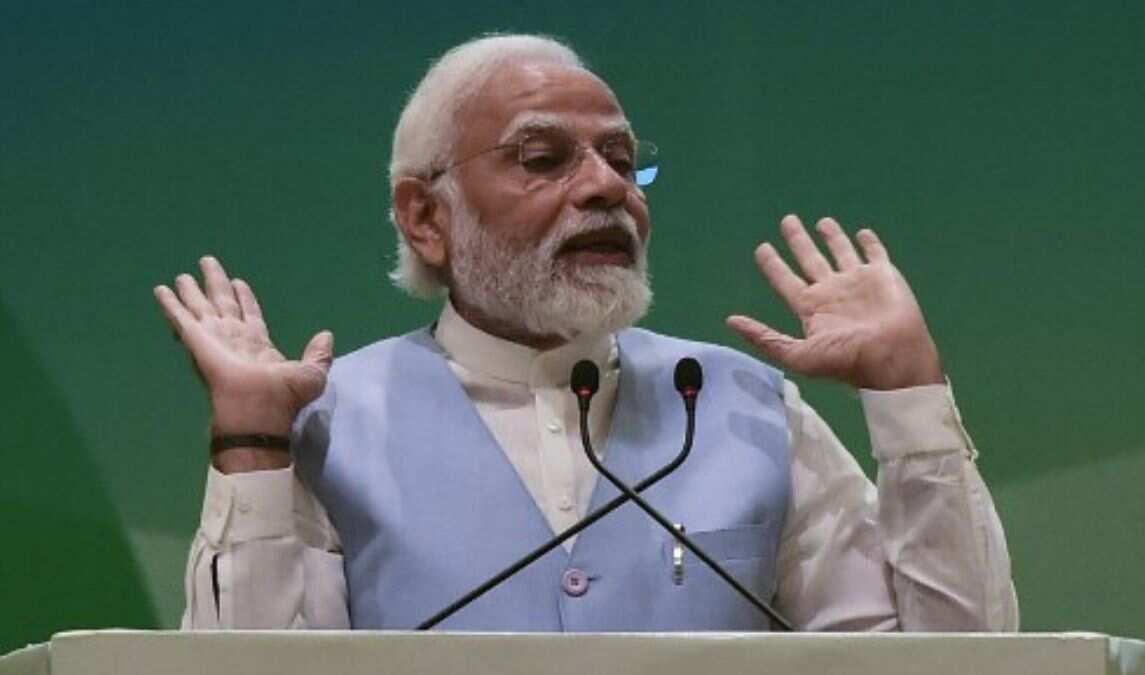
"When India is celebrating 75 years of its Independence right now, this ground-breaking ceremony for this centre marks the beginning of a new era of traditional medicine in the world during the next 25 years," Modi said on this occasion.
"Looking at the increasing popularity of holistic healthcare, I am confident that traditional medicine and this centre will become very important for each and every family of the world after 25 years, when India will be celebrating 100 years of independence," he added.
Nepal PM lauds India
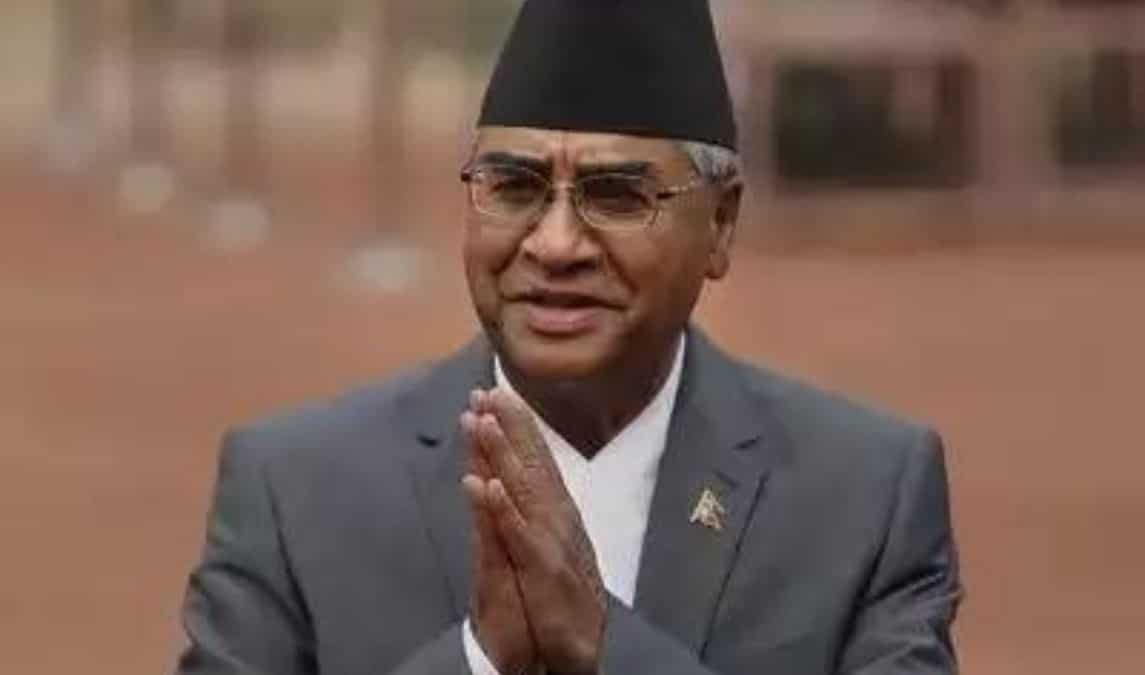
Nepal Prime Minister Sher Bahadur Deuba lauded India's rich legacy of traditional medicine practices and called it a "leader" in Ayurveda.
Speaking via a video message, Deuba said, "As global health programmes continue to increase, the role of traditional medicine is vital in ensuring holistic health care including affordable health care, prevention of diseases, and overall improvement in human health."
"Our region is rich in traditional medicines since ancient times. Nepal and India are home to this biodiversity in herbs and medicinal plants," he added.
Significance of the centre
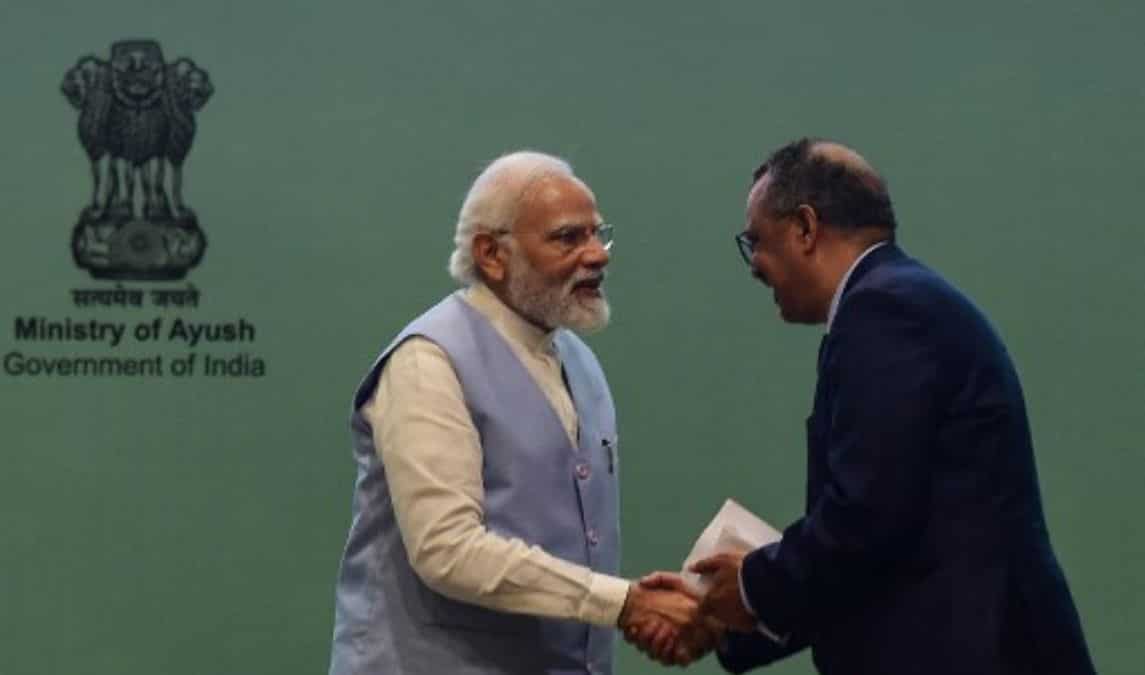
Global Centre for Traditional Medicine (GCTM) will be the first and only global outpost centre for traditional medicine across the world. It will emerge as an international hub of global wellness.
A game-changer for health?
The GCTM knowledge hub is intended to create a body of reliable evidence and data on traditional medicine practices and products to help inform standards and the cost-effective use of methods that go outside conventional medicine.
"Harnessing the potential of traditional medicine would be a game-changer for health when founded on evidence, innovation and sustainability," the WHO said, noting that traditional medicine formed part of the growing health and wellness industries.
What are the strategic areas of GCTM
The hub will focus on four strategic areas: evidence and learning; data and analytics; sustainability and equity; and innovation and technology.
It is hoped that a solid evidence base will help countries regulate quality and safety.
Of the WHO's 194 member states, 170 acknowledged their use of traditional and complementary medicine since 2018, but only 124 reported having laws or regulations for the use of herbal medicines -- while only half had a national policy on such methods and medicines.
Medicines deriving from natural substances
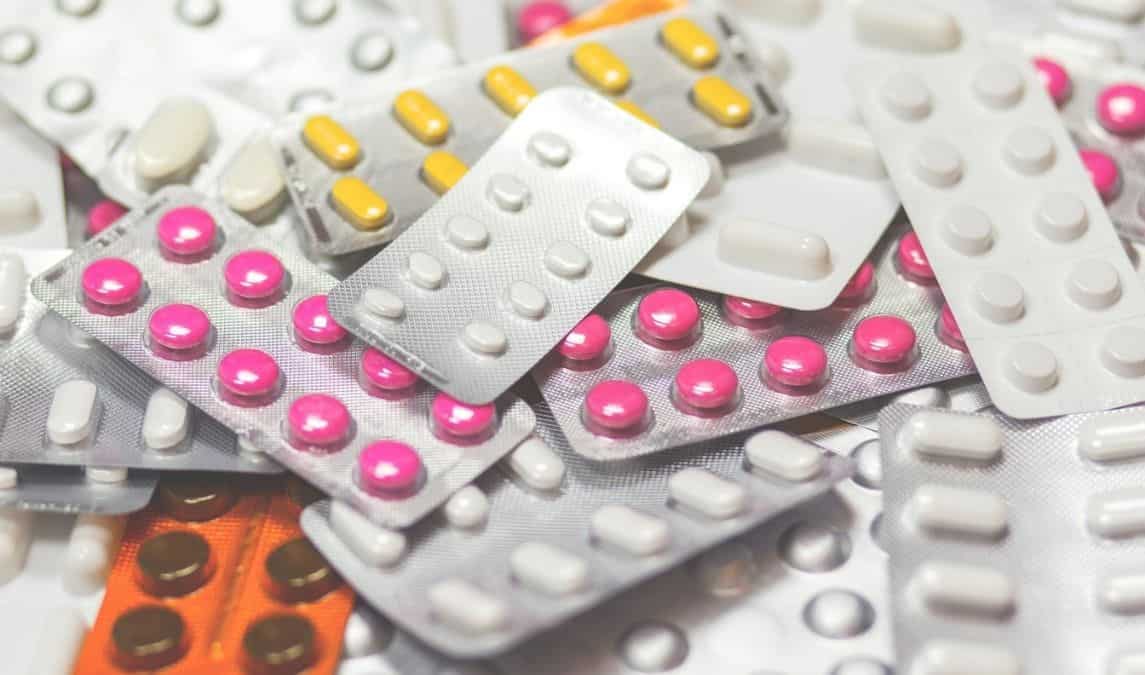
The WHO said that traditional medicine was increasingly prominent in modern science, with 40 per cent of approved pharmaceutical products currently in use deriving from natural substances.
It cited aspirin drawing on formulations using willow tree bark; the contraceptive pill being developed from wild yam plant roots; child cancer treatments based on the rosy periwinkle; and the development of the anti-malaria treatment artemisinin drawing on ancient Chinese medicine texts.
The UN health agency said artificial intelligence was now used to map evidence and trends in traditional medicine and to screen natural products for pharmacokinetic properties.
(With inputs from agencies)
)

)
)
)