B-2 Bomber vs F-35 vs Blackbird: What’s the difference between these war-time fighter jets?

Each of these aircraft represents a different philosophy of air warfare. The SR-71 was about speed and altitude to escape detection, the B-2 is about stealth and endurance for strategic bombing, and the F-35 is about versatility, intelligence, and digital warfare.
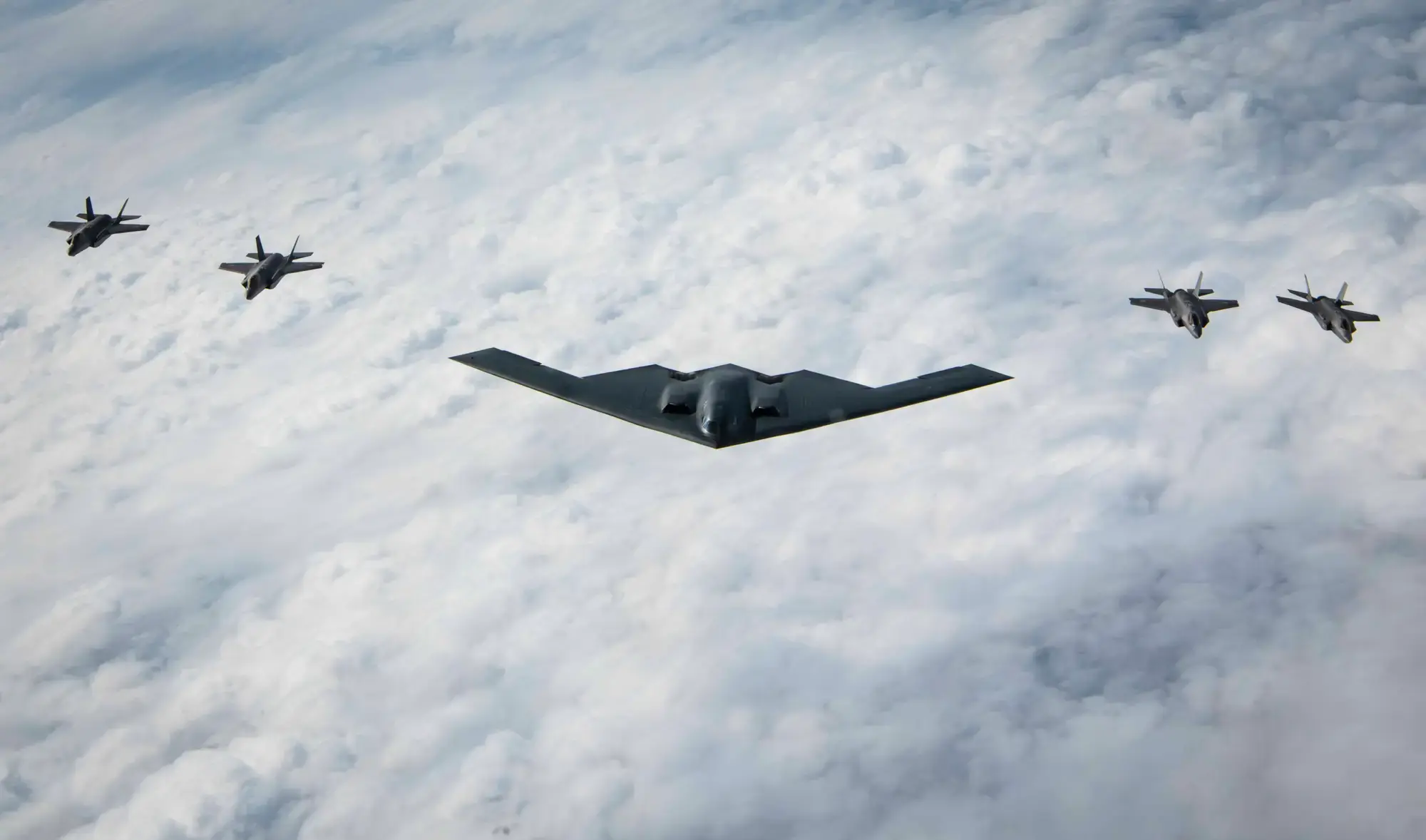
Blackbird vs B-2 Bomber vs F-35
They’re all stealthy, futuristic, and legendary in their own right. But the SR-71 Blackbird, B-2 Spirit Bomber, and F-35 Lightning II were each built for very different kinds of warfare. From spying at Mach 3 to dropping nukes undetected, here’s how these iconic aircraft compare and why each one rewrote the rules of aerial dominance.
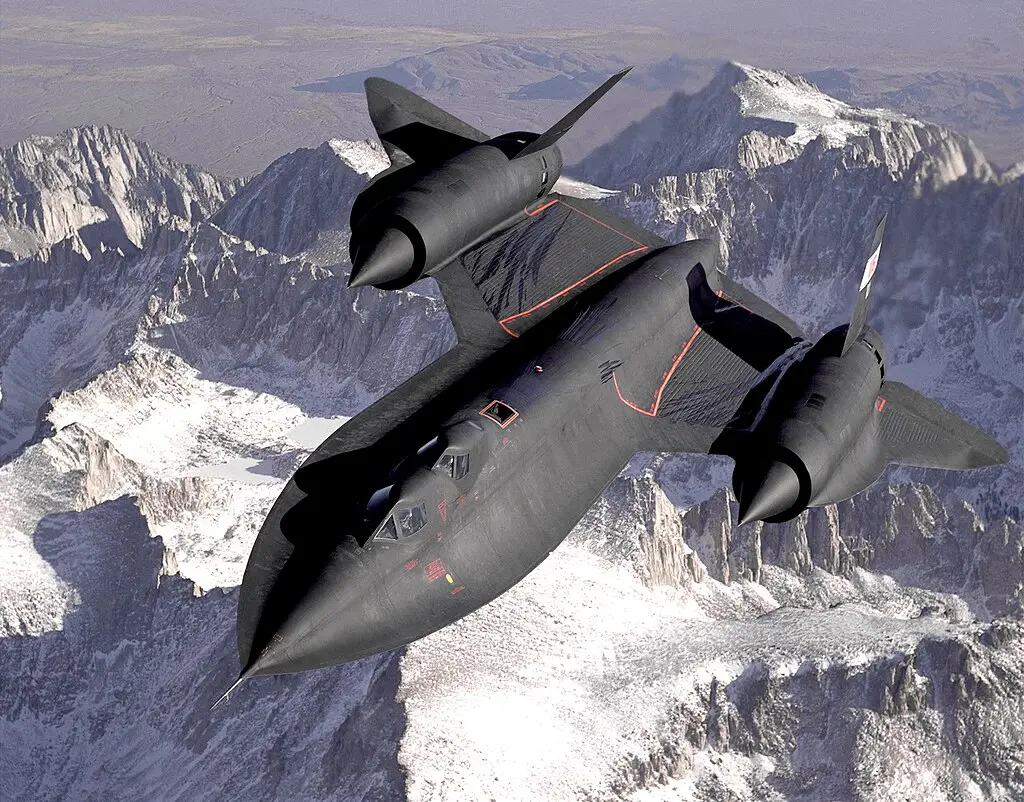
SR-71 Blackbird
The SR-71 Blackbird, built by Lockheed’s secretive Skunk Works division in the 1960s, was a strategic reconnaissance aircraft designed to fly at over Mach 3 (more than 3,500 km/h) at 85,000 feet. Its job wasn’t to fight or drop bombs, it was to sneak into enemy airspace, take high-resolution images, and be gone before anyone could shoot it down. In over 30 years of service, no Blackbird was ever lost to enemy fire. It didn’t rely on stealth, it relied on speed and altitude. Its titanium body could withstand insane heat, and it often leaked fuel on the runway because it was built to seal tight only at high temperatures.
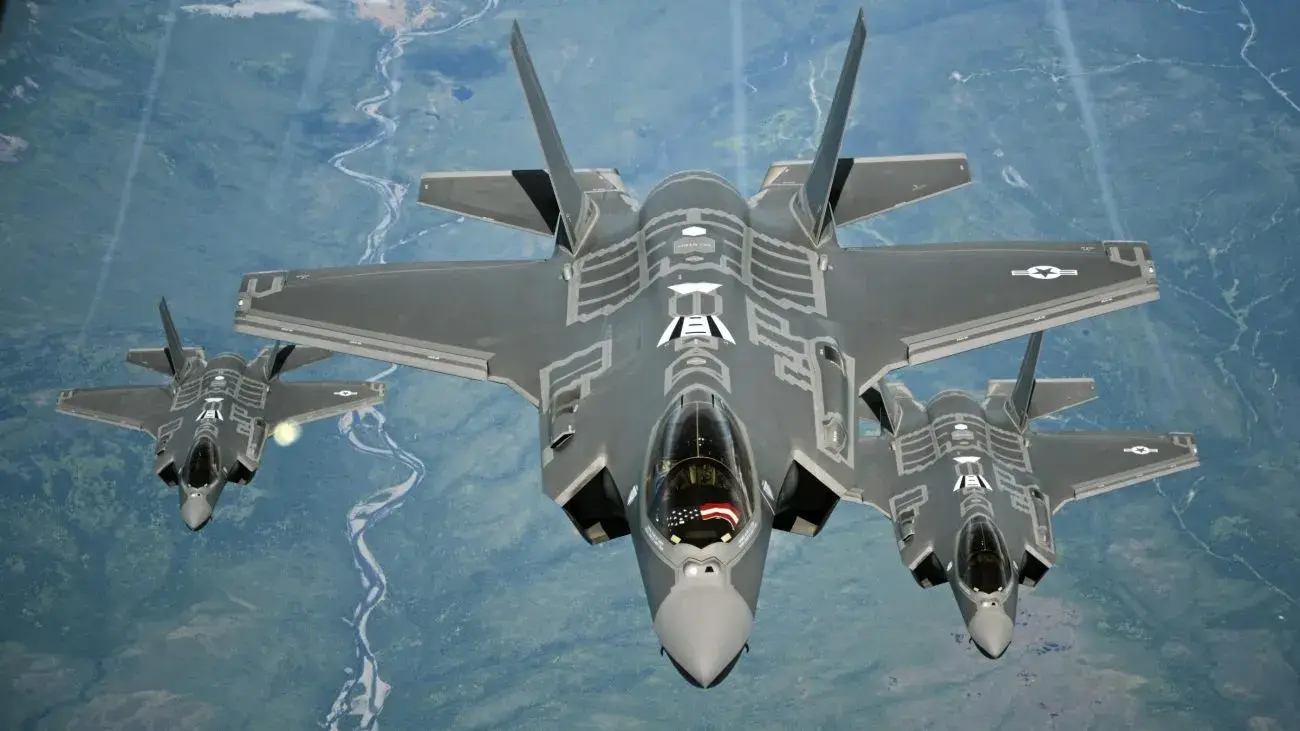
F-35 Lightning II
The F-35 is a fifth-generation stealth multirole fighter developed by Lockheed Martin. Unlike the Blackbird or B-2, the F-35 is designed to fight, spy, and survive, all at once. It comes in three variants: F-35A (conventional), F-35B (short takeoff/vertical landing), and F-35C (carrier-based). With radar-evading design, advanced electronic warfare systems, and data-sharing capability with ground and air units, it’s built to dominate air-to-air, air-to-ground, and ISR (intelligence, surveillance, reconnaissance) missions. It doesn’t just fight in the sky, it connects and controls the battlefield.
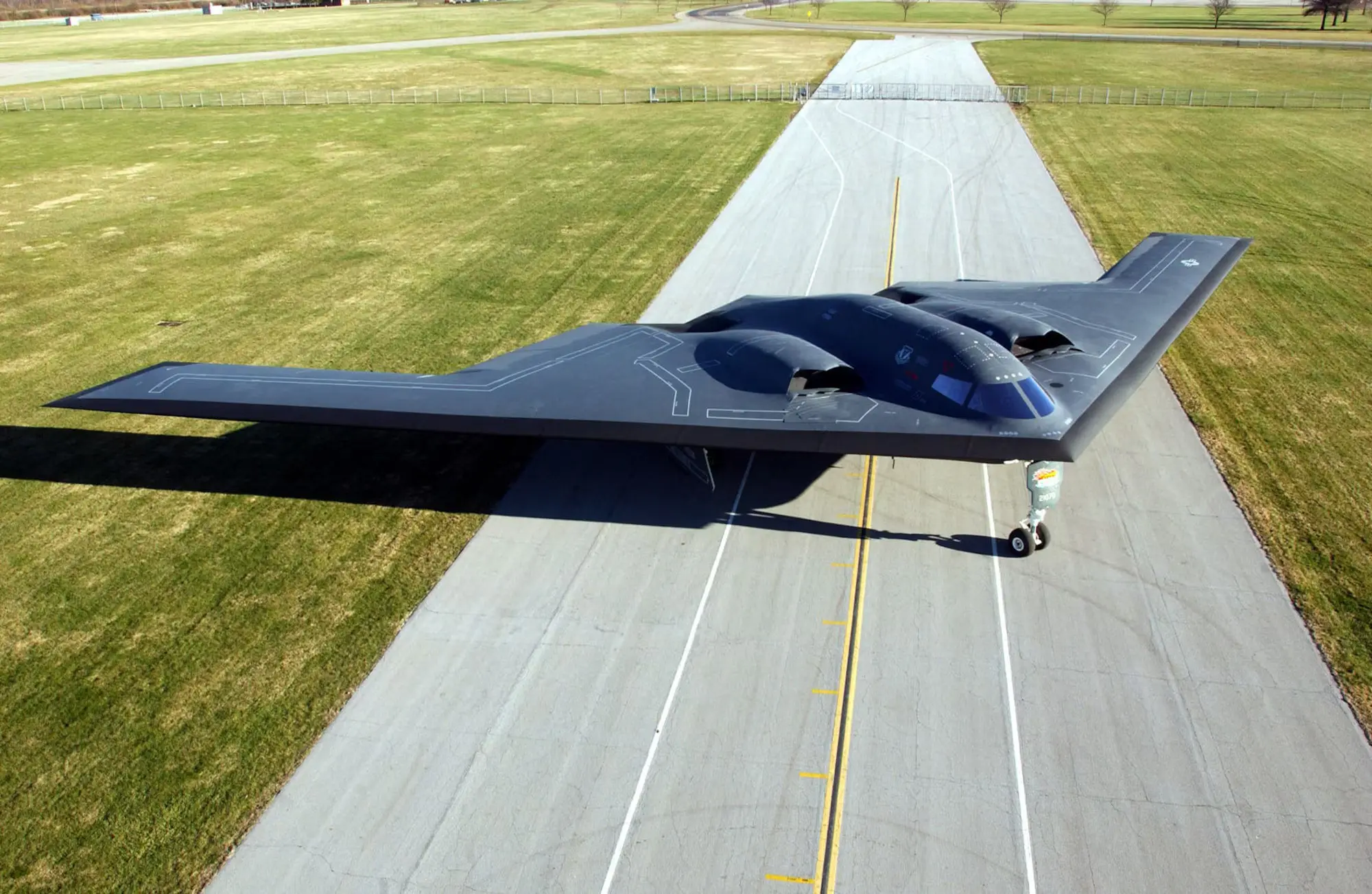
B-2 Spirit Bomber
The B-2 Spirit, developed by Northrop Grumman in the 1980s, is an ultra-stealth strategic bomber. Its sleek flying-wing design allows it to evade radar, making it one of the most undetectable aircraft ever built. The B-2 is primarily designed to carry nuclear and conventional bombs, deep into enemy territory, without ever being seen. It can fly intercontinental distances without refuelling and is capable of precision strikes on critical targets, all while flying through hostile airspace. The US only built 21 of them, each costing over $2 billion, making it one of the most expensive aircraft ever made.
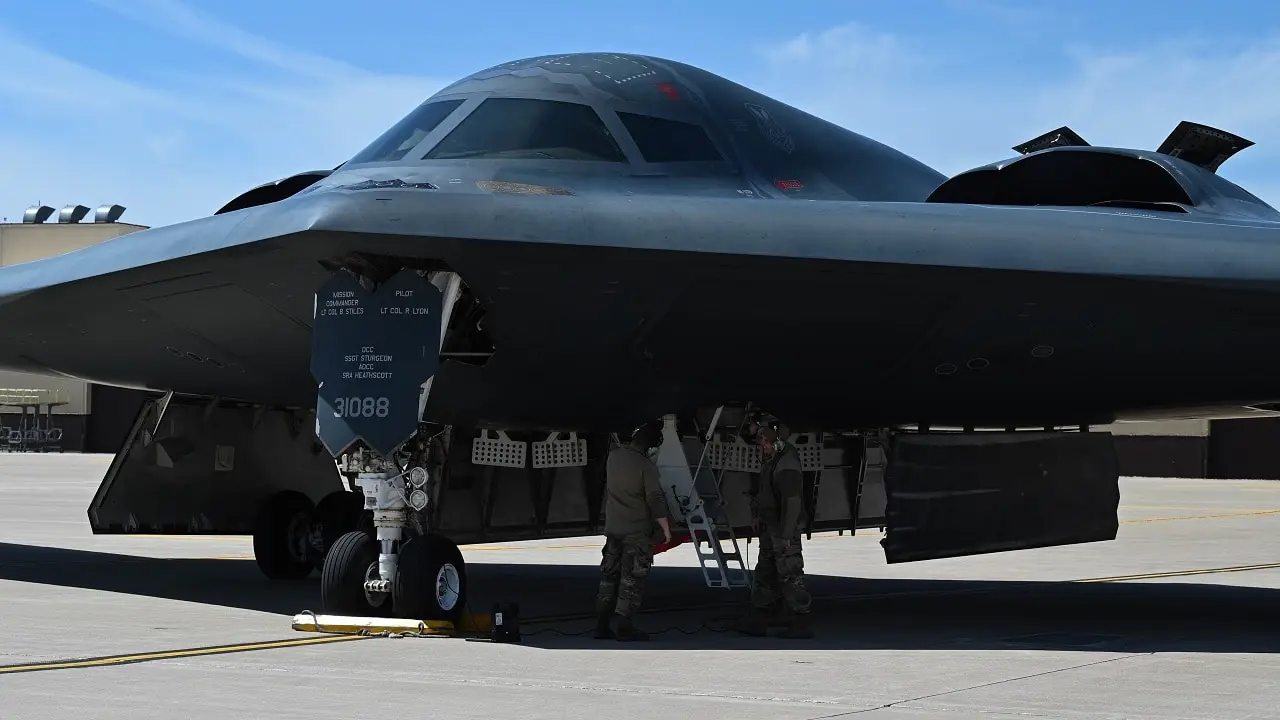
How These Jets Compare at a Glance
When comparing their top speeds: the SR-71 leads with Mach 3.3, followed by the F-35 at Mach 1.6, and the B-2 flies subsonically for stealth reasons. In terms of stealth, the B-2 and F-35 are near-invisible to radar, while the SR-71 relied on speed, not stealth. Crew-wise, the SR-71 and B-2 each require 2 pilots, while the F-35 is operated solo. When it comes to range, the B-2 has the longest reach, followed by the SR-71, with the F-35 having the shortest base range, though all can be refuelled mid-air.
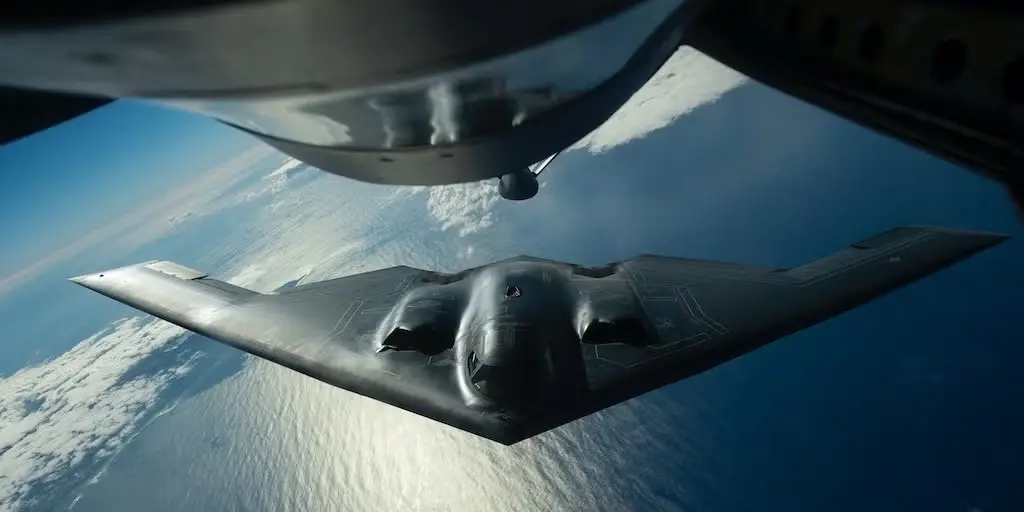
Why These Planes Are Built Differently
Each of these aircraft represents a different philosophy of air warfare. The SR-71 was about speed and altitude to escape detection, the B-2 is about stealth and endurance for strategic bombing, and the F-35 is about versatility, intelligence, and digital warfare. They were never meant to replace each other but together, they show how aerial combat has evolved from outrunning missiles to becoming invisible and interconnected.
)
)
)
)
)