Black Holes vs Wormholes: What’s the difference between these two cosmic objects?

When it comes to the mysteries of the cosmos, two concepts often spark curiosity and confusion, black holes and wormholes. While they’re sometimes mentioned together in science fiction, these space phenomena are fundamentally different in nature, purpose, and reality.
Definition
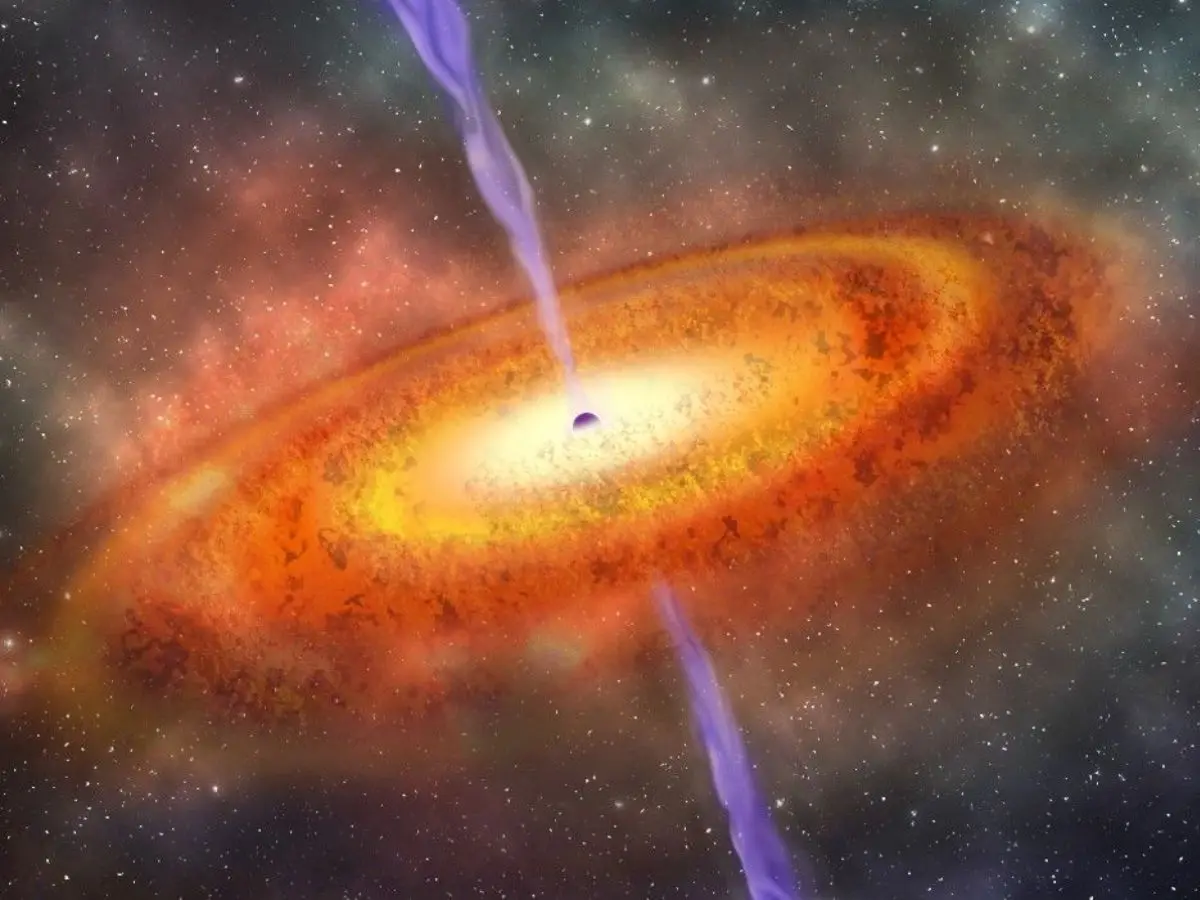
A black hole is a region of space where gravity is so strong that nothing, not even light, can escape. They are formed when massive stars collapse under their own gravity, creating a point of infinite density known as a singularity. In contrast, a wormhole is a theoretical concept in physics — essentially a tunnel-like passage through space-time that could connect two distant points in the universe. Unlike black holes, wormholes have never been observed and exist purely in mathematical equations and theoretical models.
Existence
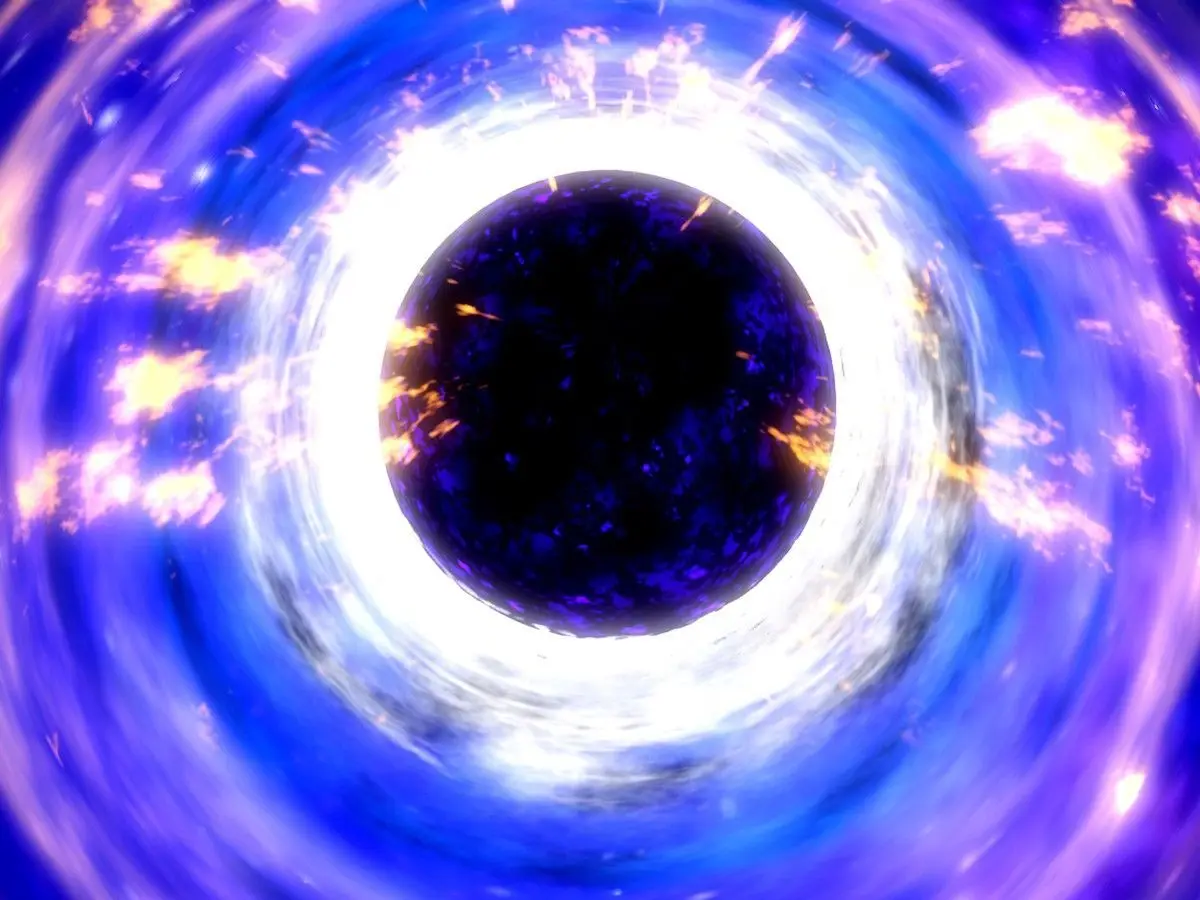
Black holes are no longer just theoretical predictions; their existence has been confirmed through multiple lines of evidence. Astronomers have observed stars orbiting invisible objects, detected gravitational waves from black hole mergers, and even captured the first-ever image of a black hole’s shadow in 2019. Wormholes, on the other hand, remain entirely hypothetical. There is no direct or indirect observational evidence of their existence, and many physicists believe they may be impossible to form naturally in our universe.
Structure
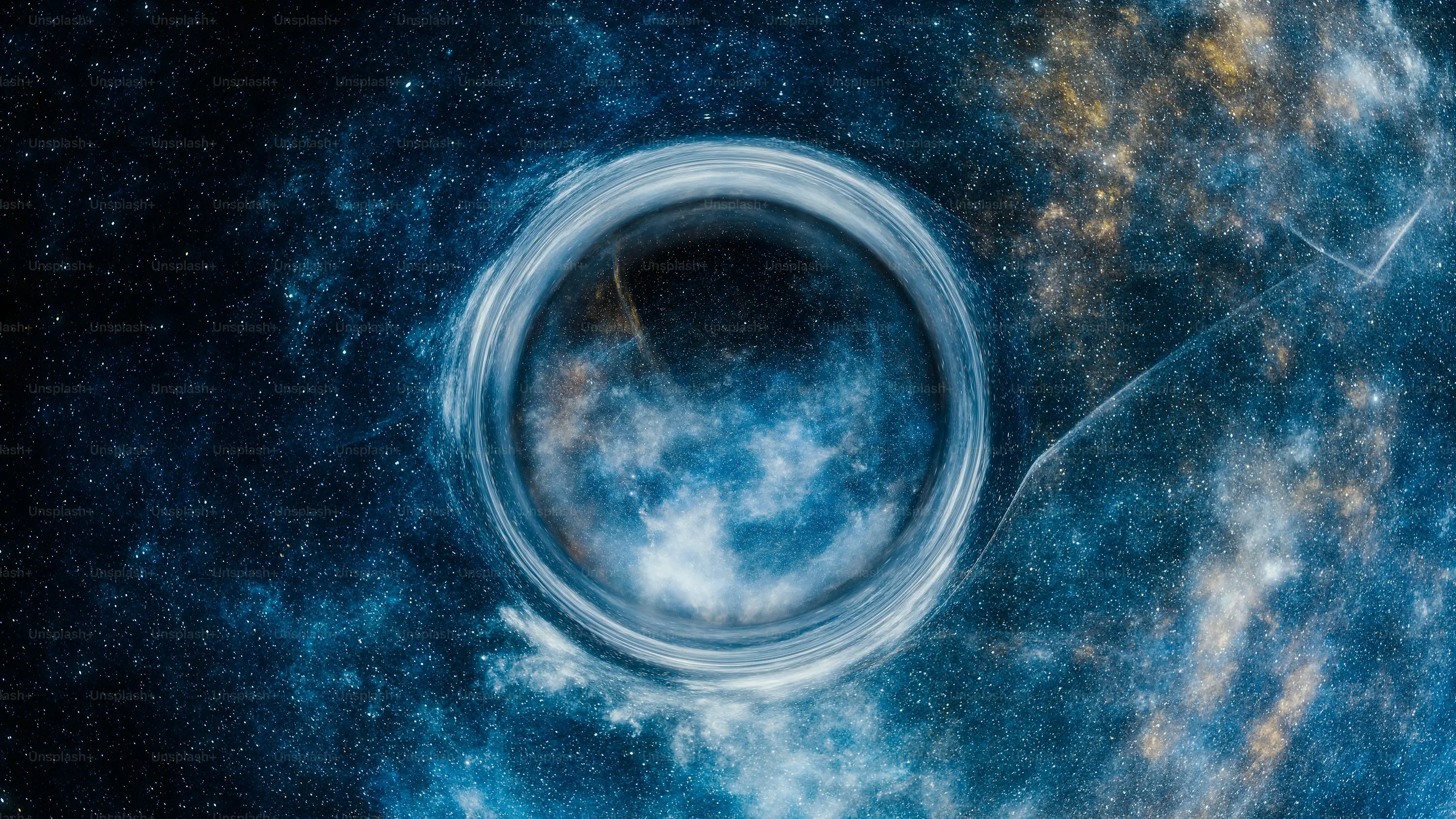
A black hole has two key components: the event horizon and the singularity. The event horizon is the boundary beyond which nothing can escape, and the singularity is the infinitely dense core at its centre. Wormholes, if they exist, would have a very different structure, two “mouths” connected by a “throat” in space-time. The mouth is the entry or exit point, while the throat acts as the tunnel that links them. This unusual geometry could, in theory, bypass vast distances in space.
Formation
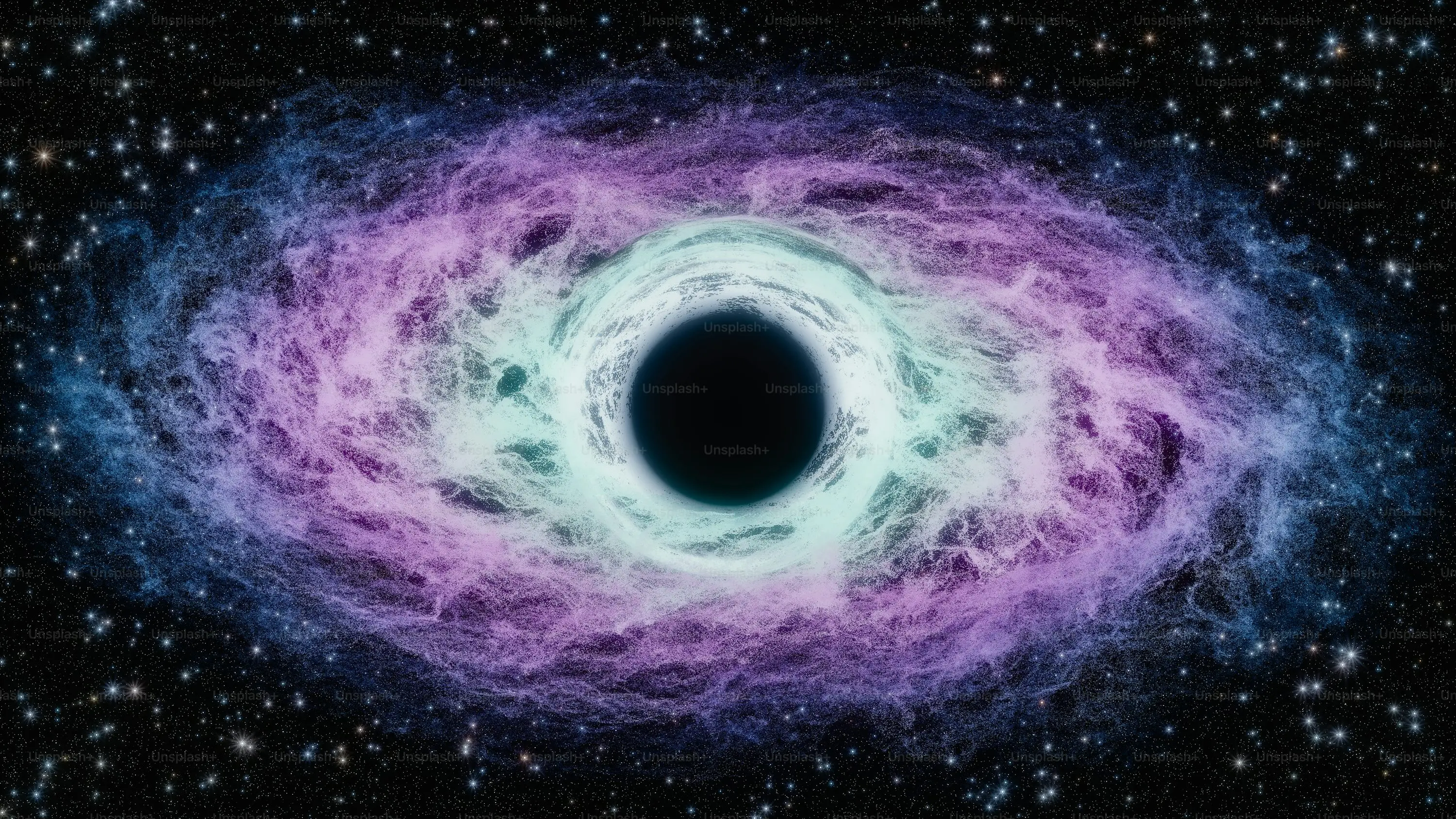
Black holes are formed when a massive star exhausts its nuclear fuel and undergoes gravitational collapse, or when two neutron stars collide and merge. Some may also form from the collapse of dense regions in the early universe. Wormholes, however, are predicted by Einstein’s General Theory of Relativity as possible solutions to its equations, but they are far trickier to create. Theoretically, a stable wormhole would require exotic matter, a type of matter with negative energy density, which has never been proven to exist in the required quantities.
Travel Possibilities
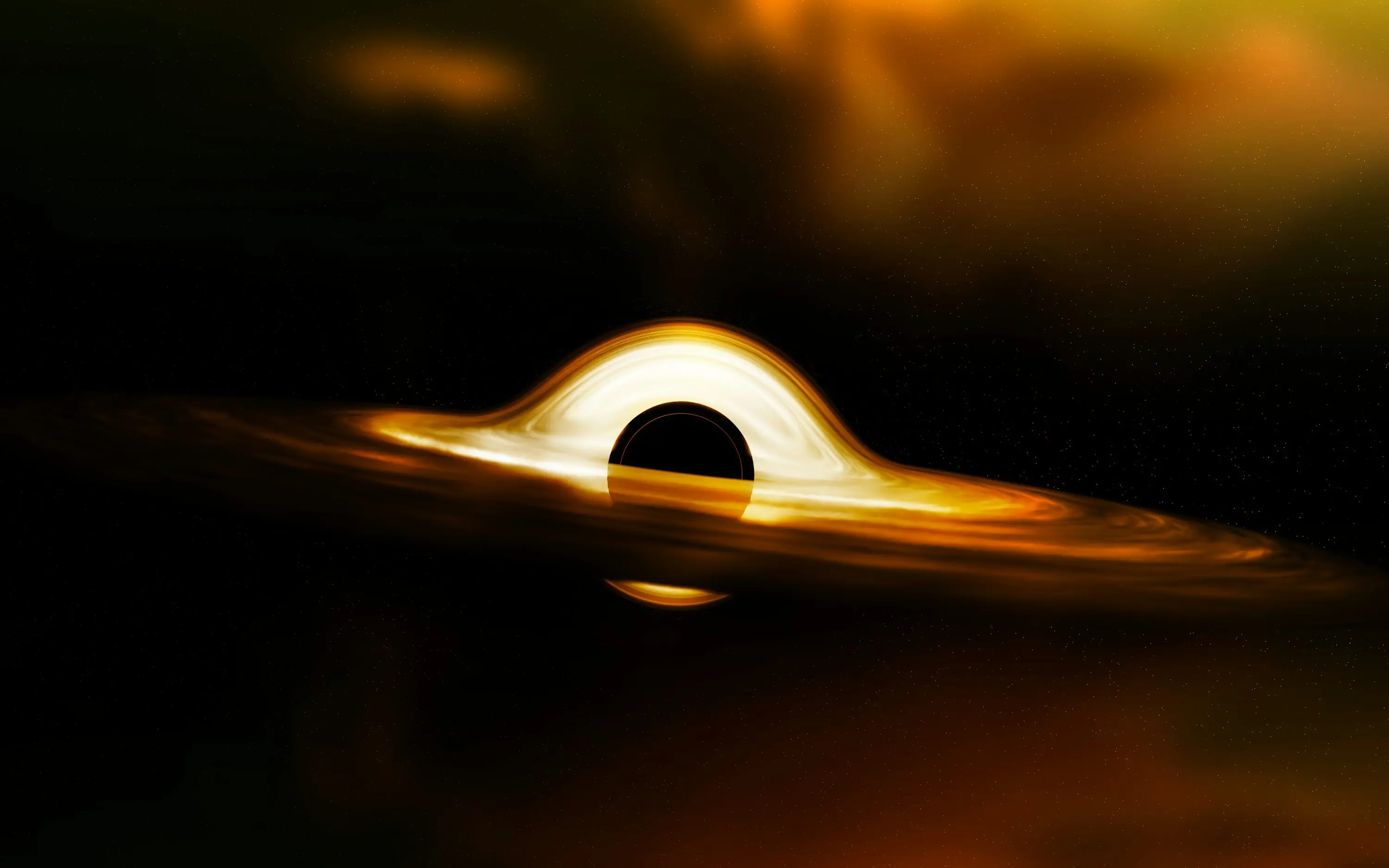
Black holes are not cosmic gateways, any spacecraft or object attempting to enter one would be torn apart by immense tidal forces long before reaching the singularity. Wormholes, on the other hand, are often imagined as potential shortcuts through space and even time. If one could be made stable, a wormhole might allow faster-than-light travel between distant points in the universe. However, the engineering and physical challenges make this a concept of pure science fiction for now.
Time Effects
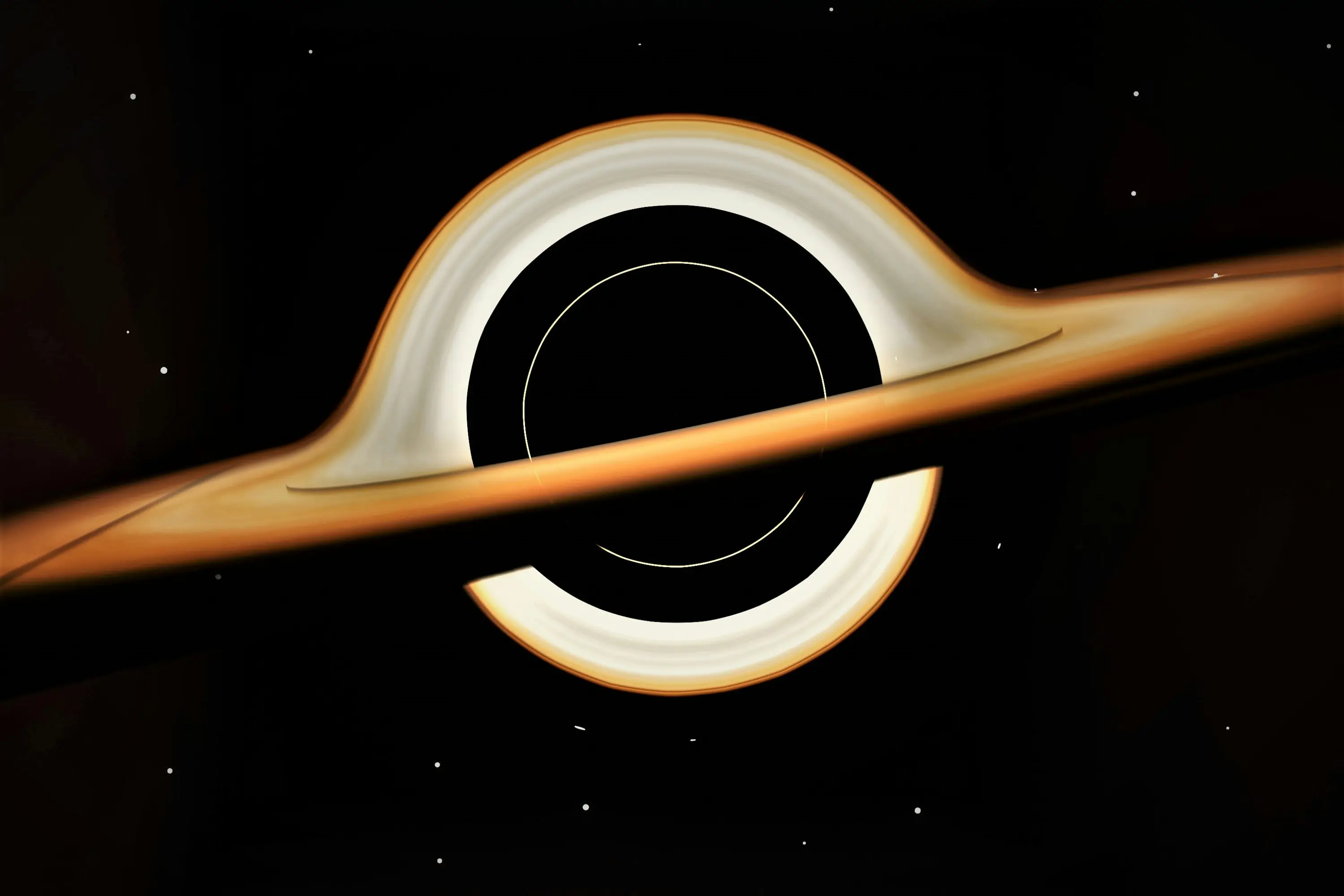
Time behaves very differently around these objects. In the case of black holes, extreme gravitational time dilation occurs near the event horizon, meaning that time for someone close to the black hole would pass much more slowly compared to someone far away. Wormholes could, theoretically, also affect time, especially if one mouth were moved at near-light speed and then brought back. This could create time loops or even allow limited time travel, though such scenarios are highly speculative.
In Popular Culture
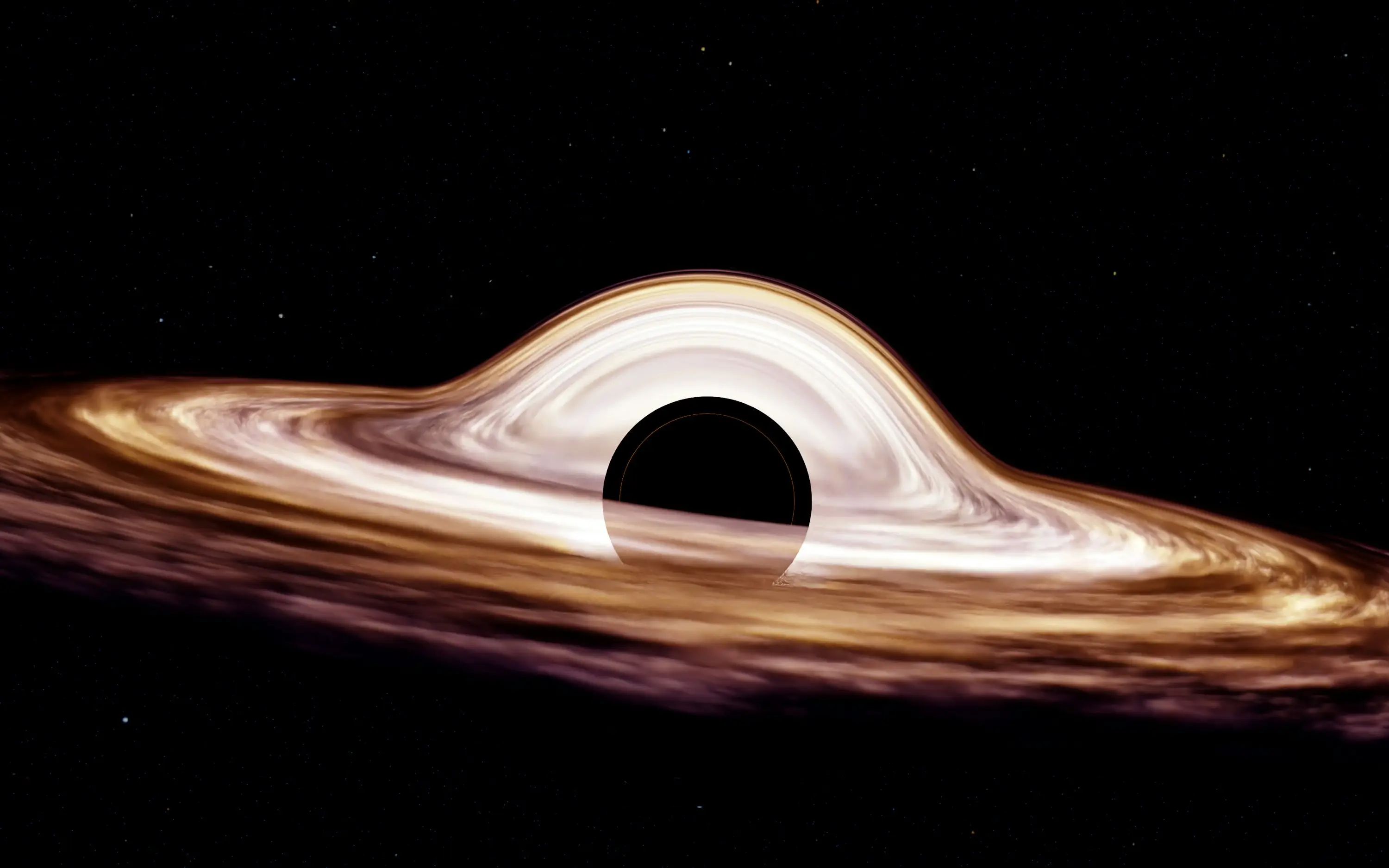
Black holes are often portrayed in films and books as voracious cosmic “vacuum cleaners” that suck in everything nearby, a portrayal partly inspired by their powerful gravitational pull. Wormholes, on the other hand, have been popularised as interstellar highways in science fiction, notably in films like Interstellar and series such as Stargate. While both are fascinating to imagine, only black holes have been proven to exist, while wormholes remain a cinematic favourite grounded in theoretical physics.
)
)
)
)
)