Black holes tear stars to shreds and swallow them! Here's how it happens....

Every few years, astronomers observe an extraordinary spectacle known as a tidal disruption event (TDE), when a star strays too close to a black hole and is violently torn apart.
A cosmic predator in the dark
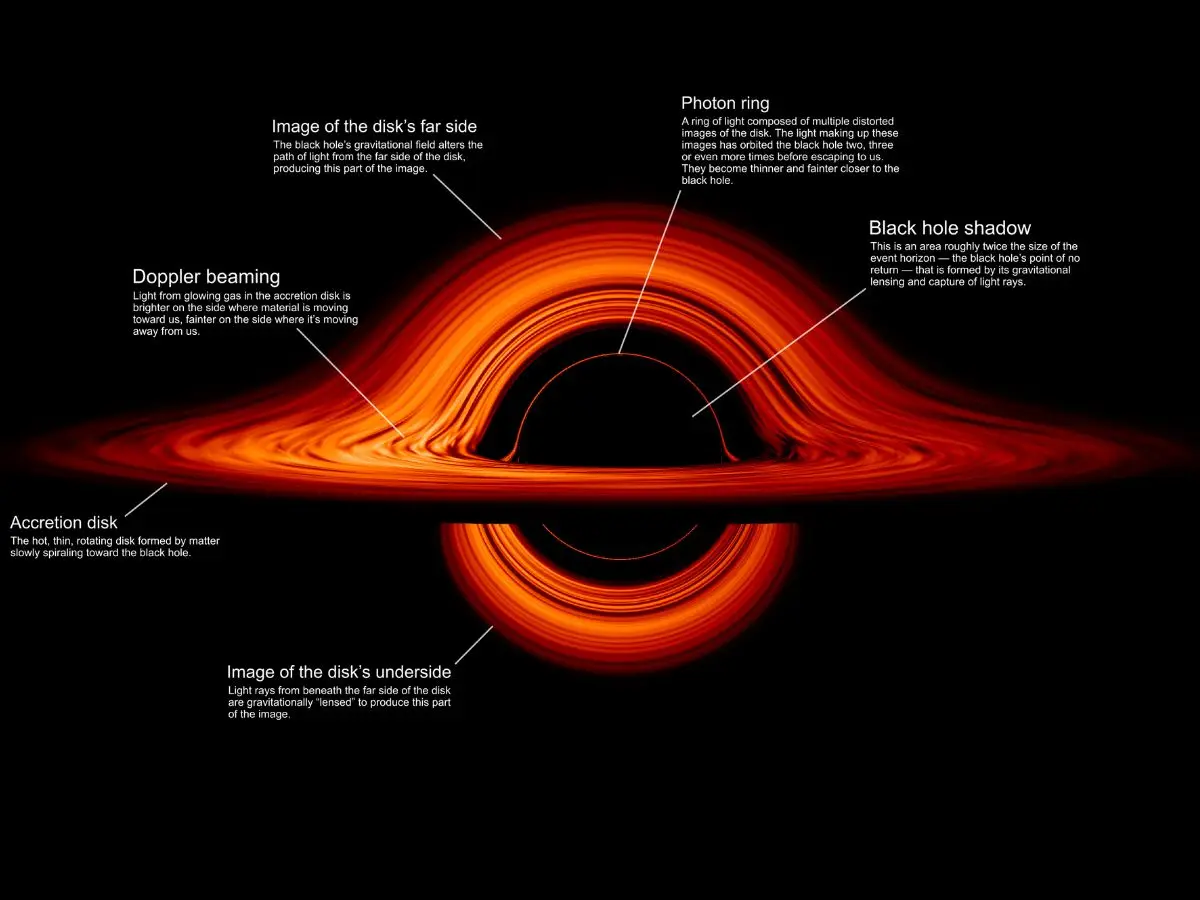
Black holes are notorious for their gravity so powerful that not even light can escape. Yet, far from being quiet, some of these cosmic giants actively feed on stars. Every few years, astronomers observe an extraordinary spectacle known as a tidal disruption event (TDE), when a star strays too close to a black hole and is violently torn apart. These events, rare for any single galaxy, are among the most shocking and destructive phenomena in the universe.
How a tidal disruption works
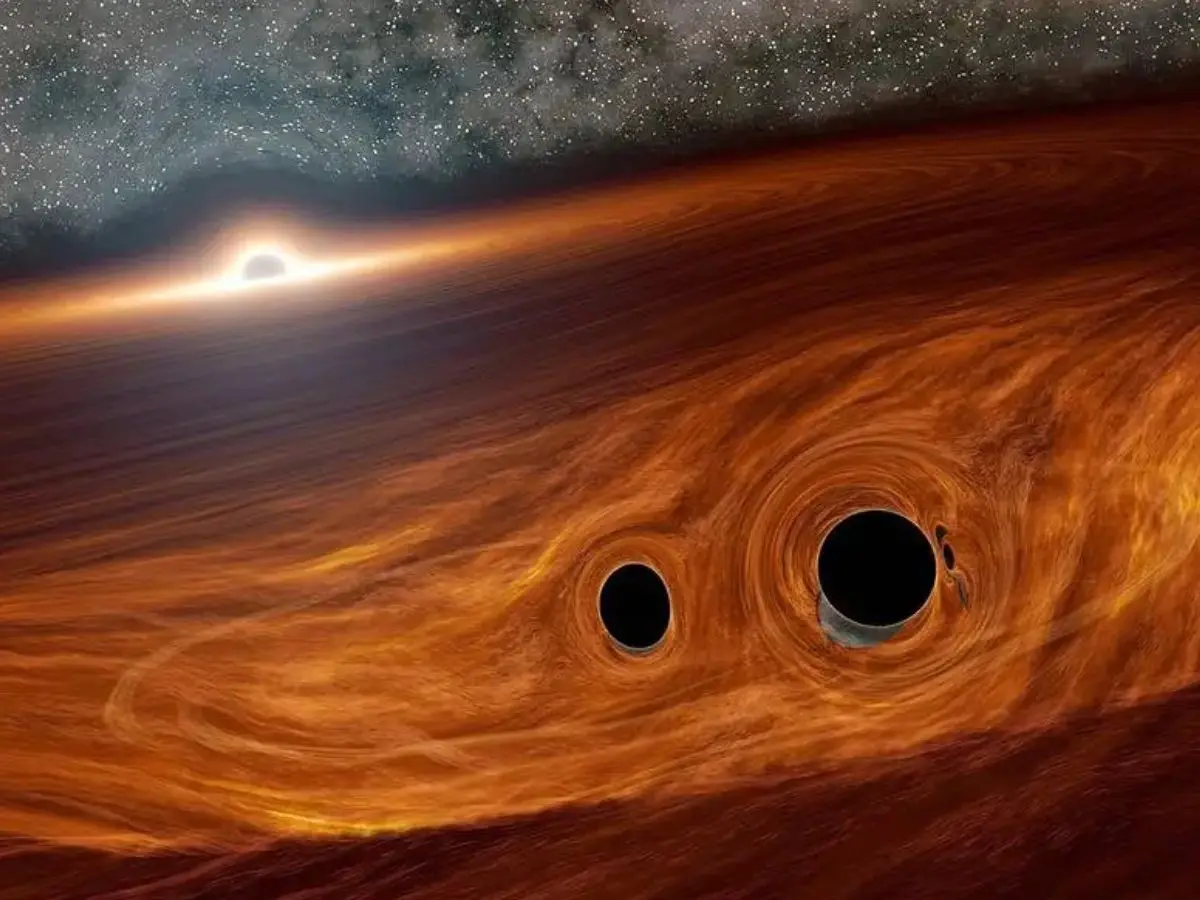
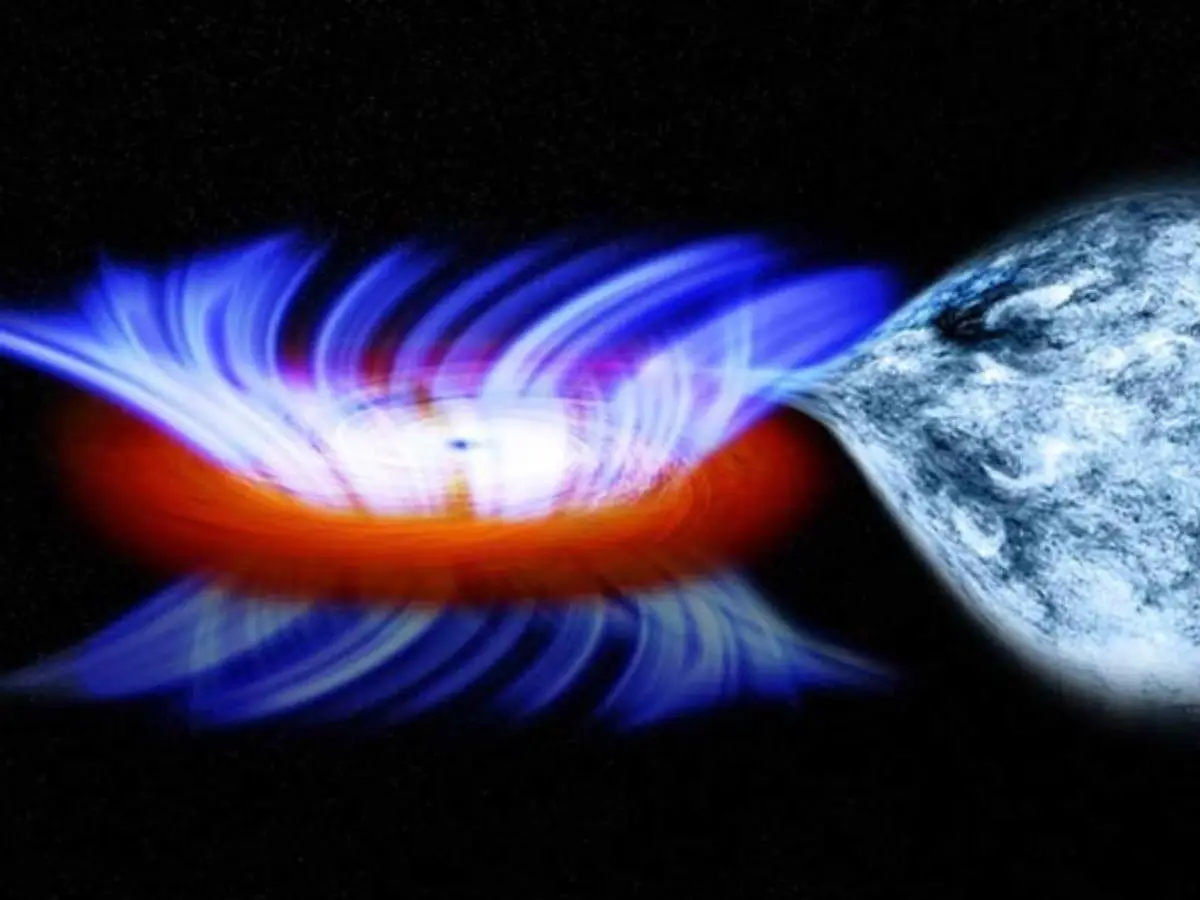
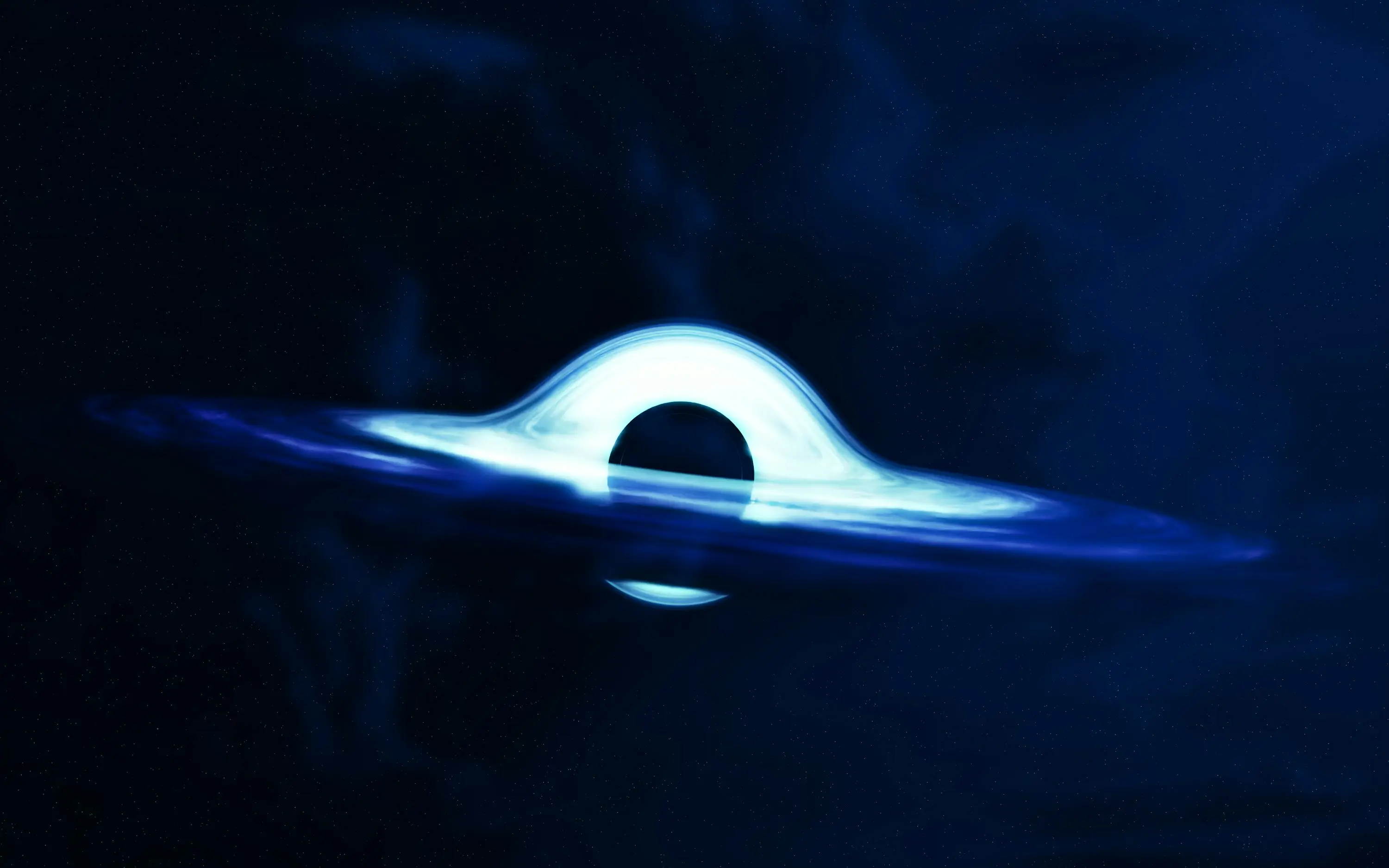
When a star drifts within range of a black hole’s immense gravitational field, the difference in gravity between the star’s near and far side stretches it dramatically. This process, called spaghettification, rips the star apart into long streams of stellar material. Roughly half of this debris is ejected back into space, while the other half spirals into the black hole, forming an intensely hot accretion disk. For weeks or months, the black hole shines brighter than its host galaxy, releasing more energy than billions of suns combined.
Black holes caught in the act
Astronomers have detected dozens of TDEs across the cosmos, each offering a rare glimpse of black holes feeding. One of the most famous examples is ASASSN-14li, discovered in 2014 about 290 million light-years away. A supermassive black hole ripped apart a star roughly the size of our Sun, creating one of the clearest observations of stellar death. In another case, AT2019qiz, dubbed the 'Rosetta Stone of TDEs,' gave scientists unprecedented detail about how stellar material is torn apart and consumed.
How often does it happen?
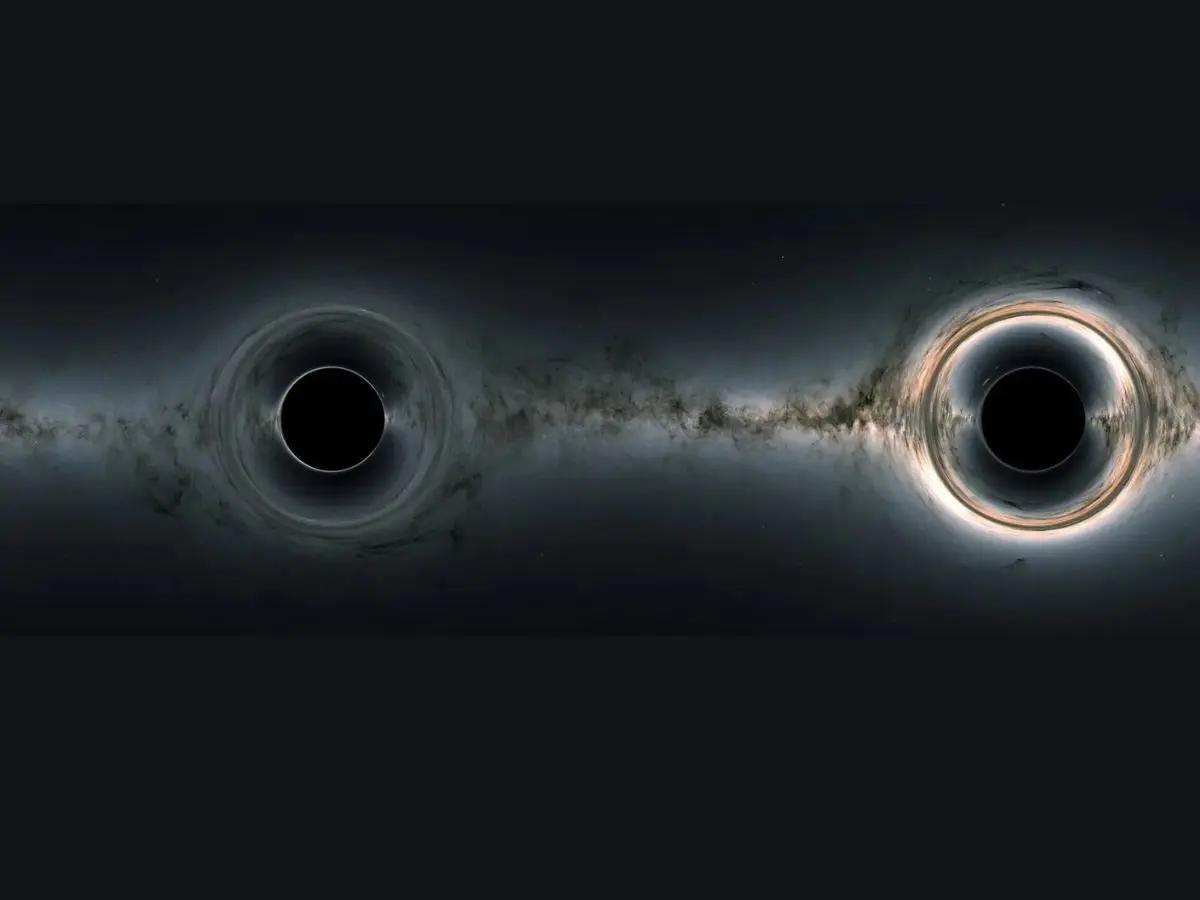
In a large galaxy, astronomers estimate that a tidal disruption occurs once every 10,000 to 100,000 years. However, because the universe contains billions of galaxies, telescopes regularly pick up TDEs happening somewhere in the cosmos. Some black holes, particularly in smaller or denser galaxies, appear to be more active, pulling in unlucky stars every few years.
A window into invisible giants
Most black holes cannot be directly observed, but TDEs act like cosmic signposts, revealing their hidden presence. By studying the light emitted during these violent meals, astronomers can measure black hole masses, study how matter behaves under extreme gravity, and even test the boundaries of Einstein’s theory of relativity. In many ways, TDEs are laboratories for physics on a scale impossible to reproduce on Earth.
Could it happen in the Milky Way?
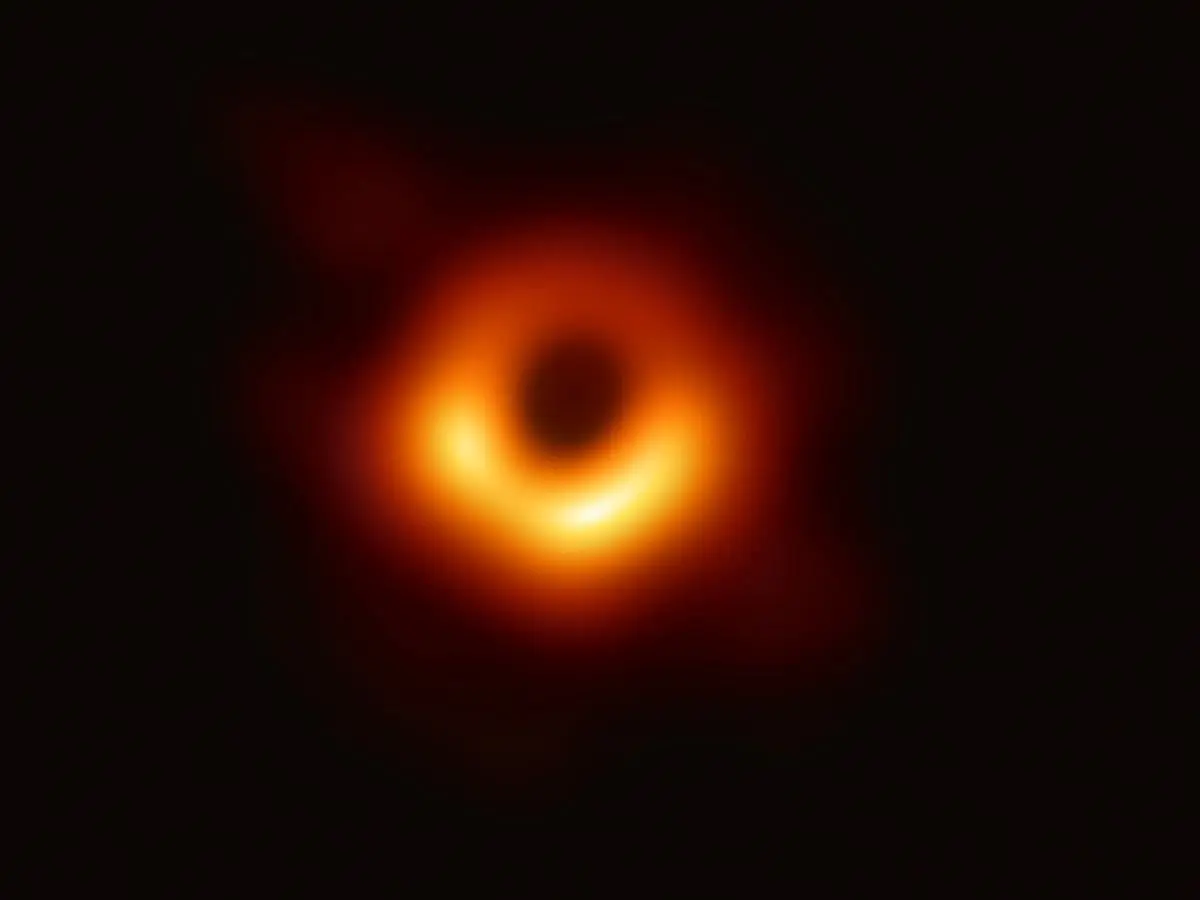
Our galaxy’s central black hole, Sagittarius A*, is relatively quiet today, but evidence suggests it fed more actively in the past. While the chance of a nearby star being shredded anytime soon is extremely low, future generations of astronomers may witness our own black hole flare to life. If it happens, Earth would not be harmed, but the event would light up the sky and offer unparalleled insights into the violent appetite of these cosmic predators.
The ultimate reminder of cosmic power
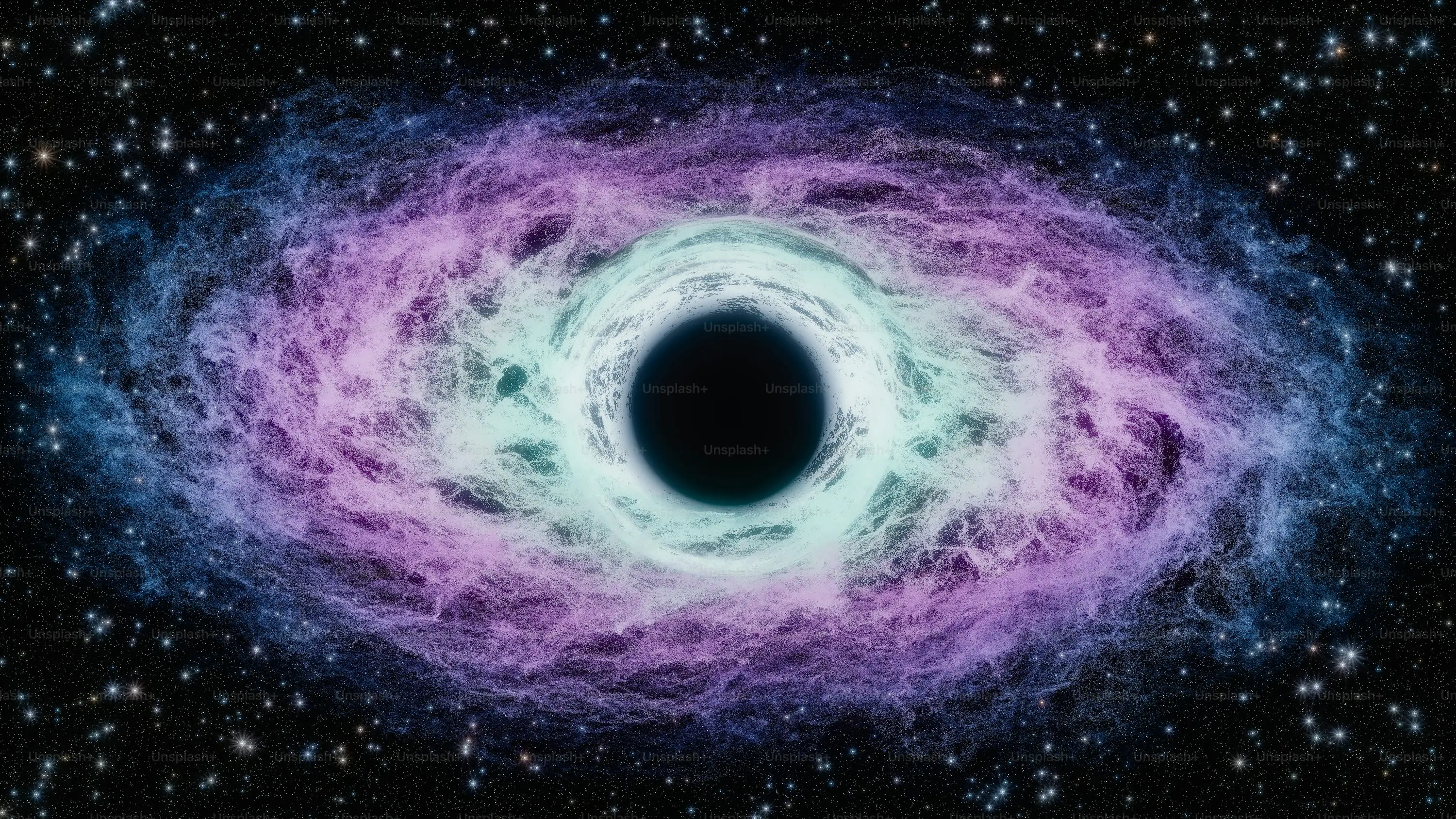
Tidal disruption events are a stark reminder that the universe is not a calm place. They demonstrate both the destructive power of black holes and their value as windows into the most extreme physics known. For now, each stellar meal observed by astronomers tells us not only about the fate of a single star but also about the terrifying might of the invisible monsters that dominate the centres of galaxies.
)
)
)
)
)