Black holes, dark matter, pulsars and more: 6 space mysteries that defy explanation

Edited By Subhadra Srivastava
Published: Jun 01, 2025, 20:57 IST | Updated: Jun 01, 2025, 21:00 IST
While our tools and theories have evolved, some fundamental questions continue to defy explanation. From the nature of dark matter to the pulsars breaking their own rules so here are some of the biggest cosmic puzzles that continues to amaze space enthusiasts.
1 / 7
(Photograph: NASA)
Mysteries Of The Universe
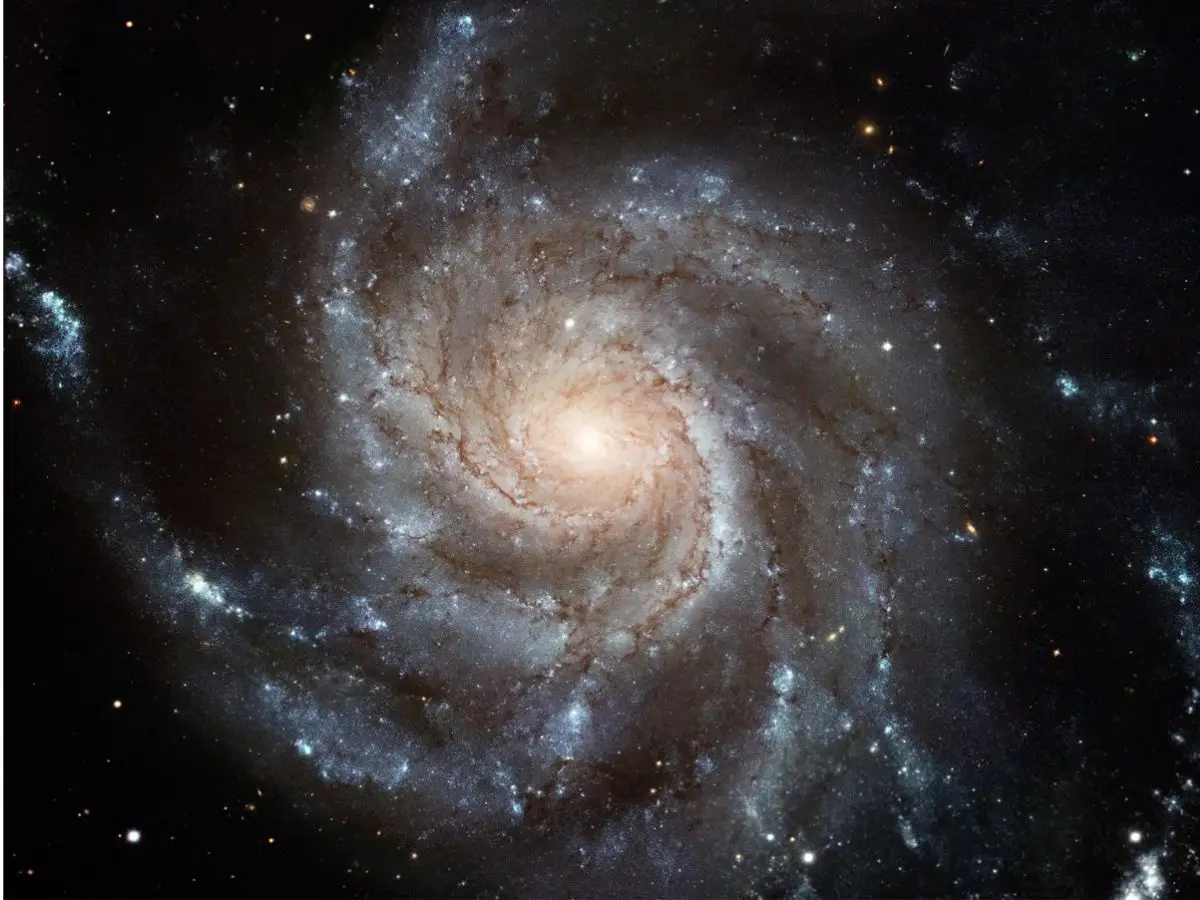
Despite a century of remarkable discoveries and findings, from the expanding universe to the first image of a black hole, there's much of the cosmos that still remains a mystery. While our tools and theories have evolved, some fundamental questions continue to defy explanation. From the nature of dark matter to the pulsars breaking their own rules, here are some of the biggest cosmic puzzles that continues to amaze space enthusiasts.
2 / 7
(Photograph: NASA)
Ancient Black Holes That Shouldn’t Exist
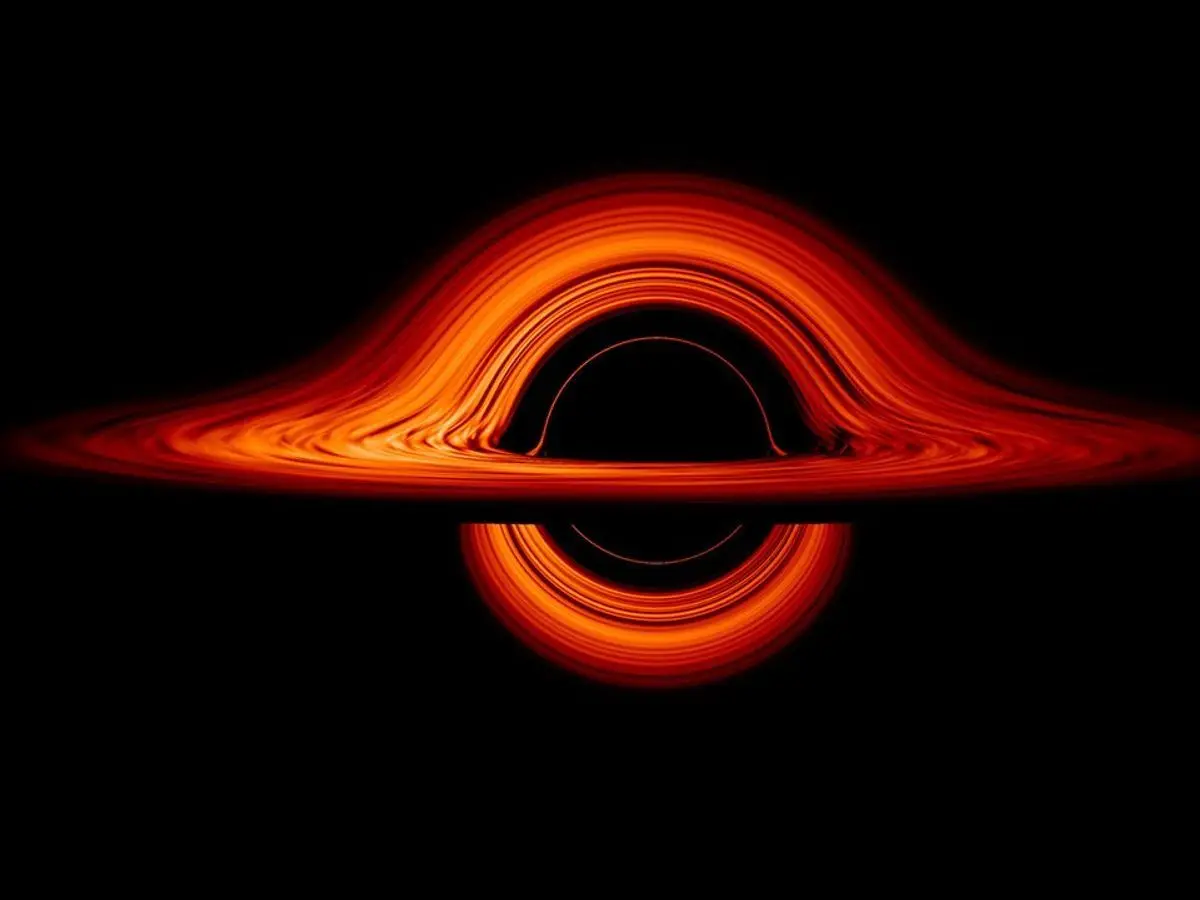
Astronomers using the James Webb Space Telescope (JWST) have detected some supermassive black holes. These black holes are millions of times the mass of the Sun, that too, as early as just 600 million years after the Big Bang. According to current models of black hole growth, this rapid accumulation of mass should have taken over a billion years. These findings challenge existing theories of how the earliest structures in the universe formed.
3 / 7
(Photograph: NASA)
The Invisible Mass, What is Dark Matter?
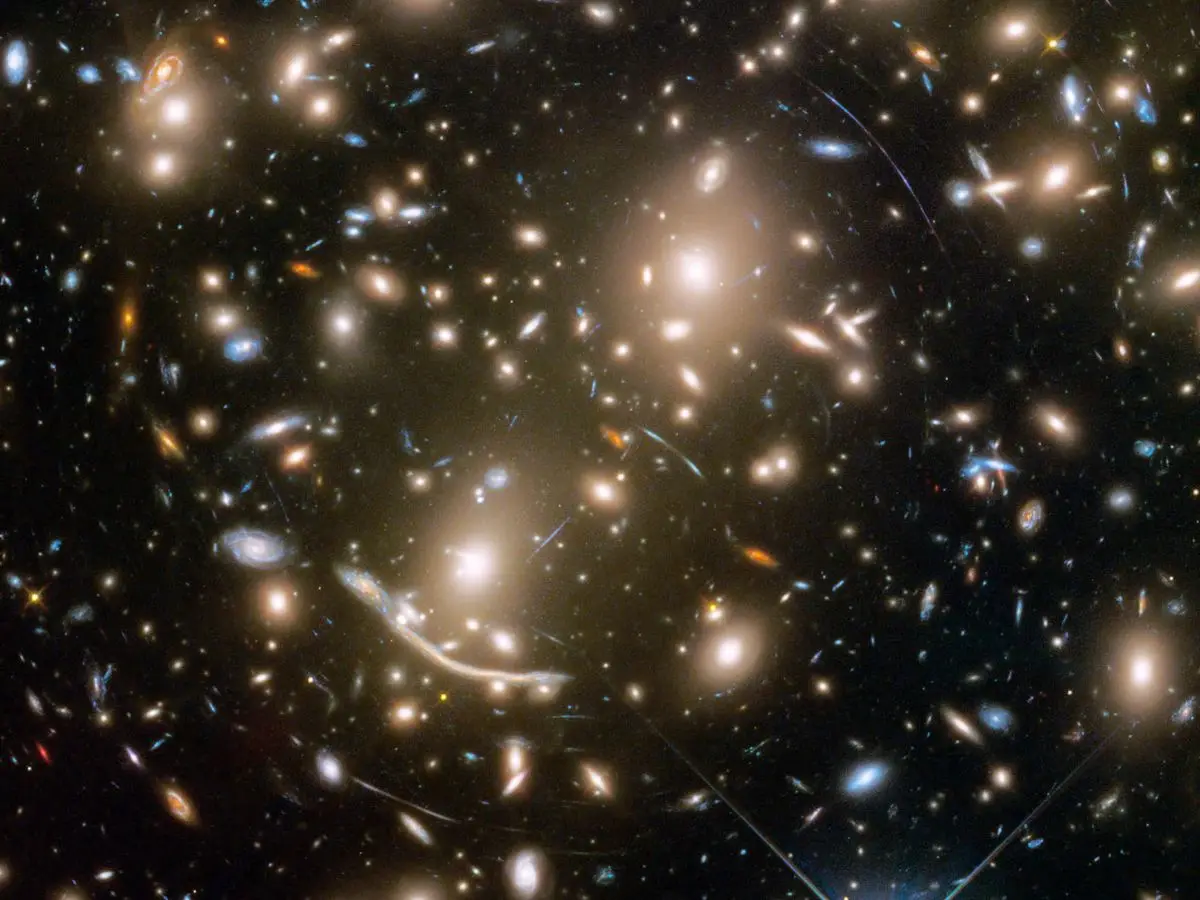
Dark matter makes up as much as about 27 per cent of the universe, yet scientists and astronomers have never observed it directly. The challenge lies due to the fact that it doesn’t emit, reflect or absorb light. Its presence is only inferred through its gravitational effects on visible matter. Despite decades of research, still ongoing, and tools like the Chandra X-ray telescope and upcoming missions like Euclid, its exact nature remains unknown.
4 / 7
(Photograph: NASA)
Dark Energy and the Accelerating Universe
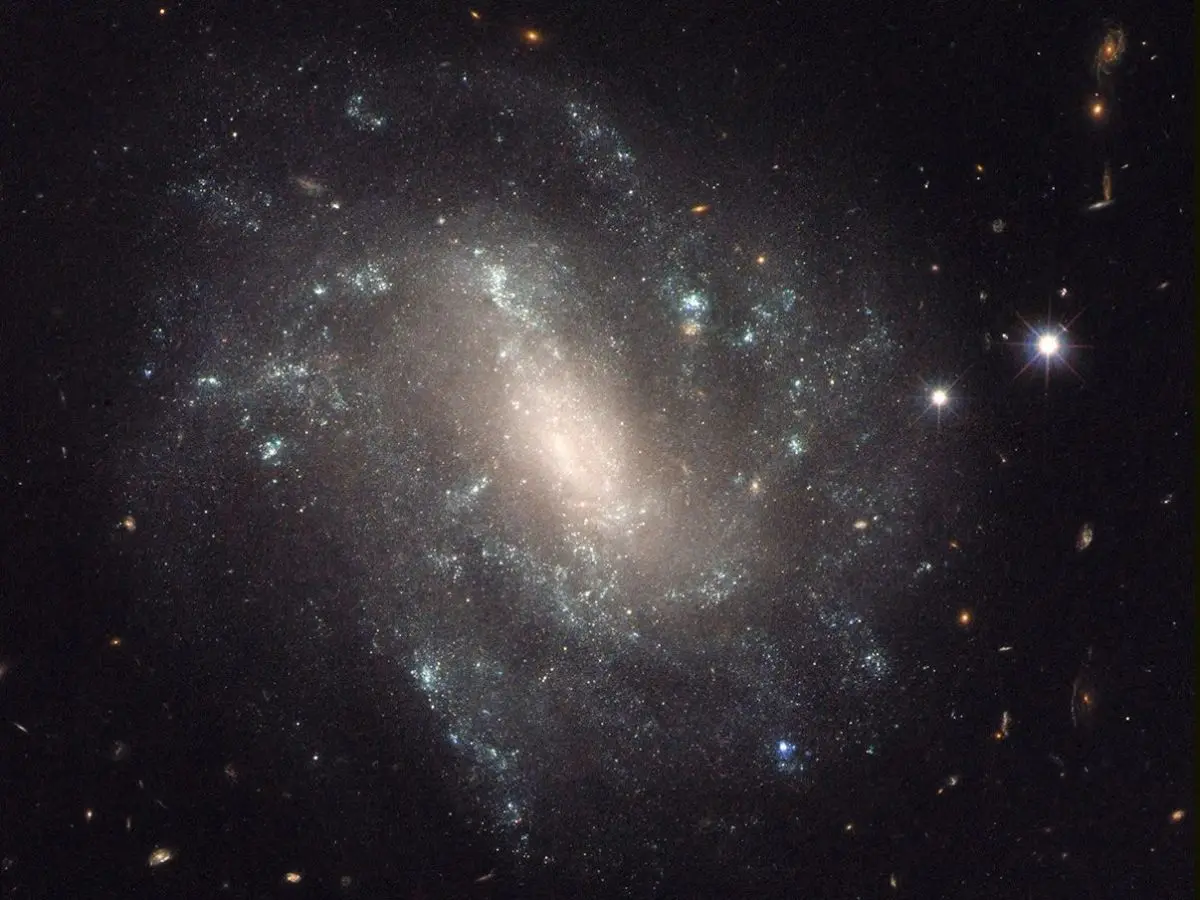
In 1998, some scientists discovered that the universe’s expansion is speeding up, when it was expected to be slowing down. This force, called dark energy, is thought to make up roughly 70 per cent of the universe. Since it is dark, it cannot be seen or measured directly, but its influence is observed in the large-scale structure of the cosmos. The origin and composition of the dark energy however, remain entirely mysterious.
5 / 7
(Photograph: NASA)
The Signal That Won’t Stop, Fast Radio Bursts
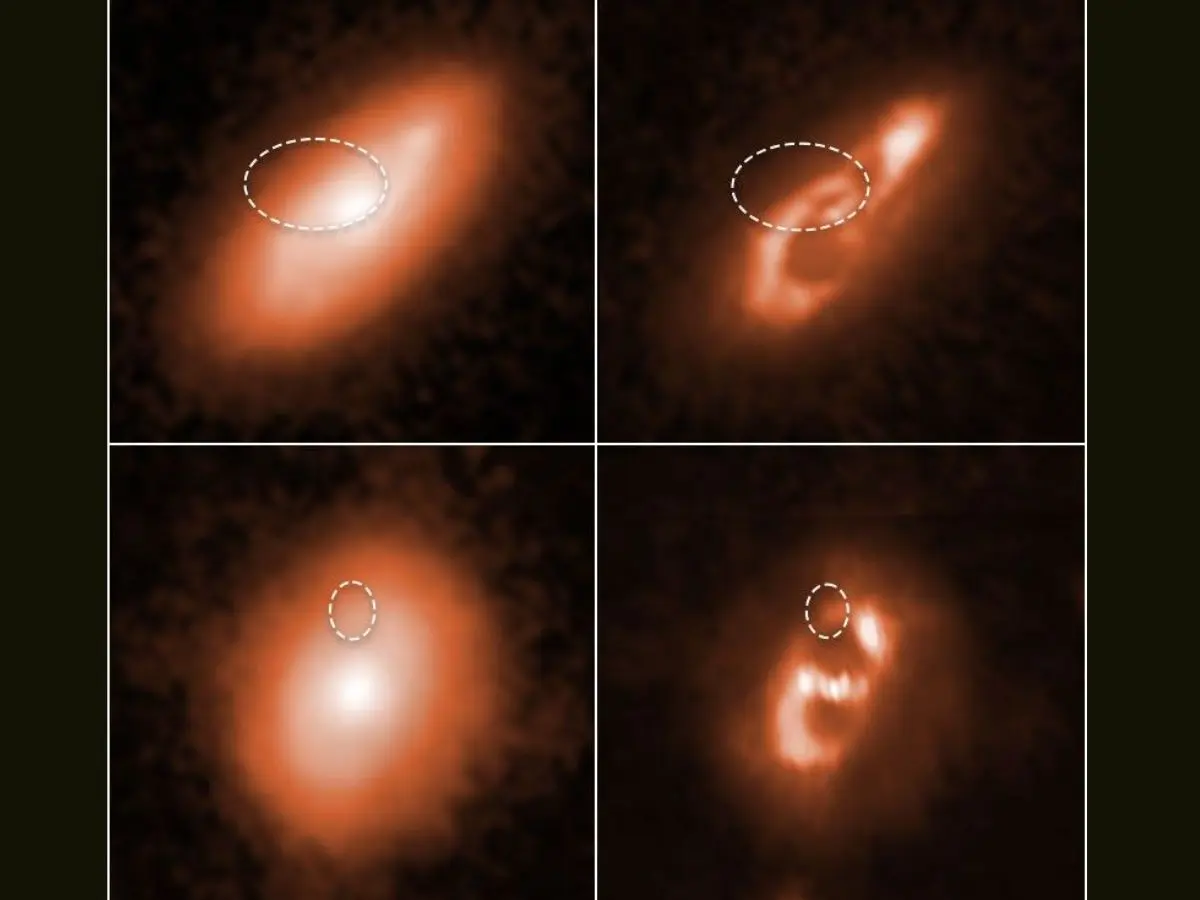
Fast Radio Bursts (FRBs) are powerful, millisecond-long flashes of radio waves that keep originating from distant galaxies. These were first discovered in 2007. These FRBs emit as much energy in milliseconds as the Sun does in days. While some theories suggest the sources like magnetars or colliding neutron stars maybe behind this behaviour, the true cause remains unknown, especially for FRBs that repeat.
6 / 7
(Photograph: NASA)
Pulsars That Break Their Own Rules
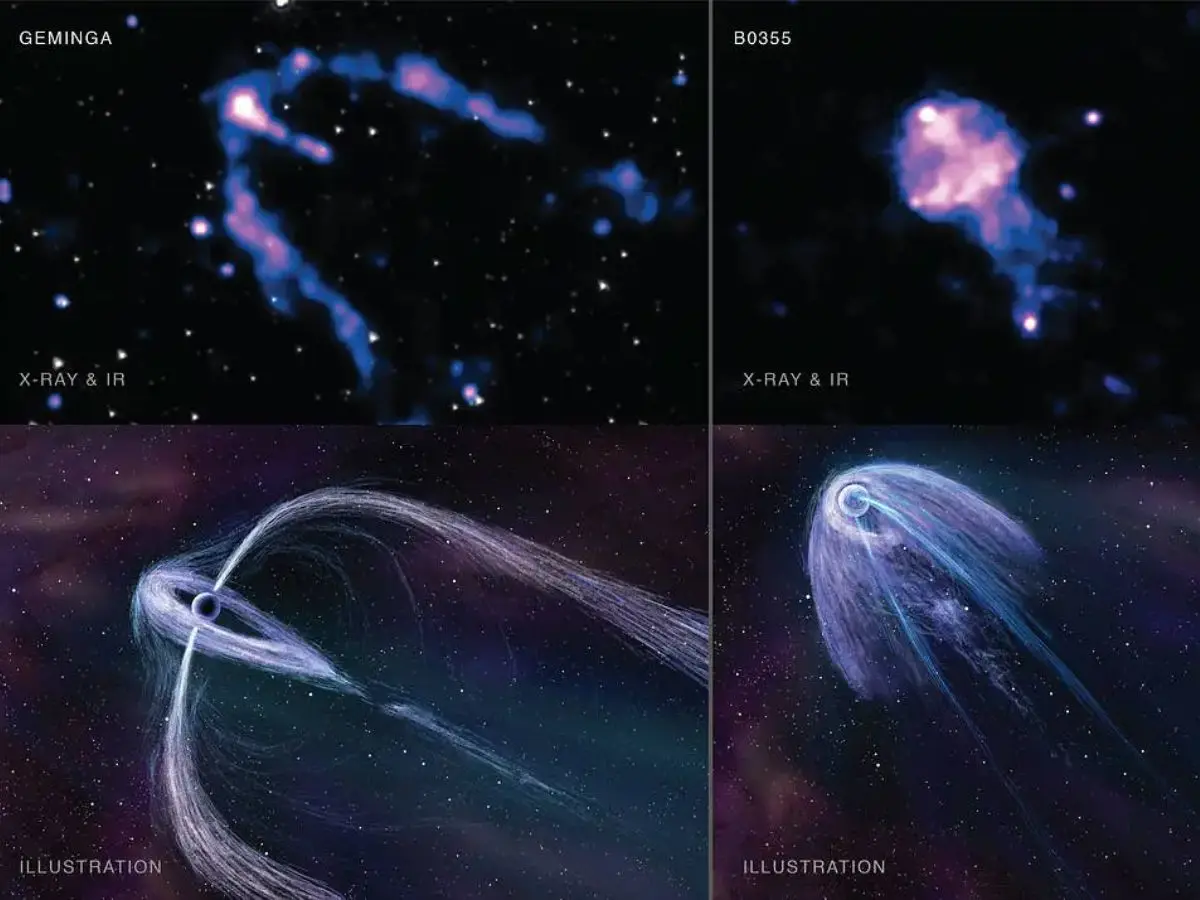
Pulsars, the highly magnetised rotating neutron stars, emit beams of radiation with clockwork precision. However, it was in 2008 that scientists observed a pulsar suddenly stop pulsing for 580 days straight before it later resuming. After much research, this break in regularity was linked to unknown magnetic interactions. The origins, though of this behaviour are still unclear.
7 / 7
(Photograph: NASA)
JuMBOs—Planets That Shouldn’t Be
In 2023, JWST discovered about 40 pairs of Jupiter-mass binary objects, also known as JuMBOs, in the Orion Nebula. These objects are especially puzzling because they do not orbit stars and appear to float freely in space. The existence of these formation contradicts known planetary and stellar models, especially when the models suggest that low-mass objects aren’t expected to form binaries in such numbers.
)
)
)
)
)