'Black hole stars': NASA's James Webb Telescope discovers red dots that might re-write galaxy origin theory

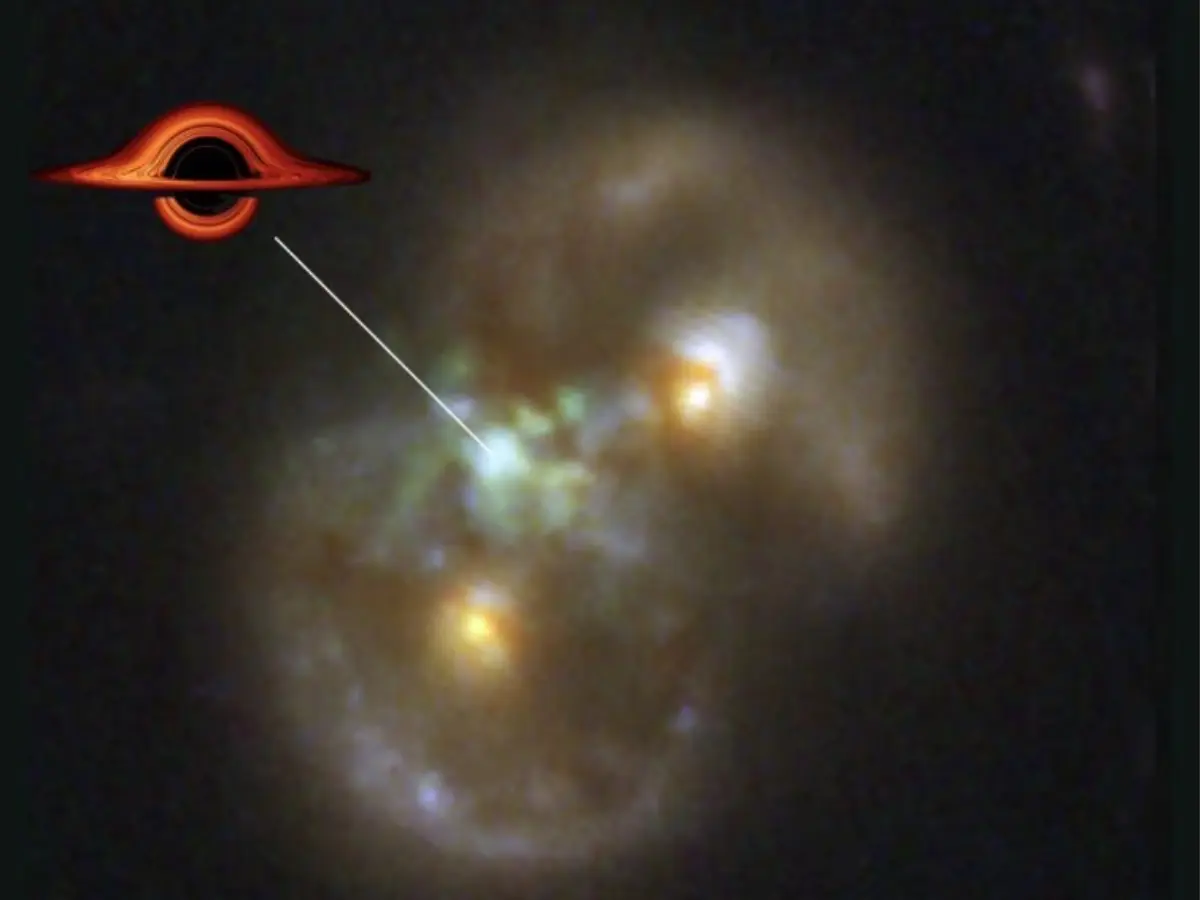
Strange red dots spotted by the James Webb Space Telescope might actually be ‘black hole stars’—massive gas clouds hiding growing supermassive black holes within. Uncover the new X-ray data that could rewrite our understanding of the early universe.
The Mystery of the Little Red Dots
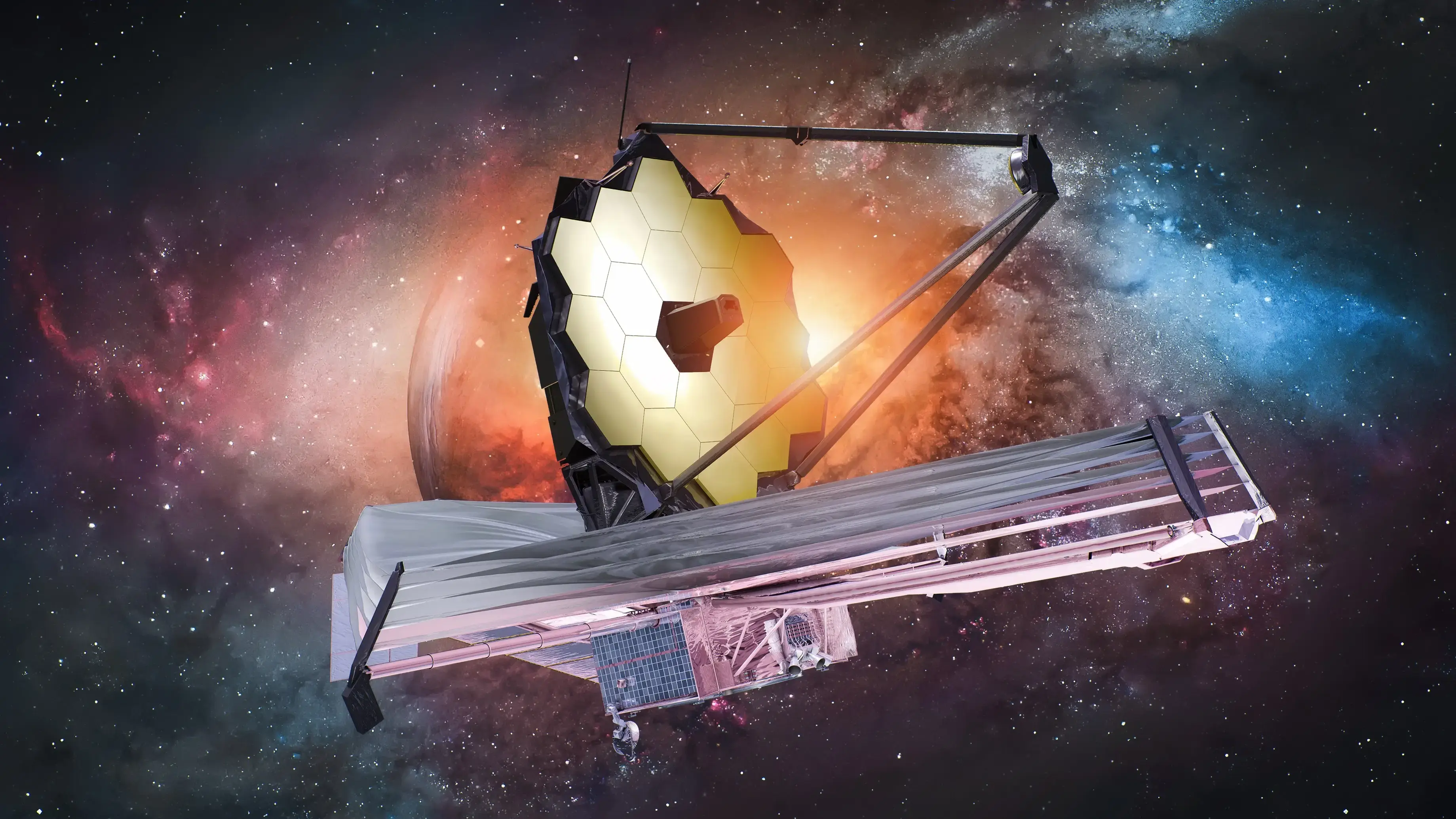
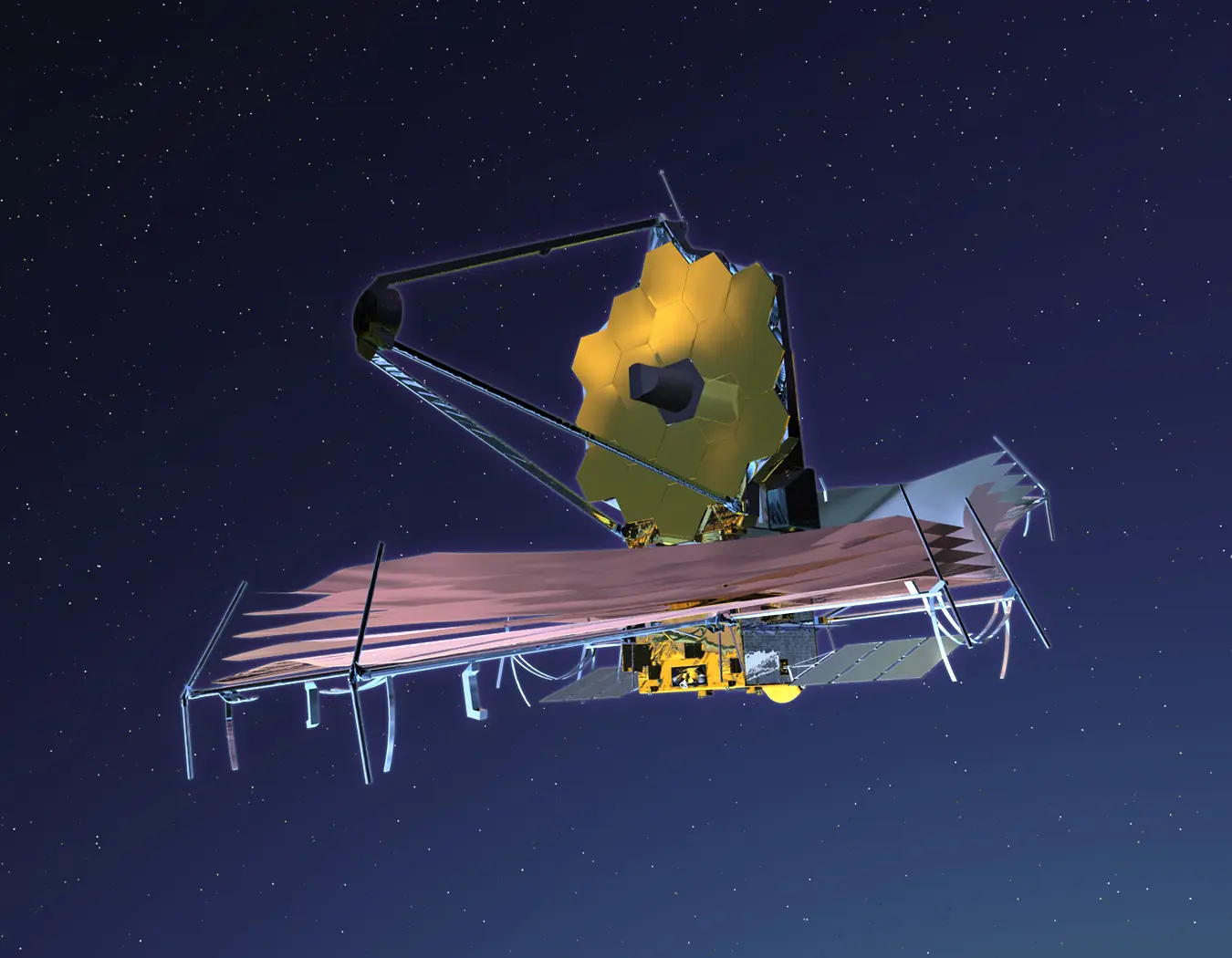
Since its deployment, the James Webb Space Telescope (JWST) has discovered several strange, compact ‘little red dots’ in the early universe. Initially puzzling to astronomers, new X-ray data from the Chandra Observatory suggests these objects might actually be ‘black hole stars’.
What is a 'Black Hole Star'?
Unlike normal stars powered by nuclear fusion, a ‘black hole star’ is a theoretical object consisting of a huge, dense clump of gas. At its core lies not a burning stellar furnace, but a burgeoning supermassive black hole that is slowly feeding off the surrounding cloud from the inside out.
The 'Top-Down' Theory of Black Holes
This discovery could solve a massive cosmological mystery: how supermassive black holes form. Rather than forming ‘bottom up’ through the slow collision of smaller stellar-mass black holes, these dots suggest they form ‘top down’ from the direct collapse of colossal gas clouds.
The X-Ray Breakthrough
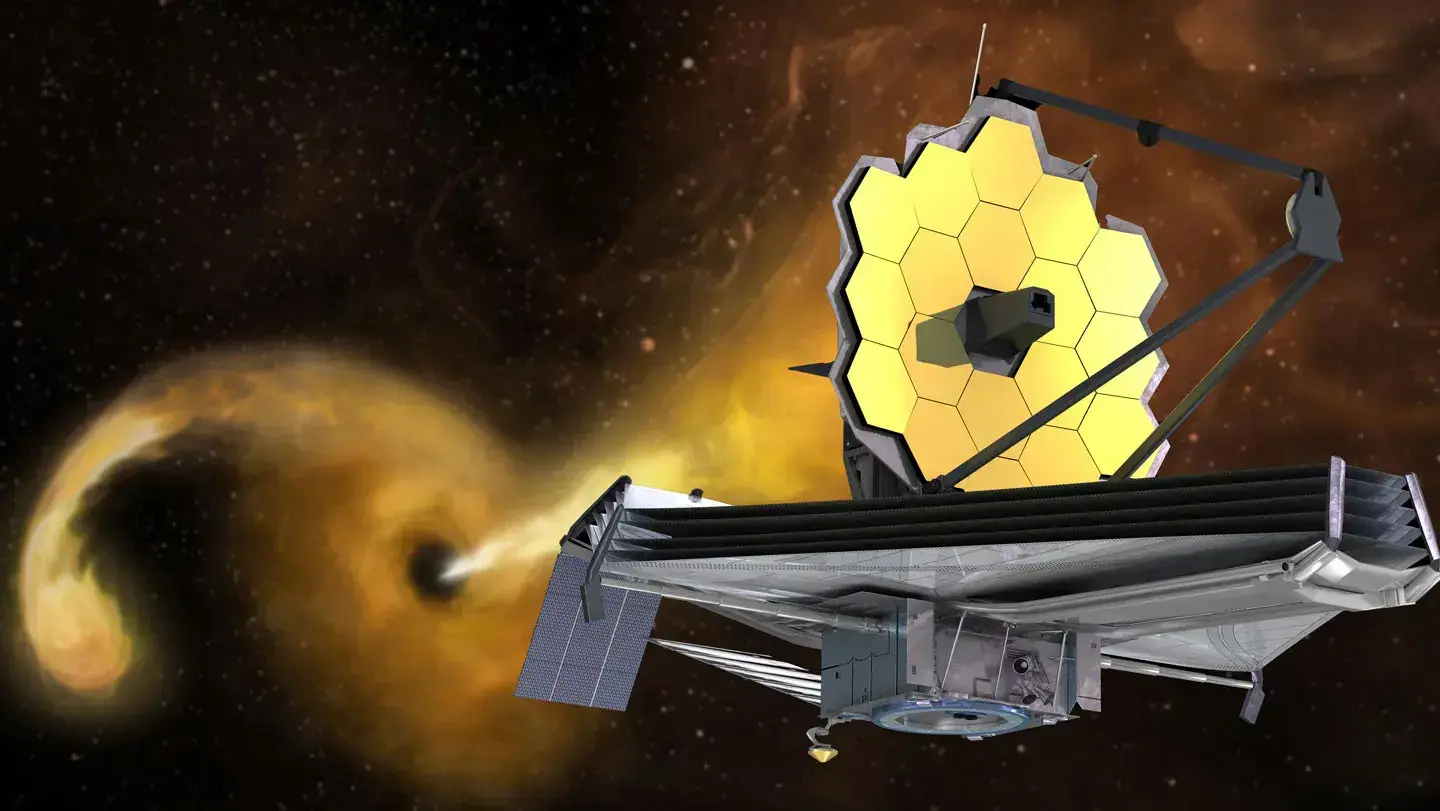
Chandra identified an X-ray source, catalogued as 3DHST-AEGIS-12014, in the exact location of a JWST red dot. This energy is similar to quasars, but finding it within these red dots provides the missing puzzle piece proving that immense black holes are hiding within the gas.
Windows into the Maws
Ordinarily, the dense gas cloud surrounding a black hole star would absorb all X-rays, making them invisible to Chandra. Astronomers hypothesize that this specific object is in transition; the black hole has eaten away enough of the cloud to create ‘windows’ through which the X-rays can finally escape.
A Discovery Rivaling Dark Energy
Researchers believe the confirmation of little red dots as black hole stars could be the biggest cosmological breakthrough made by JWST so far, and potentially the most important discovery for astrophysics since the confirmation of dark energy in 1998.
The Missing Link
If confirmed, these transitional objects serve as the crucial missing link in understanding galaxy formation. It would finally allow scientists to trace the origins of how colossal galaxies, like our own Milky Way, assembled around supermassive black holes at the dawn of time.
)
)
)
)
)