Biofuel for fighter jets: Can the world’s fastest machines really run green?

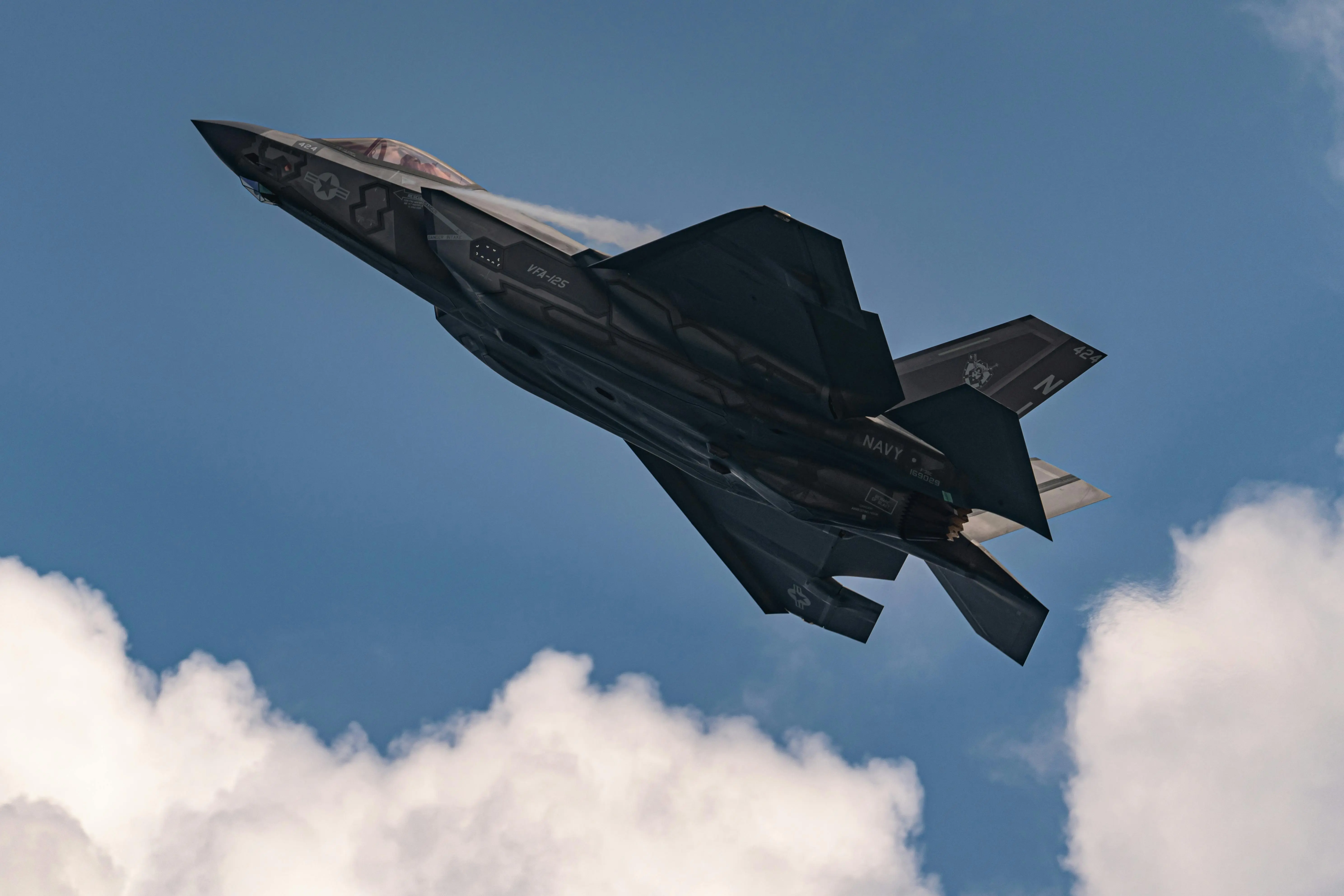
In 2010, a US F/A-18 Hornet flew at Mach 1.2 on a blend of 50 per cent camelina-based biofuel and conventional jet fuel.
Speed and Sustainability
Modern fighter jets can exceed 2,000 km/h, burning tens of thousands of litres of fuel per mission. As militaries face climate targets and fuel price volatility, a crucial question emerges: Can the world’s fastest combat aircraft truly run on biofuel derived from algae, waste oils, or plant biomass? Early tests in countries like the United States and the United Kingdom suggest it is technically possible, yet scaling up from demonstration flights to operational fleets is proving far more complex.
The First Flights
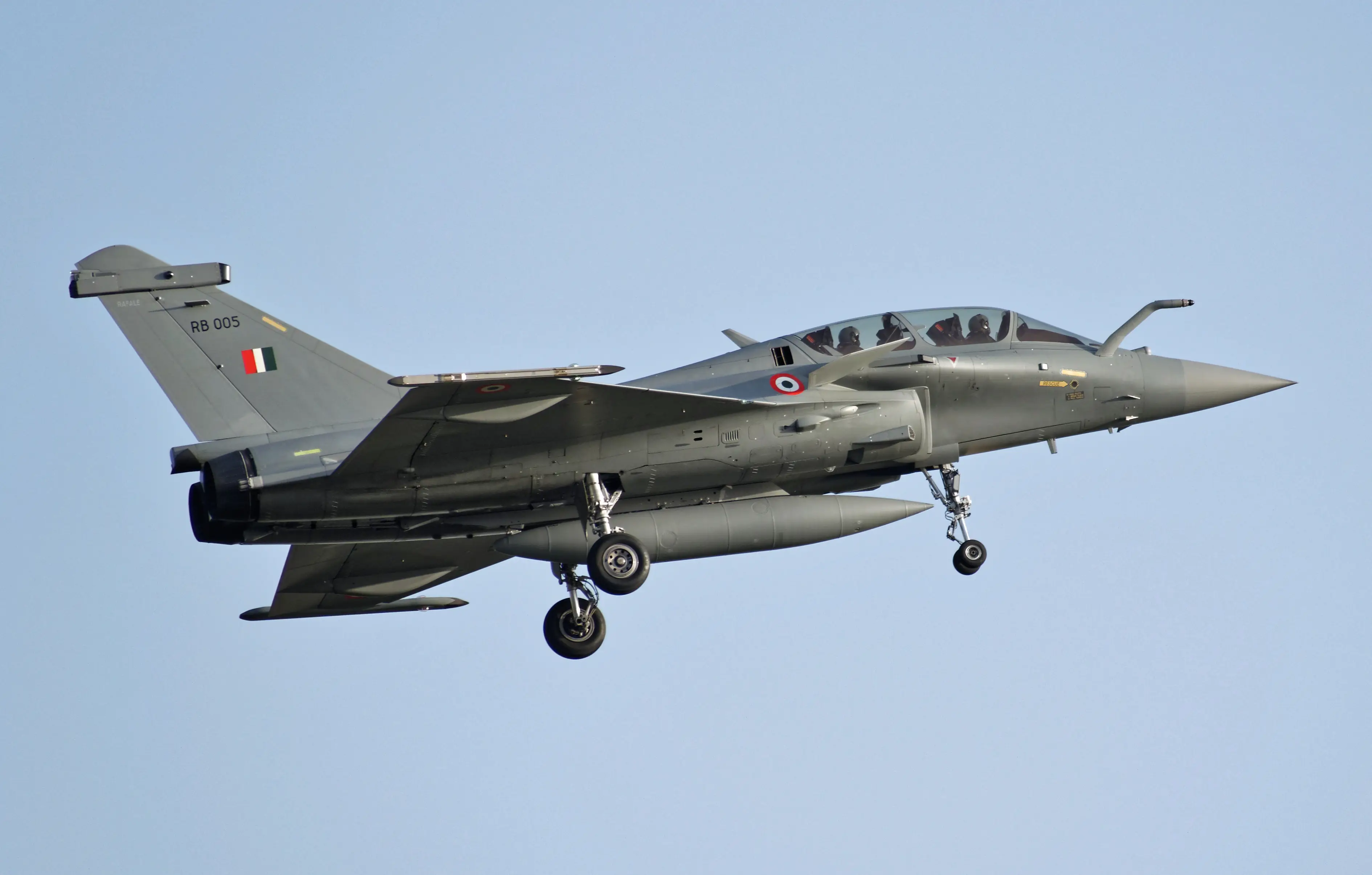
In 2010, a US F/A-18 Hornet flew at Mach 1.2 on a blend of 50 per cent camelina-based biofuel and conventional jet fuel. The US Air Force also tested an A-10 Thunderbolt II on the same blend, reporting no drop in performance. In 2014, the UK’s RAF ran a Tornado GR4 partly on fuel produced from waste, showing that biofuels could match the energy demands of supersonic flight.
Why Biofuel Matters
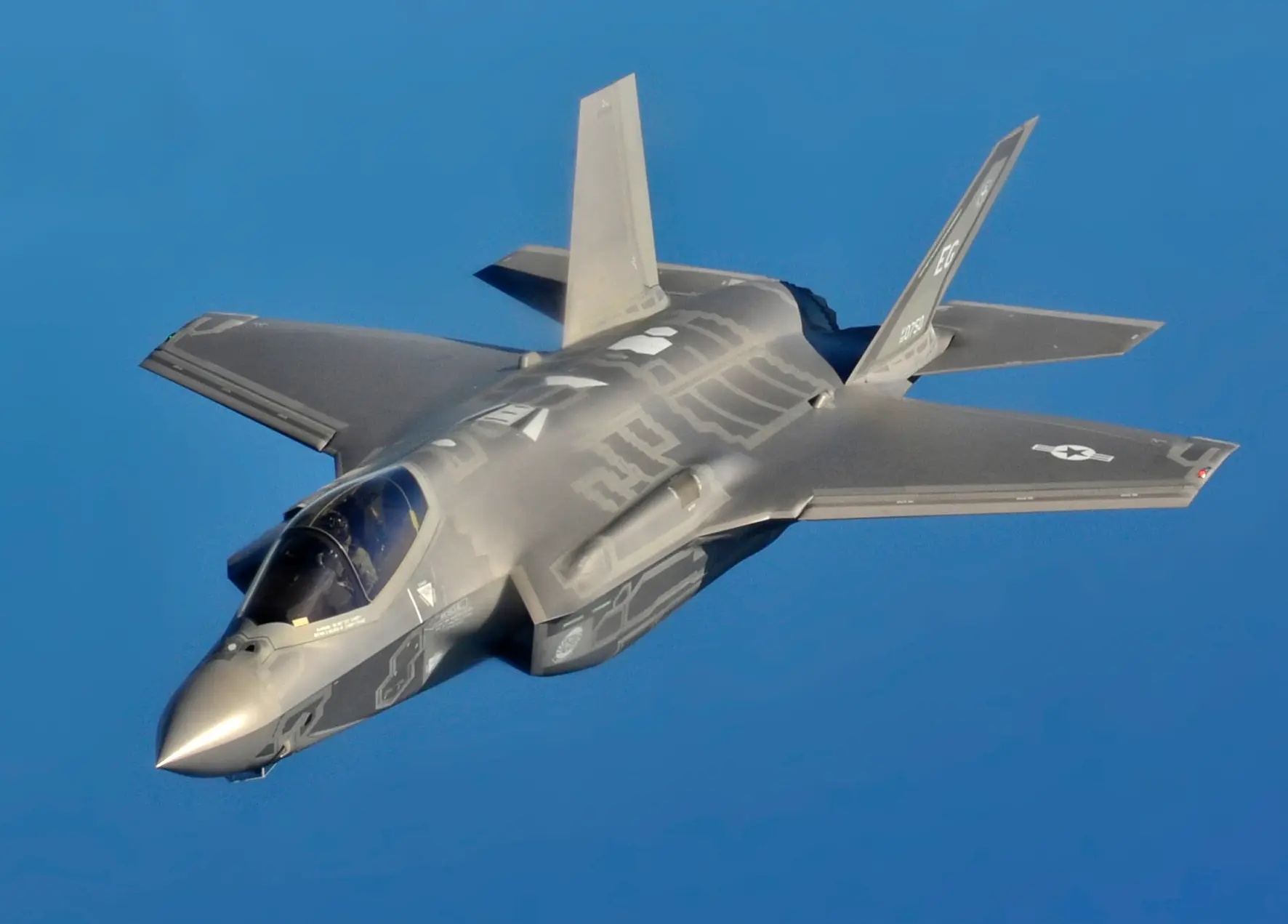
A single F-35 sortie may burn over 5,600 litres of fuel. Switching to biofuels could reduce life-cycle carbon dioxide emissions by up to 80 per cent, according to the International Air Transport Association. For air forces, biofuels also offer an additional advantage: lowering reliance on imported fossil fuels and improving strategic autonomy.
Performance Challenges
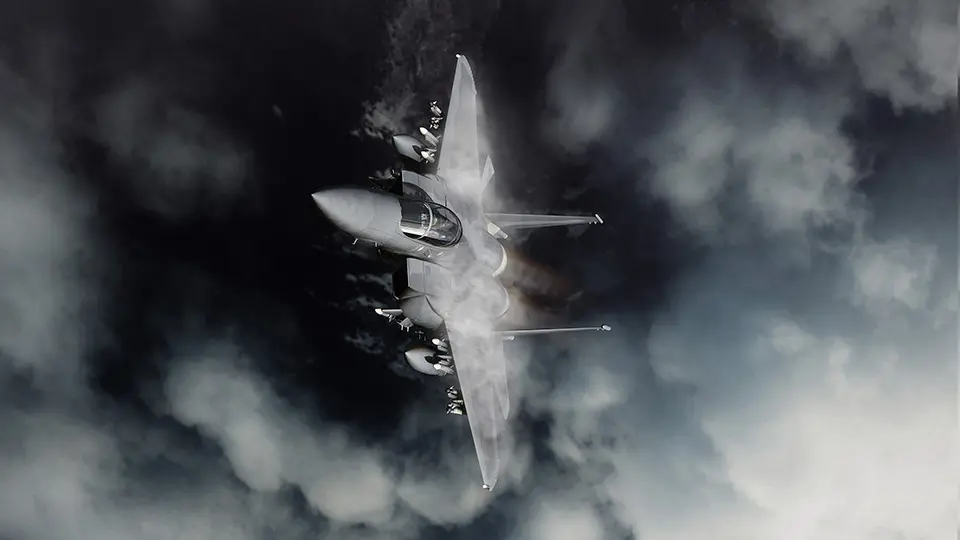
Biofuels used in military aviation must meet strict JP-8 standards for energy density, freezing point, and thermal stability. Early trials highlighted material issues, including polymer seal swelling and potential corrosion in fuel systems. Completely replacing fossil fuels will require overcoming these technical barriers to ensure safety and reliability at high speeds and altitudes.
Cost and Supply Limits
In 2023, sustainable aviation fuel cost up to four times more than traditional jet fuel. Global biofuel production still covers less than 0.1 per cent of total aviation demand. Expanding its use will require investment in feedstock production, refining capacity and global supply chains.
Strategic Drivers
Beyond environmental goals, biofuels help reduce military dependence on geopolitically sensitive oil regions. The US Air Force plans to certify its entire fleet for 50 per cent biofuel blends by 2030. NATO has also launched joint research to ensure biofuel-powered aircraft can operate seamlessly across allied forces.
Future Outlook
Fighter jets can already fly on biofuel blends, but real challenges remain: cost, scalability and material compatibility. The likely path forward is partial replacement, blending biofuels with conventional fuel to cut emissions while preserving performance. In the push for greener air power, speed alone will not decide the outcome; sustained research, investment and technological innovation will prove essential.
)
)
)
)
)