Bihar election 2025 results| Tejashwi may cling to Raghopur, but CM dreams sink with RJD, here’s why

Five years after steering the RJD to 75 seats and positioning it as the single largest party, just one seat ahead of the BJP, the 2025 trends represents a stark reversal.
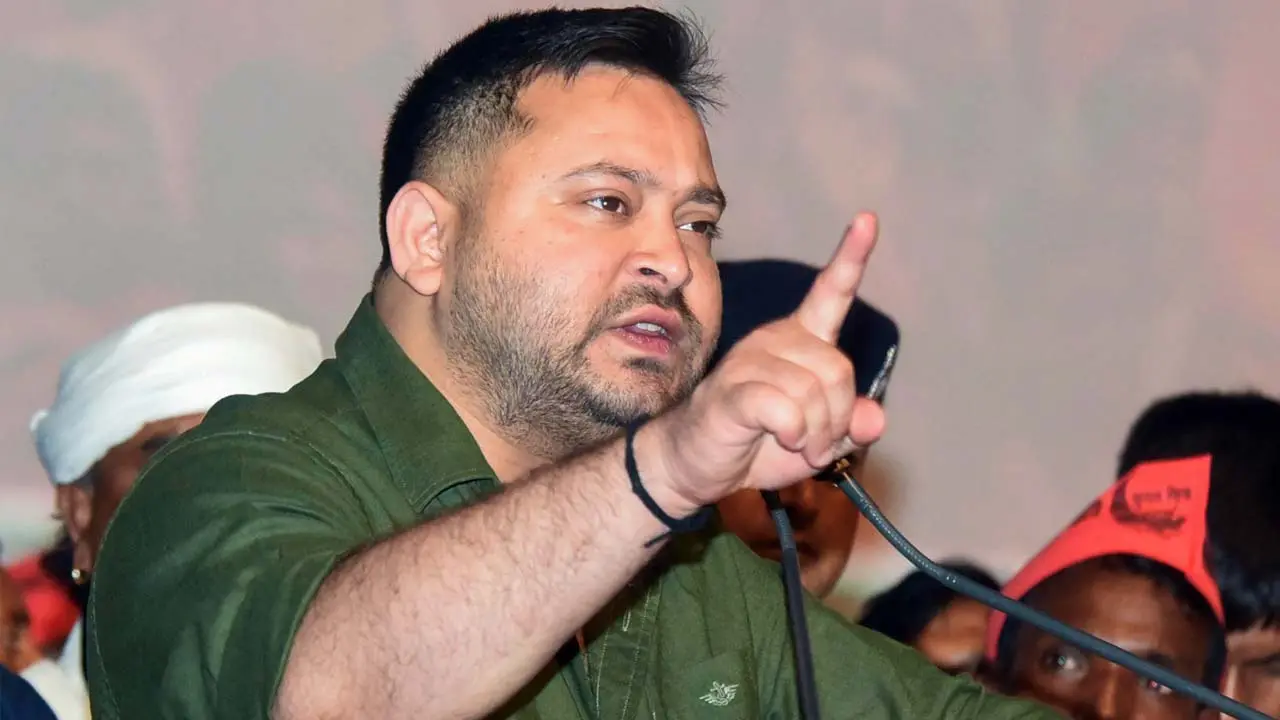
Tejaswi Yadav's hopes crushed?
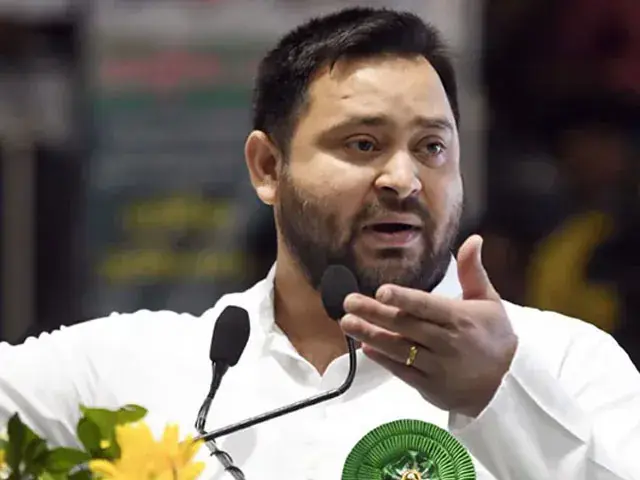
As counting trends placed the Rashtriya Janata Dal near the 30-seat mark and pushed the Mahagathbandhan below 50, a single question began to dominate Bihar’s political debate: where did Tejashwi Yadav miscalculate? Five years after steering the RJD to 75 seats and positioning it as the single largest party, just one seat ahead of the BJP, the 2025 trends represents a stark reversal. Conducted in two phases, with 121 constituencies voting on November 6 and the remaining 122 on November 11, this election delivered an unexpected jolt to the RJD. Despite unemployment and job creation forming the core of Tejashwi’s campaign, the pitch failed to translate into votes on the ground. The more pressing question now is: What exactly did the RJD get wrong this time, and how has it derailed Tejashwi’s chief ministerial ambitions, even if he manages to retain Raghopur, where he is leading by a margin of approximately 13,900 votes?
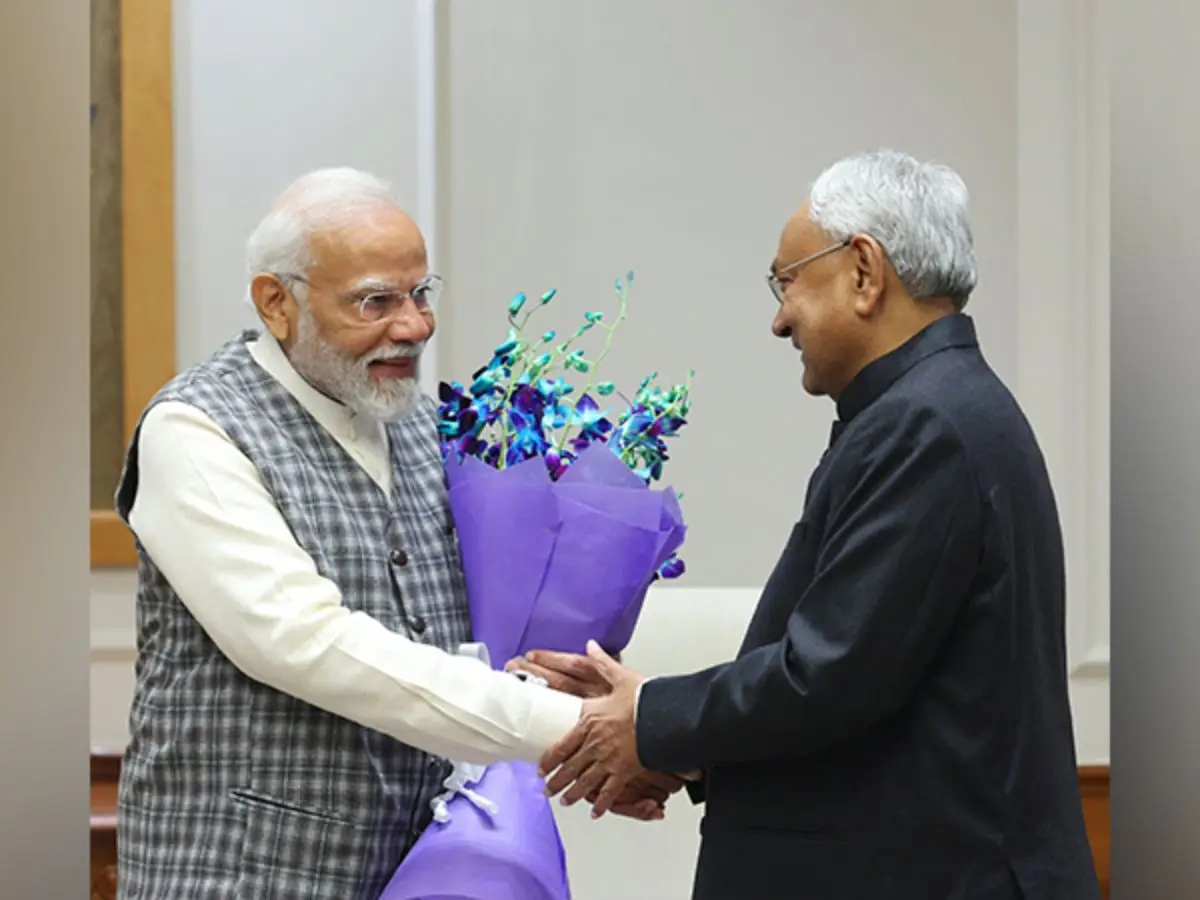
1. NDA’s Consolidation and the BJP–JD(U) Reunion
This election was shaped decisively by the reunion of the BJP and JD(U). After years of political realignment, Nitish Kumar’s return stabilised the National Democratic Alliance and restored the coalition’s familiar social arithmetic. With both major partners contesting 101 seats each, the NDA consolidated upper-caste, OBC, and EBC support at scale. This alignment left limited space for the RJD to expand beyond its traditional support base, setting the tone for the wider Mahagathbandhan decline.
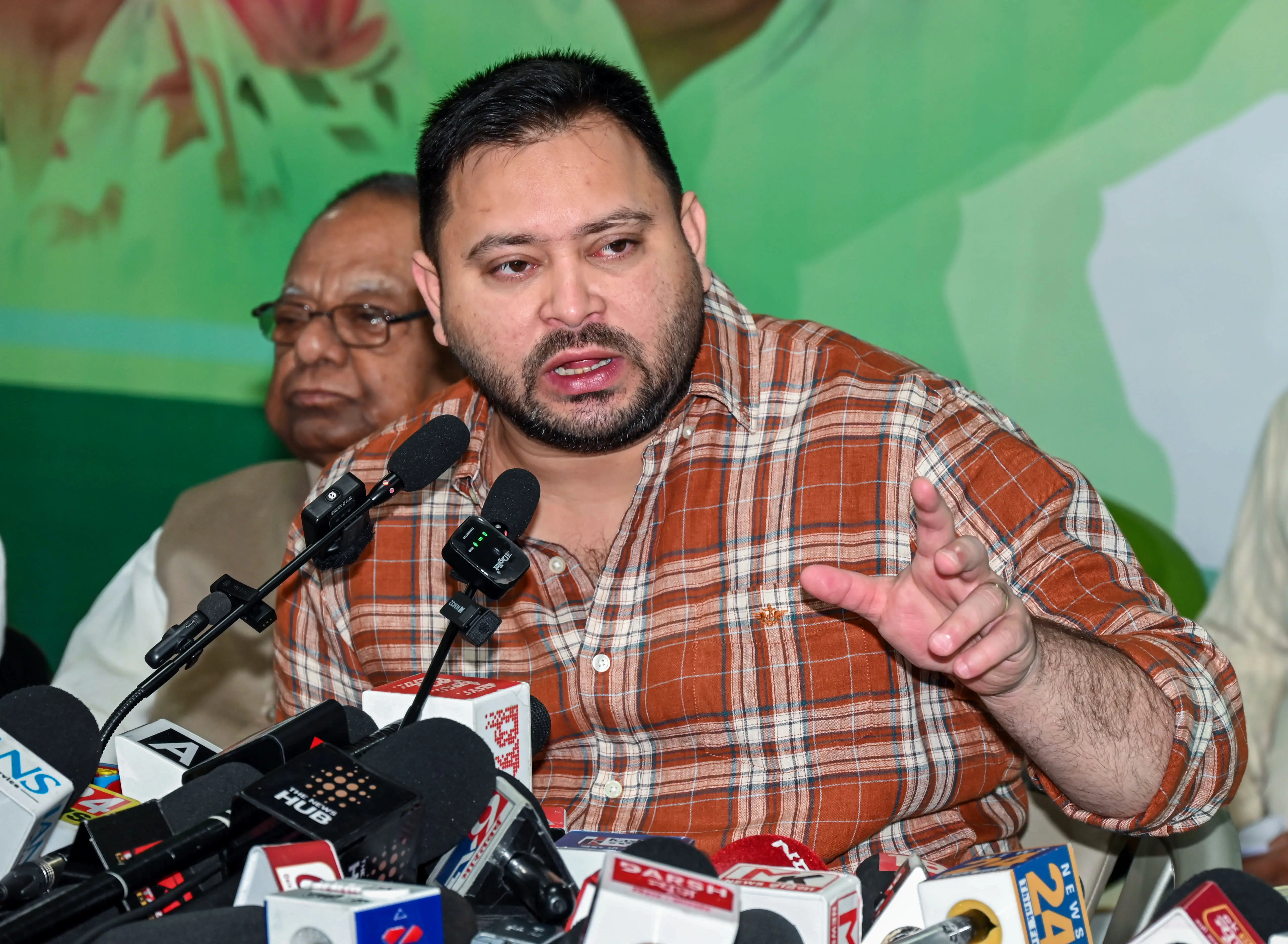
2. Fragmented Opposition and Weak Alliance Coordination
The Mahagathbandhan struggled to present a cohesive alternative. Congress’s continued underperformance again placed added strain on seat-sharing arithmetic, while the Left parties could not compensate for constituency-level deficits. The alliance’s messaging lacked clarity, and coordination gaps led to split anti-NDA votes in numerous tight seats. The visible tension within the bloc became a liability in high-stakes constituencies.
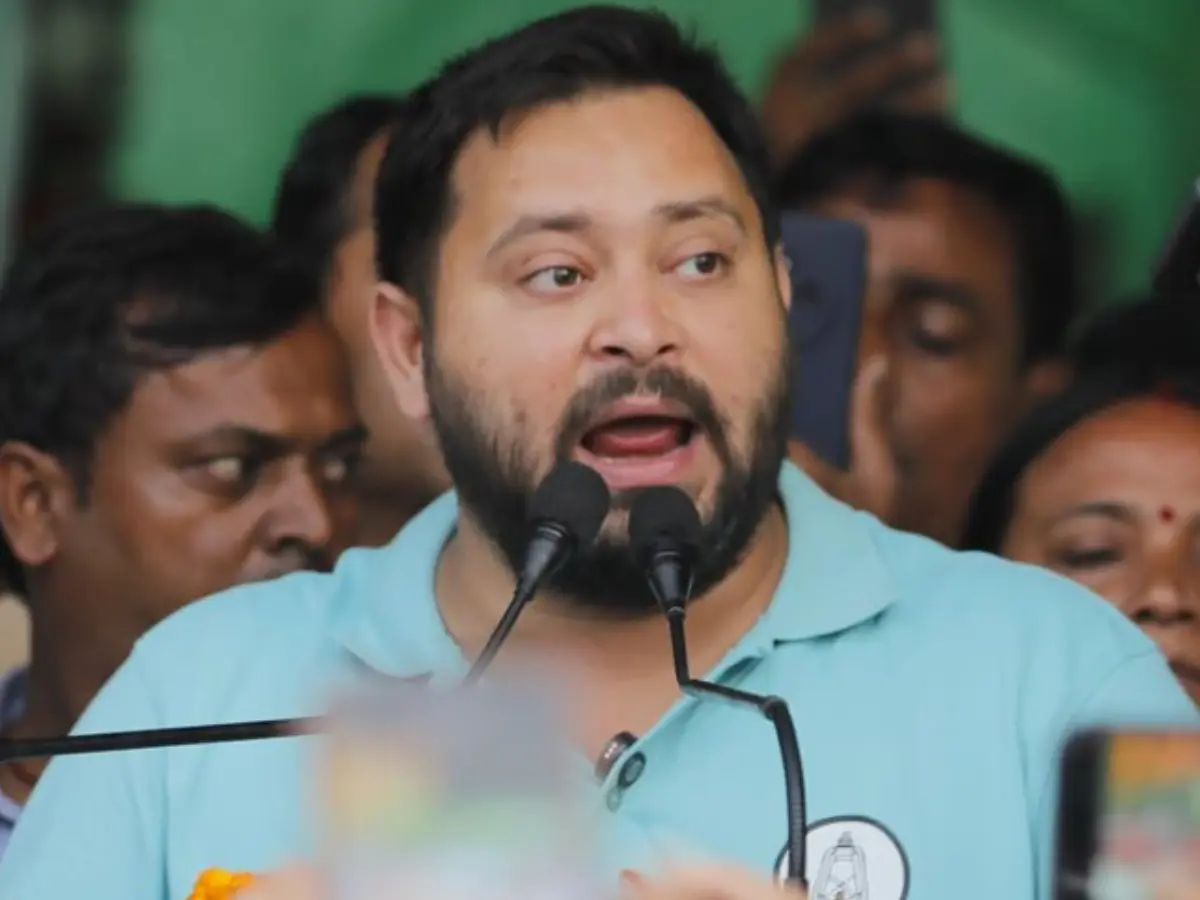
3. A High Vote Share but Poor Conversion
Despite retaining one of the highest vote shares in the state, the RJD faced a structural conversion problem. Its support was spread thinly, leading to victories by large margins in a few pockets but narrow losses in dozens of constituencies. By contrast, NDA votes were more concentrated and efficiently mobilised. This imbalance sharpened the scale of the RJD’s final tally.
4. Women Voters and Welfare Politics
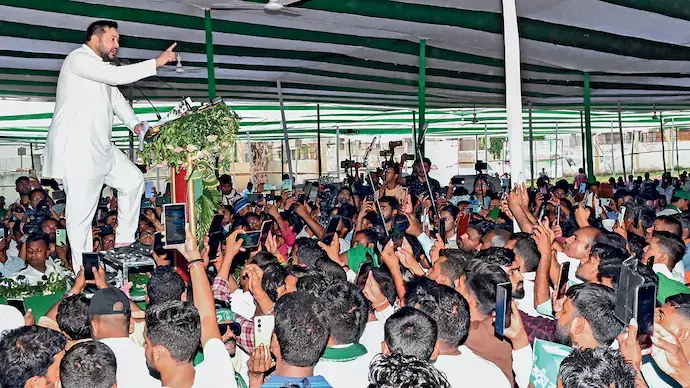
Tejashwi sought to make inroads into Nitish Kumar’s traditionally loyal women voter base through proposals like the Mai Bahin Maan Yojana and a one-time financial assistance scheme. But these promises were rolled out late in the campaign and failed to counter the deep goodwill Nitish had accumulated through years of women-focused welfare programmes. Compounding this was the RJD’s shift in campaign tone: unlike its strong, issue-driven messaging in 2020, the party this time became increasingly centred around the Congress’s “vote-chori” allegations against the BJP. The narrative proved counterproductive, allowing the NDA’s governance pitch to dominate and overshadow the Mahagathbandhan’s own promises.
5. The Limits of Expanding the Social Coalition
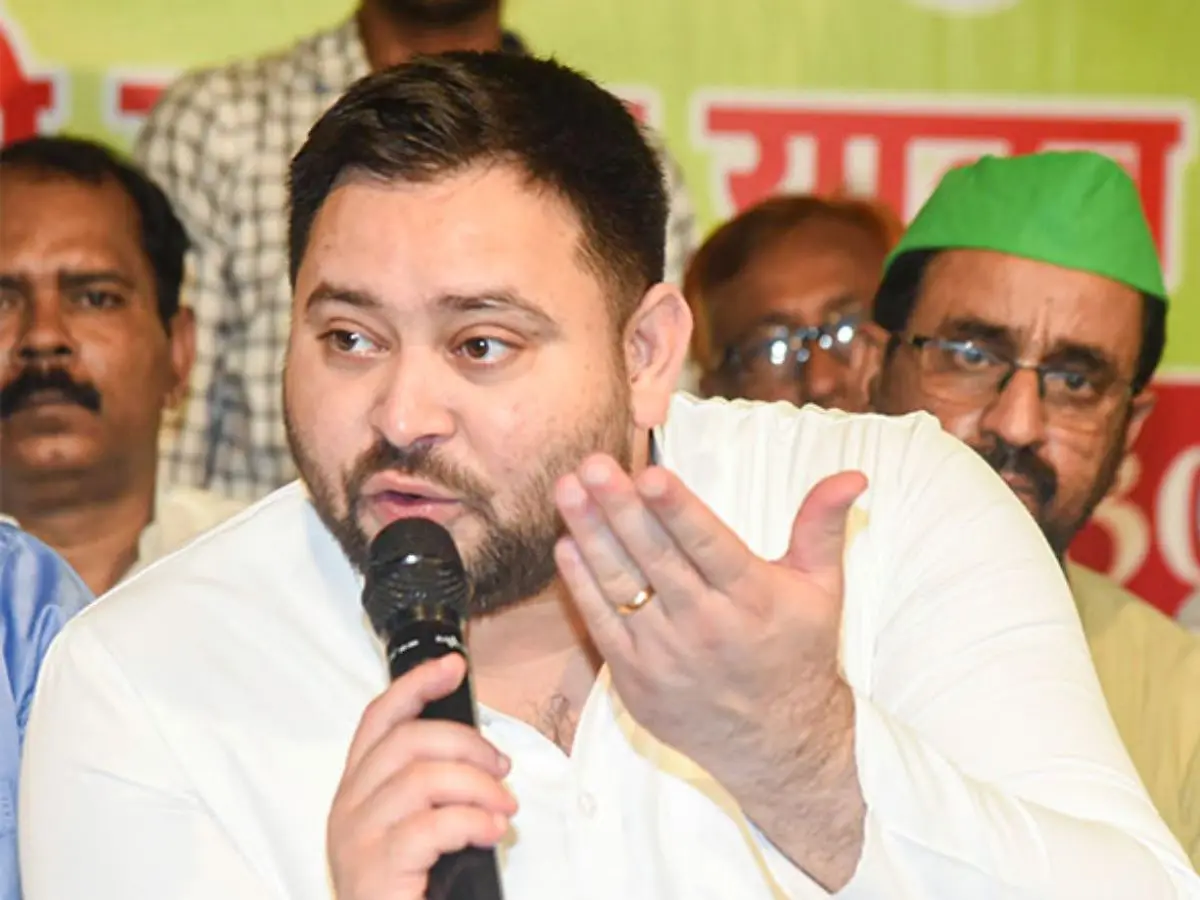
Since entering politics, Tejashwi has attempted to broaden the RJD’s image from an M-Y party to an 'A to Z' party. He inducted EBC and Dalit leaders, amplified youth outreach, and projected inclusivity. Yet, EBCs continued to consolidate behind JD(U), Dalits split between LJP and BJP, and women voters remained largely aligned with Nitish Kumar. The redesign of the coalition did not translate into electoral conversion.
6. The Resurgence of the ‘Jungle Raj’ Narrative
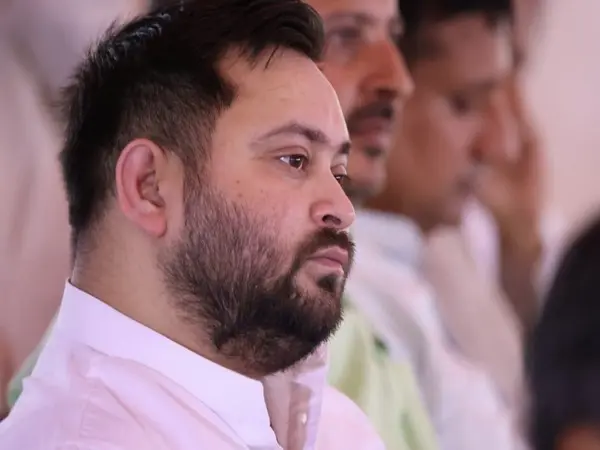
The 1990s image associated with the RJD resurfaced forcefully in the 2025 campaign. The NDA repeatedly invoked concerns over law and order under Lalu Prasad and Rabri Devi’s tenures. Despite efforts to project Tejashwi as a fresh, modern face of the party, voters’ long memories played a role. The narrative shaped perceptions in swing constituencies where governance concerns outweighed promises of jobs.
7. New Players and Vote Fragmentation
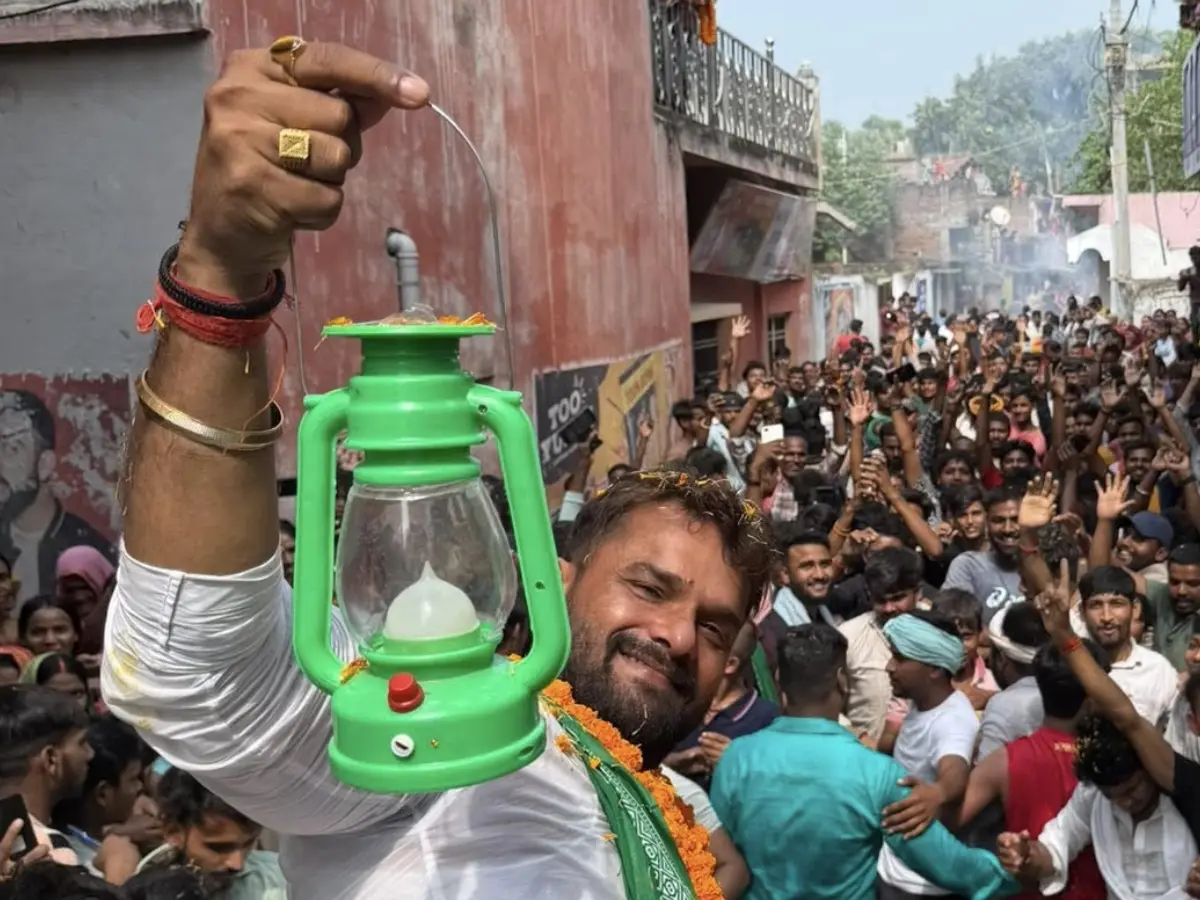
Emerging players such as Jan Suraaj and AIMIM, along with independents, fragmented the anti-NDA vote across several constituencies. Even modest vote shares reshaped close contests, pushing RJD candidates further behind. This trend was particularly visible in urban-semi-urban seats where margins often narrowed below a few thousand votes.
Conclusion
Tejashwi Yadav entered the 2025 election with significant political capital, but the convergence of an energised NDA, weak alliance coherence, inefficient vote translation, the persistence of older governance perceptions, and new vote-splitting players reshaped Bihar’s political landscape.
)
)
)
)
)