Bihar Election Results: 7 key reasons voters rejected Tej Pratap Yadav as ‘Chhota Lalu’

Tej Pratap struggled to build a coherent narrative on governance, development, or local welfare. Public perception of unpredictability, combined with limited resources, weakened his appeal beyond loyal supporters and local constituencies.
A bruising defeat in Mahua
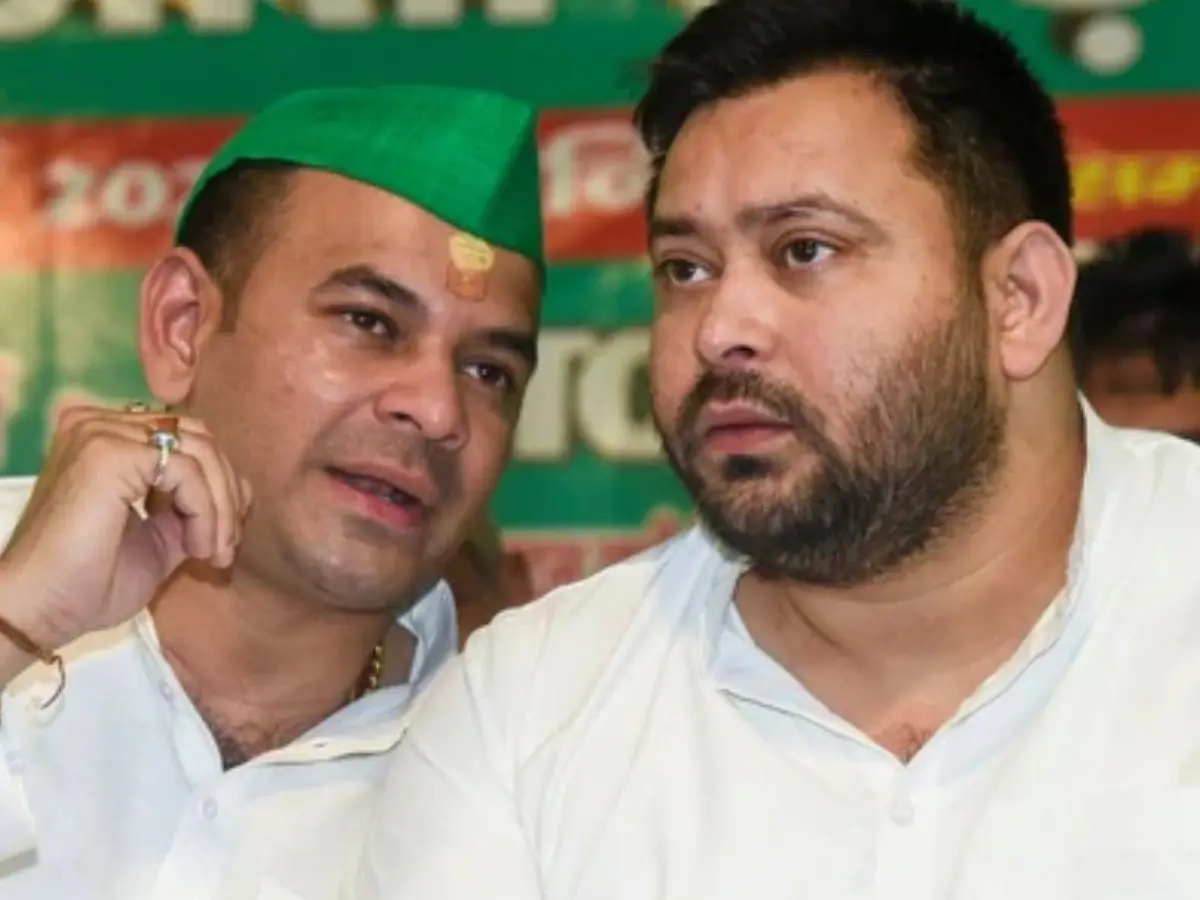
Tej Pratap Yadav, contesting the Mahua Assembly seat under his newly formed Janshakti Janata Dal (JJD), suffered a resounding defeat, losing by almost 55,000 votes. Sanjay Kumar Singh of Chirag Paswan’s LJP has won the set by nearly 45,000 votes, while RJD’s Mukesh Kumar Raushan came second. After conceding, Tej Pratap acknowledged Bihar’s verdict, praising the governance of Chief Minister Nitish Kumar and Prime Minister Narendra Modi, while pledging to play a constructive role in the future.
1. Expelled from RJD, carving his own path
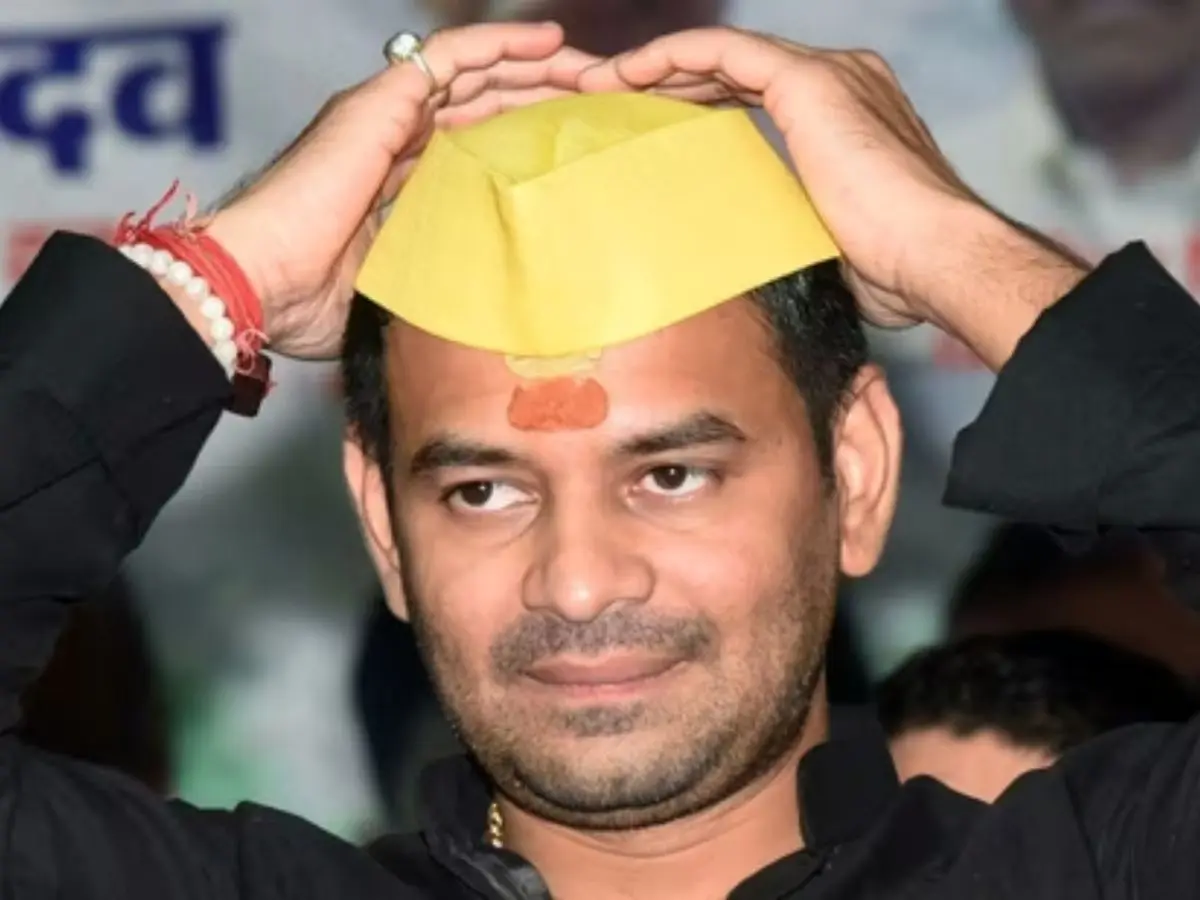
Earlier in 2025, Tej Pratap was expelled from the Rashtriya Janata Dal (RJD) due to growing tensions within the family and party. The expulsion forced him to launch the Janshakti Janata Dal, marking his first solo electoral campaign. This move highlighted both his ambition and the deepening rift within the Yadav family, as he attempted to challenge the political dominance of his younger brother, Tejashwi Yadav, the Mahagathbandhan’s chief ministerial candidate.
2. Fighting independently against the odds
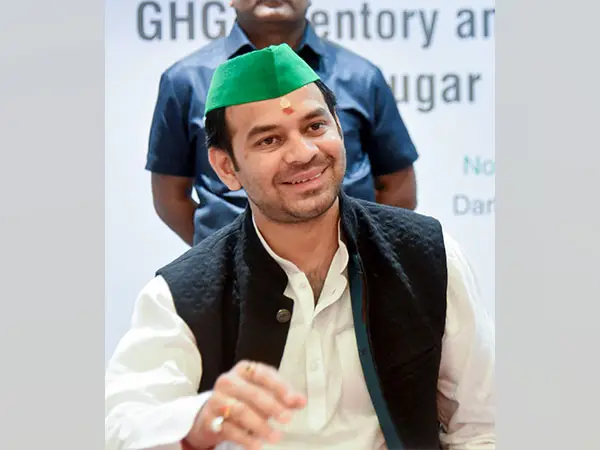
Campaigning without the organisational support of RJD presented a steep challenge. Tej Pratap had to rely on limited resources, volunteers, and local networks, which hampered outreach. While he remained a visible figure through social media, public speeches, and viral content, the absence of a party infrastructure severely limited his effectiveness compared to established rivals and his brother’s well-oiled campaign machinery.
3. Jabs and friction within RJD
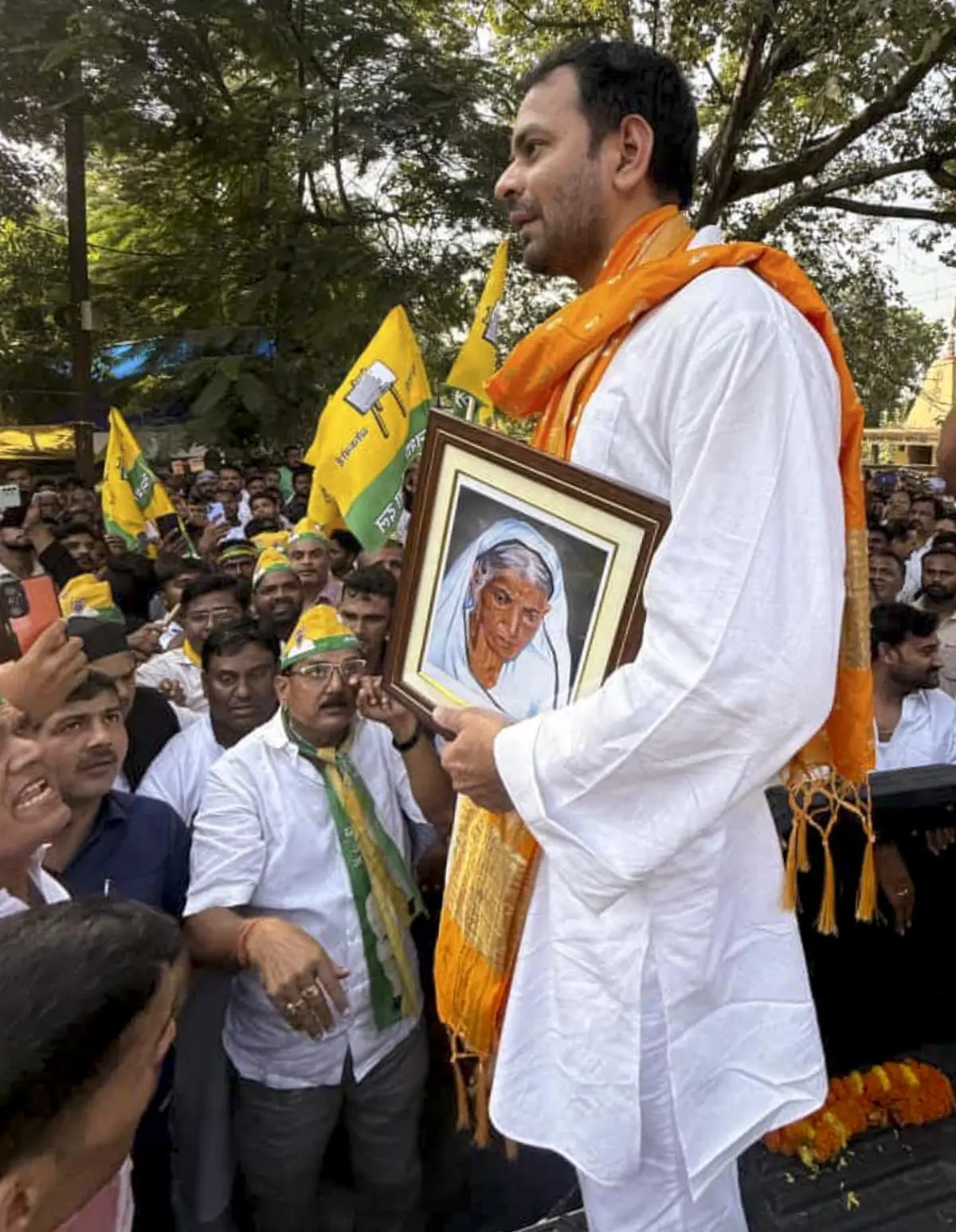
Tej Pratap frequently criticised RJD leaders, including Khesari Lal Yadav, exposing internal disagreements to the public. His campaign also featured a photograph of his late grandmother, Marachhiya Devi, to differentiate himself from Tejashwi. These moves reinforced the perception of a divided party and undermined his credibility. Rather than uniting voters around a clear political vision, his campaign became overshadowed by family disputes and intra-party tensions.
4. Family tussles and hierarchy impact
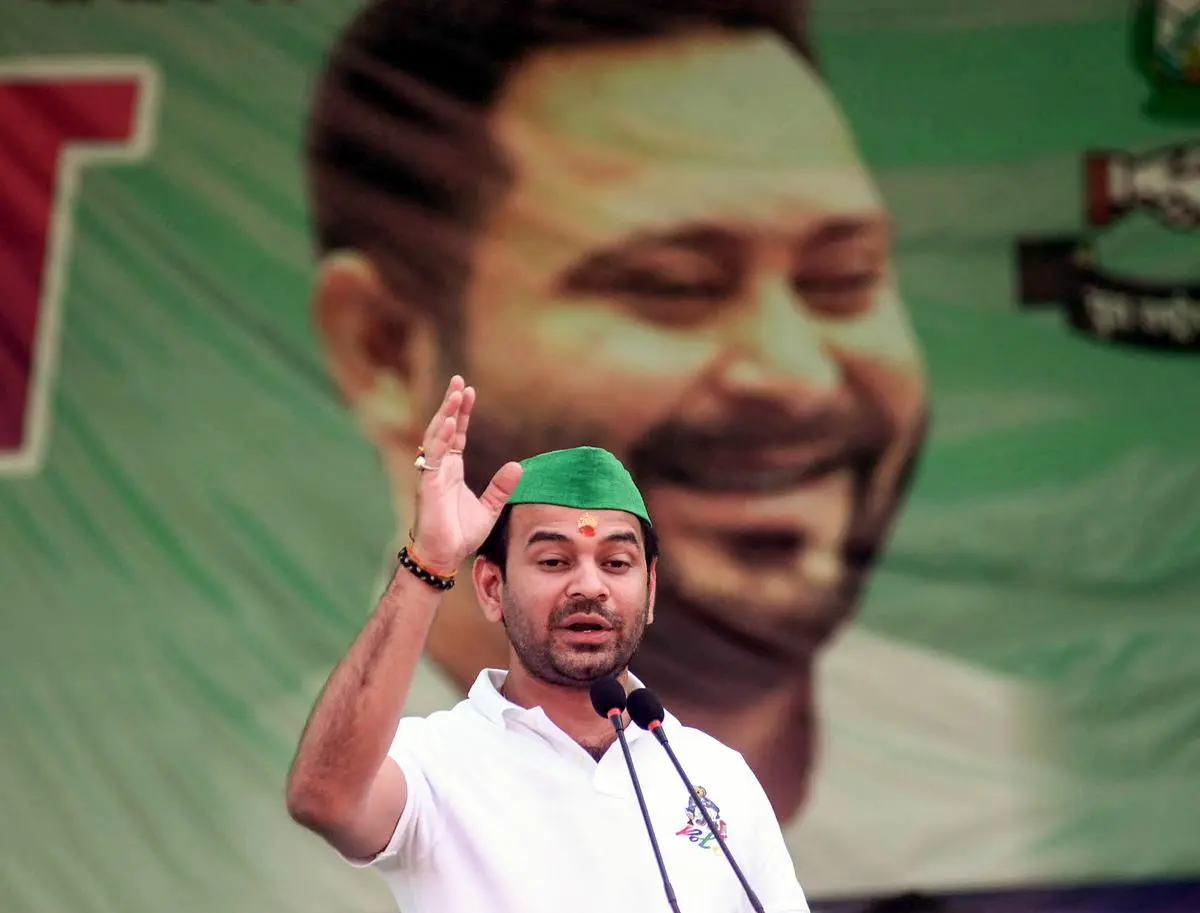
The Yadav family hierarchy significantly shaped voter perceptions. Tejashwi was positioned as the party’s central face, leaving Tej Pratap in a reactive role. Sharp contrasts emerged: Tejashwi projected governance experience and leadership, while Tej Pratap’s campaign appeared secondary. This dynamic reinforced his inability to establish himself as ‘Chhota Lalu’ and diminished his influence among voters.
5. Political and personal factors undermining appeal
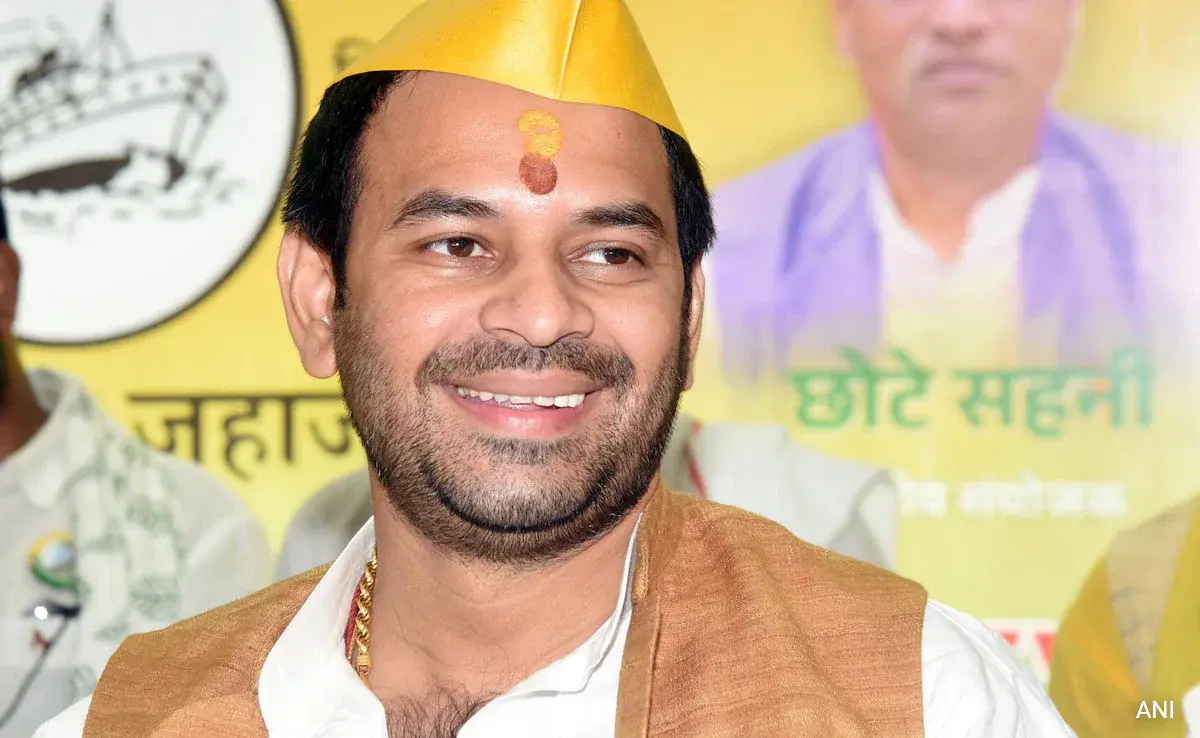
Tej Pratap struggled to build a coherent narrative on governance, development, or local welfare. Public perception of unpredictability, combined with limited resources, weakened his appeal beyond loyal supporters and local constituencies. His timing and messaging failed to resonate with voters who sought clarity, competence, and a credible alternative to existing leadership.
6. Weak organisation and ground-level network
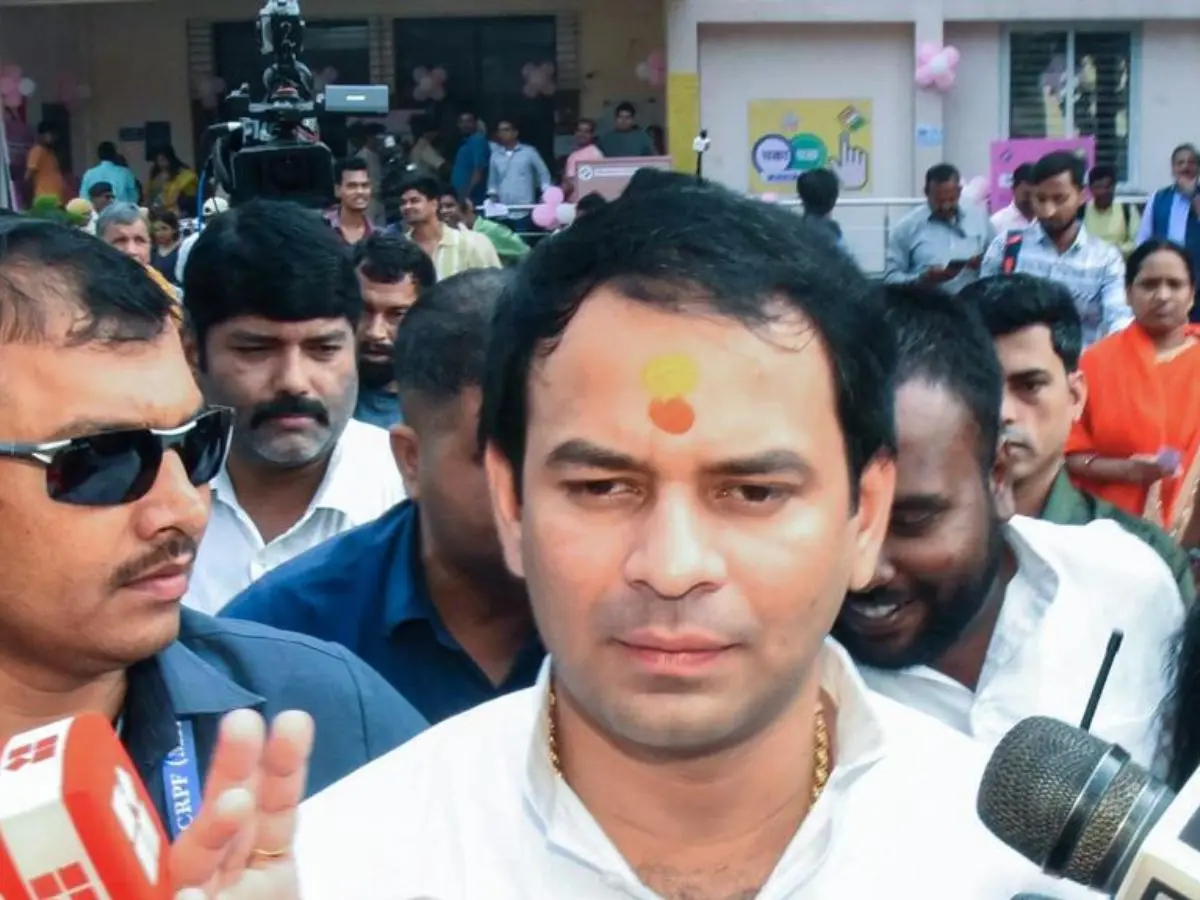
As a newly formed party, JJD lacked booth committees, district networks, or trained workers to mobilise voters. Established parties like RJD, JD(U), and BJP have spent years building deep-reaching structures in villages. Without a strong grassroots presence, JJD struggled to communicate its message, particularly to women and first-time voters, leaving the party unable to make meaningful inroads. In fact, Tej Pratap was often caught on camera, struggling to remember the names of the candidates and villages, while campaigning.
7. Failure to convert visibility into votes
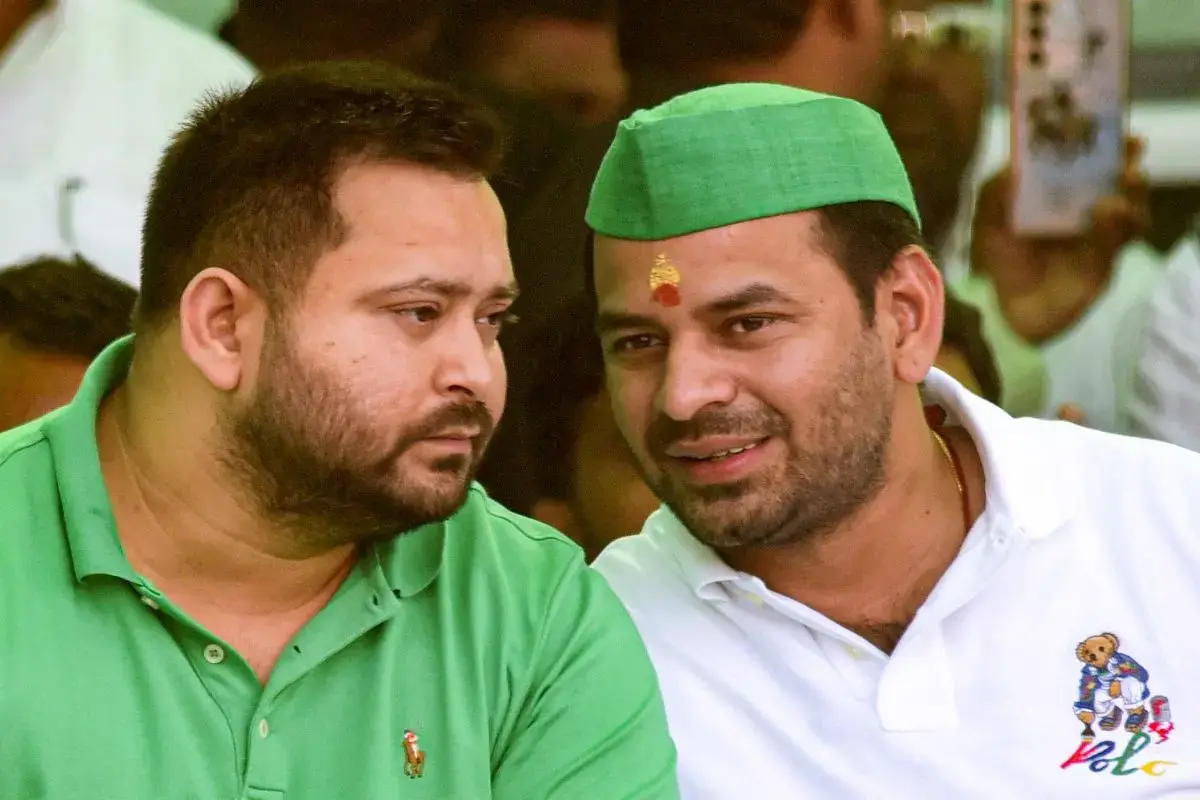
Despite viral media attention and widespread online visibility, Tej Pratap’s campaign failed to translate into electoral success. Focused on personal branding, family disputes, and clashes with RJD leaders, he neglected substantive voter concerns such as employment, development, and local welfare schemes. Mahua, like many constituencies, depends heavily on caste equations, alliances, and candidate reputation. With the Yadav vote split across multiple candidates, JJD was unable to secure traction, leaving Tej Pratap overshadowed by his younger brother and relegated to the political sidelines.
)
)
)
)
)