Bigger, slower, deadlier? The B-52 bomber's biggest advantage has nothing to do with speed

The B-52's true advantage is its 70,000-pound payload and 8,800-mile range. As the ultimate standoff truck, the bomber is getting a USD 48.6 billion upgrade with new engines to fly into the 2050s.Untitled Summary
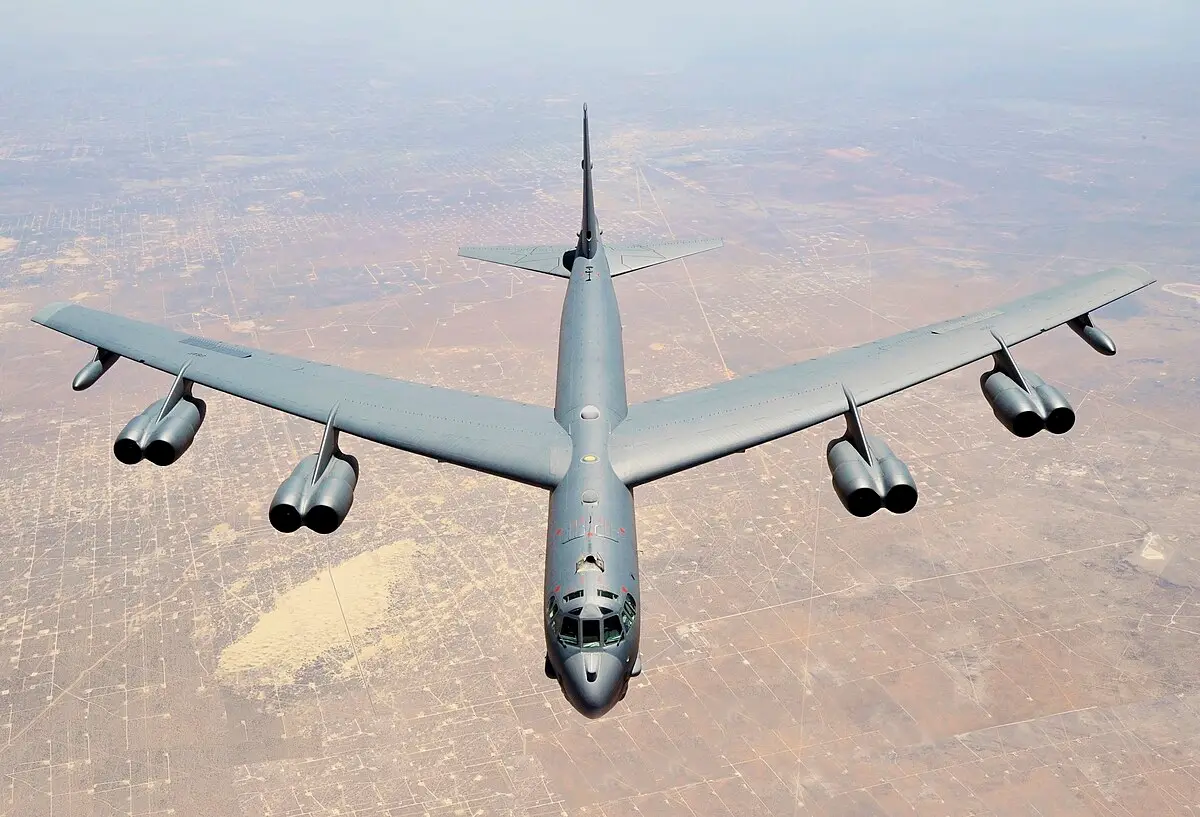
The Subsonic Giant
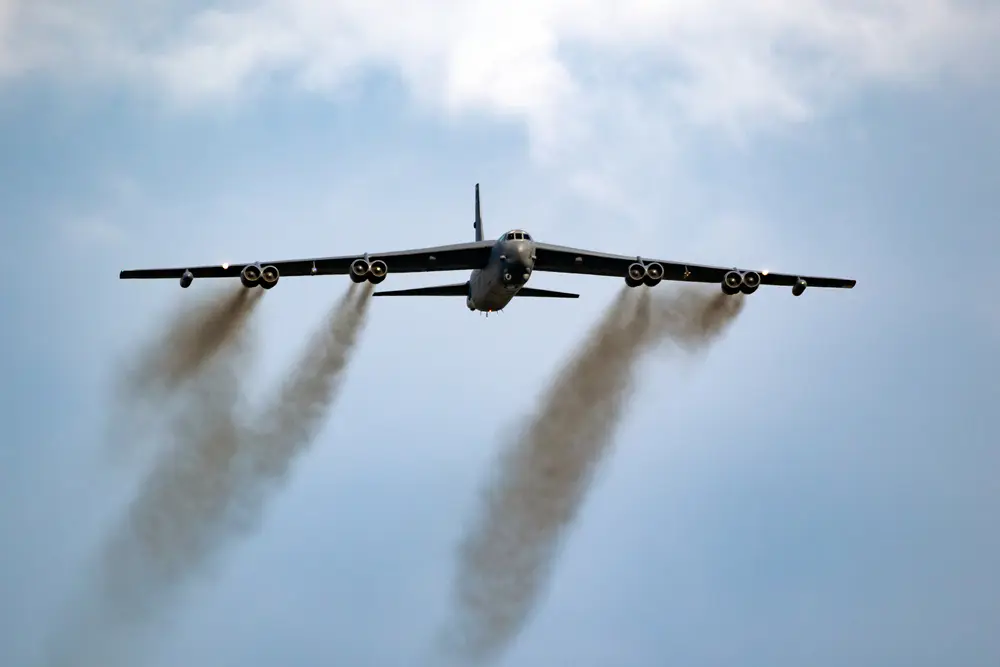
Despite being a subsonic aircraft with a top speed of roughly 650 miles per hour, the Boeing B-52 Stratofortress remains a critical element of global defence. Its biggest advantage relies entirely on its massive physical scale rather than its ability to outrun modern threats.
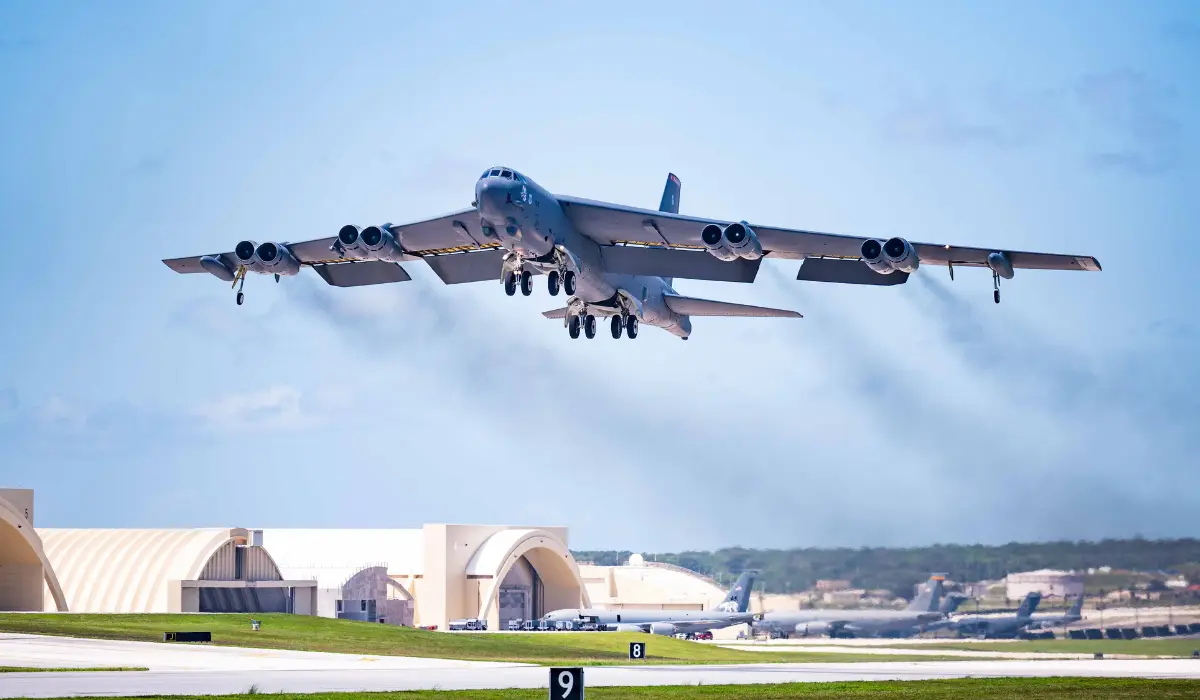
The Ultimate Weapons Truck
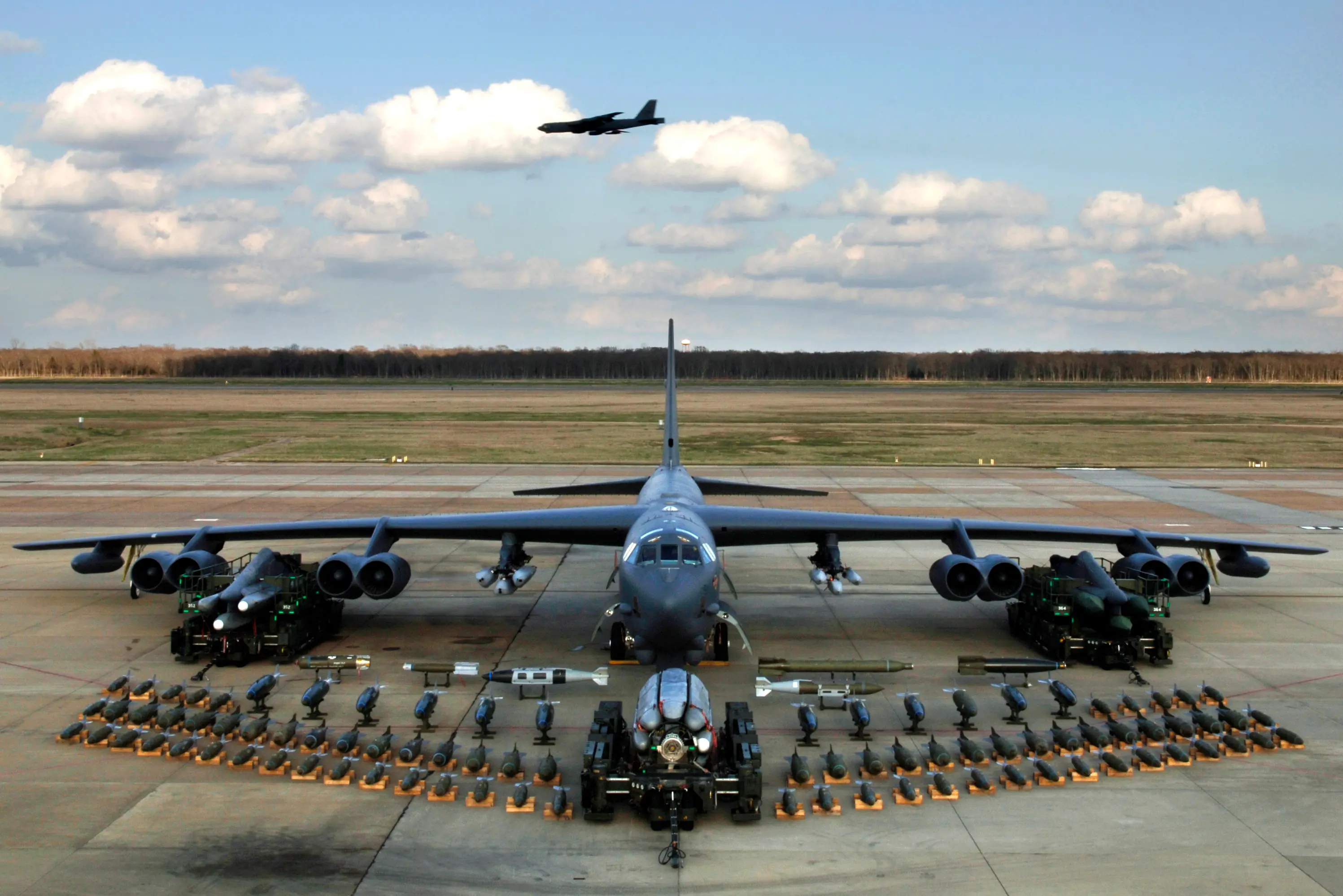
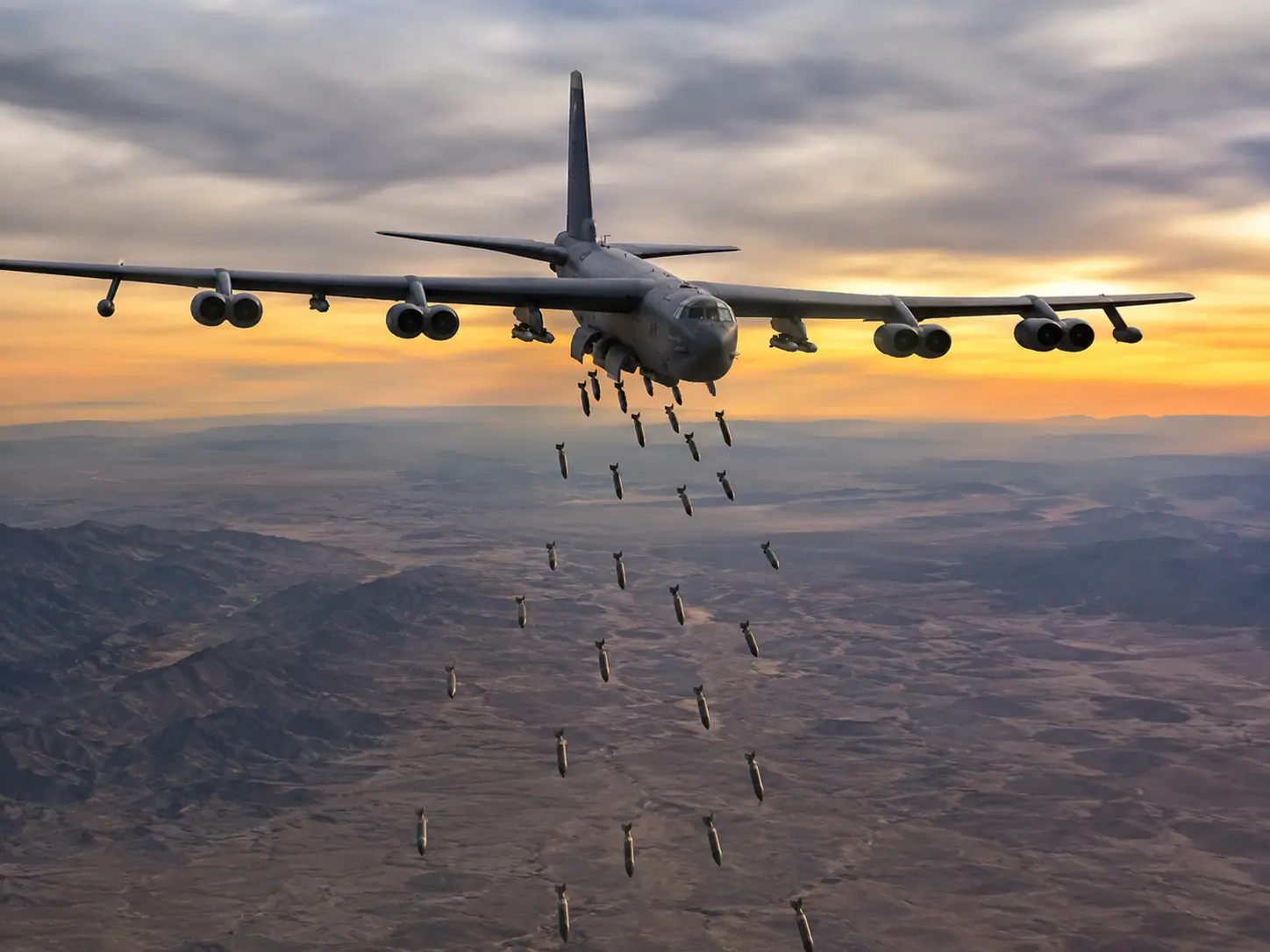
The aircraft's true power lies in its colossal 70,000-pound payload capacity. This enormous internal volume and heavy external pylons make the B-52 an ideal flying truck for deploying the widest array of conventional and precision-guided weapons in the inventory.
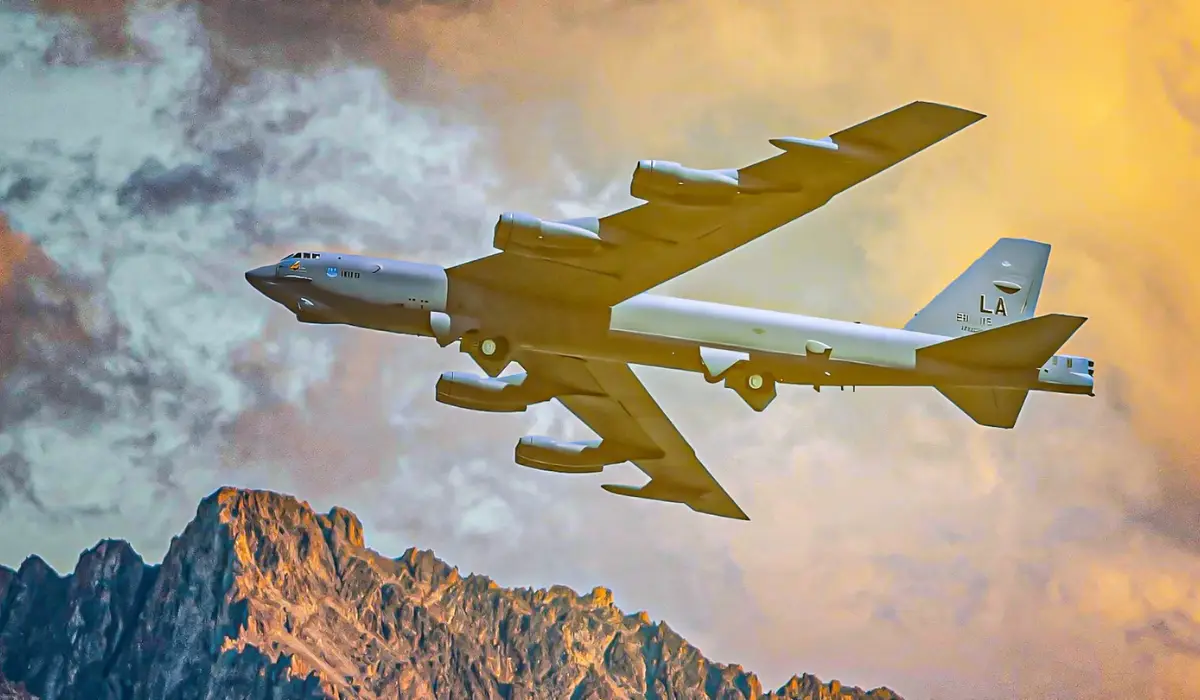
The Standoff Strategy
Because it cannot safely penetrate advanced enemy air defences, the heavy bomber simply does not try. Instead, it uses its immense capacity to launch next-generation standoff weapons, such as the AGM-158B JASSM-ER cruise missile, from thousands of miles away in uncontested airspace.
An Unmatched Range
Without relying on mid-air refuelling, the massive bomber boasts a staggering unrefuelled combat range of approximately 8,800 miles. When paired with aerial tankers, this immense endurance grants the aircraft virtually unlimited global reach and loitering time above the battlefield.
Cost-Effective Firepower
The B-52 was heavily overbuilt for its mission, and its airframes have accumulated far fewer flight hours relative to their structural limits. Operating this conventional giant is vastly cheaper than deploying multi-billion dollar stealth bombers, offering commanders highly affordable mass firepower.
The B-52J Evolution
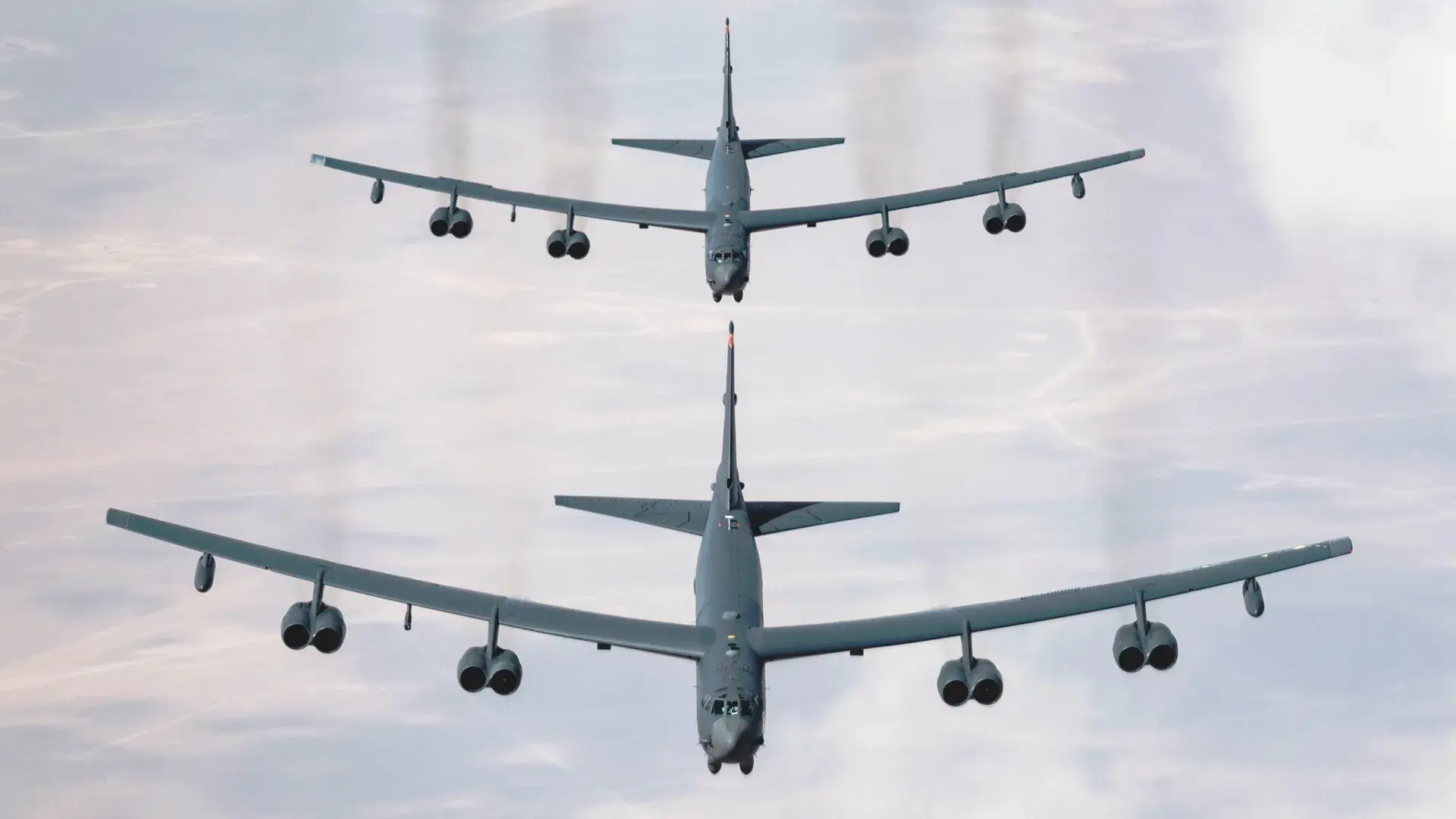
To maintain this standoff advantage, the Pentagon is executing a massive USD 48.6 billion modernisation programme. The fleet will be completely overhauled with digital avionics and new Raytheon AN/APQ-188 AESA radars, officially transitioning the aircraft into the B-52J variant.
New Engines, New Century
The core of this USD 48.6 billion upgrade involves replacing the obsolete turbofans with eight modern Rolls-Royce F130 engines. This crucial modification will deliver roughly a 30 per cent improvement in fuel efficiency, ensuring the heavy bomber flies into the 2050s.
)
)
)
)
)