Bharatiya Antariksha Station: Will India enter the elite space club before ISS retires?

The first module is slated for launch in 2028, with the complete station expected to be operational by 2035, positioning India alongside the United States, Russia, and China as nations that have independently operated space stations, either currently or in the past.
India’s Foray into Independent Space Stations
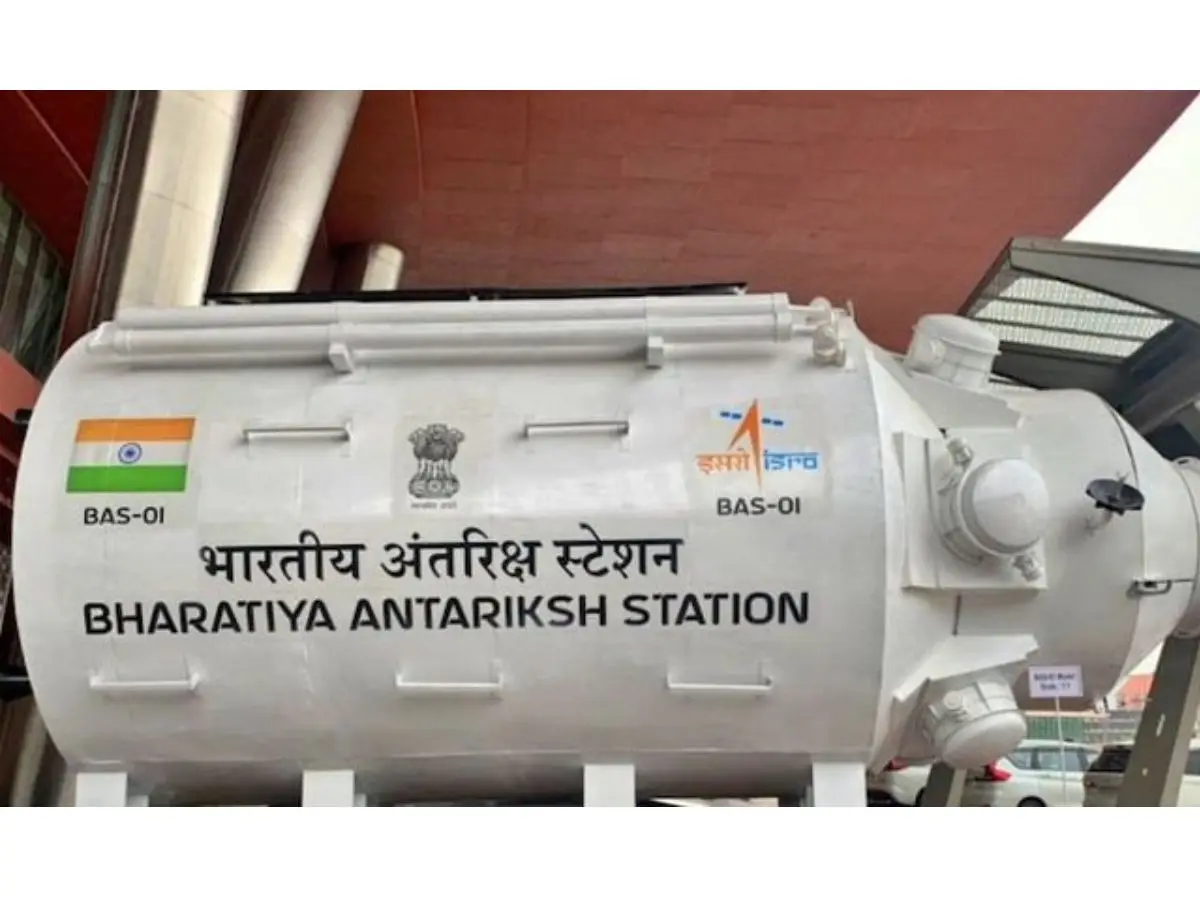
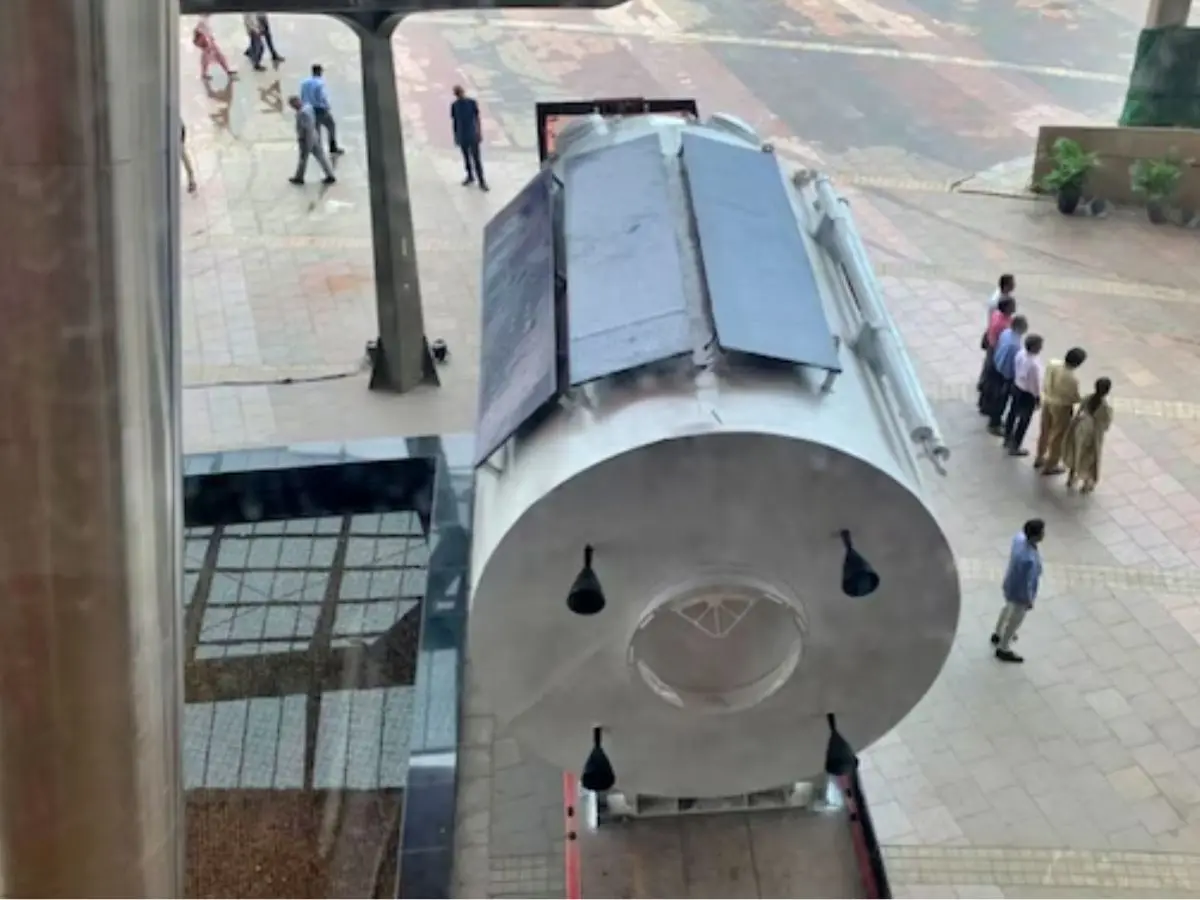
India is preparing to join a select group of nations with its own orbital laboratory: The Bharatiya Antariksha Station (C). In August 2025, during the National Space Day celebrations at Bharat Mandapam in New Delhi, ISRO unveiled a 3.8 by 8-metre model of the BAS-01 module, signalling the country’s ambitions in low Earth orbit. The first module is slated for launch in 2028, with the complete station expected to be operational by 2035, positioning India alongside the United States, Russia, and China as nations that have independently operated space stations, either currently or in the past.
Modular Design and Configuration
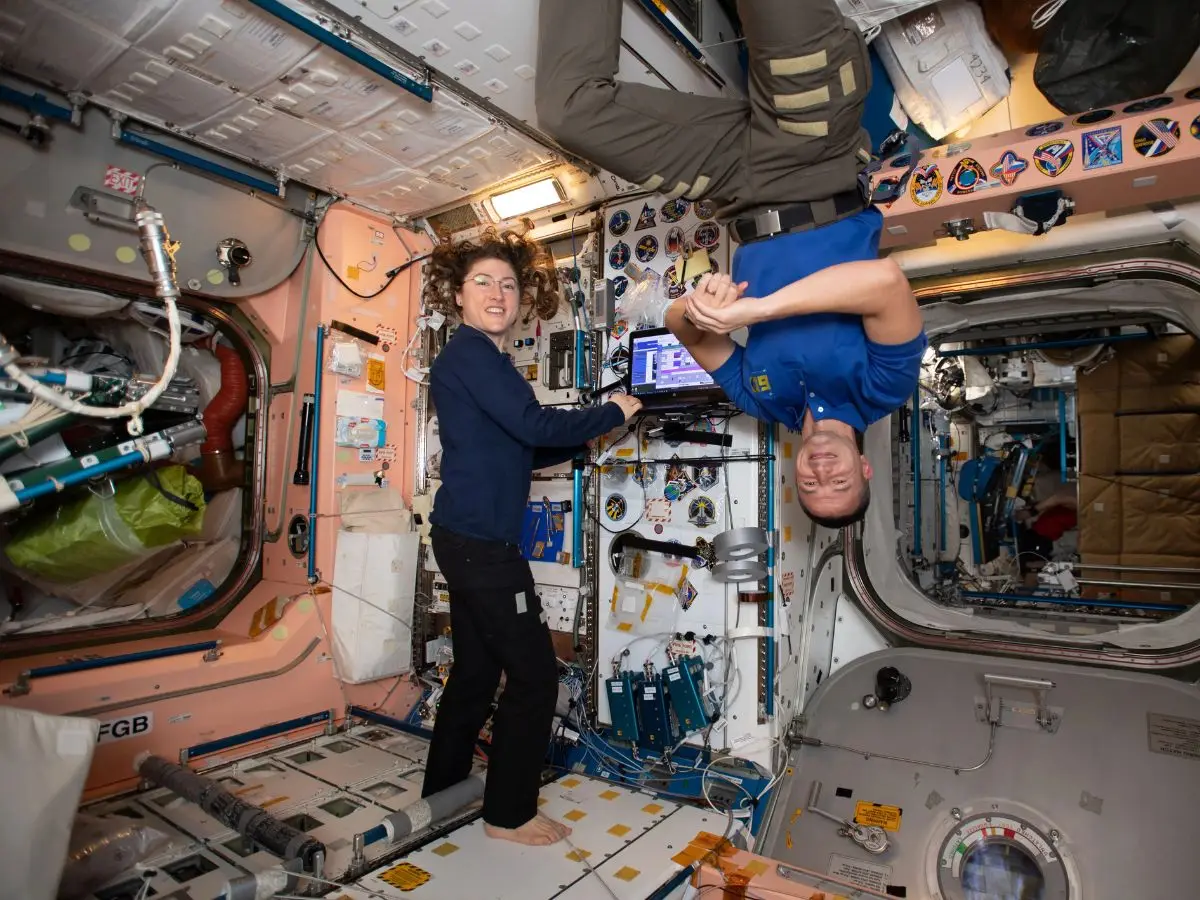
The Bharatiya Antariksha Station will consist of five interconnected modules: the Base, Core, Science, Laboratory, and Common Berthing modules, each serving specific functions such as crew accommodation, scientific research, and docking operations. The first module, BAS-01, is expected to weigh around 10 tonnes and will be placed in low Earth orbit at 450 km. Its launch, scheduled for 2028, precedes the International Space Station’s planned retirement around 2030, however, the complete five-module station is expected to be operational by 2035.
Indigenous Technological Innovations
India’s home-grown engineering is at the heart of BAS. Key systems include the Environmental Control and Life Support System (ECLSS), Bharat Docking System, Bharat Berthing Mechanism, and an automated hatch system. The station will also feature integrated avionics, radiation shielding, protection from micro-meteoroids, and facilities for spacewalks and refilling propulsion and life-support fluids.
Scientific and Commercial Objectives
BAS will serve as a versatile research platform. It will enable studies of microgravity effects on human health, technology demonstration for long-term human spaceflight, and interplanetary exploration research. The station is also designed to support space tourism, providing India a foothold in the emerging commercial space sector. Furthermore, it will offer avenues for international collaboration and contribute to ongoing global space research initiatives.
Timeline and Launch Plans
ISRO plans to launch BAS-01 by 2028, marking India’s first independent presence in orbit. By 2035, all five modules are expected to be in place. This timeline positions BAS to begin operations shortly after the anticipated retirement of the International Space Station, ensuring continuity in human-occupied orbital laboratories.

Positioning Against Existing Stations
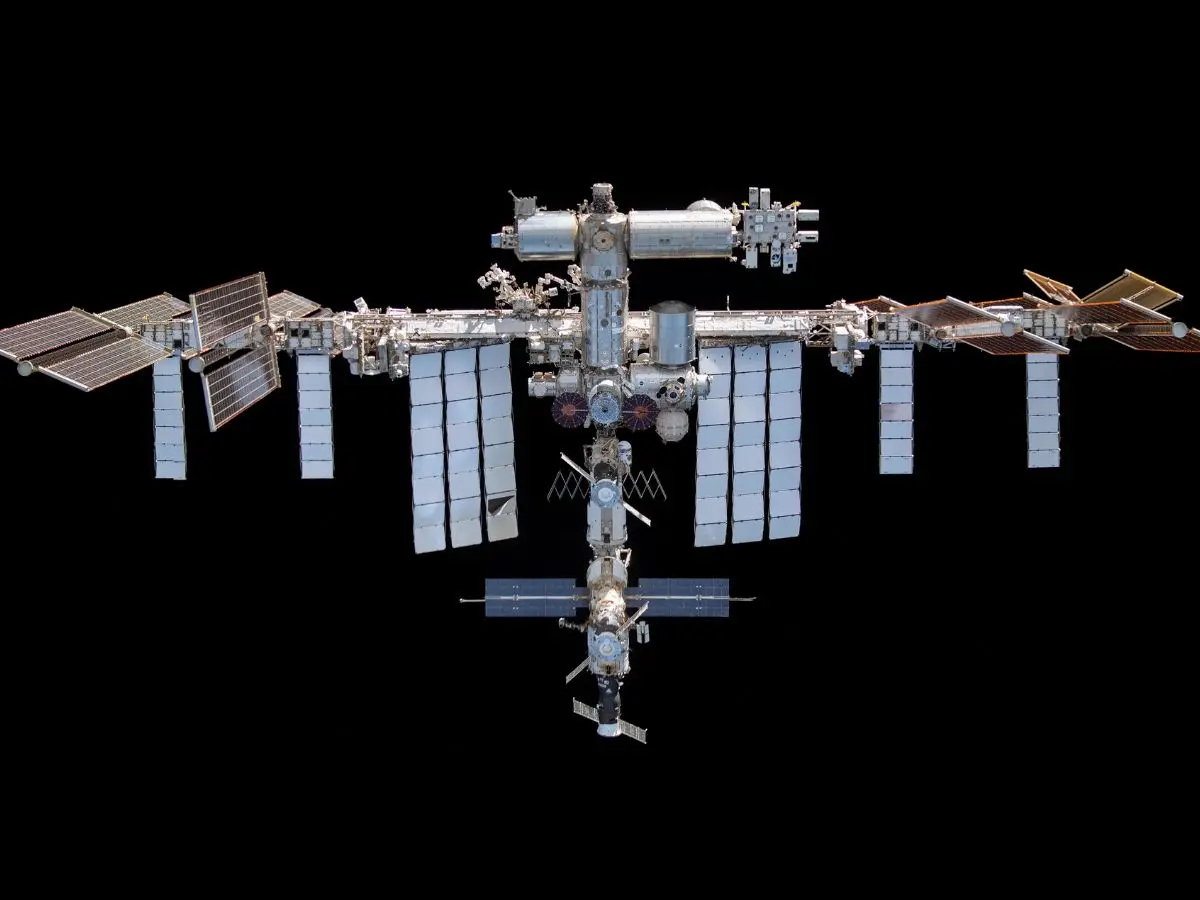
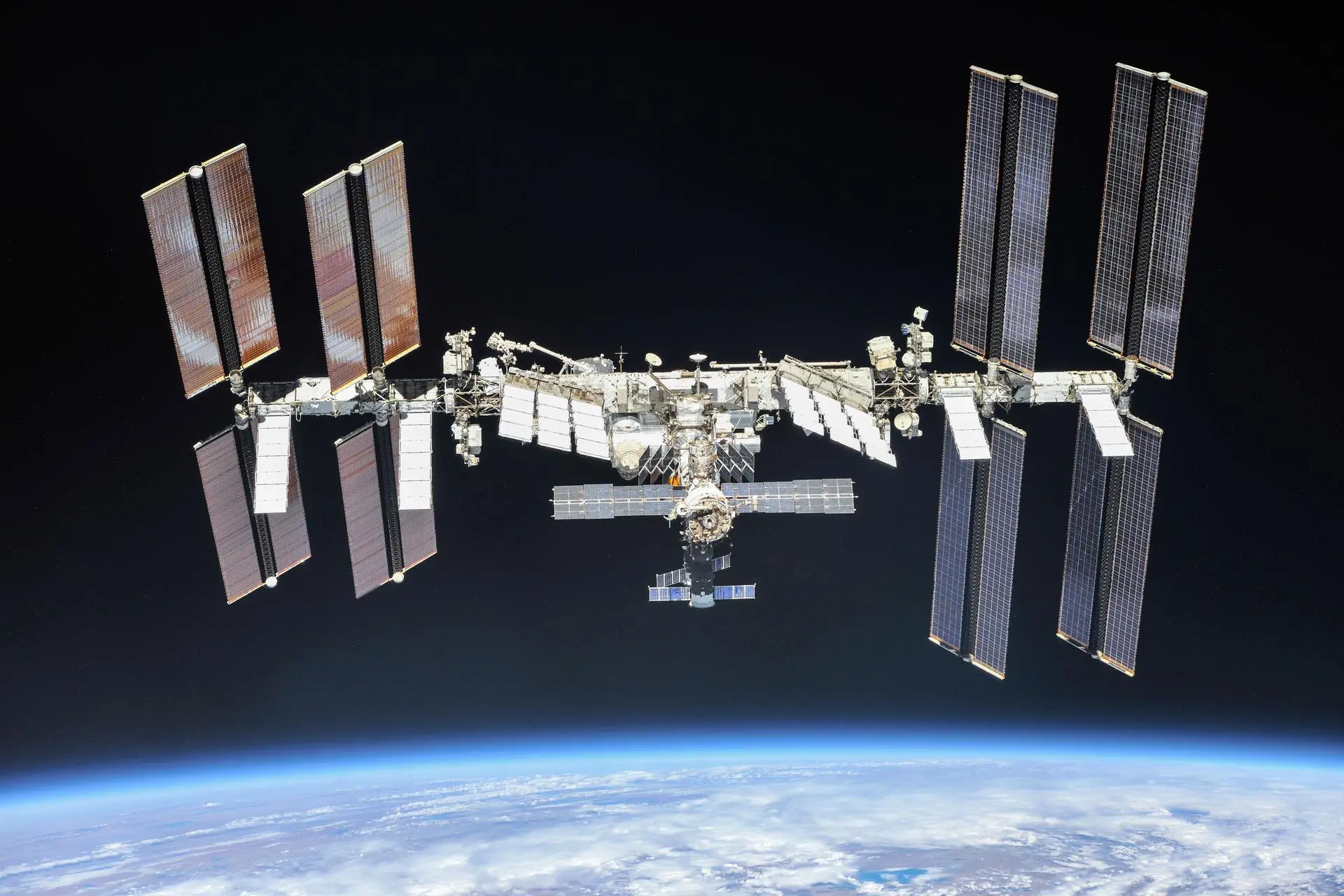
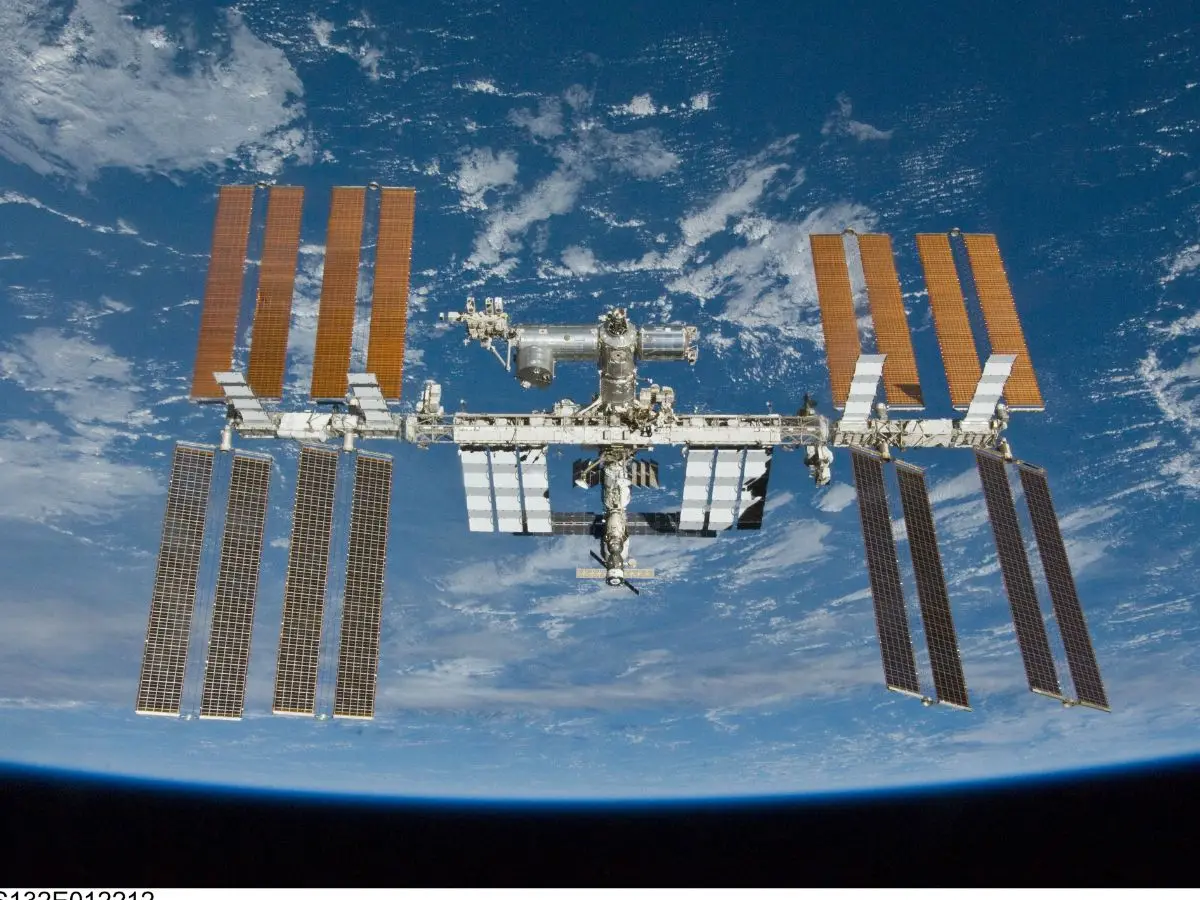
Currently, only two operational space stations orbit the Earth: the International Space Station (ISS), operated jointly by NASA, Roscosmos, ESA, JAXA, and CSA, and China’s Tiangong station. With the ISS expected to be decommissioned around 2030, BAS will represent India’s contribution to maintaining a human presence in low Earth orbit.
A Platform for the Future
Beyond research, the BAS aims to inspire the next generation of scientists and engineers. Its capabilities in microgravity experiments, technology testing, and international collaboration make it a critical asset for India’s long-term space ambitions. The station promises to solidify India’s status as a key player in orbital science and commercial space initiatives. The Bharatiya Antariksha Station reflects India’s strategic vision in space exploration. It will enhance scientific research, enable technology development, and offer commercial opportunities in orbit.
)
)
)
)
)