Beyond visual range isn’t guaranteed: Why air-to-air missile range claims don’t match combat reality

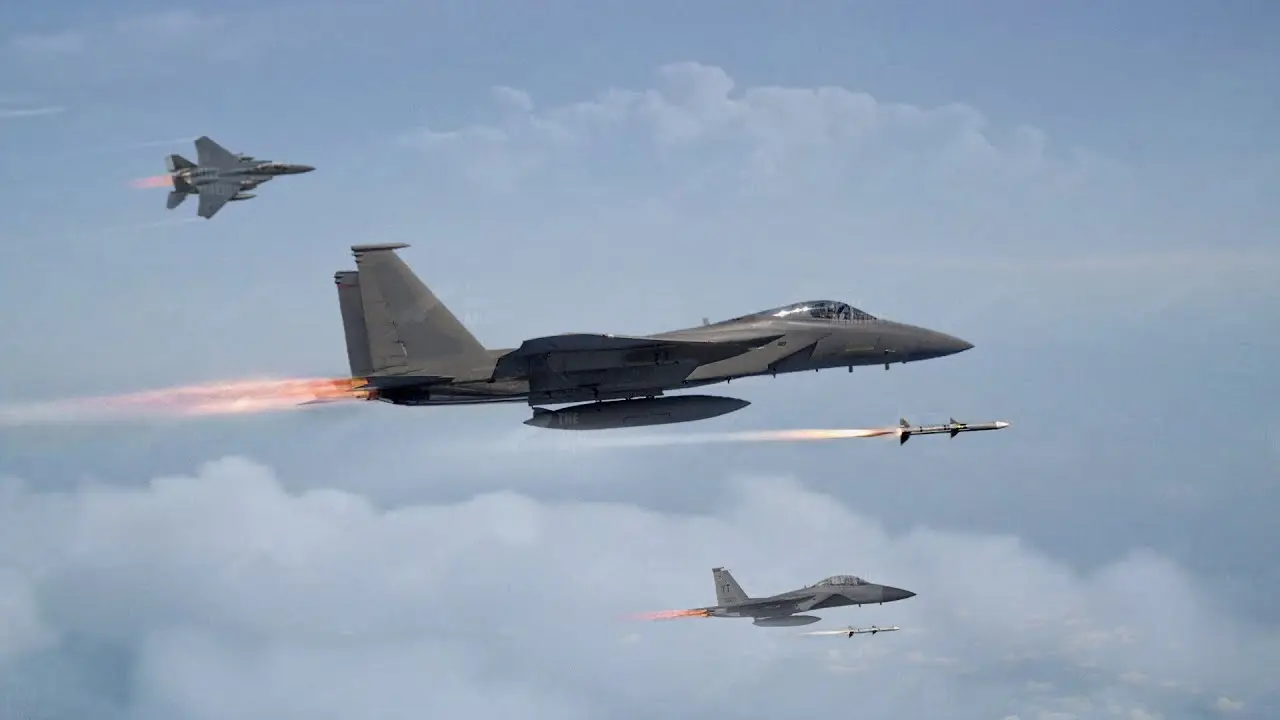
Missile range claims don't match combat reality. AIM-120's 160 km range becomes unreliable beyond 50 km. Target manoeuvre, weather, and electronic warfare reduce effective engagement distance dramatically from advertised figures.
Test Conditions Create Misleading Range Figures
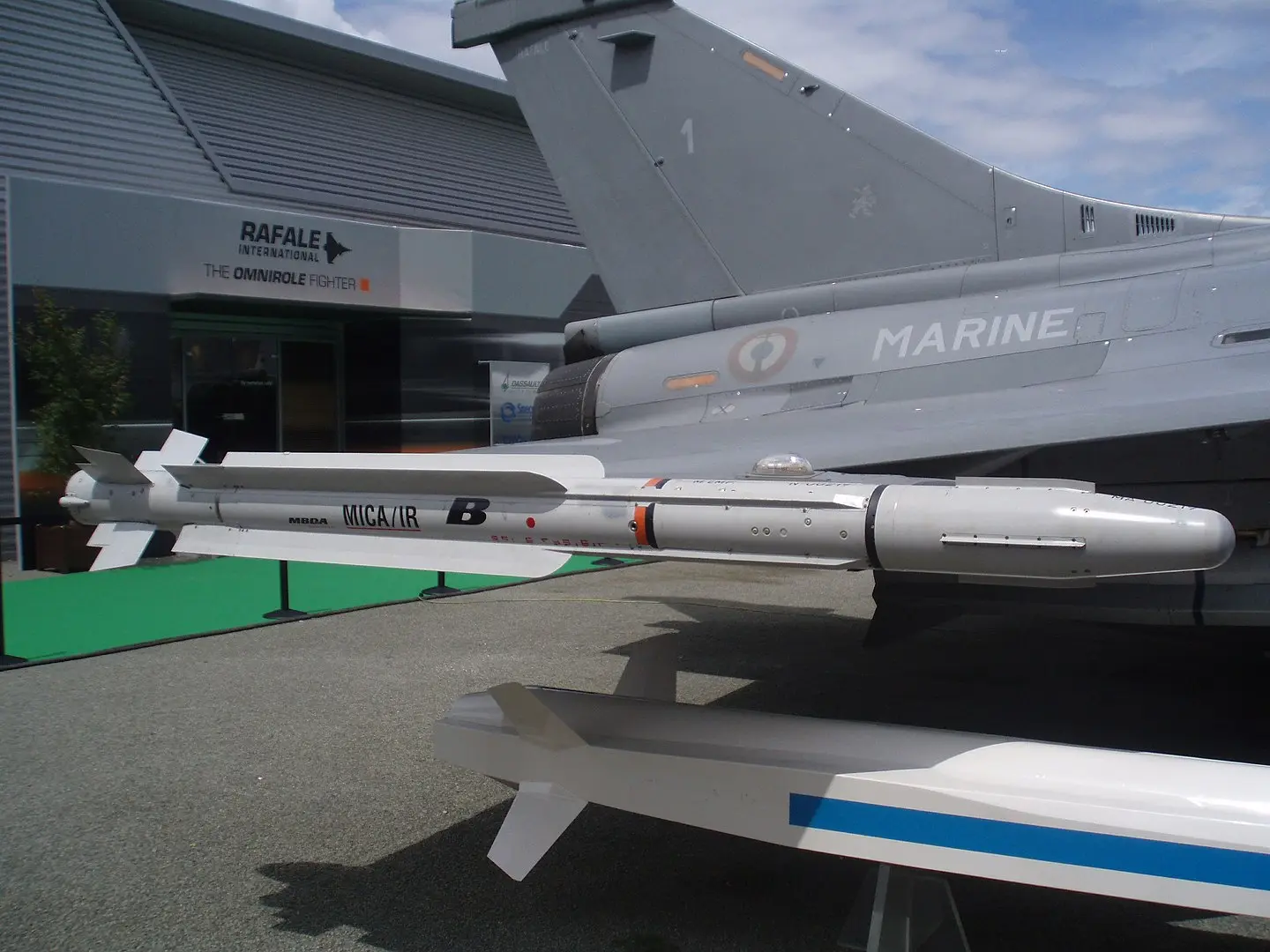
Missile ranges are measured under perfect conditions: launches from high altitude at supersonic speed, stationary or non-manoeuvring targets, clear weather, and uninterrupted datalink. Combat rarely provides these advantages. Range claims shrink dramatically when pilots launch from lower altitudes, lower speeds, or against evasive targets.
The No-Escape Zone Is Far Shorter Than Maximum Range
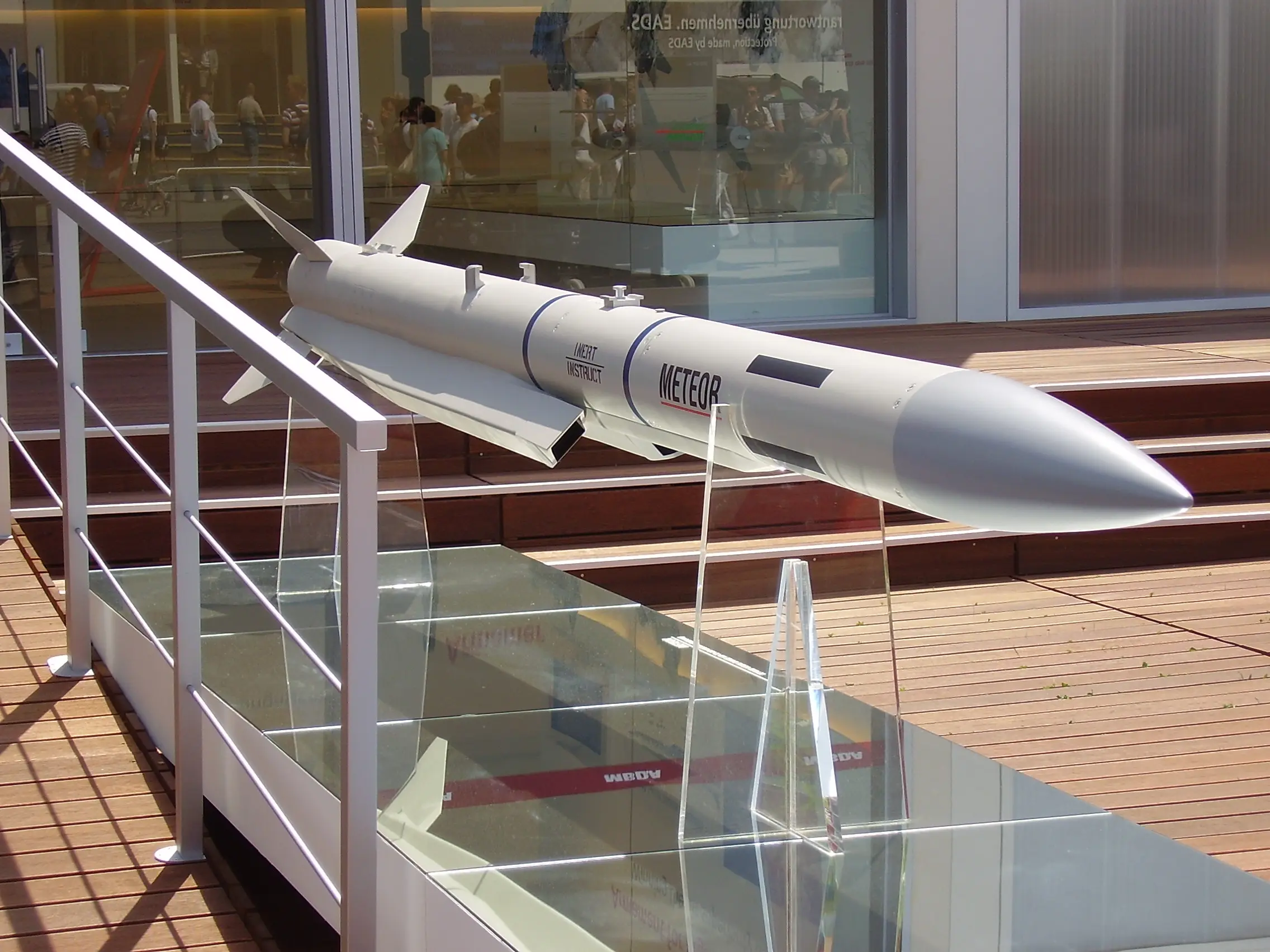
The no-escape zone - where targets cannot escape through evasive manoeuvres - defines real engagement capability. For AIM-120 AMRAAM, this zone reaches approximately 50 kilometres, roughly one-third of advertised maximum range. For Meteor, the no-escape zone exceeds 60 kilometres but remains substantially shorter than the missile's 200-kilometre advertising.
Target Aspect Angle Reduces Kill Probability Sharply
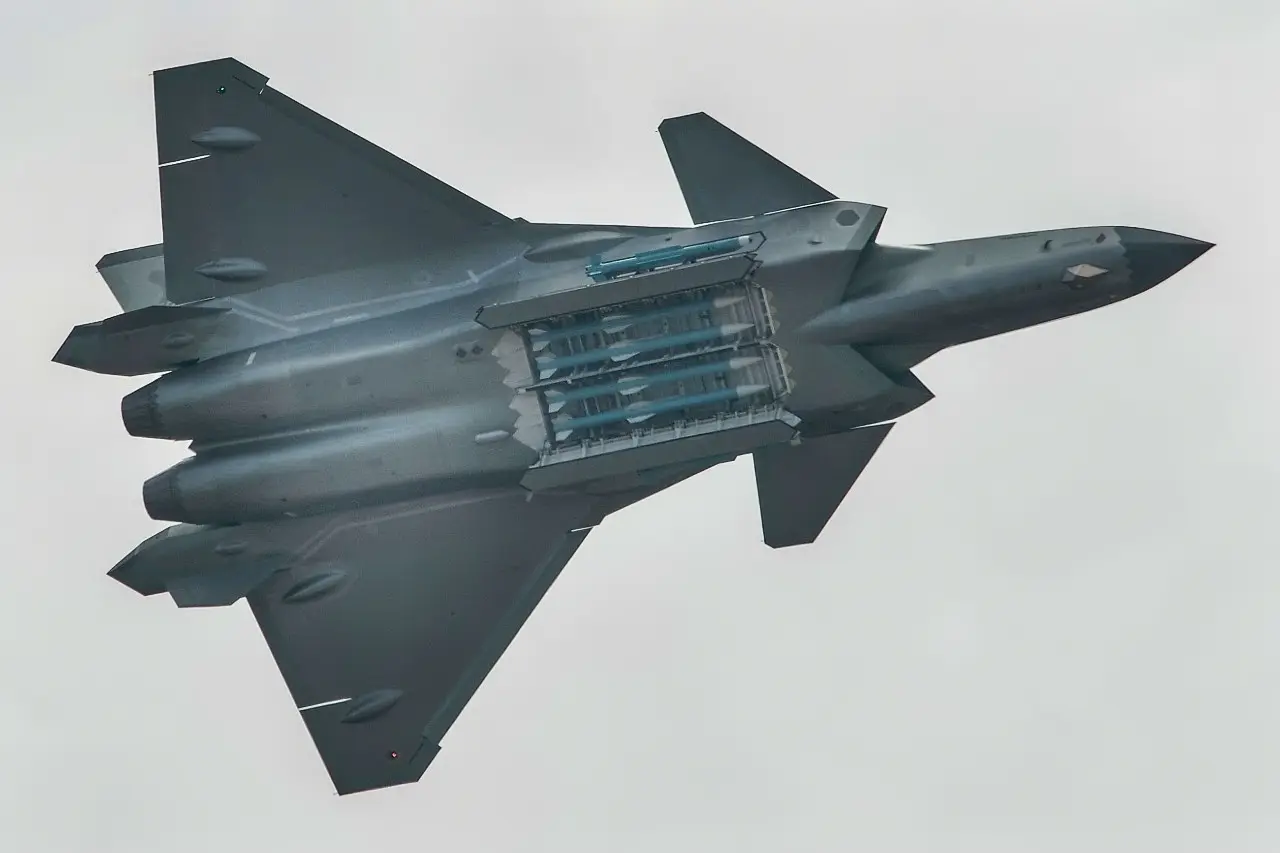
Missile guidance performance depends critically on target geometry. A head-on target presents a closing speed of Mach 3.5 or higher, giving missiles minimal time to respond to evasive manoeuvres. Target aspect angles exceeding 30 degrees force missiles to expend energy turning and bleeding speed, reducing effective range by 40 per cent or more.
Altitude Matters More Than Manufacturers Admit
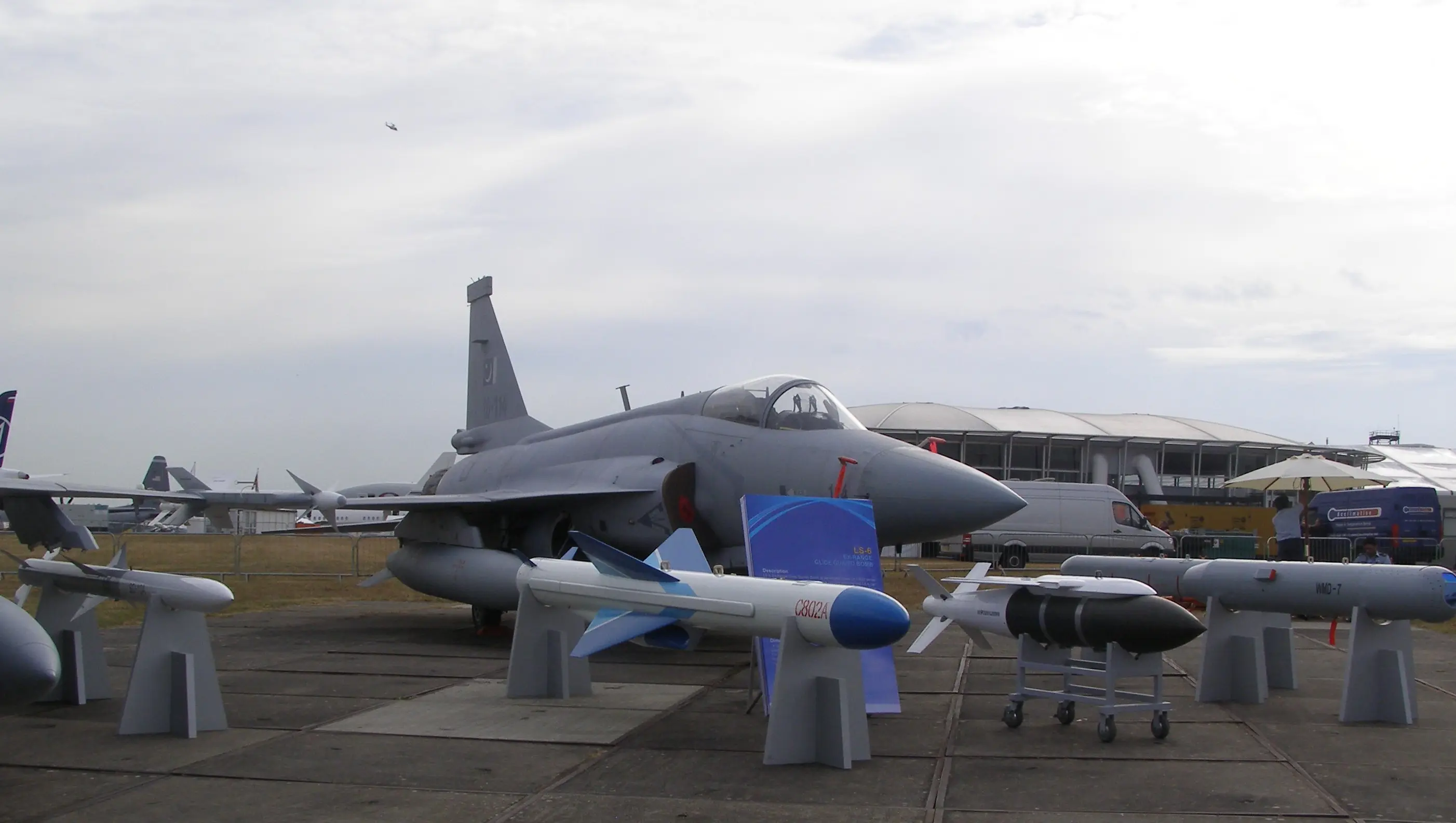
Missile range improves approximately twofold between sea level and 20,000 feet. Launched from typical combat altitudes below 15,000 feet, missiles lose significant range capability. Low-altitude engagements reduce effective range to perhaps 30 to 35 kilometres for AIM-120, regardless of advertised specifications.
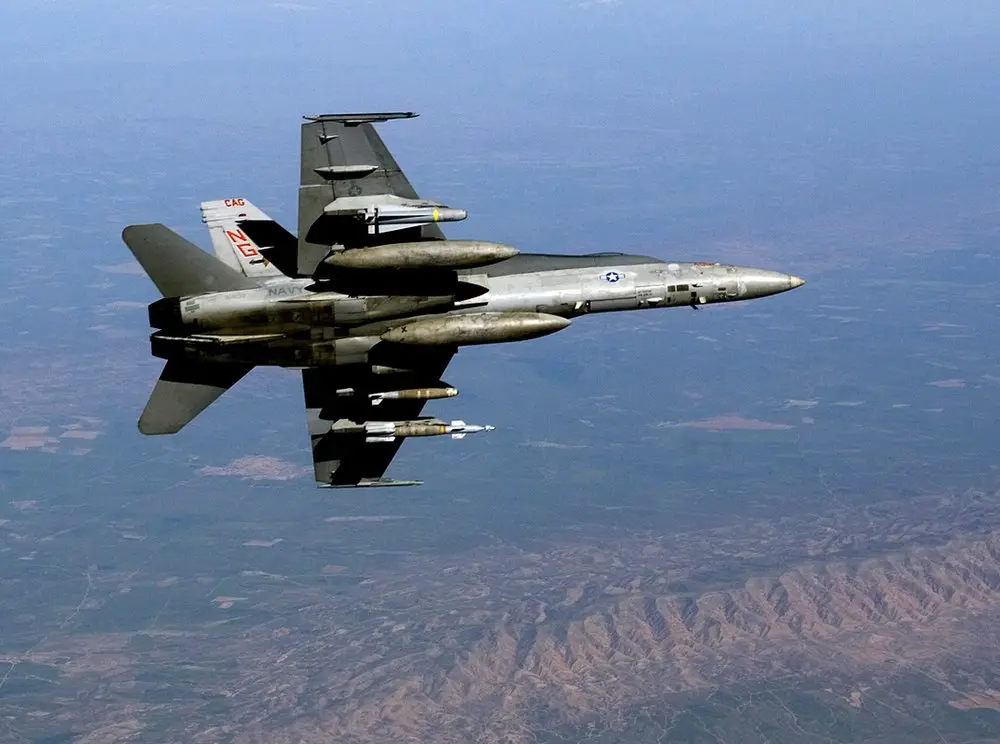
Missile range improves approximately twofold between sea level and 20,000 feet. Launched from typical combat altitudes b
Modern missiles depend on continuous mid-course updates from the launching aircraft before their seekers acquire targets independently. If jamming interrupts this datalink, or if ground clutter blocks radar returns, missiles cannot update their flight paths to intercept manoeuvring targets. Datalink loss reduces hit probability dramatically.
Target Manoeuvre Bleeds Missile Energy Rapidly
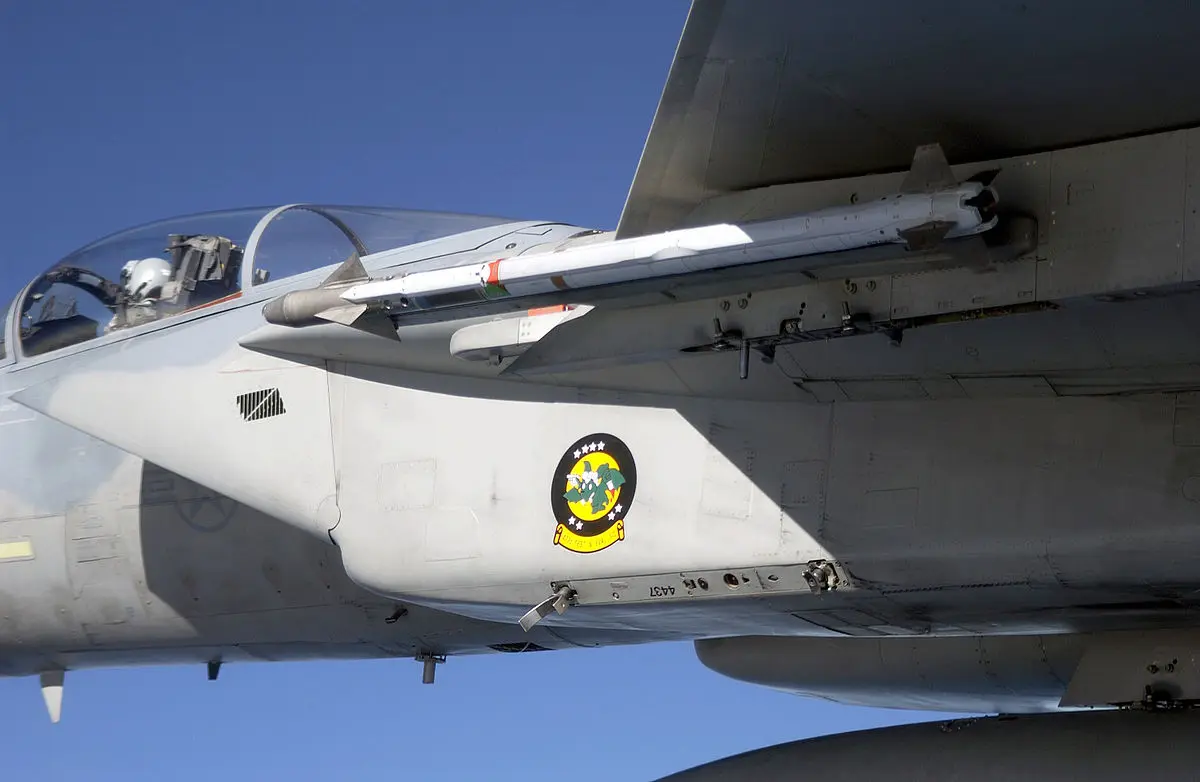
Missiles cannot sustain maximum range against manoeuvring targets. Each evasive turn forces the missile to turn harder, consuming kinetic energy at accelerated rates. Historical analysis shows missile effectiveness drops below 50 per cent probability beyond 35 kilometres when engaging targets executing aggressive manoeuvres.
Head-On Engagement Range Is Only Three-Four Times Close-Range
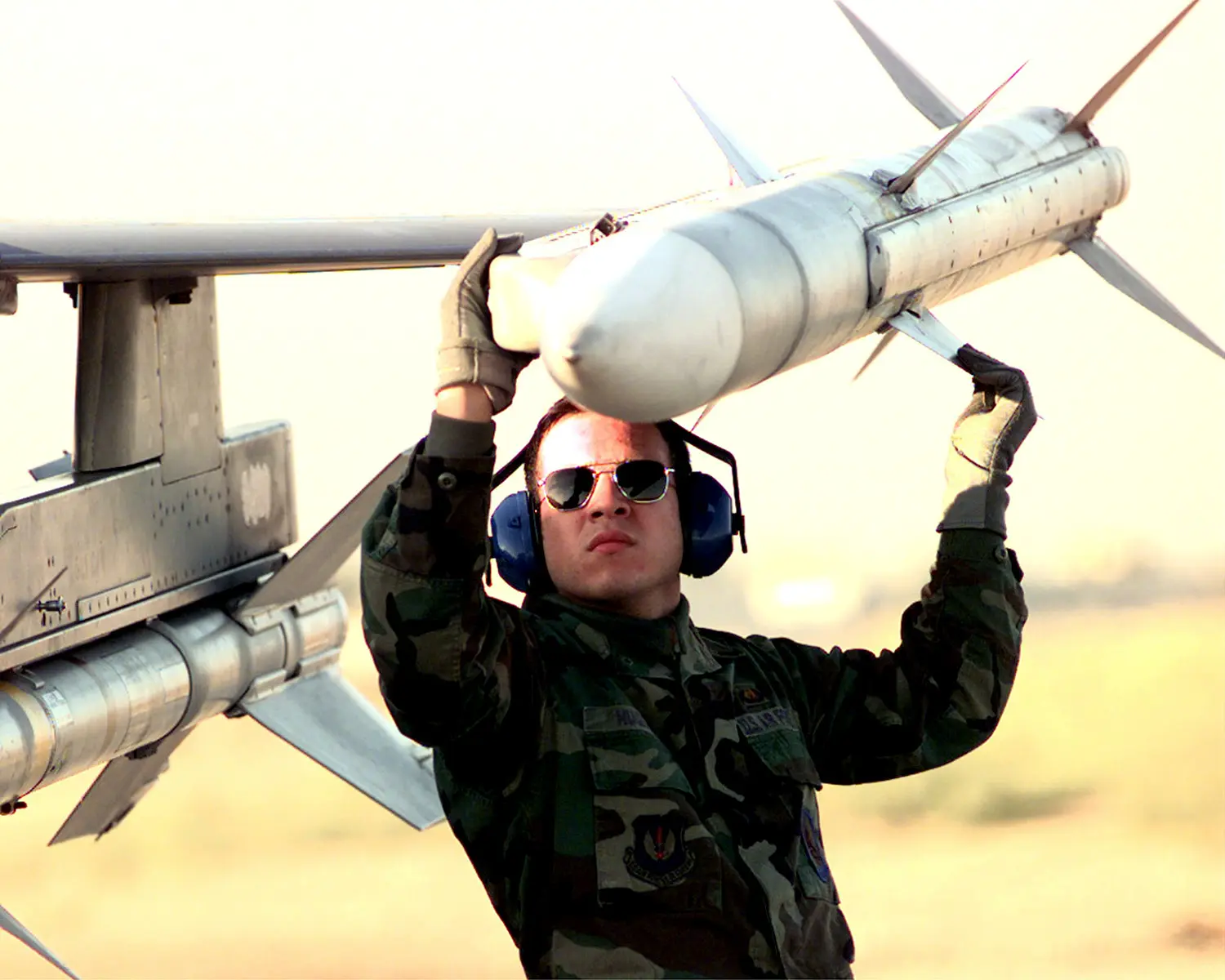
Contrary to simple mathematics, missiles achieve ranges in head-on engagement only three to four times longer than close-range tail-chase engagements. The high closure rate between missile and target travelling head-on leaves the missile no opportunity to correct for countermeasures or evasive actions.
Weather Degrades Infrared And Radar Guidance Equally
Infrared-seeking missiles struggle when cloud cover or rain obscures engine heat signatures. Radar-guided missiles face comparable difficulty in severe weather where electromagnetic propagation degrades. Neither can achieve advertised ranges reliably in the poor-weather conditions common in combat.
Vietnam Combat Data Revealed Only 12.8 Per Cent Kill Rate
Despite thousands of missiles fired during the Vietnam War, air-to-air kill probability reached only 12.8 per cent. Modern missiles improve this ratio substantially, but the historical baseline demonstrates that advertised ranges never translated to combat reliability even with rudimentary countermeasures available decades ago.
Modern Electronic Warfare Further Reduces Effective Range
Today's aircraft carry sophisticated jamming pods, chaff dispensers, and flare systems unimaginable during the Cold War. These electronic countermeasures force pilots to close to shorter ranges for reliable engagement. Effective combat range for modern missiles against defended targets shrinks to perhaps 15 to 25 kilometres minimum for acceptable hit probability.
)
)
)
)
)