What's the story behind FM Nirmala Sitharaman’s iconic Budget Day saree for 2026? Look at her drapes through the years | In Pics

Over the years, Finance Minister Nirmala Sitharaman's Budget Day sarees have become a quiet tradition in their own right. As she readies to present her ninth budget, let's take a look at her iconic sarees through the years.
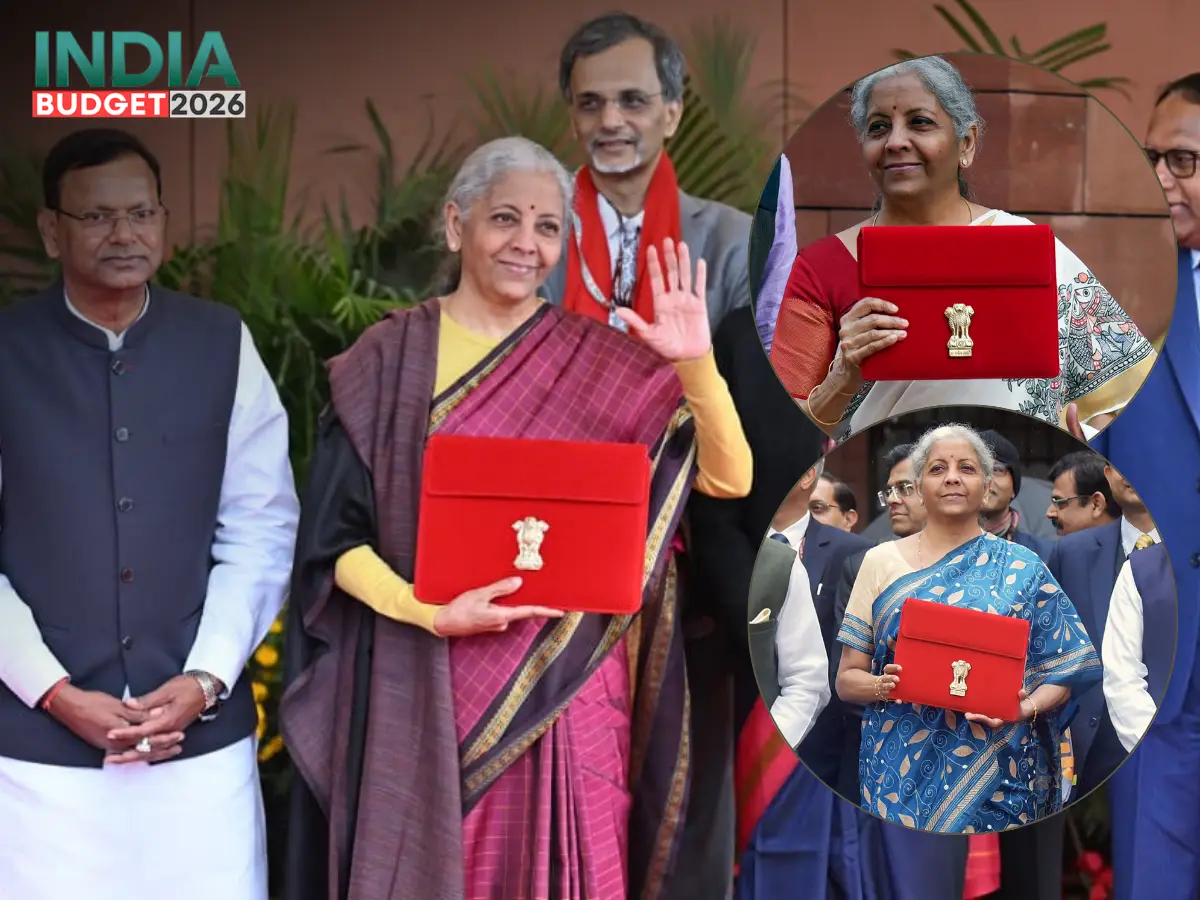
FM Nirmala Sitharaman: An icon
As Finance Minister Nirmala Sitharaman prepares to present yet another Union Budget, attention is once again drifting beyond spreadsheets and fiscal numbers to something far more visual, her saree.
Over the years, Sitharaman's Budget Day sarees have become a quiet tradition in themselves. Each choice reflects India’s vast handloom heritage, often spotlighting a specific region, craft, or artisan community. What began as a personal style preference has evolved into a symbolic gesture that blends culture with governance, turning Budget Day into a subtle showcase of India’s textile identity. Every Budget Day, alongside tax reforms and policy shifts, India also gets a quiet reminder of its living heritage, woven in silk, cotton, and zari.
Here is a year-wise look at how her saree choices have told their own story.
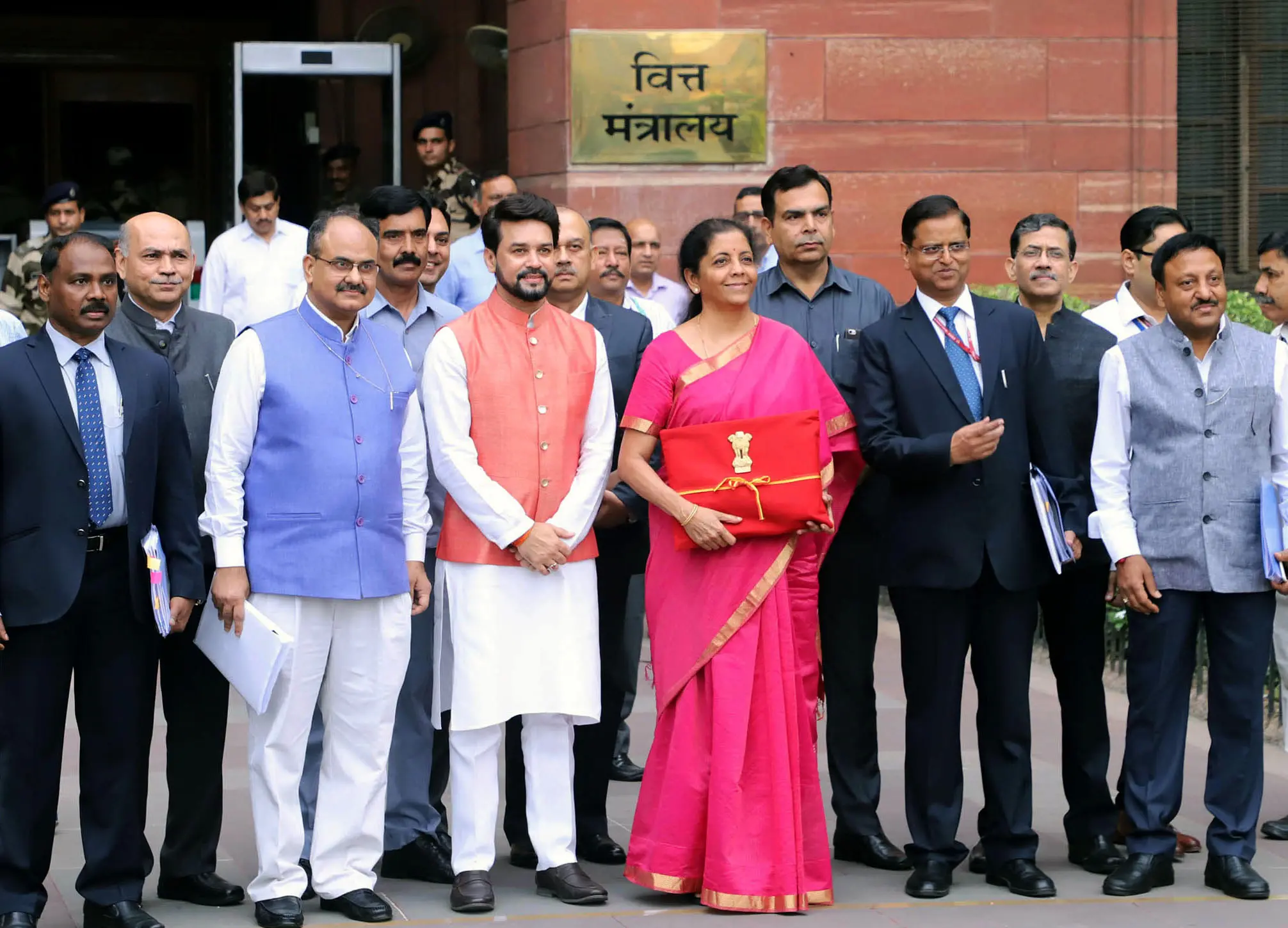
General Budget 2019-2020
In her first Budget, Sitharaman wore a bright pink Mangalagiri silk saree with a gold border, representing Andhra Pradesh’s handloom tradition. But it was her decision to carry budget papers in a red 'bahi khata' instead of a briefcase that made headlines. The message was clear: modern policymaking rooted in Indian tradition.
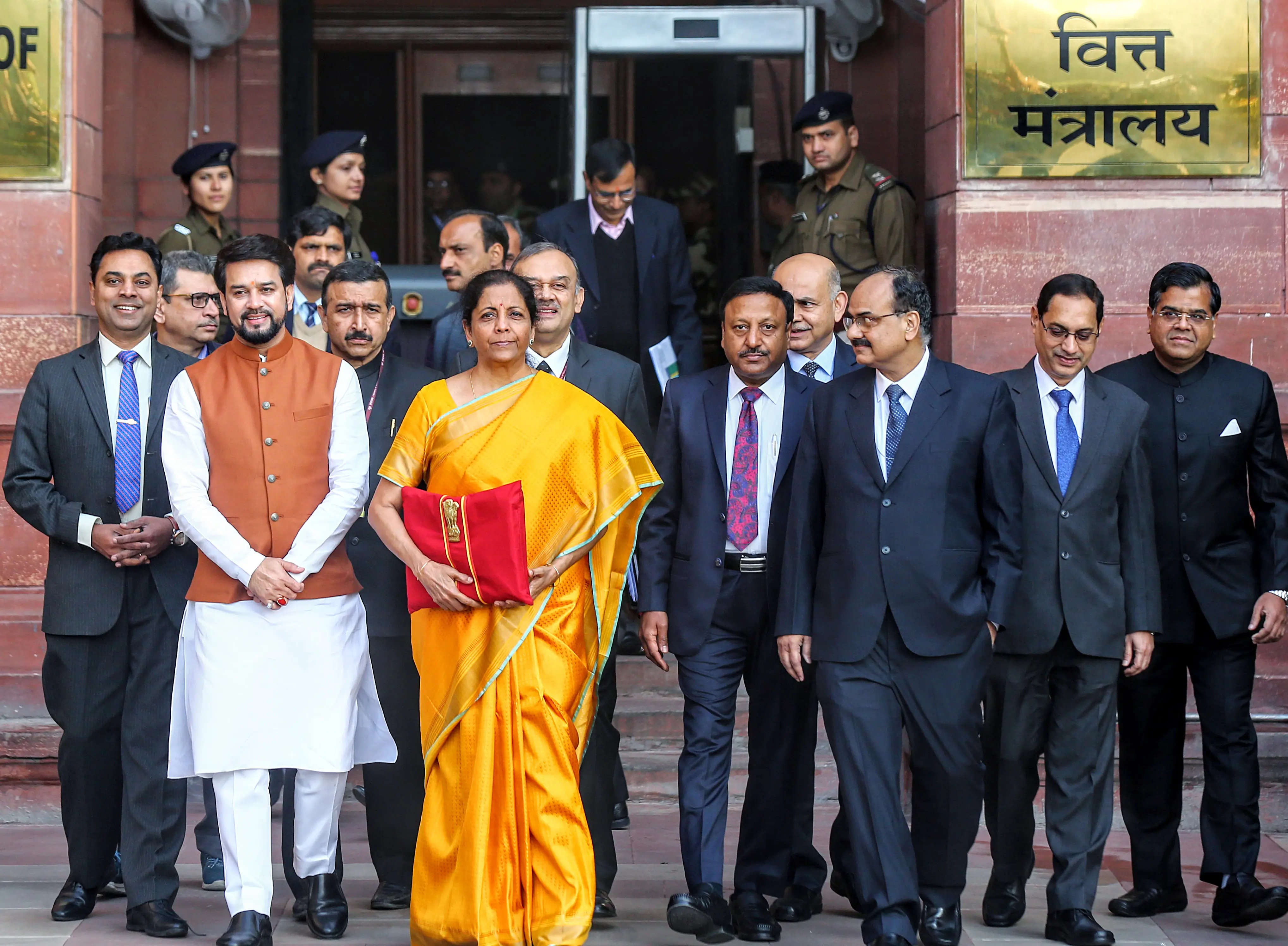
Union Budget 2020-21
In 2020, she opted for a yellow silk saree with a contrasting green border. The colours were widely interpreted as symbolic, yellow for optimism and green for stability, reflecting hopes of economic resilience at a time when growth concerns were already looming.
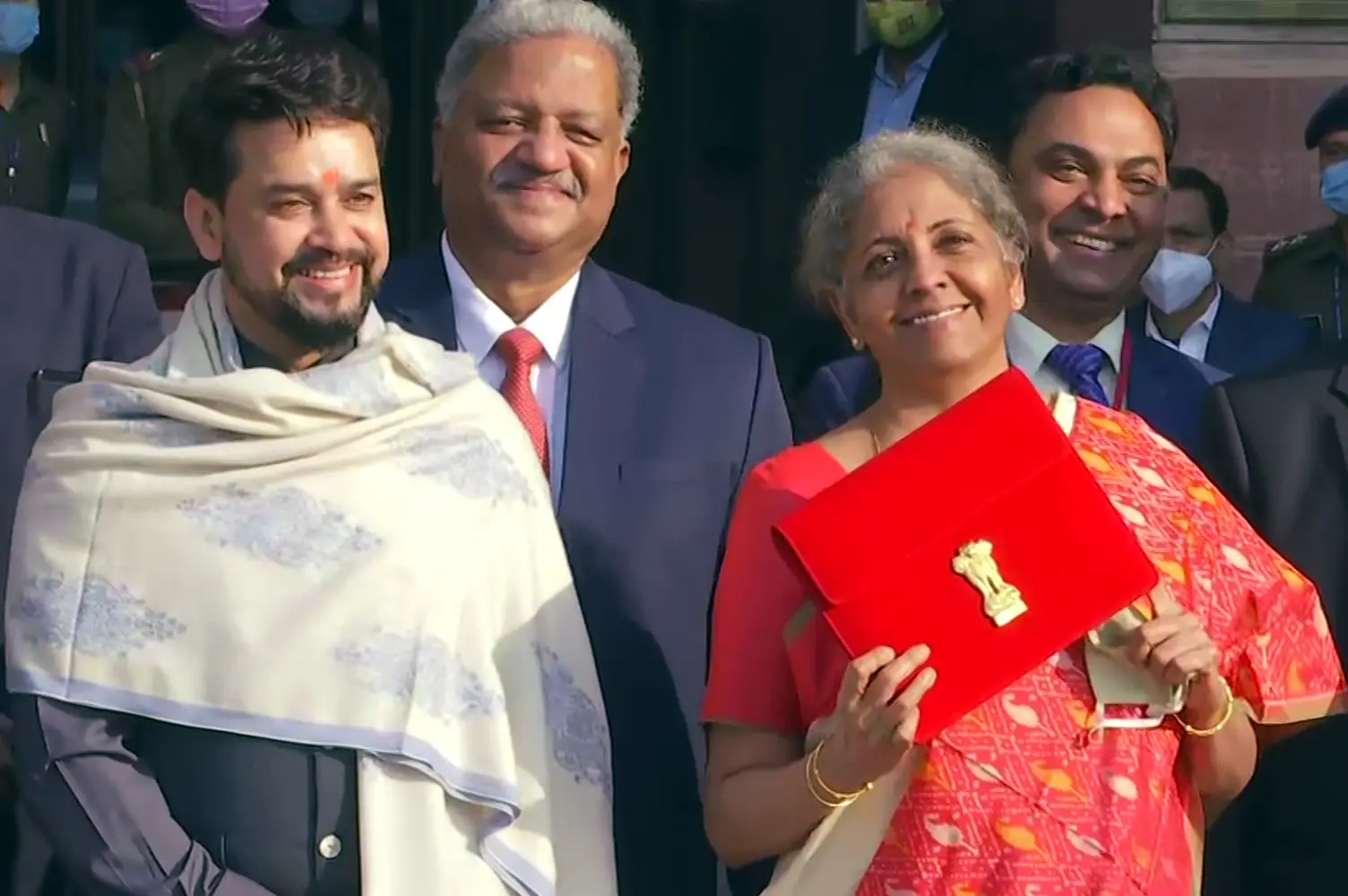
Union Budget 2021-22
For the pandemic-era budget, Sitharaman chose a red and off-white Pochampally Ikat saree from Telangana. Known for its geometric patterns and complex weaving, the saree was seen as a nod to recovery, resilience, and the strength of domestic industries.
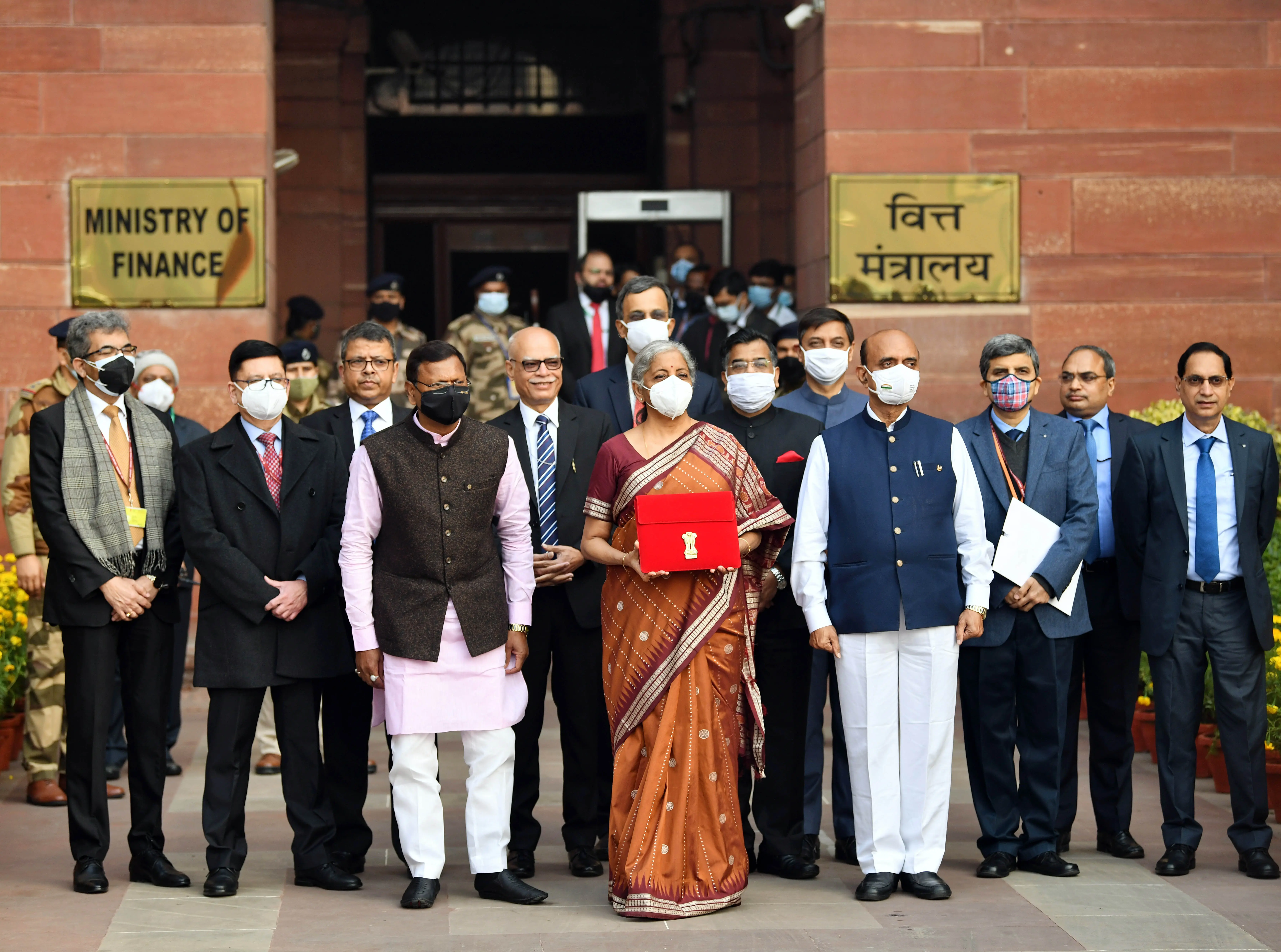
Union Budget 2022-23
Her 2022 look featured a rust-toned Bomkai saree from Odisha’s Ganjam district, detailed with silver zari work. Bomkai weaves are known for blending tribal and classical motifs, and her choice highlighted lesser-known regional craftsmanship.
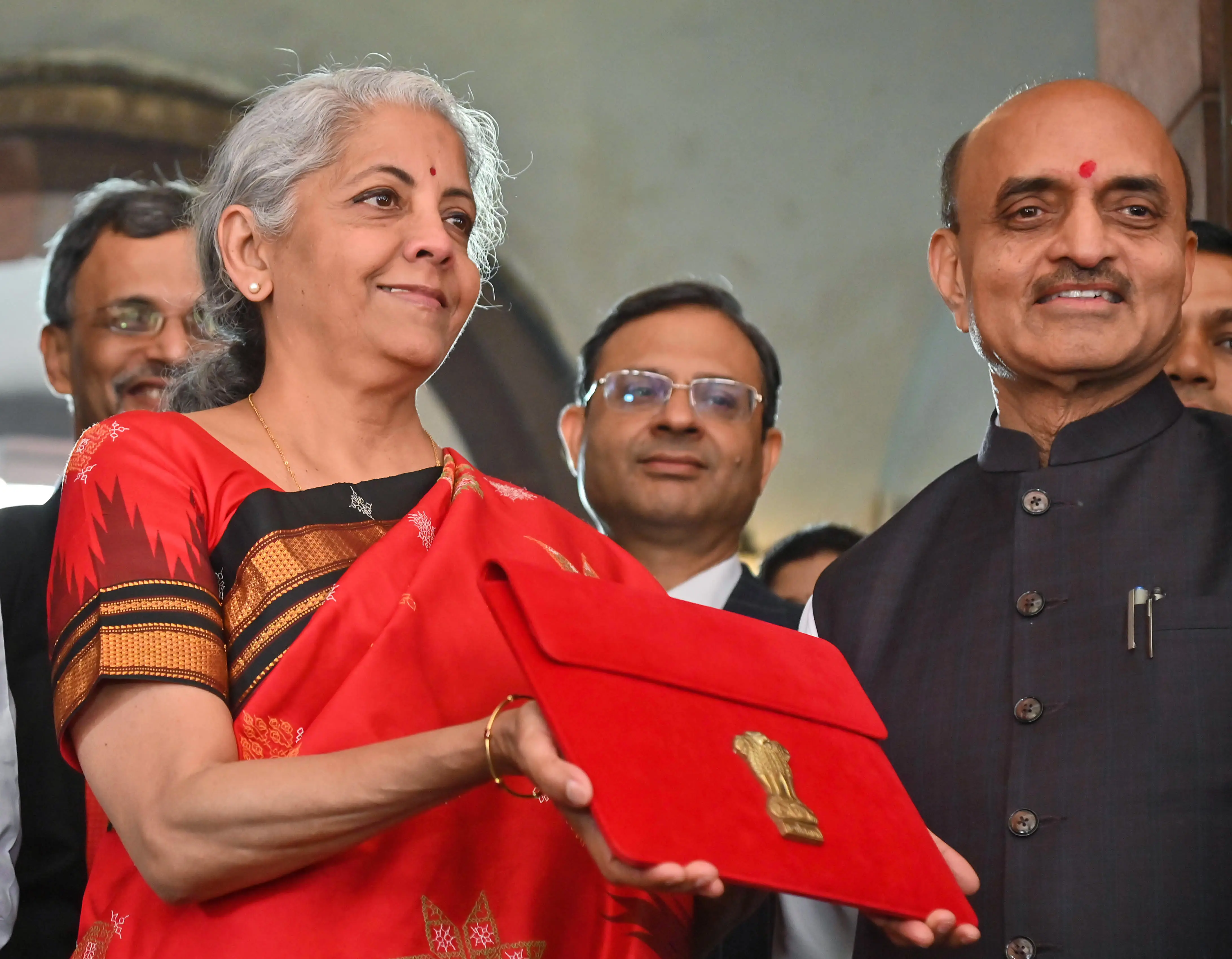
Union Budget 2023-24
In 2023, Sitharaman wore a red silk saree with a black temple border and gold zari, associated with Karnataka’s Ilkal tradition.
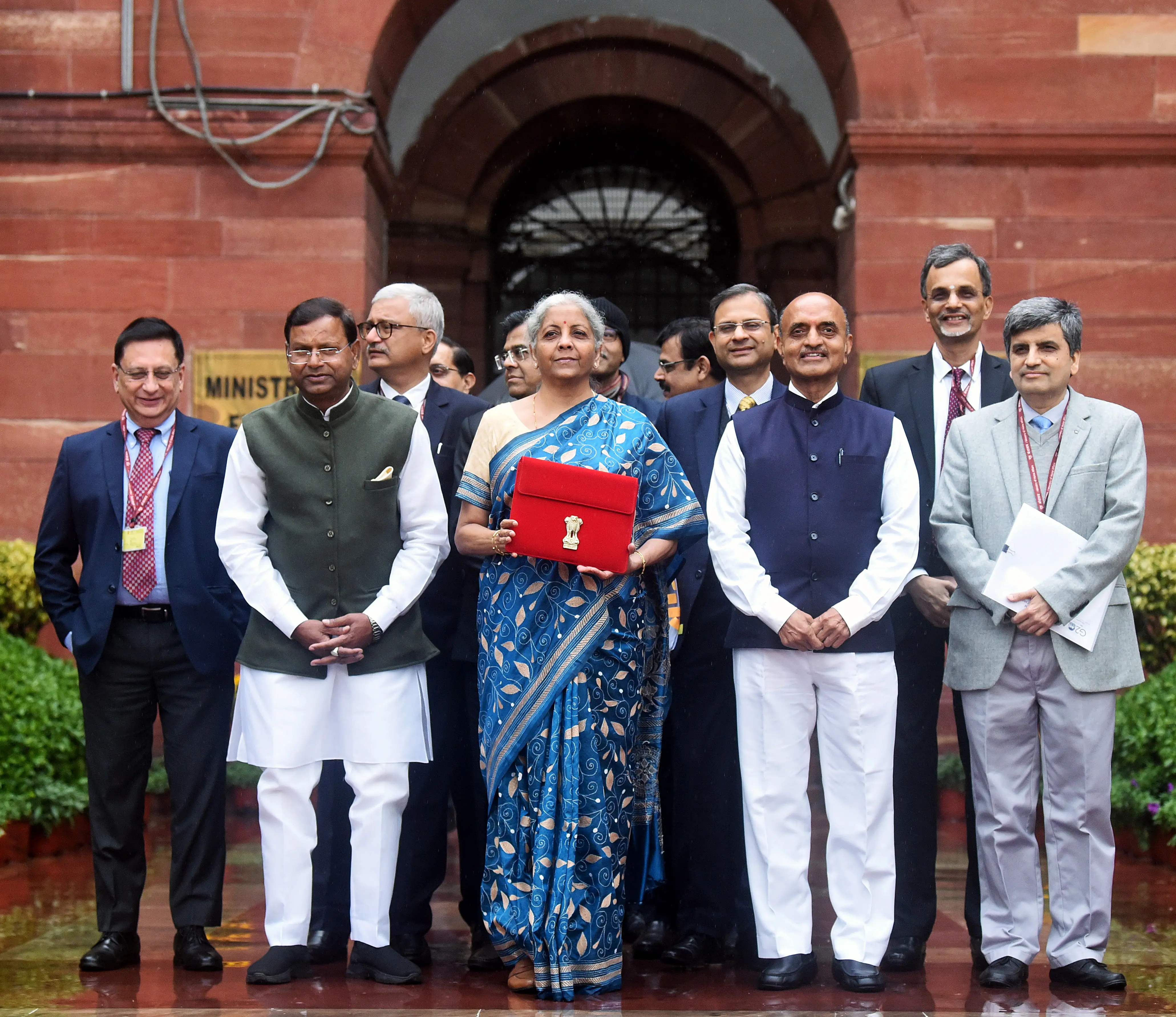
Interim Budget 2024-25
For the interim Budget in 2024, she wore a blue Tussar silk saree with Kantha embroidery from West Bengal.
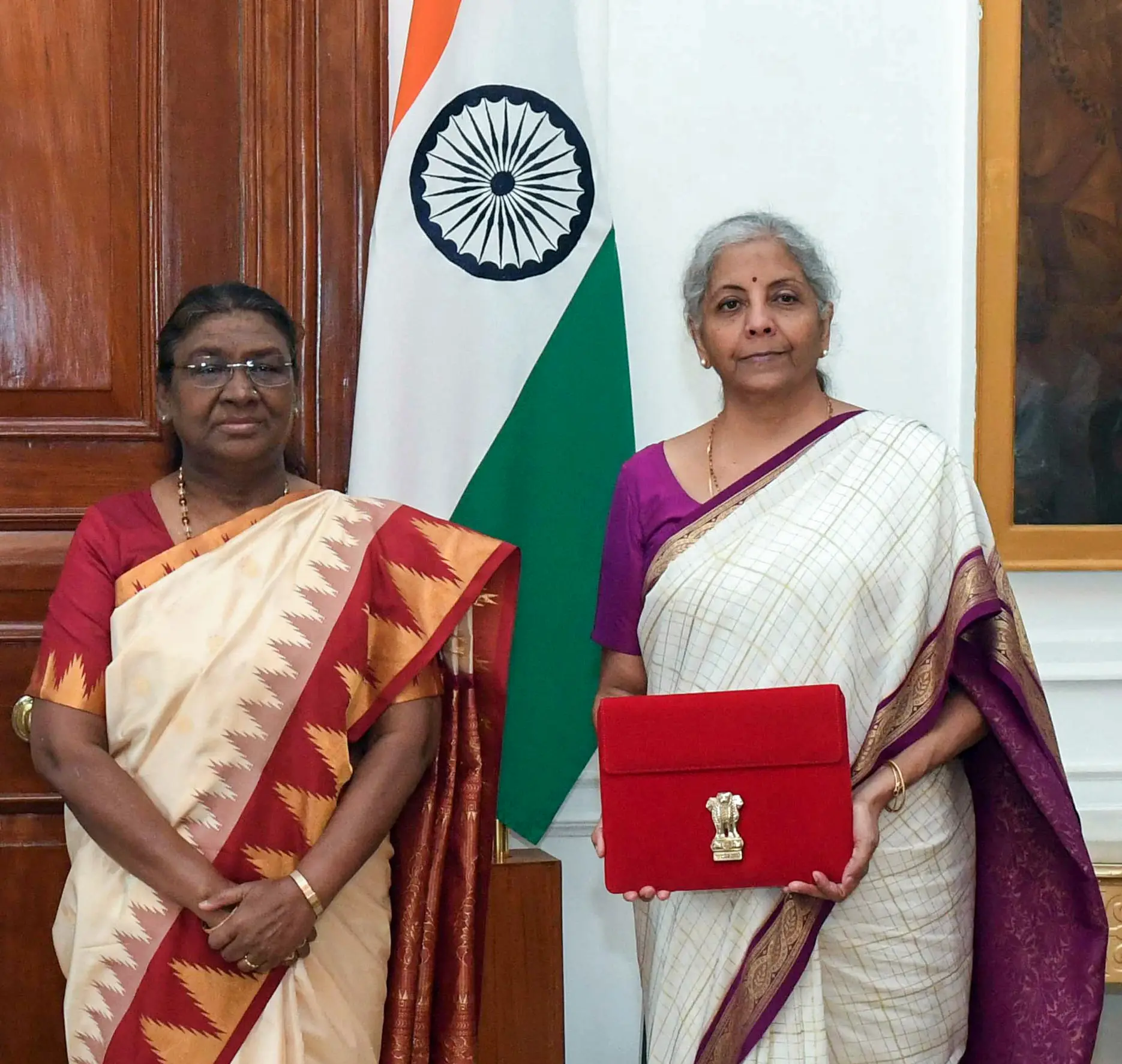
Union Budget 2024-25
Subsequently, for the 2024 Union Budget, she appeared in an off-white Mangalagiri saree with magenta and gold borders. Both the sarees from the 2023 budget highlighted eastern India’s textile legacy and fine handicrafts.
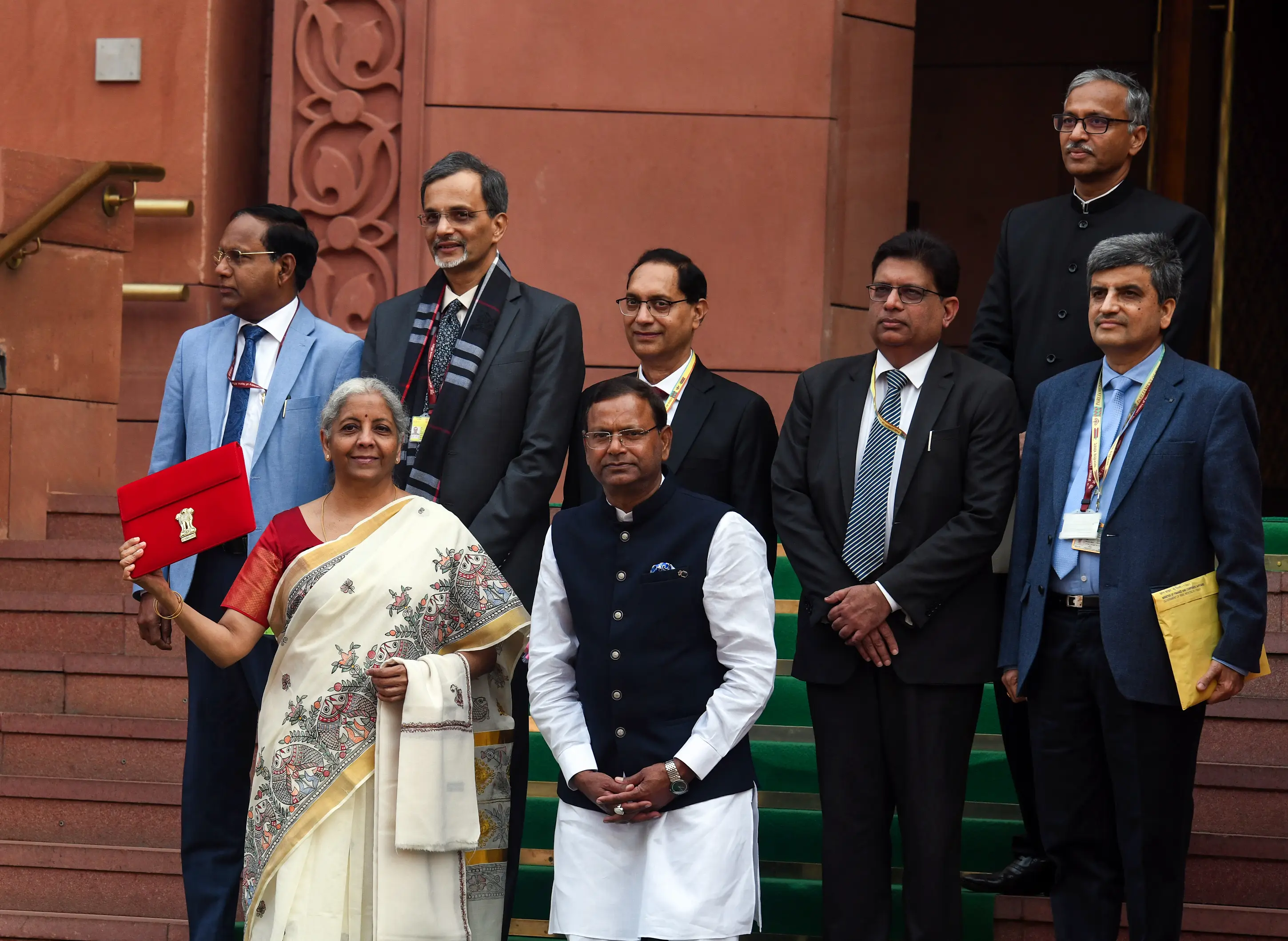
Union Budget 2025-26
In 2025, Sitharaman wore an off-white saree gifted by Padma Shri awardee Dulari Devi, featuring Madhubani fish motifs from Bihar. The fish symbolised prosperity and good fortune, while the artwork promoted one of India’s most recognisable folk art forms.
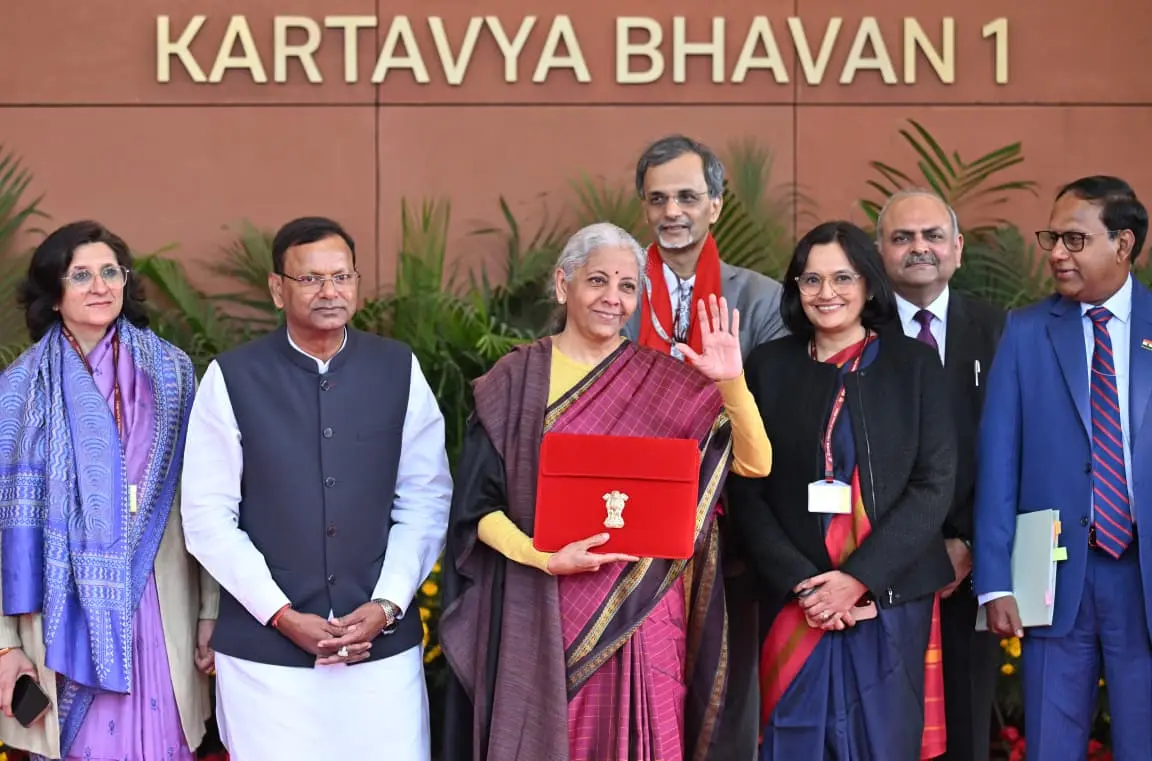
Union Budget 2026-27
For Union Budget 2026-27, FM Nirmala Sitharaman donned a Kancheepuram (or Kanjeevaram) silk saree in a purple/magenta colour with a muted gold/brown checkered border.
The iconic weave originates from the town of Kanchipuram in Tamil Nadu (The Finance Minister's hometown). The saree in Indian culture is much more than just a garment; it is a profound symbol of heritage, grace, and tradition.
)
)
)
)
)