Beyond Tejas Mk: Why even fighter jets like F‑35, Rafale & F‑22 rely on high‑tech composite wings

Far from cosmetic, this shift has cut weight, improved manoeuvrability and reduced radar signatures, all while enabling complex aerodynamics that metal simply could not deliver.
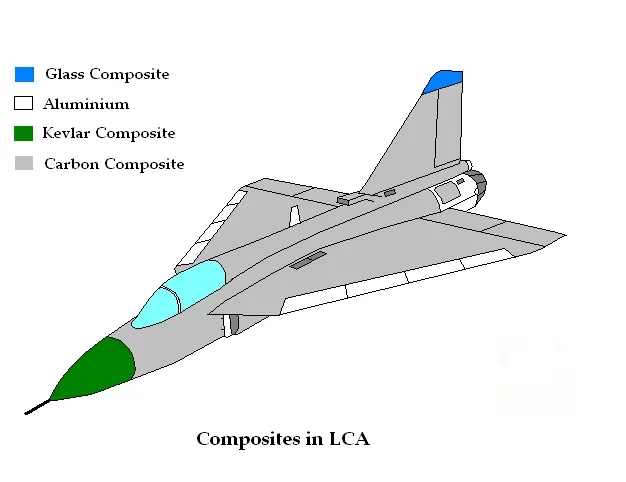
A revolution in materials
For decades, combat aircraft relied almost entirely on aluminium alloys and titanium to withstand the brutal forces of high-speed flight. Yet since the 1980s, a quieter revolution has transformed fighter design: the widespread adoption of carbon‑fibre composites, particularly in wings and control surfaces. Far from cosmetic, this shift has cut weight, improved manoeuvrability and reduced radar signatures, all while enabling complex aerodynamics that metal simply could not deliver.
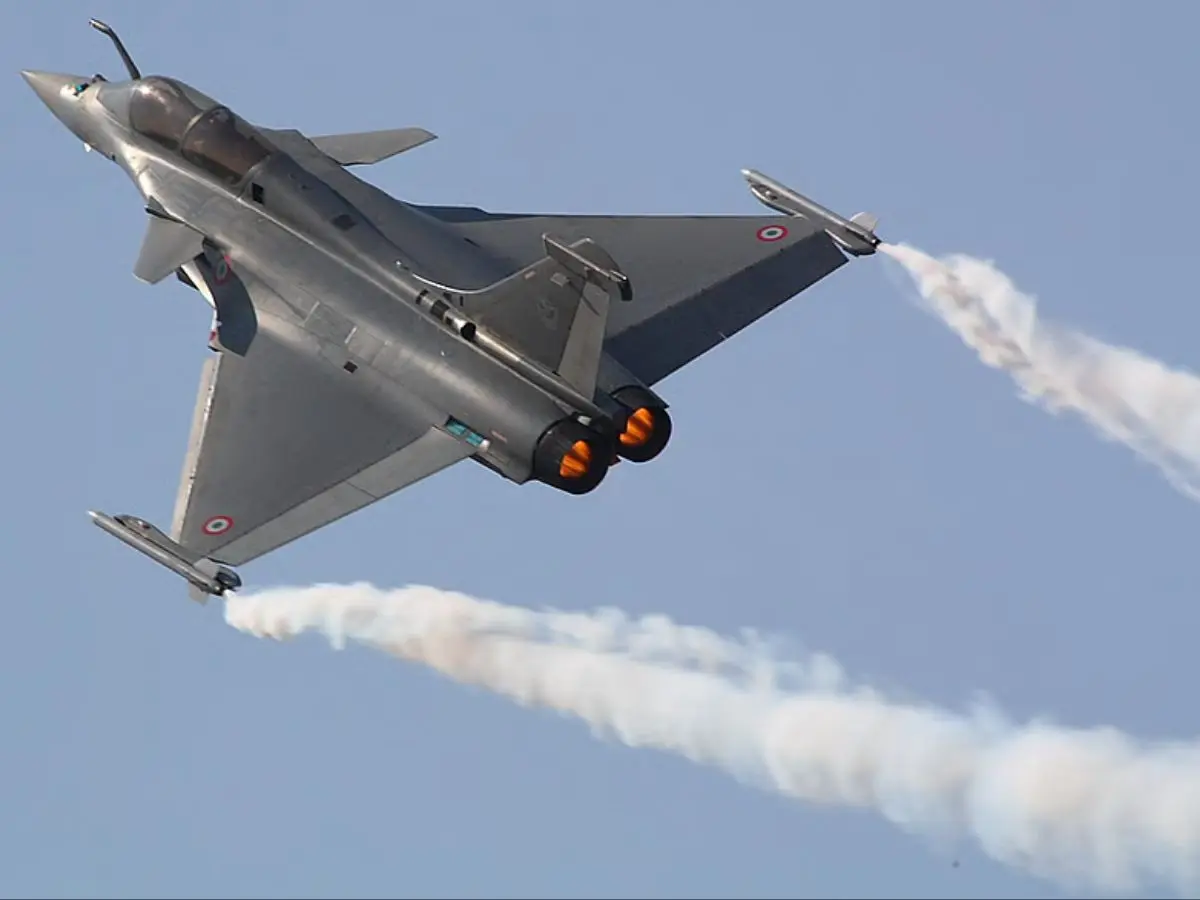
Rafale: a bold French gamble
France’s Dassault Rafale was among Europe’s earliest and most ambitious composite adopters. In the late 1980s, at a time when many engineers still doubted composites’ resilience under combat stress, Dassault integrated them extensively into the wing box and tail. The result: roughly 70 per cent of the Rafale’s surface area comprises composites. This gamble paid off, giving the Rafale a lighter airframe, greater agility, and a lower radar cross‑section than a comparable metal design.
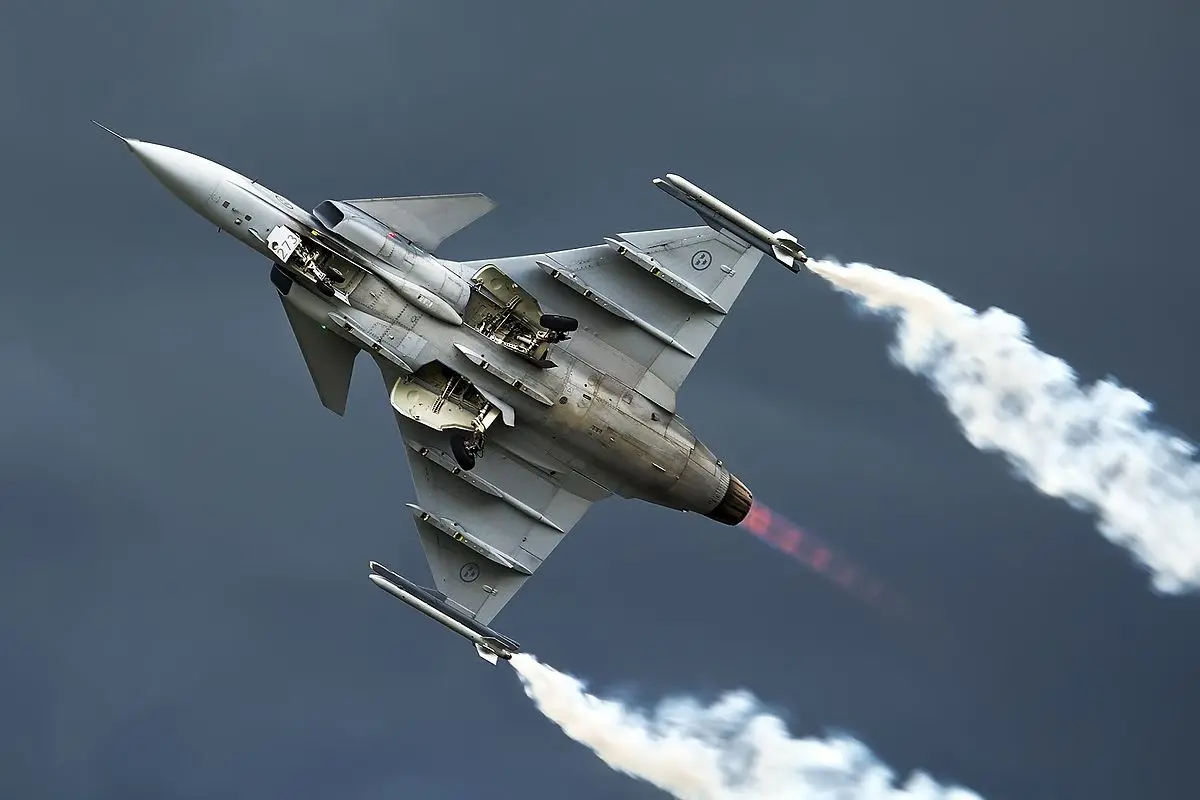
Gripen: lightweight by design
Sweden’s Saab JAS 39 Gripen also illustrates the advantages of composites, especially for lighter fighters. From the early 1990s, Saab used large carbon‑fibre sections in the wing box and fuselage panels. For the Gripen, every kilogram saved translated into higher thrust‑to‑weight ratio and lower operating costs. At a time when composite use outside the United States was still considered niche, Saab demonstrated that even smaller manufacturers could innovate successfully.
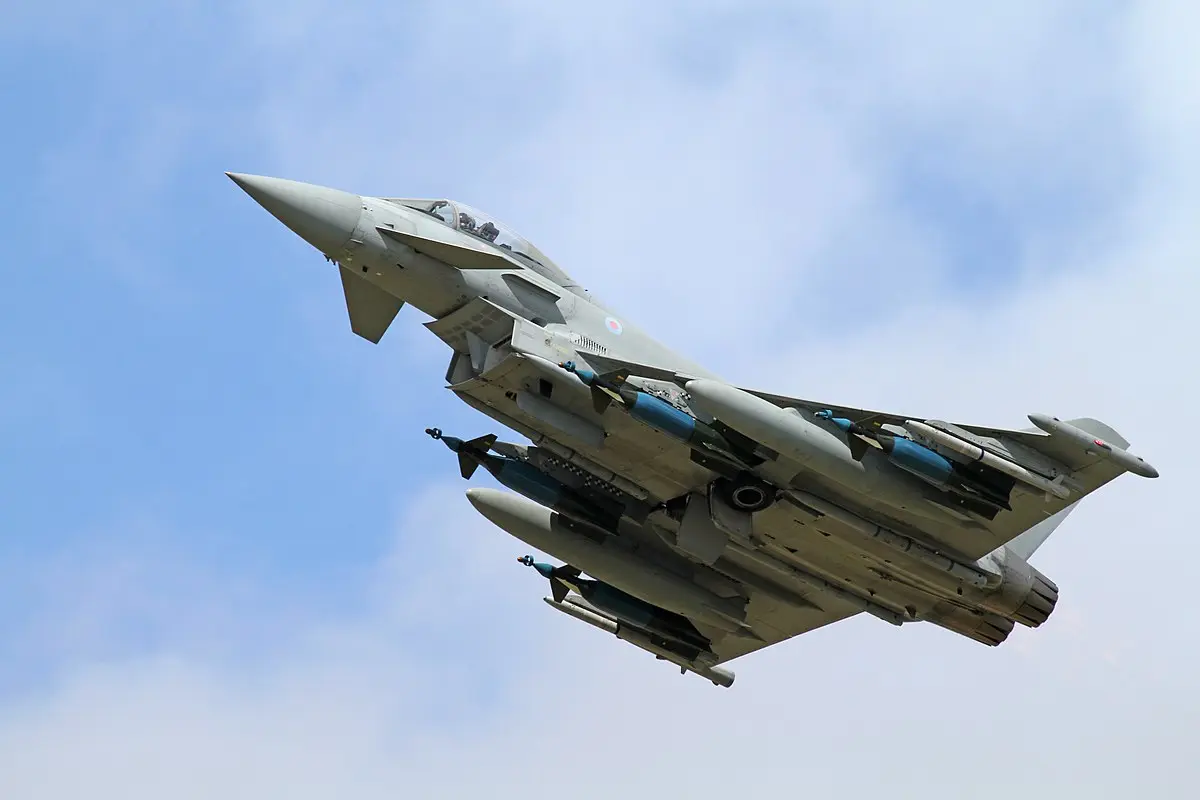
Eurofighter Typhoon: scale without weight
The multinational Eurofighter Typhoon took composite integration even further. Despite being a large, twin‑engine fighter, over 80 per cent of its wing surface area is composite, along with key fuselage structures. This extensive use helped offset the Typhoon’s size, keeping its weight competitive with smaller rivals. Composites also contributed to its aerodynamic agility and helped reduce radar observability, critical for modern air combat.
The American approach: F‑22 and F‑35
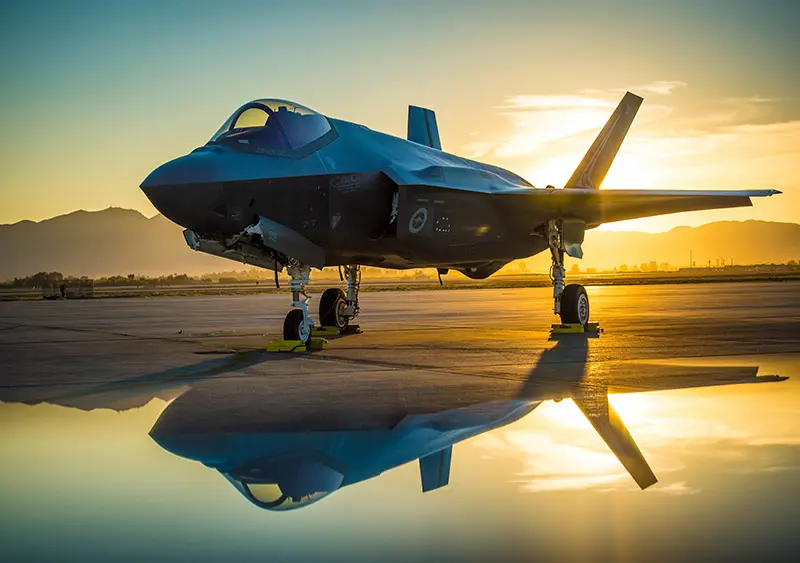
In the United States, the Lockheed Martin F‑22 Raptor and F‑35 Lightning II show how composites evolved from experimental to essential. Around 24 per cent of the F‑22’s structural weight comes from composites, including wing spars and skin panels, remarkable for a stealth fighter designed in the 1980s. The F‑35 pushed this further: approximately 35 per cent of its structural weight is carbon‑fibre, covering wing skins, fuselage panels and internal structures. This high percentage is central to the F‑35’s stealth shaping and helps reduce the part count, simplifying production.
Beyond the West: Japan and others
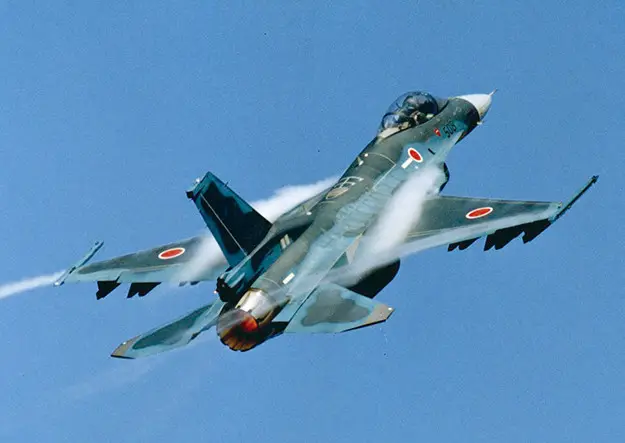
Outside Europe and America, Japan’s Mitsubishi F‑2 marked a significant milestone. Developed from the F‑16, it used the world’s largest single‑piece carbon‑fibre wings at the time, 40 per cent larger than the original design. This gave it greater fuel capacity, longer range and lower radar cross‑section. Similarly, fighters like South Korea’s KF‑21 Boramae and China’s J‑10C now incorporate composites in canards, wing skins and fuselage sections, highlighting a global trend.
Why composites changed everything
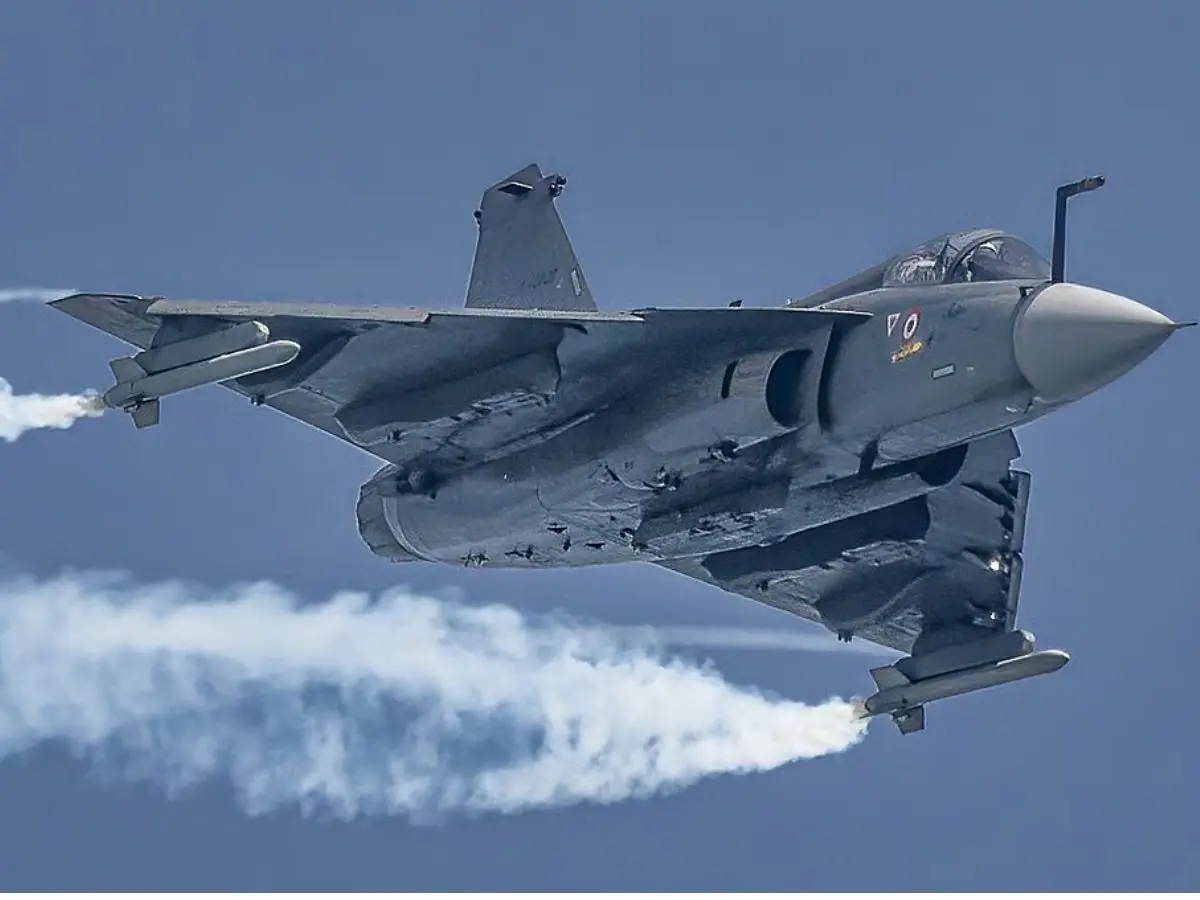
Initially met with scepticism, composite wings and structures proved durable under high G‑loads and combat conditions. By reducing weight and enabling stealthy, radar‑deflecting shapes, composites have redefined what a fighter jet can do. What began as bold experimentation by manufacturers such as Dassault, Saab and Mitsubishi has become the standard for new designs, from India’s Tejas Mk1, with 45 per cent of its airframe surface in composites, to America’s most advanced stealth aircraft. In the end, these materials have made today’s fighters not just lighter, but also stealthier, more agile and, ultimately, more survivable.
)
)
)
)
)