Beyond Strait of Hormuz: How the Oman-Gujarat deep-sea pipeline could transform India's energy imports

Amid West Asia conflicts, India is reconsidering the Rs 40,000-crore, 2,000-km Oman-Gujarat deep-sea gas pipeline. Bypassing the volatile Strait of Hormuz chokepoint, the subsea link would secure direct gas delivery at depths over 3,000 meters.

Oman-Gujarat Deep-Sea Pipeline
The growing energy uncertainty stemming from the West Asia conflicts has prompted India to look for different solutions after proposing a nearly 2,000-km deep-sea gas pipeline connecting Oman and Gujarat across the Arabian Sea. The proposal has witnessed renewed discussion after it was examined multiple times over the past three decades. But, its high costs, technological hurdles and questions over commercial viability prevented the project from advancing beyond the planning stage. However, the project was promoted by SAGE (South Asia Gas Enterprise) for years, conducting technical and financial assessments as well as seabed surveys for the proposed route.
Estimated cost
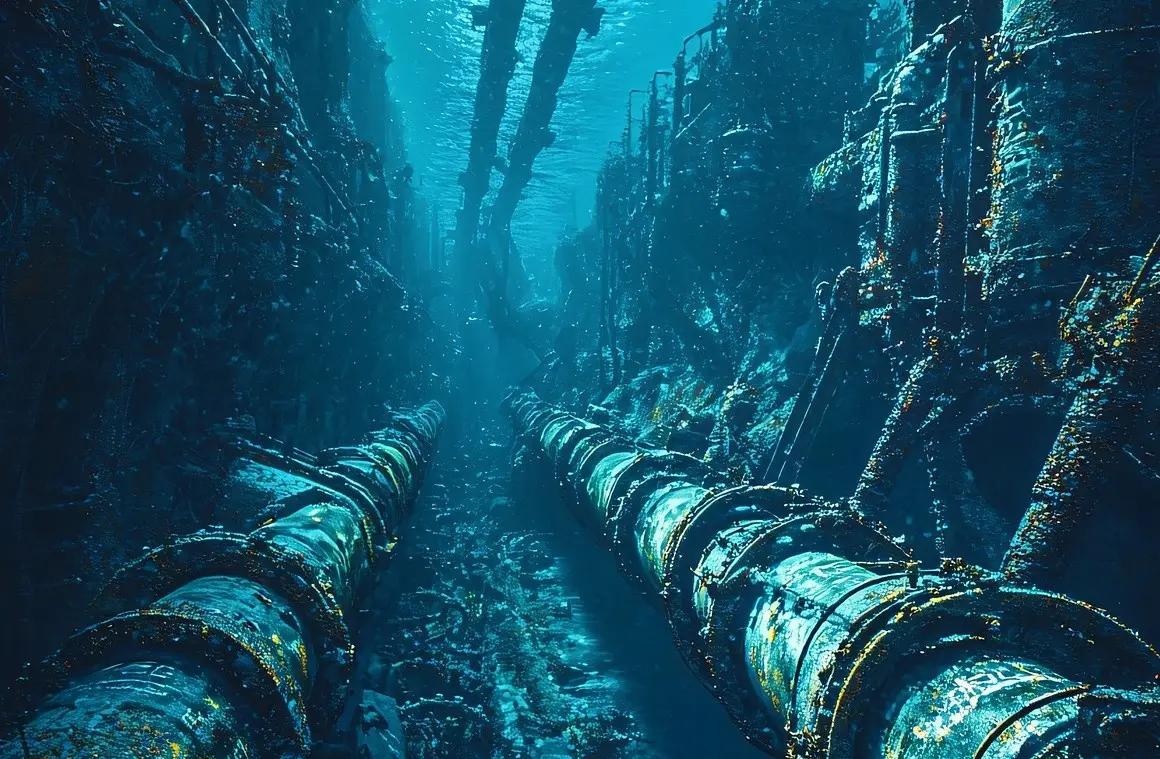
The Oman-Gujarat Deep-Sea Gas Pipeline, which would carry natural gas directly from Oman to India's western coast, has a projected cost of around Rs 40,000 crore. The development will establish a direct energy corridor between the Gulf and India. It will also reduce India's reliance on shipping routes that pass through the Strait of Hormuz, one of the world's most strategically important maritime chokepoints. The decades-old proposal has found renewed relevance as it will cast a shadow over global energy markets amid the ongoing crisis.
Why the project matters?
India continues to rely heavily on imported energy, meeting most of its crude oil needs and a large share of its natural gas demand through overseas purchases, especially LNG. Much of these portions come from Gulf nations and reach India through the Strait of Hormuz, a key maritime route linking the Persian Gulf to the Arabian Sea. Any disruption in this route can have quick consequences for global energy markets, driving shipping costs, fuel prices and supply chains.
Pipeline as an Alternative
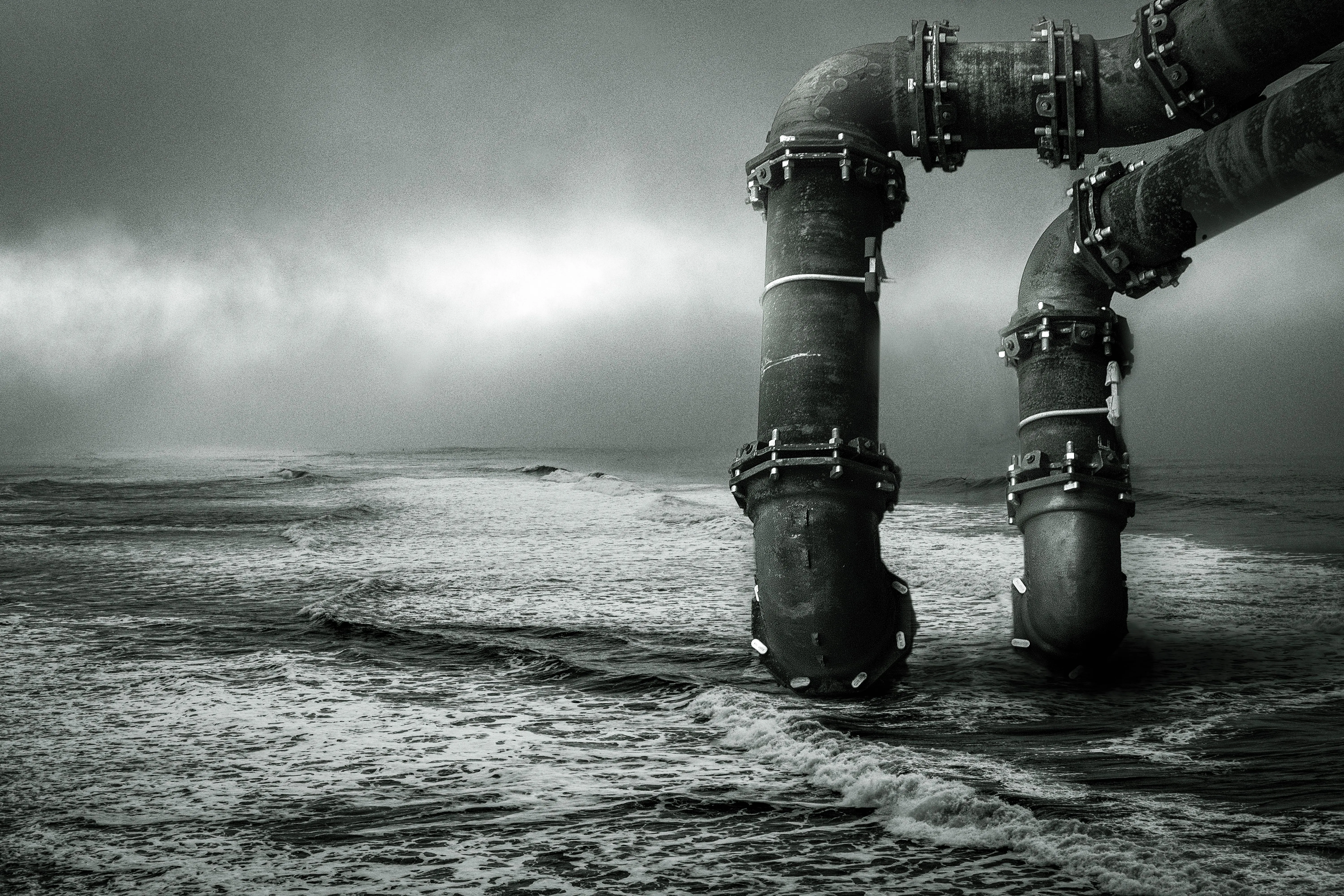
The recent rise in tensions across West Asia has once again exposed the risks of depending on a single shipping route for energy imports. Volatility in LNG prices and growing concerns over maritime security have increased interest in alternative supply options, including the proposed Oman-Gujarat pipeline. Unlike LNG, which requires liquefaction, transportation and regasification, a pipeline would enable direct gas delivery. Advocates believe this could improve supply security and reduce vulnerability to disruptions in critical sea lanes.

Deepwater Pipeline Plan
The proposed project, commonly known as the Middle East-India Deepwater Pipeline, aims to establish a direct subsea link between Oman and Gujarat through the Arabian Sea. One of its most remarkable aspects is the planned depth of the route, with some sections expected to be located more than 3,000 metres below sea level. If developed, it would rank among the deepest underwater pipeline projects ever attempted, requiring advanced engineering and specialised construction technologies.

Energy Supply Benefits
The pipeline is designed to transport natural gas under long-term supply arrangements, strengthening energy cooperation between Oman and India. The project could help India diversify its energy imports while providing Oman with a reliable export destination. Preliminary estimates suggest transportation costs may range between $2 and $2.25 per MMBtu, although the final figure will depend on factors such as financing, construction costs and future gas market conditions.
)
)
)
)
)