Beyond Halloween: 7 unique festivals that celebrate ghosts and the afterlife

Which festivals beyond Halloween celebrate ghosts and ancestors worldwide? From Mexico’s joyful ofrendas to Japan’s lantern dances, explore 7 unique traditions honouring the unseen.
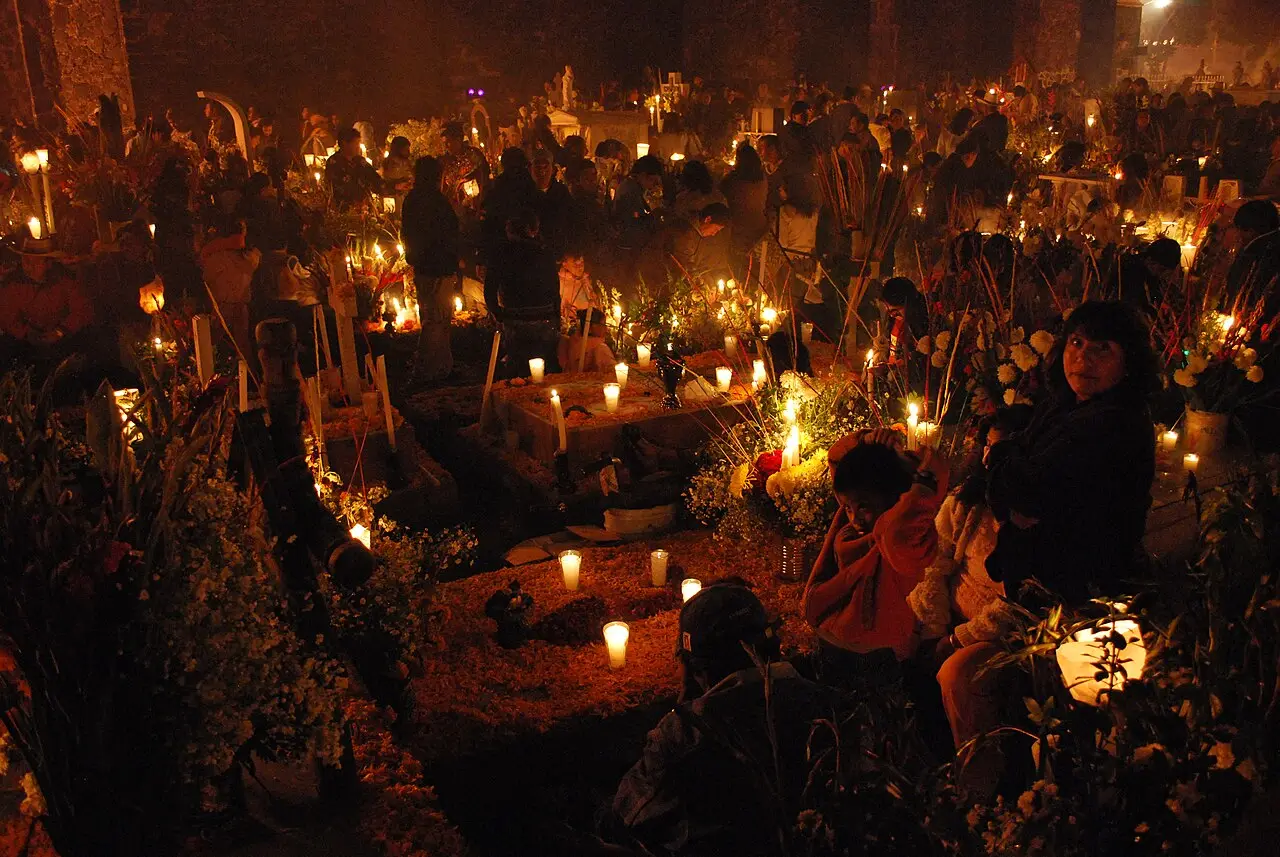
Día de los Muertos (Mexico)
In Mexico, the Day of the Dead is a joyful celebration of deceased loved ones. Families build colourful altars called ofrendas, decorate graves, and offer food and flowers. It blends Aztec rituals and Catholic beliefs, turning grief into celebration with music and dance.
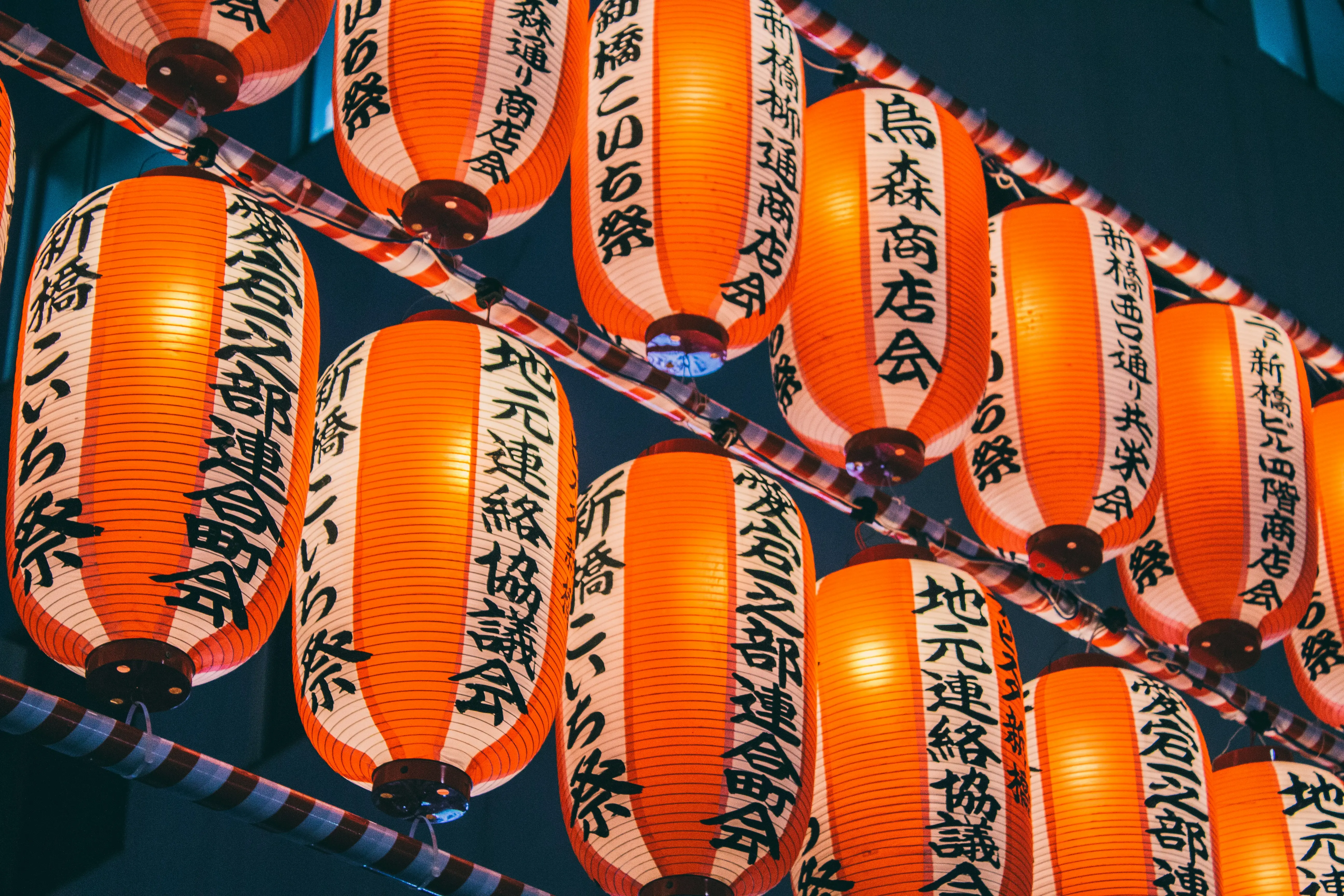
Obon Festival (Japan)
The Japanese Obon Festival honours ancestors with temple offerings, lanterns, and Bon Odori dances. Floating paper lanterns called tōrō nagashi guide spirits back to the afterlife. It unites communities in joyful remembrance and spiritual respect.
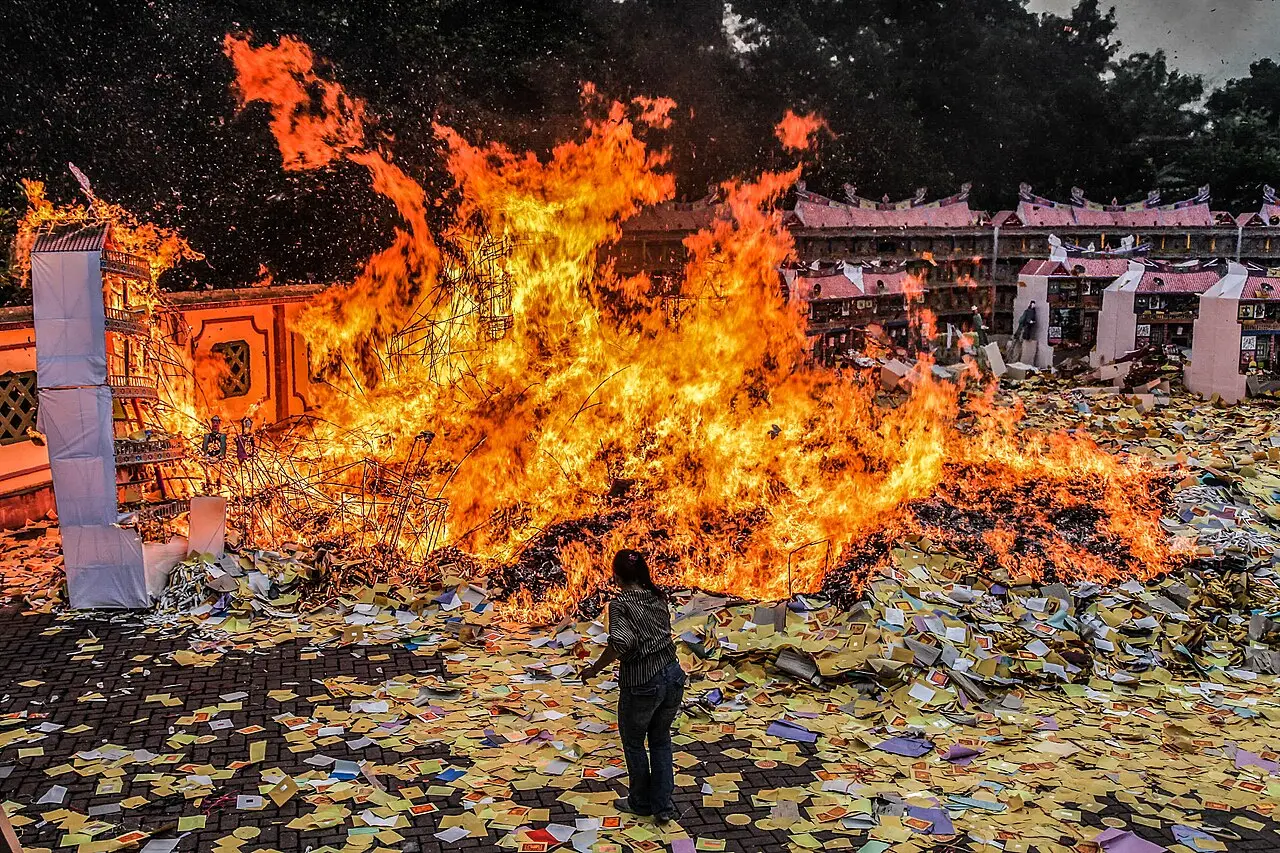
Hungry Ghost Festival (China & Southeast Asia)
In Ghost Month, families burn incense and give food to wandering spirits to keep them at peace. Traditional performances and smoky rituals reflect deep respect for the spirit world, mixing Taoist and Buddhist customs.
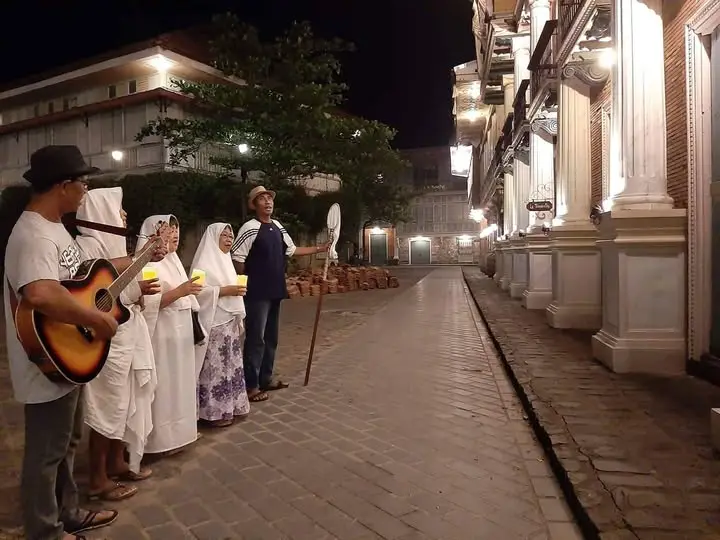
Pangangaluluwa (Philippines)
Similar to Halloween carolling, groups sing door to door for souls of the dead, receiving food or alms. It blends pre-colonial beliefs with Catholic prayers, making it a heartfelt ritual for asking peace for wandering spirits.
Samhain (Ireland & Scotland)
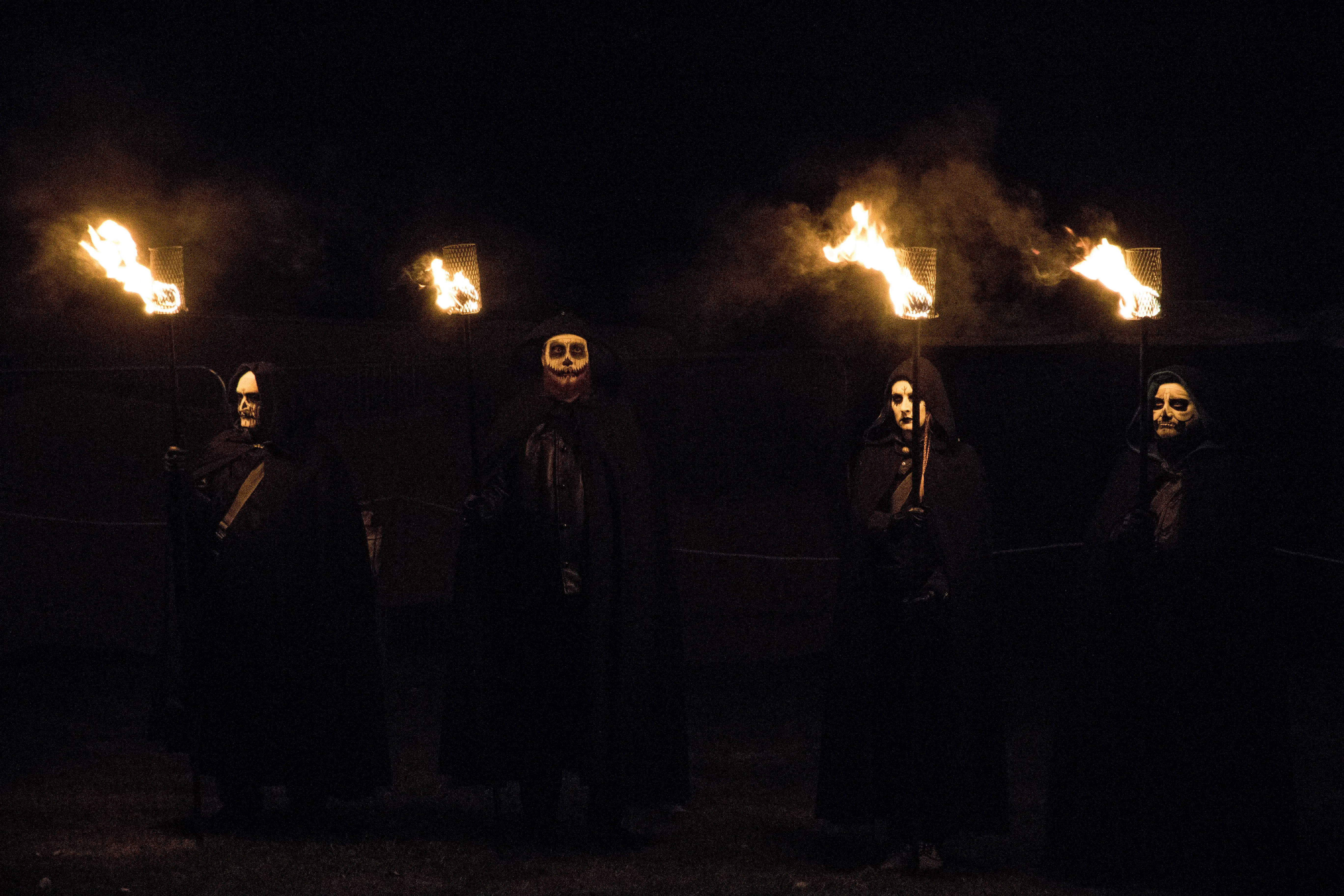
Samhain is an ancient Celtic fire festival marking the thin veil between life and death. It involves bonfires, costumes, and offerings to protect from spirits. It is the root of modern Halloween’s traditions like pumpkin carving and trick-or-treating.

Famadihana (Madagascar)
This festival honours ancestors by rewrapping their remains in fresh cloth and dancing with them. It celebrates family heritage and memory with colourful joyful ceremonies.
Boryeong Mud Festival (South Korea)Boryeong Mud Festival (South Korea)
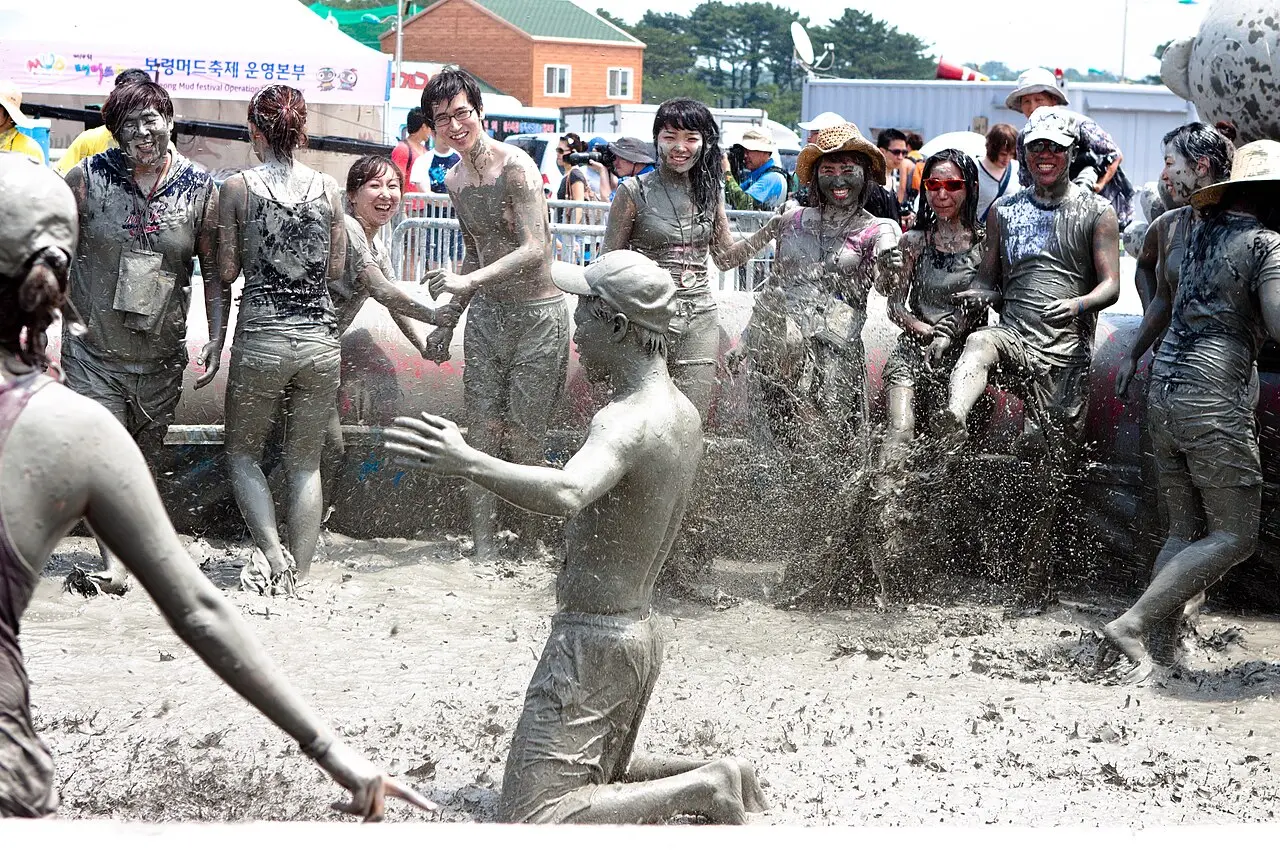
A unique event, this festive mud celebration symbolises cleansing and renewal. It combines fun and spiritual renewal, reflecting respect for past and present.
)
)
)
)
)