Beyond -50°C: Top 7 coldest cities in the world for ultimate winter survival test

Millions of people inhabit regions where temperatures regularly plummet below -40°C. From Oymyakon's record of -67.7°C to Yellowknife's -51.2°C, these cities define extreme survival. Challenging the limits of human survival.
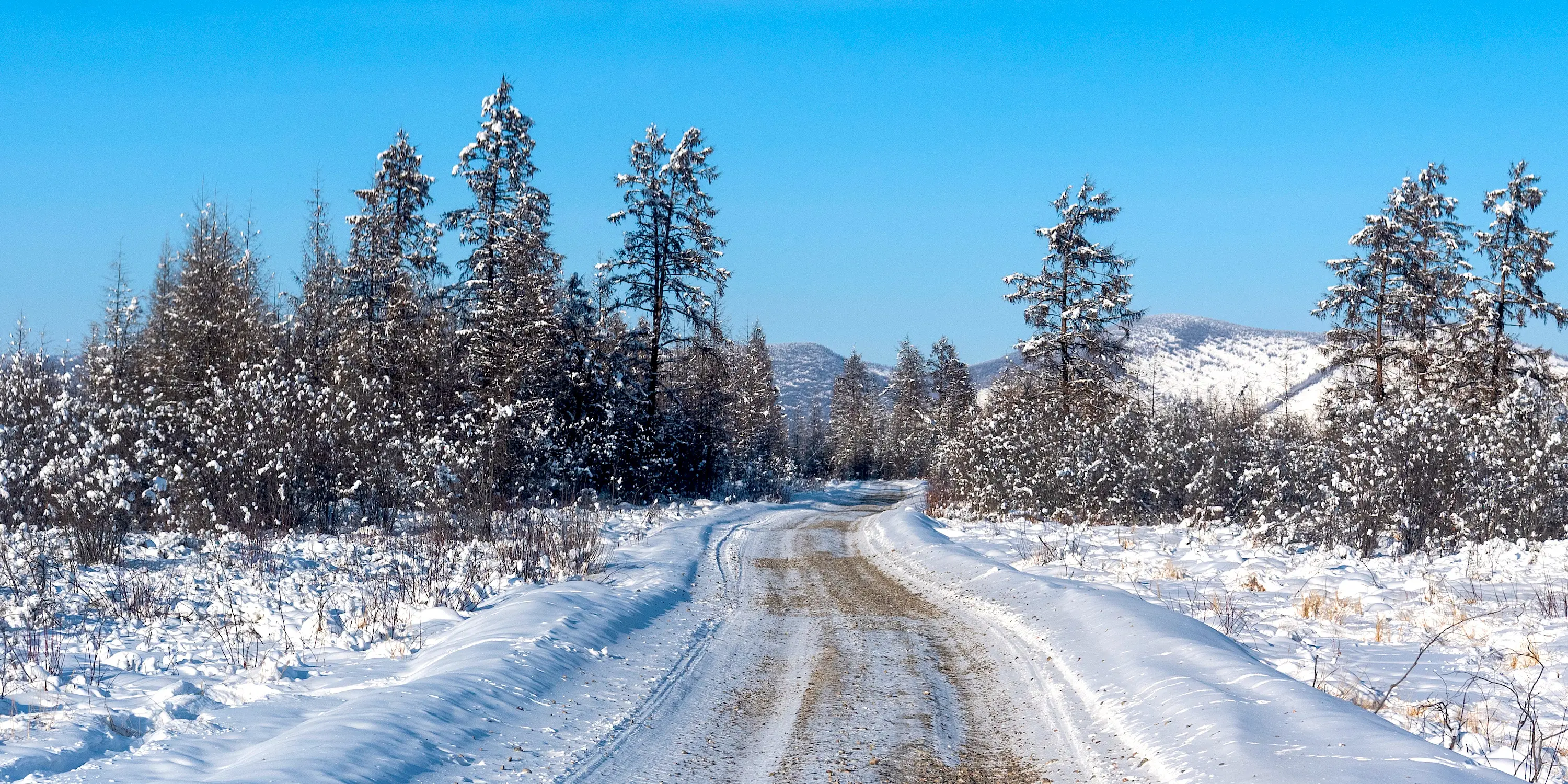
Oymyakon, Russia The coldest inhabited place
This Siberian village holds the record for the lowest temperature in a permanently inhabited settlement, hitting -67.7°C in 1933. Engines are left running 24/7 to prevent freezing, and the ground is so hard that graves must be thawed with bonfires before digging.
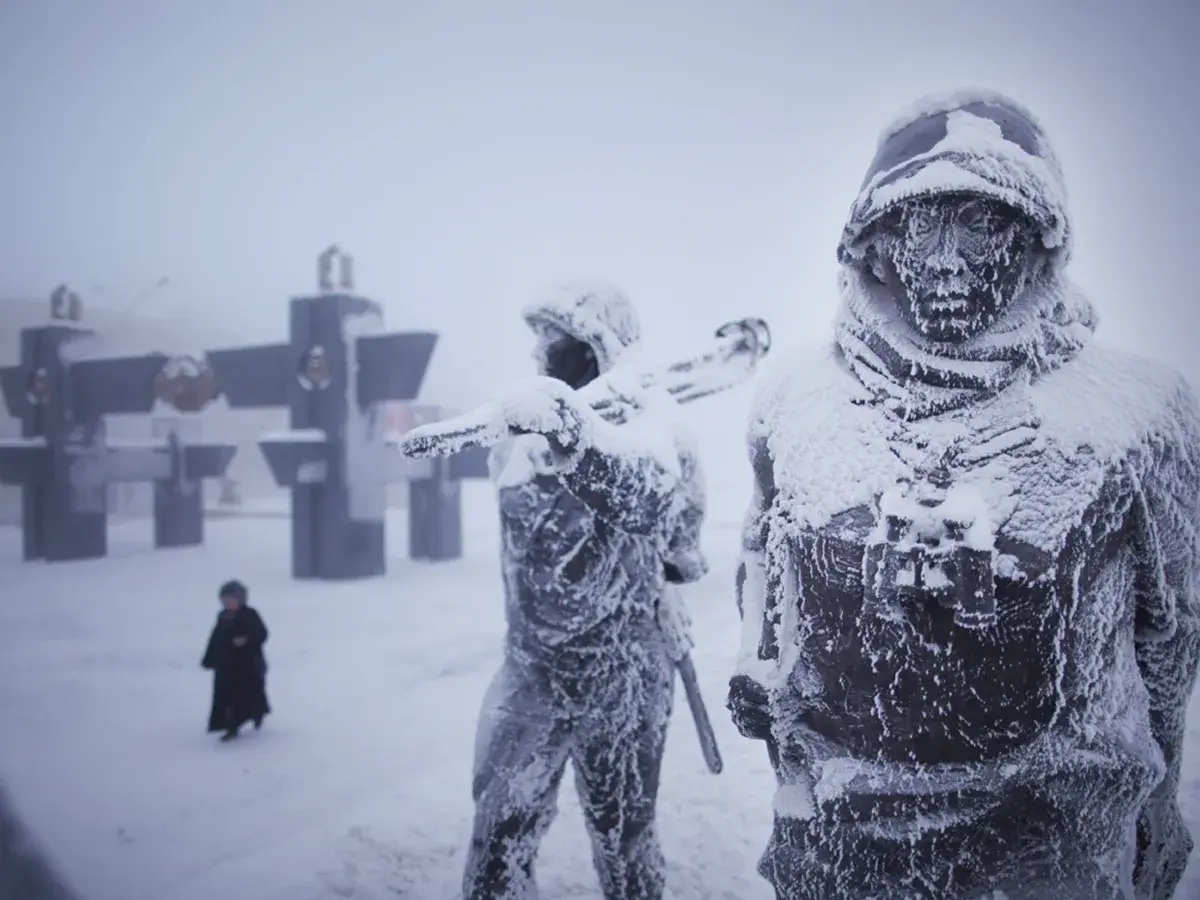
Verkhoyansk, Russia
Located in the Arctic Circle, Verkhoyansk recorded a bone-chilling -67.8°C in February 1892. It is famous for having the widest temperature range on Earth, swinging from extreme sub-zero winters to sweltering summers of over 30°C.
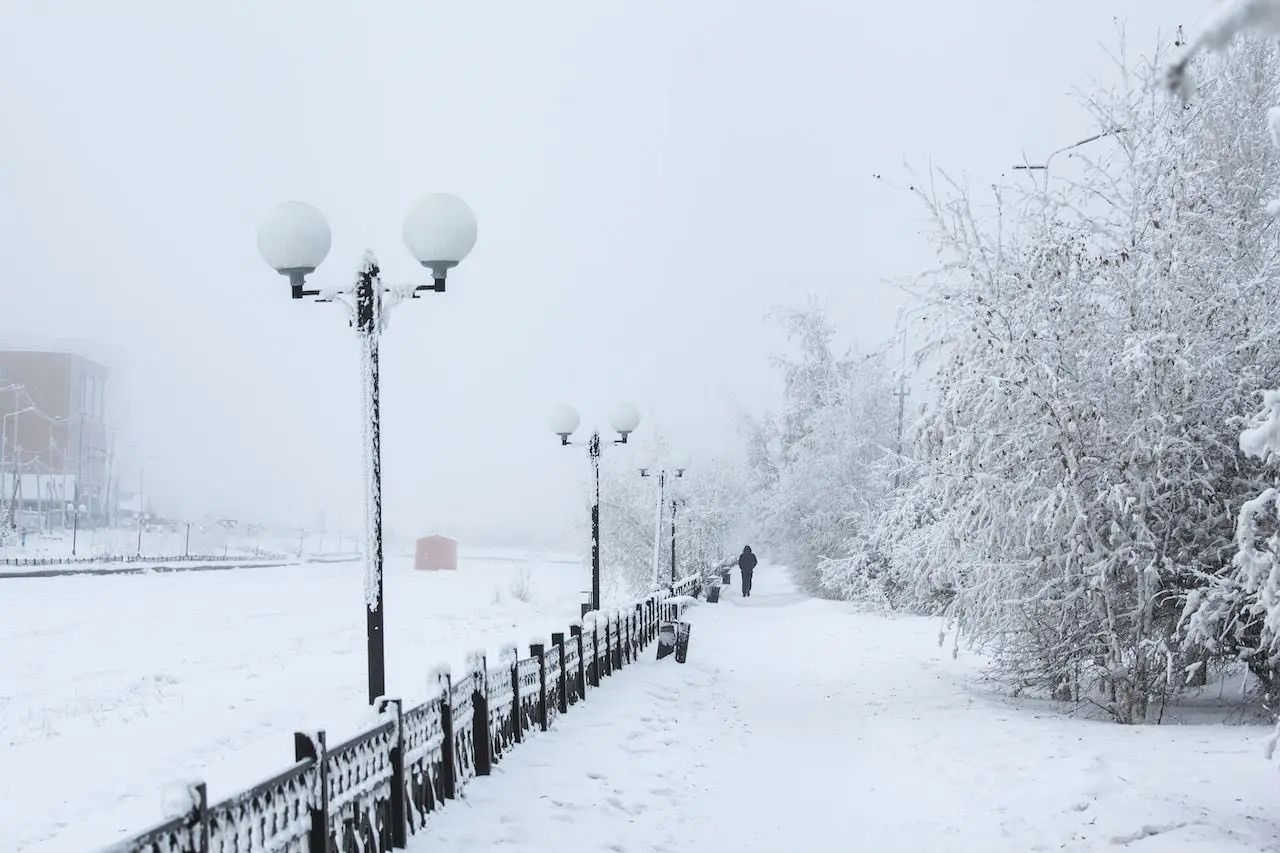
Yakutsk, Russia The coldest major city
Built entirely on continuous permafrost, Yakutsk is home to over 300,000 people and recorded a low of -64.4°C in 1891. Locals survive on a diet rich in meat and fish to maintain body heat, and open-air markets sell frozen fish standing upright like baguettes.
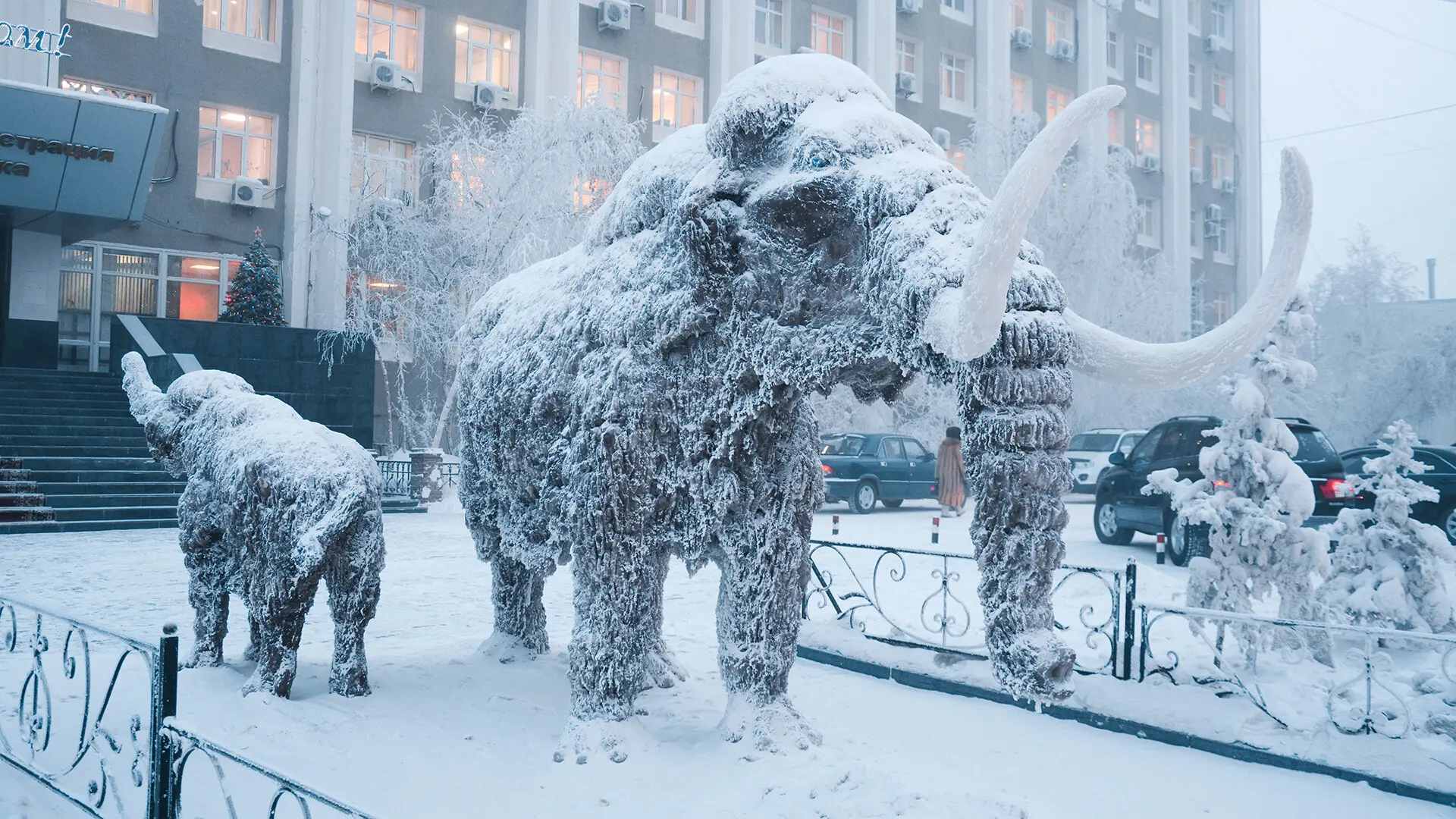
Norilsk, Russia Isolated by snow and industry
One of the world's northernmost cities, Norilsk experiences temperatures as low as -53.1°C and is accessible only by air or sea. It is famous for its massive nickel mines and 'black blizzards', where violent winds and snow reduce visibility to zero for days.
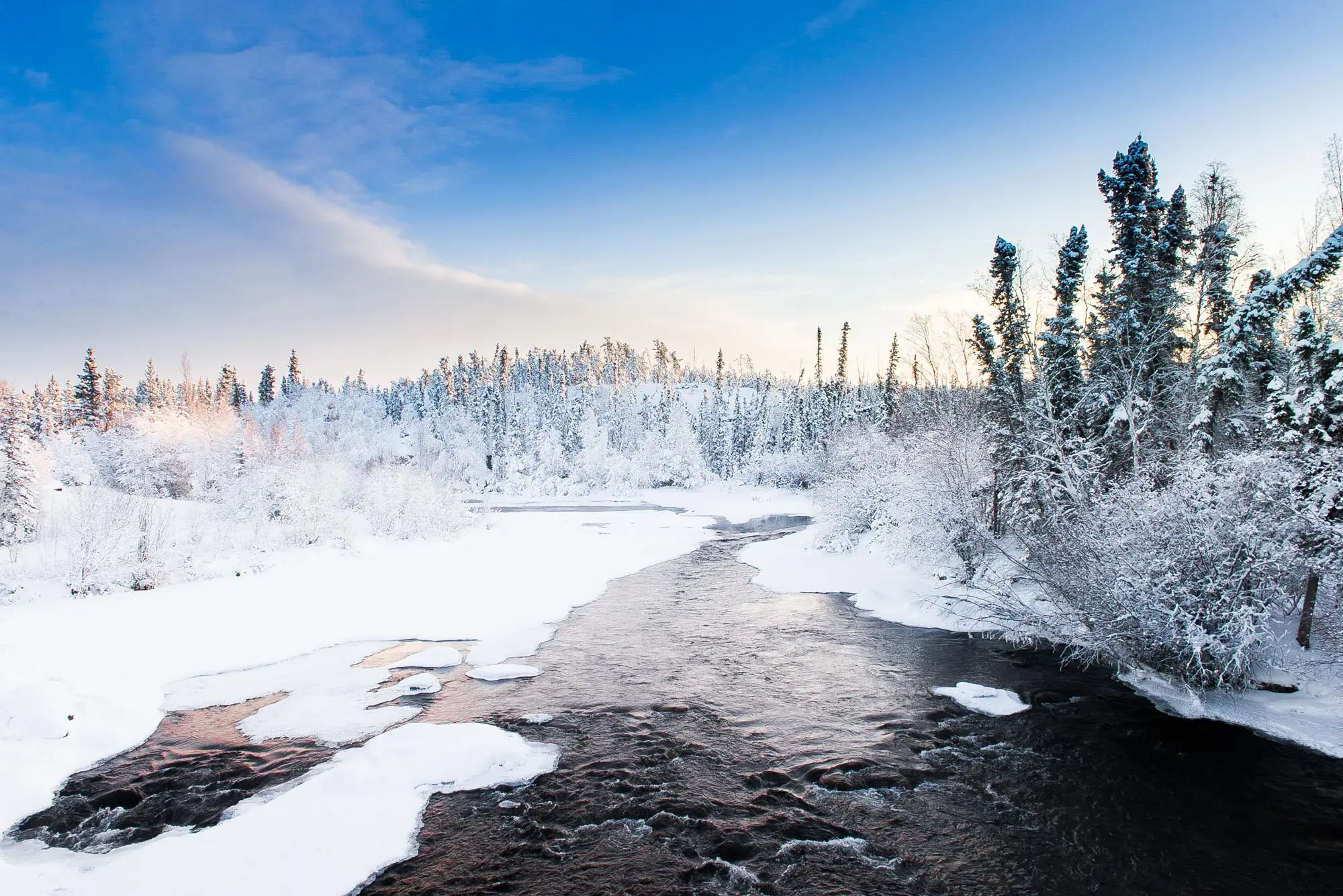
Yellowknife, Canada North America’s ice capital
The capital of the Northwest Territories, Yellowknife recorded a historic low of -51.2°C in 1947. It is renowned for its crystal-clear viewing of the Northern Lights and its 'ice road' truckers who drive over frozen lakes to supply remote diamond mines.
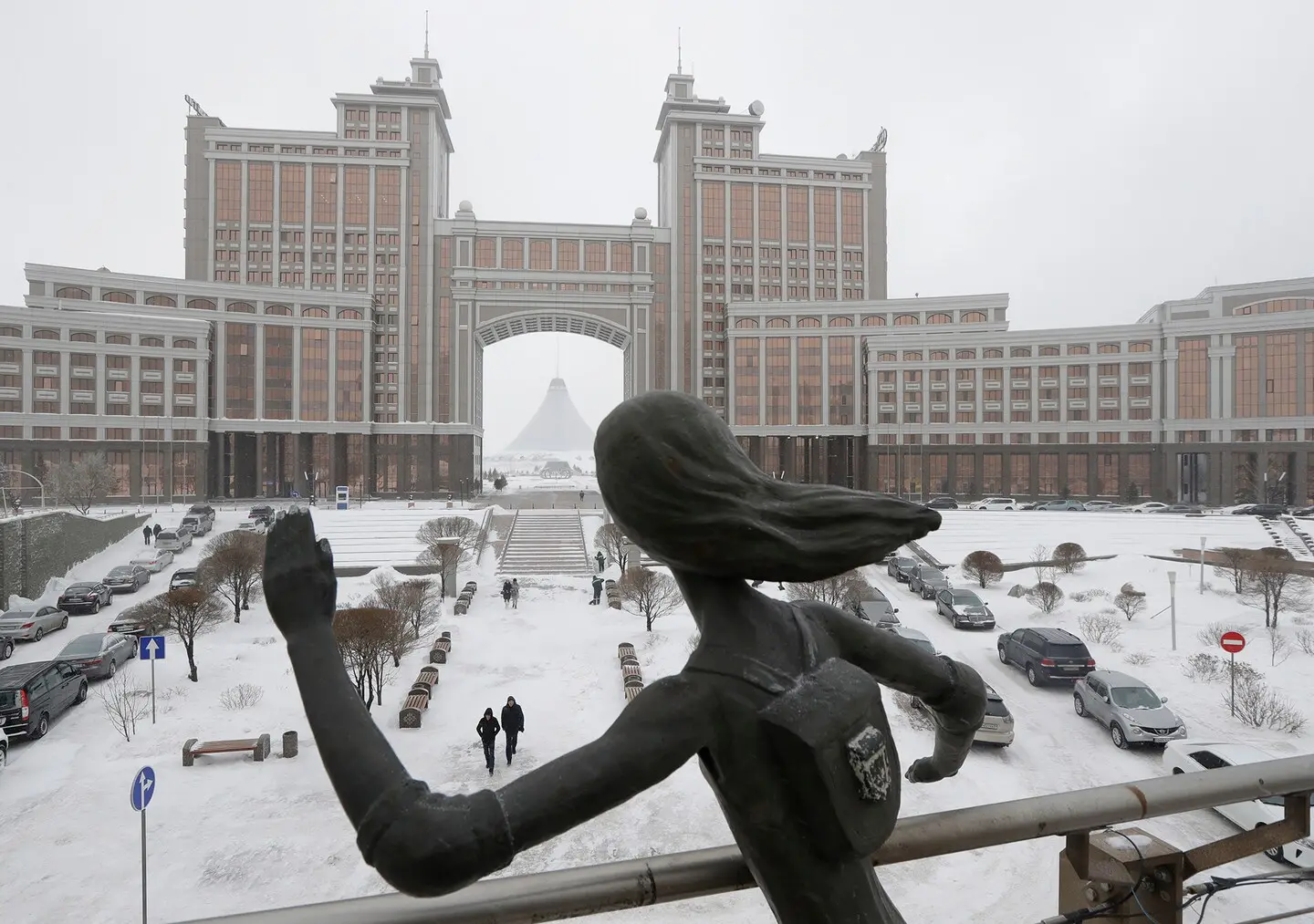
Astana, Kazakhstan The windswept capital
Astana is the second-coldest national capital by average temperature, but its record low of -51.6°C is formidable. The city’s modern architecture is designed to withstand brutal steppe winds that can plunge the wind chill factor well below freezing for months.
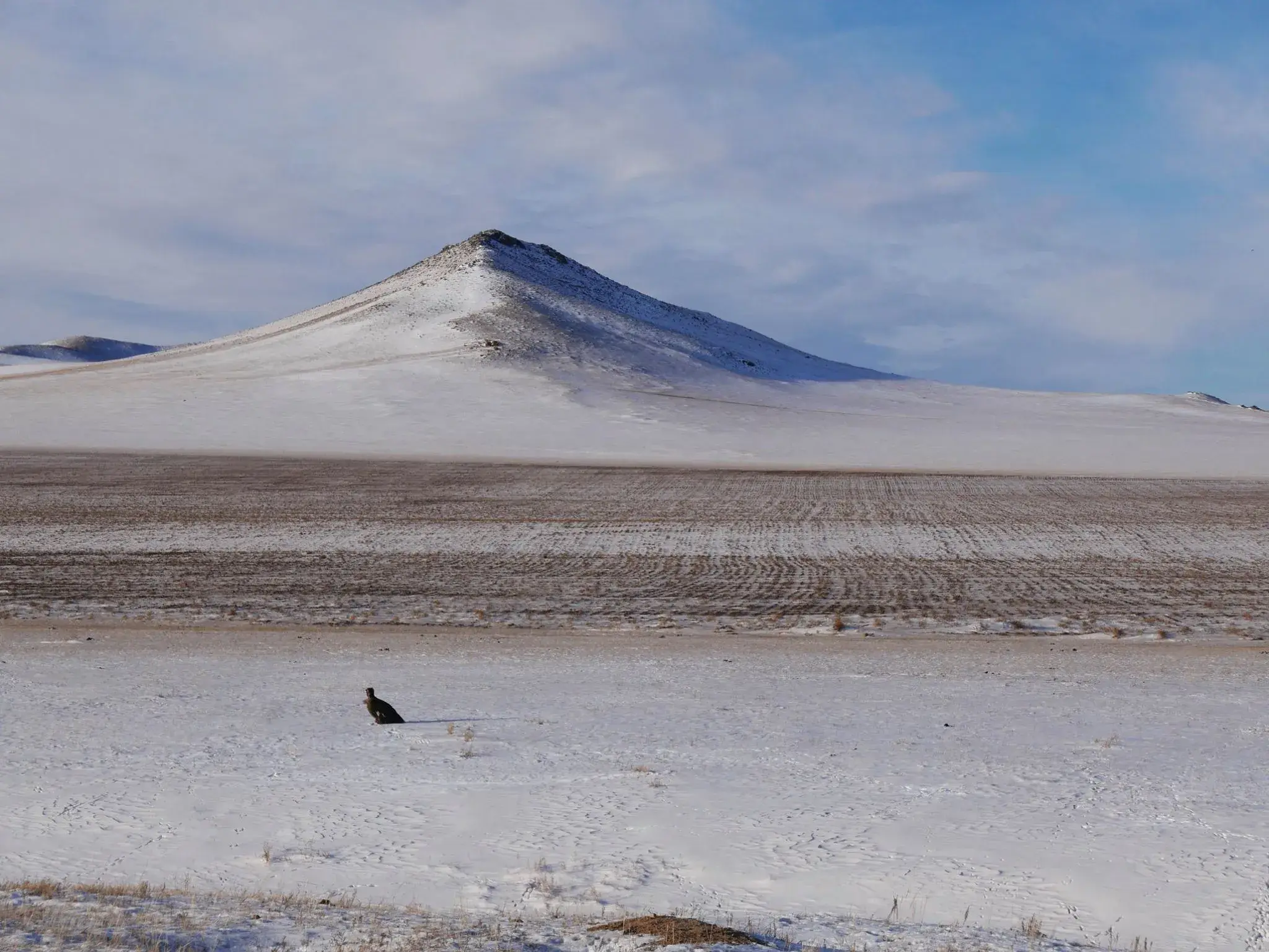
Ulaanbaatar, Mongolia The world’s coldest capital
While its record low is -42.2°C, Ulaanbaatar holds the title of the world's coldest capital by annual average. Residents in traditional yurt districts burn raw coal to survive the long winters, creating a unique but challenging environment of extreme cold and smog.
)
)
)
)
)