Bermuda Triangle: The facts science knows and the mysteries it can’t explain

The Bermuda Triangle covers an area that estimates suggest ranges between 500,000 and 1,510,000 square miles.
Introduction
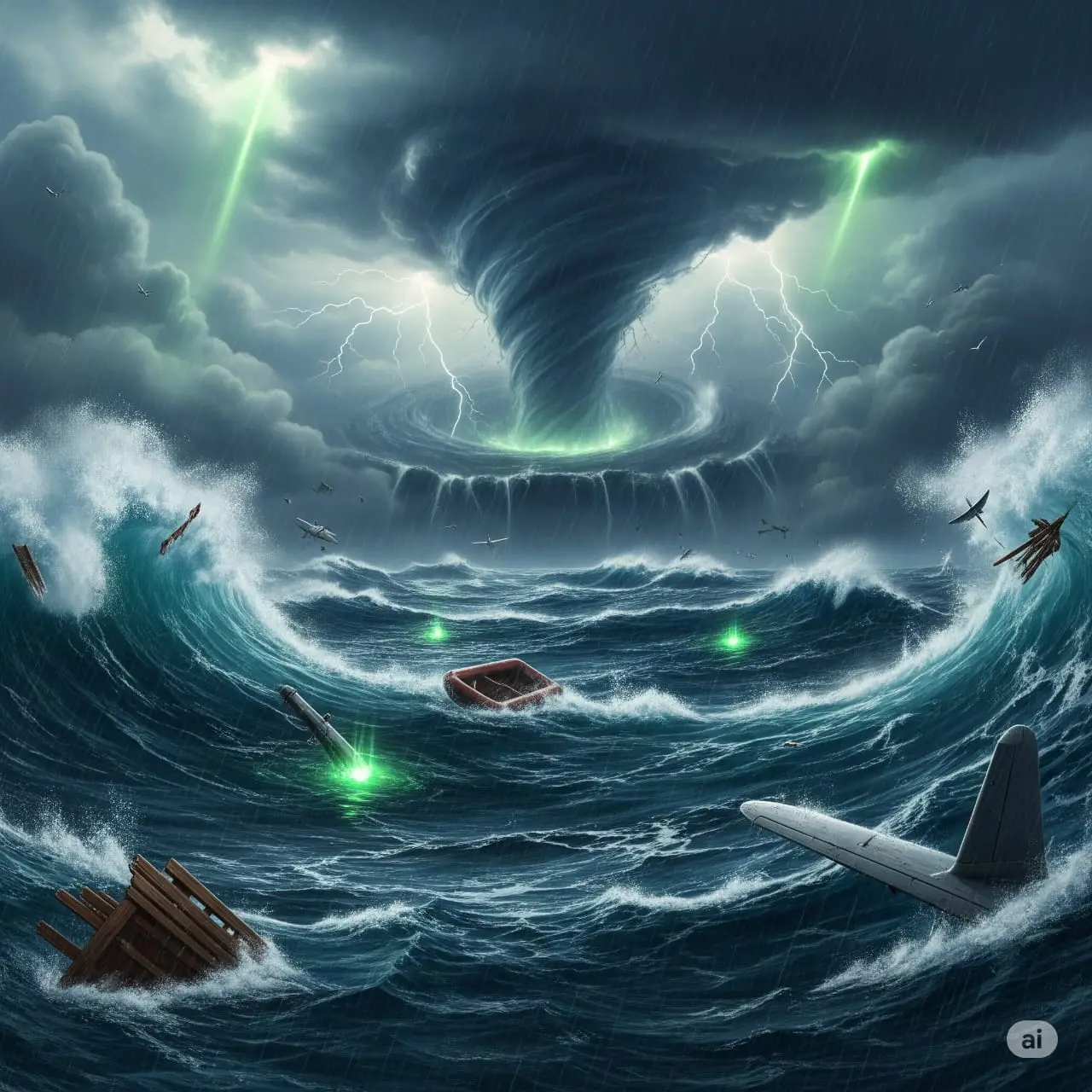
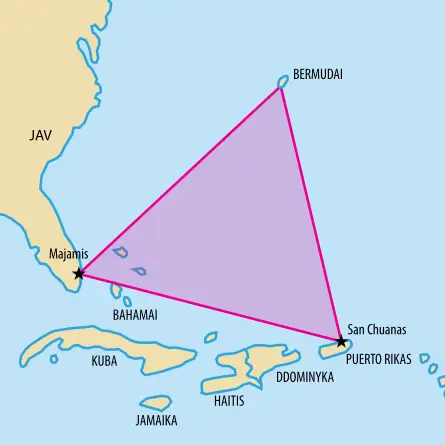
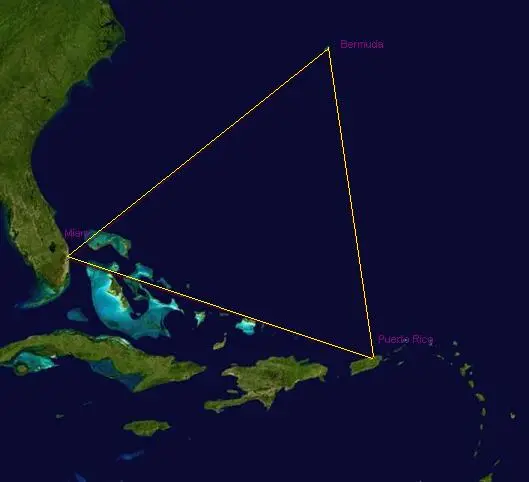
For decades, the Bermuda Triangle has fascinated, baffled, and terrified those who study the seas. Stretching across a loosely defined region of the North Atlantic Ocean, roughly bounded by the southeastern coast of the United States, Bermuda, and the islands of the Greater Antilles, it has earned a reputation as a zone of unexplained disappearances. Reports of vanished ships and aircraft have stirred both speculation and scientific inquiry, yet despite countless investigations, much about this region remains shrouded in uncertainty.
Geography and Scope
The Bermuda Triangle covers an area that estimates suggest ranges between 500,000 and 1,510,000 square miles. Its boundaries are not universally agreed upon, and it does not appear on official maps, with the US Board on Geographic Names refusing to recognise it as a formal region. The triangle encompasses busy maritime and air routes, including the deepest point in the Atlantic Ocean, the Milwaukee Depth in the Puerto Rico Trench, which plunges to over 27,000 feet. The Gulf Stream, known for causing sudden shifts in local weather, flows through the area, contributing to unpredictable conditions for vessels and aircraft.
Historical Incidents
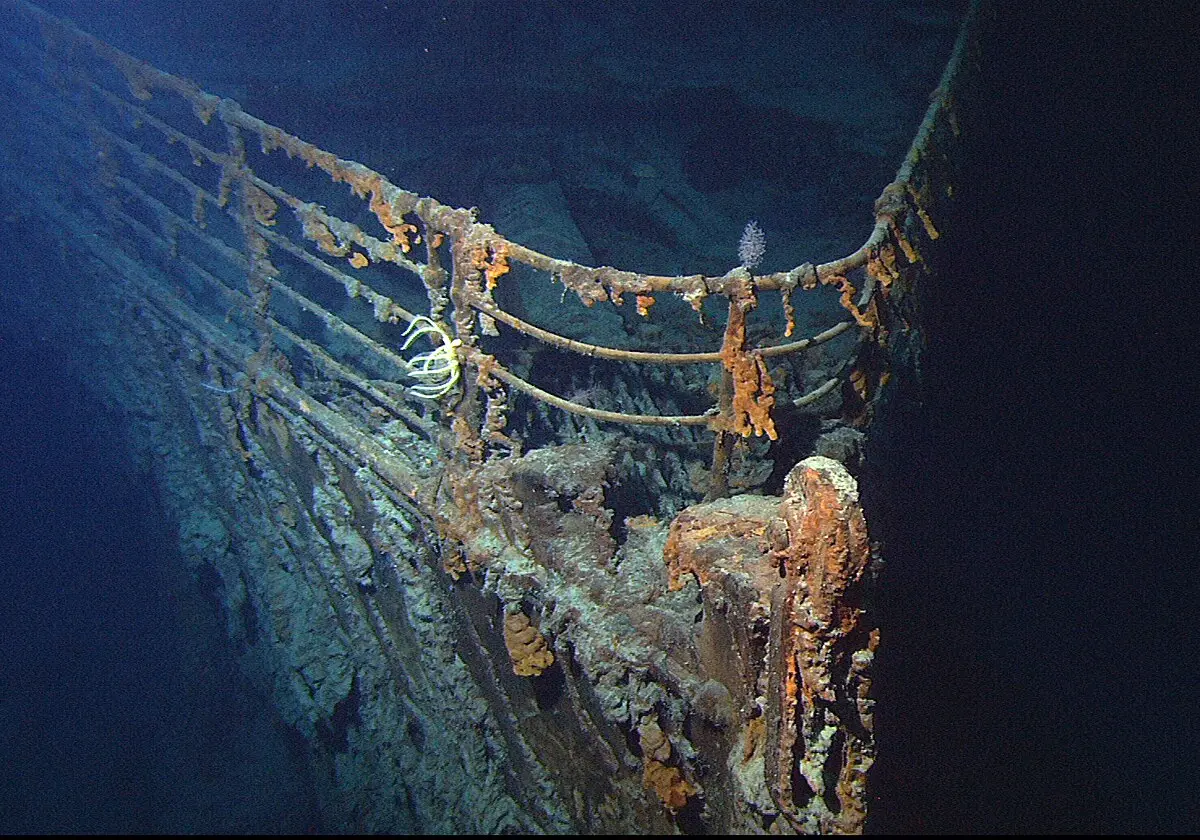
The first reported unexplained occurrences date back to the mid-19th century, though the term ‘Bermuda Triangle’ only entered public consciousness in 1964, coined by Vincent Gaddis in a magazine article. Notable incidents include the disappearance of the USS Cyclops in 1918 and Flight 19, a squadron of US Navy bombers, in 1945. Both vanished without trace, and no wreckage was recovered. Over the years, these incidents, coupled with popular accounts, including Charles Berlitz’s 1974 book linking the triangle to Atlantis, have cemented the region’s reputation for mystery.
Natural Explanations
Despite its fearsome reputation, studies indicate that the Bermuda Triangle does not see a higher incidence of disappearances than other heavily trafficked regions. Sudden tropical storms, hurricanes, and strong ocean currents, along with the occasional presence of rogue waves reaching up to 100 feet, can account for many of the maritime losses. The agonic line, where true north aligns with magnetic north, has also been suggested as a factor in navigational errors for aircraft and ships passing through the region.
Uncertain Numbers
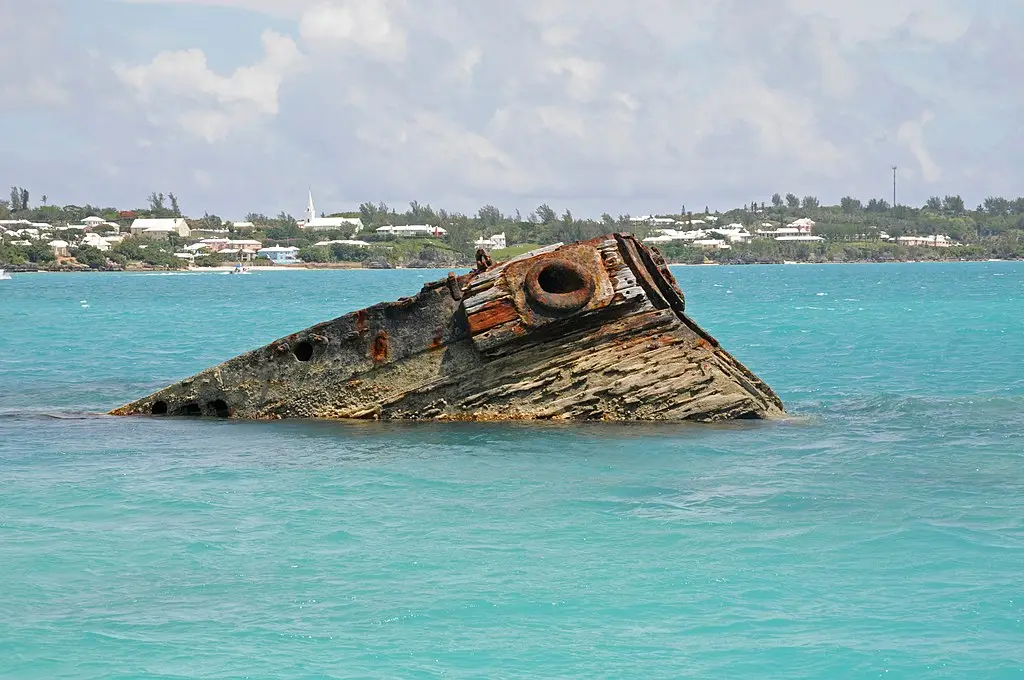
One of the most striking aspects of the Bermuda Triangle is the uncertainty surrounding the exact number of losses. Estimates suggest around 50 ships and 20 aircraft have disappeared, though the true figure may vary. Many reports lack verifiable documentation, and wreckage for numerous cases has never been recovered. This lack of evidence feeds the perception of the triangle as a zone of unresolved mysteries.

Unexplained Factors
While natural hazards account for some incidents, there remains no scientific consensus explaining all disappearances. Factors such as human error, equipment failure, and severe weather provide partial explanations, but no single cause accounts for every case. Speculation about paranormal or extraterrestrial activity persists in popular culture, though empirical evidence is entirely absent.

Patterns and Anomalies
Some researchers have explored patterns within the triangle, including magnetic anomalies that can cause minor compass deviations, yet these are insufficient to explain the full scope of the disappearances. The area’s heavy traffic, coupled with sudden and severe weather events, likely contributes to the perception of danger, even if statistical analyses do not support it as uniquely hazardous.
Modern Assessments
In recent years, studies by organisations such as the World Wildlife Fund and NOAA confirm that the Bermuda Triangle is not among the world’s most dangerous shipping lanes. Boaters and fliers continue to traverse the region without incident, underscoring the likelihood that natural environmental factors, rather than mystery, account for most reported losses.

The Enduring Mystery
Despite decades of investigation, the Bermuda Triangle remains a source of fascination. Its combination of challenging weather, deep waters, and a history of unexplained disappearances continues to intrigue both scientists and the public.
)
)
)
)
)