Before Greenland, there was the Suez Crisis: What happened when US turned against Europe?

Long before Greenland entered the equation, the 1956 Suez Crisis became one of the earliest and most significant challenges to US-European unity in the post-war era.

A landmark in transatlantic relations
The dispute between the United States and Europe over Greenland not something new. Since the end of the Second World War, transatlantic relations have periodically been tested by strong strategic disagreements, that have triggered diplomatic crises between long-standing allies. Long before Greenland entered the equation, the 1956 Suez Crisis became one of the earliest and most significant challenges to US-European unity in the post-war era. Although America and the European capitals would later deepen cooperation through NATO and expanding economic ties, the Suez episode exposed some fundamental differences in strategic priorities and national interests of both of the fronts.

Nationalisation of the Suez Canal
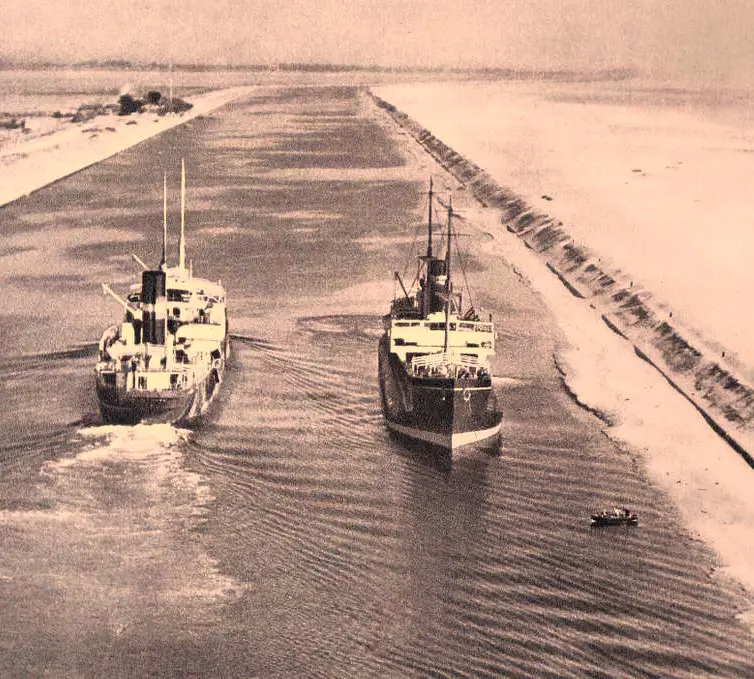
Tensions began on July 26, 1956, when the Egyptian President, Gamal Abdel Nasser nationalised the Suez Canal Company, which was earlier run by British and French interests since its construction in 1869. The canal which was viewed as a critical global trade route linked the Mediterranean and Red Seas, essential for European access to oil and Asian markets. This announcement by Egypt came about following months of mounting political tensions between Egypt, Britain, and France.
US’s mediation efforts
Concerned about a clash between its NATO allies and an increasingly influential Middle Eastern power, the Egypt, and the risk of Soviet intervention, the US’ Eisenhower administration pushed for a diplomatic solution to the Suez dispute. On September 9, a Suez Canal Users’ Association (SCUA) was proposed by US, but the plan failed to gain support. Meanwhile, Britain had repeatedly signalled to Washington that it might resort to force against Nasser.
European and Israeli military response
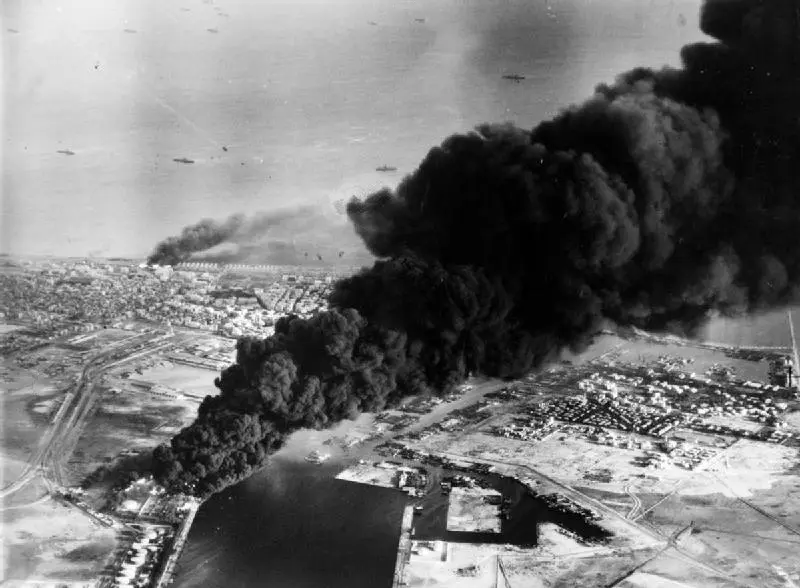
Britain and France, alarmed at the loss of influence and revenue, secretly agreed with Israel to launch a military intervention to seize the canal and topple Nasser. On October 29, 1956, the Israeli forces invaded Egypt's Sinai Peninsula, followed shortly by British and French troops landing near Port Said in what became known as 'Operation Musketeer'.
US opposition and diplomatic pressure
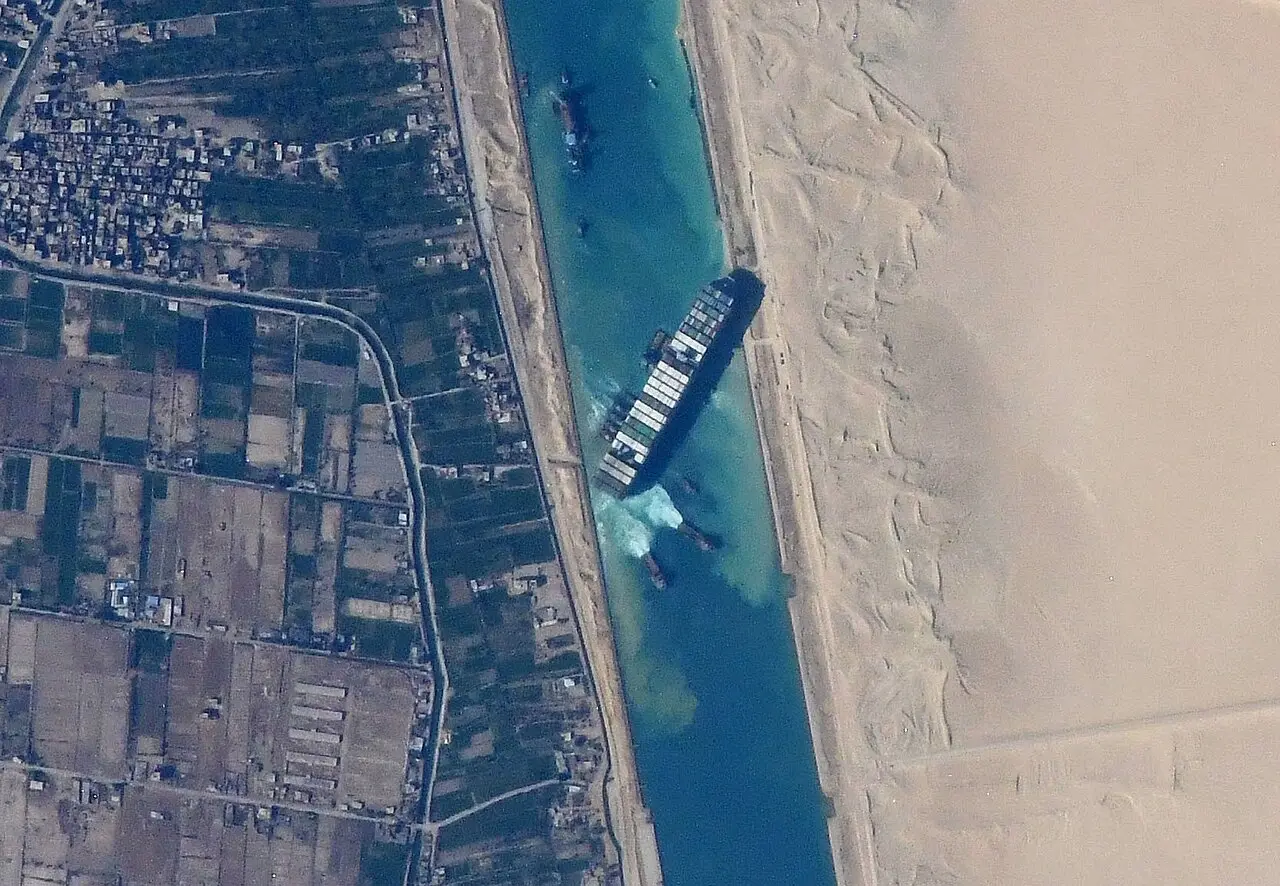
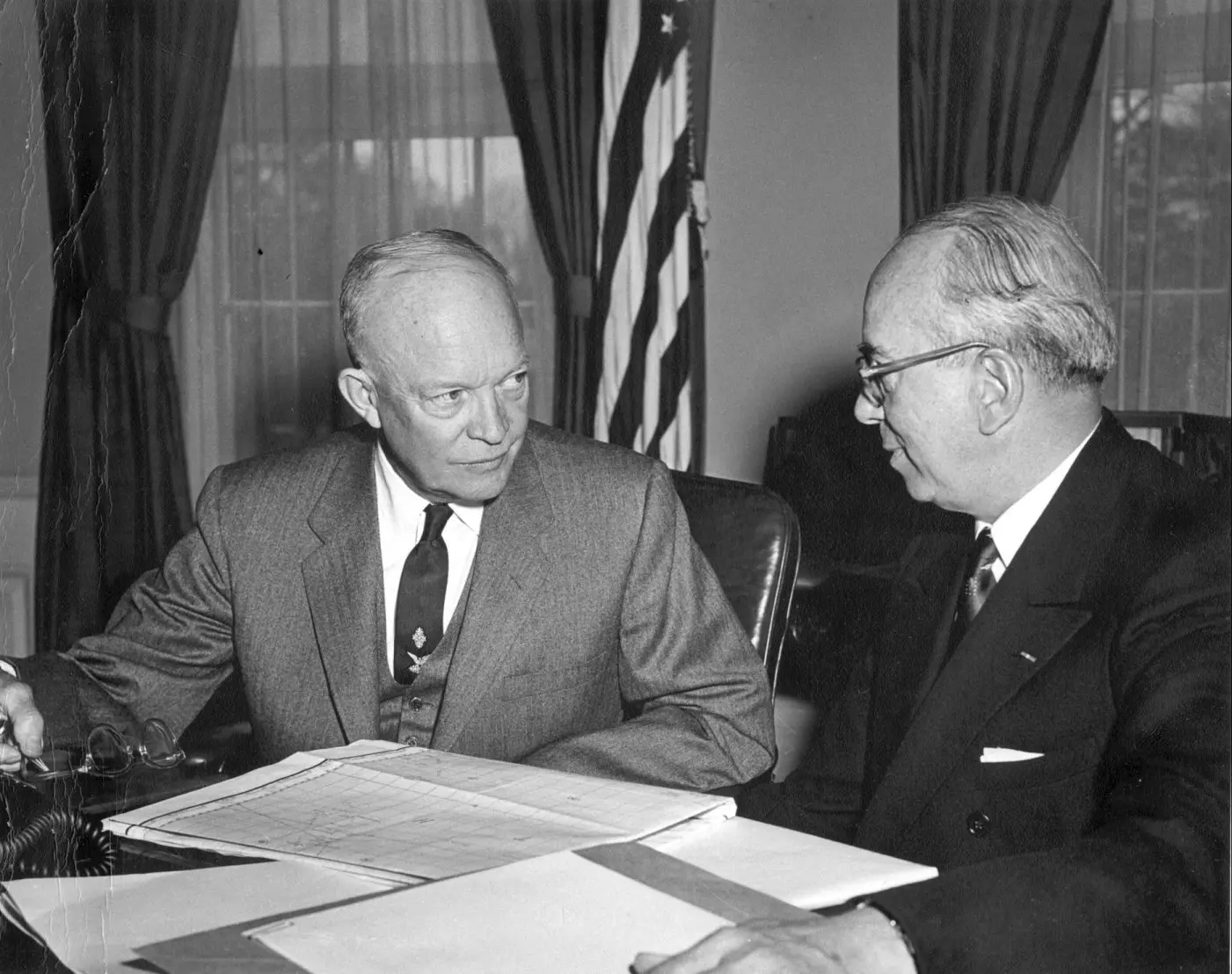
The Eisenhower administration reacted strongly against its allies’ unilateral military action. Concerned about a wider Middle East conflict along with Soviet opportunism, the US pressured Britain and France to withdraw forces. Washington even warned of economic sanctions and backed United Nations resolutions calling for a ceasefire, this was a rare instance of the US publicly opposing the military strategy of its closest European allies.
Aftermath and withdrawal
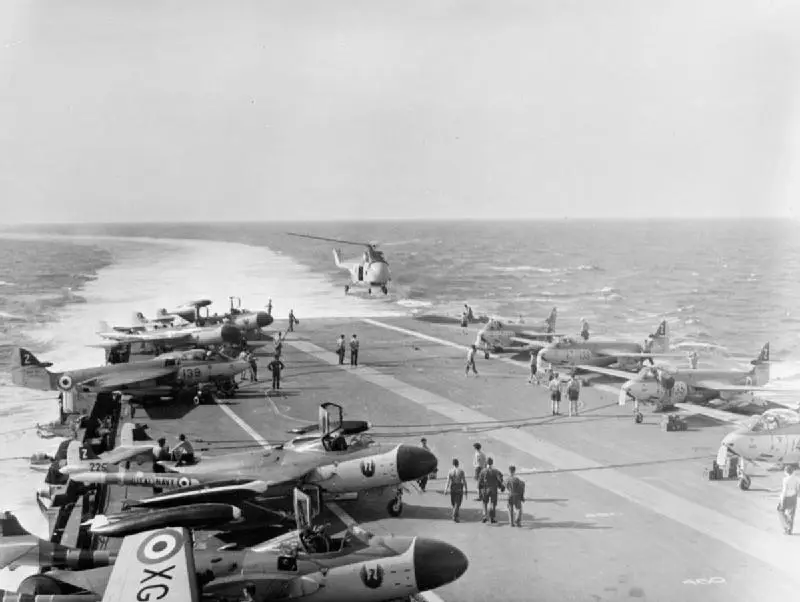
Under intense US and international pressure, British and French forces pulled back by December 1956, and Israeli troops followed in early 1957. Washington’s public censure of two of its most important allies temporarily soured relations with London and Paris and helped contribute to the resignation of British Prime Minister Anthony Eden in January 1957. The crisis marked a significant moment in reducing traditional European colonial influence and highlighted the evolving role of the United States as a dominant power broker.
Broader implications for global diplomacy
The Suez Crisis also led to the first deployment of a United Nations peacekeeping force, thus setting a precedent for future international interventions. It also further contributed to the launch of the Eisenhower Doctrine, which gave the administration increased power to aid countries in the region. However, by March 1957, bilateral relationship of the US and the UK had recovered under Eden’s successor, Harold Macmillan.
)
)
)
)
)