7 terrifying weapon that are so lethal they are now BANNED from modern warfare

In the history of warfare, there had been few weapons which were so lethal that they wreaked havoc on humankind, not just death and destruction, but enormous pain and suffering. They were eventually banned or used only in limited quantities.
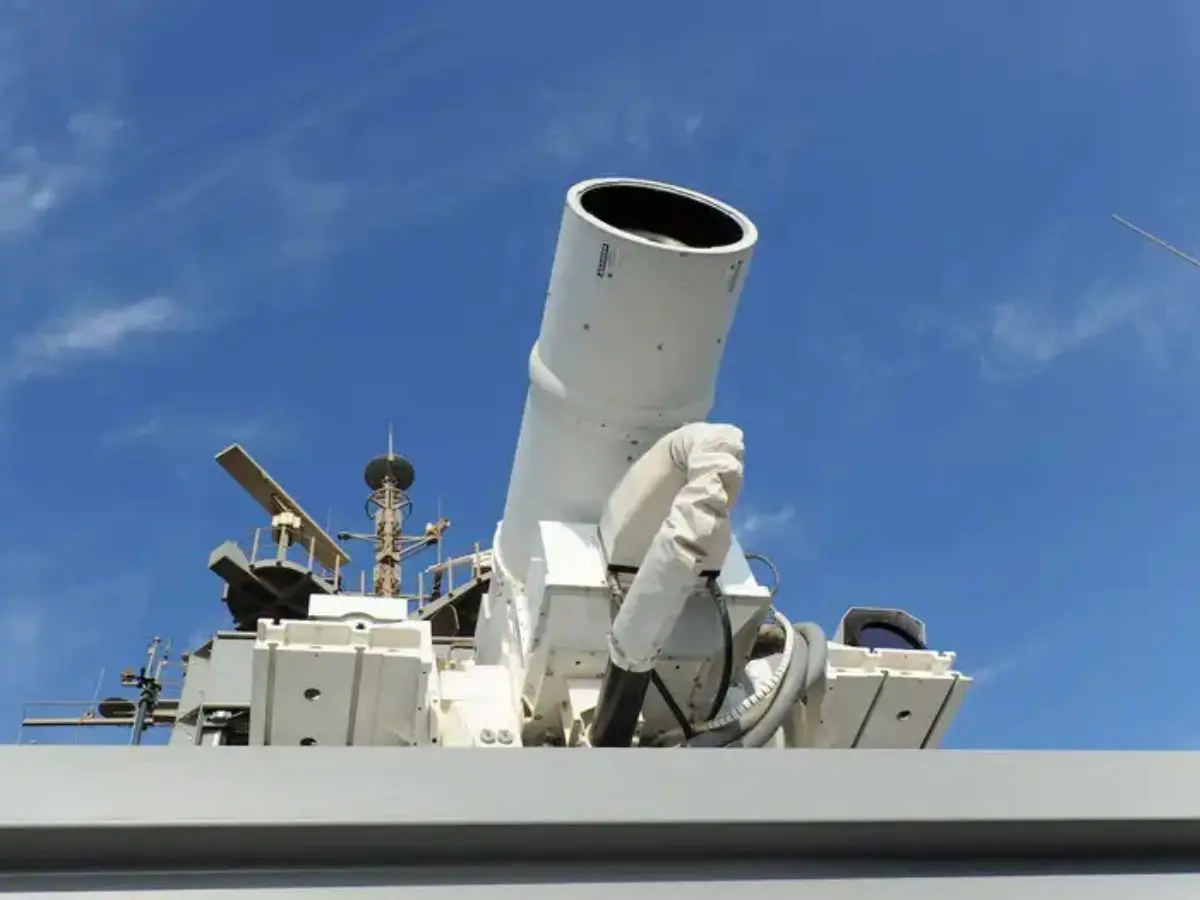
Blinding Laser Weapons
These are the weapons specifically developed to cause permanent blindness or reduced vision. America used blinding lasers such as dazzlers during the Iraq War. However, in 1994, under Protocol 4 of the conventions on certain conventional weapons, it was banned from use.
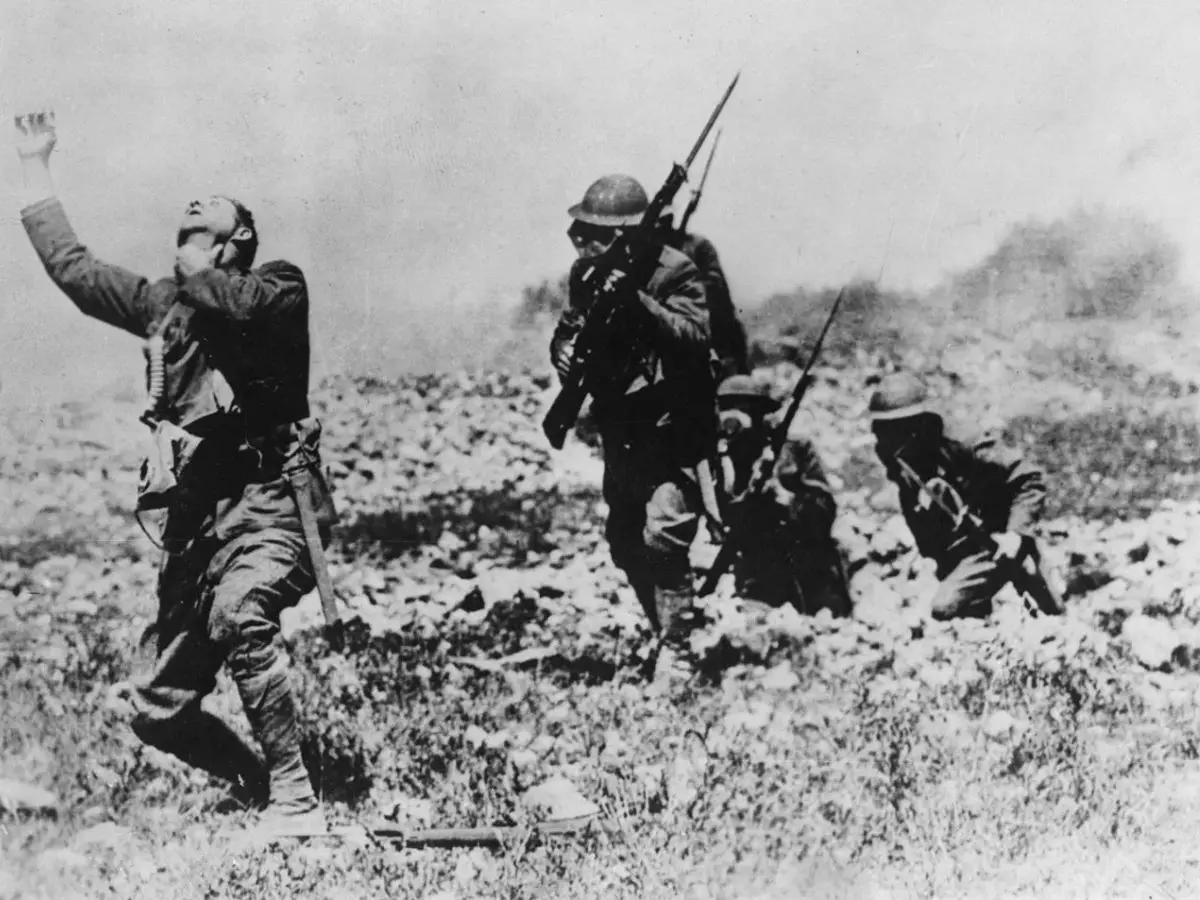
Chemical Weapon
Chemical weapons such as chlorine gas, phosgene gas had been used extensively by both sides in World War I. These would cause asphyxiation, skin burn, blisters and victims' lungs would fill with fluid, slowly suffocating them to death. But after World War I and the 1925 Geneva Convention, it was banned from use.
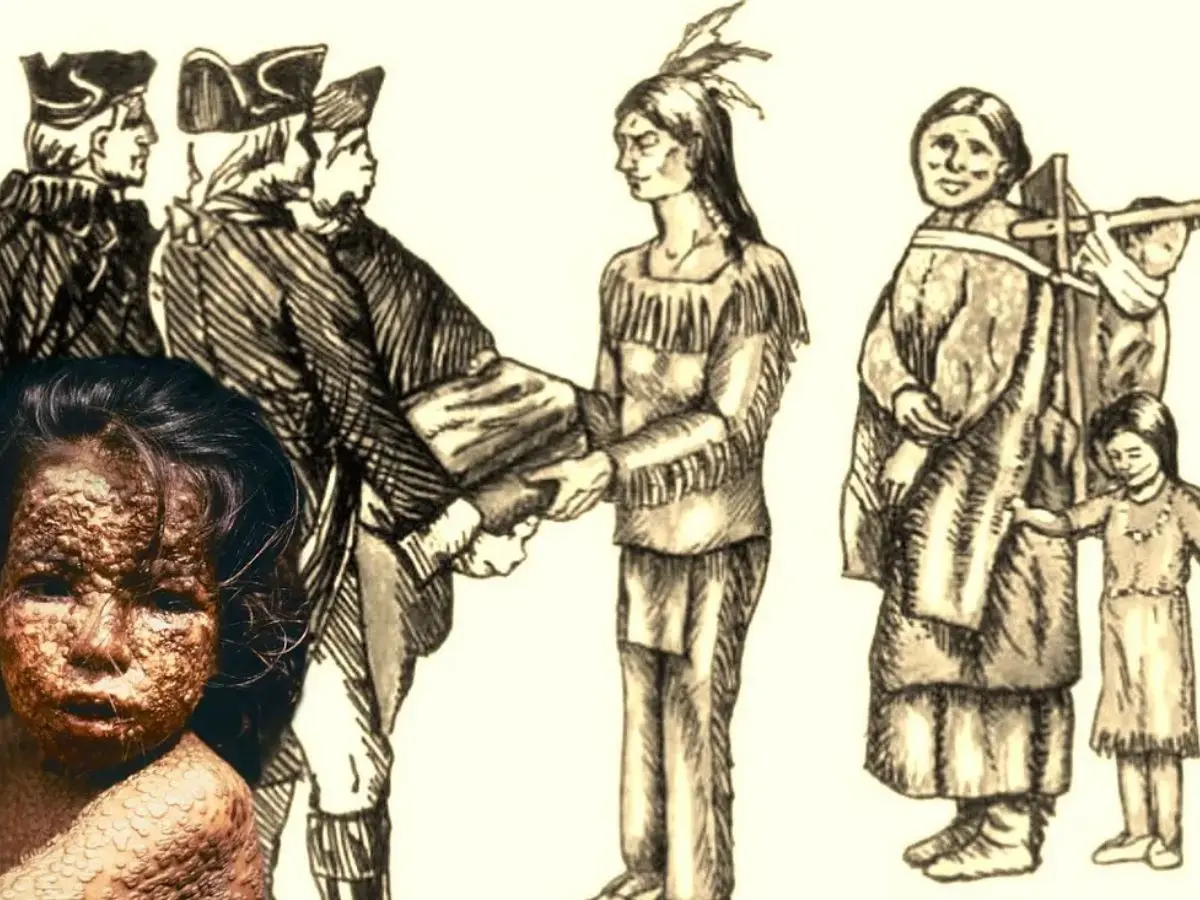
Biological Weapon
Biological weapons are the oldest weapon of mass destruction. The famous story of the British giving a blanket to the native American tribes, which was infested with smallpox, was the earliest known use of a biological weapon. The native americans had no immunity against the disease. In 1492, the native american population was 72 million. In 1800, it was reduced to 600000. According to historians, 90 per cent of the native americans died from diseases like measles, smallpox or flu. In 1343, during the Siege of Caffa, the Mongols tossed dead bodies on the city walls to spread diseases. The use of biological weapons was banned in 1972 under the Biological Weapons Conventions, which prohibit the development, production, and stockpiling of biological weapons.
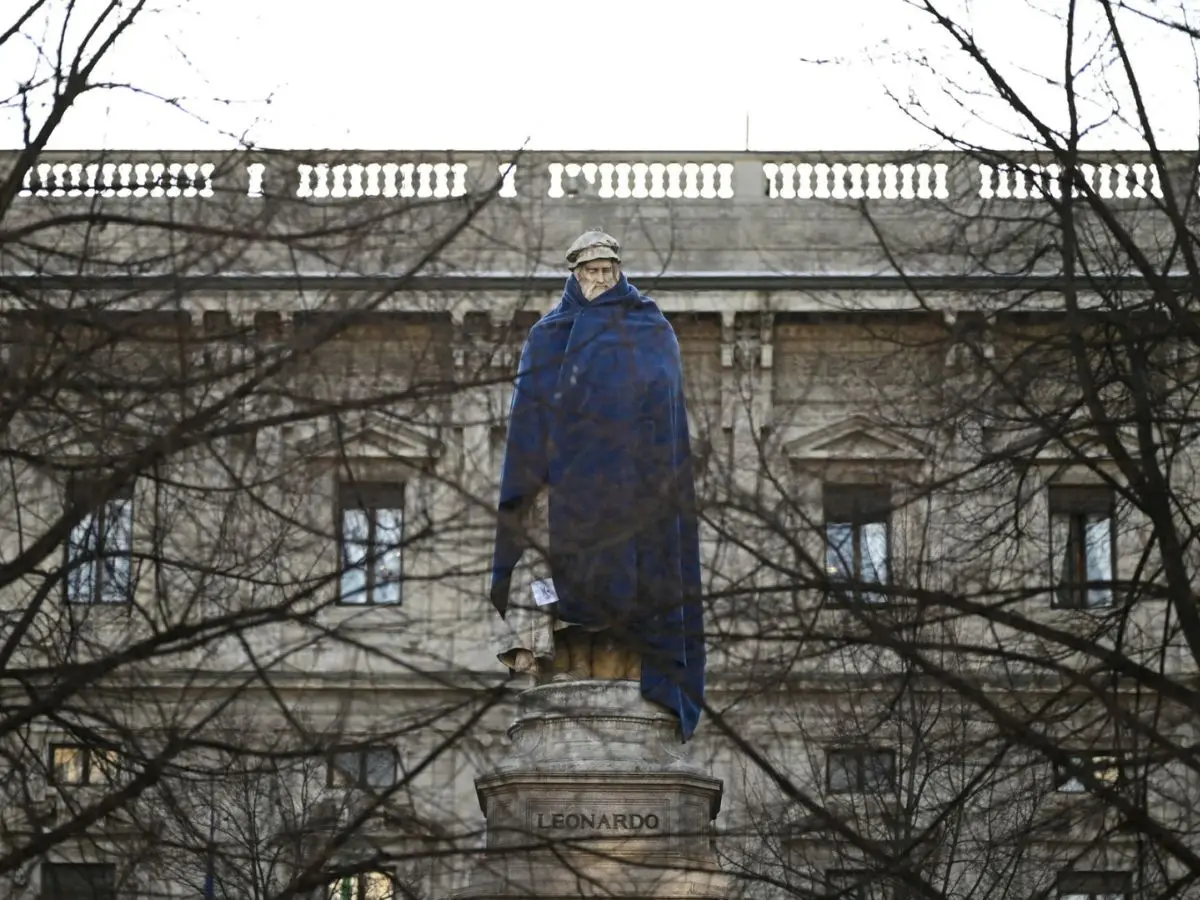
Poisoned Bullet
Even though poison was used in war long ago, Leonardo da Vinci developed schematics for cannon and rifle shells packed with powdered arsenic and sulfur, which was a kind of poisoned bullet. It was banned in the 1675 Strasbourg Agreement.
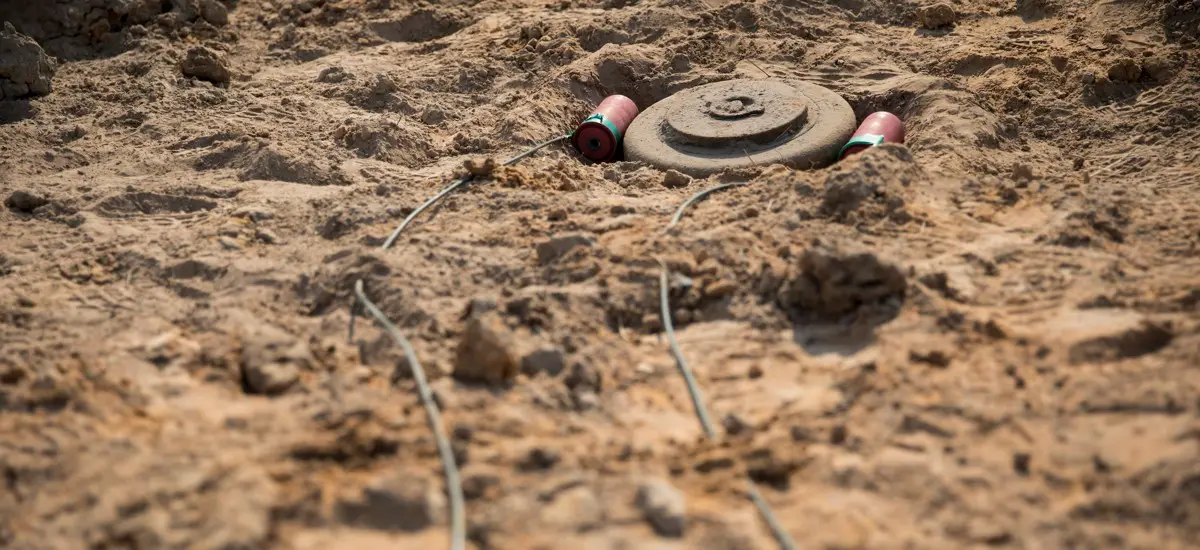
Land Mine
The 1997 Ottawa treaty bans the use of Land Mines, specifically anti-personnel mines. However, they are still used in classified and remote locations. Additionally, an amendment to Protocol II of the CCW equips stricter controls on booby traps and remote mines, and forbids non-detectable or non-self-deactivating mines outside monitored zones.
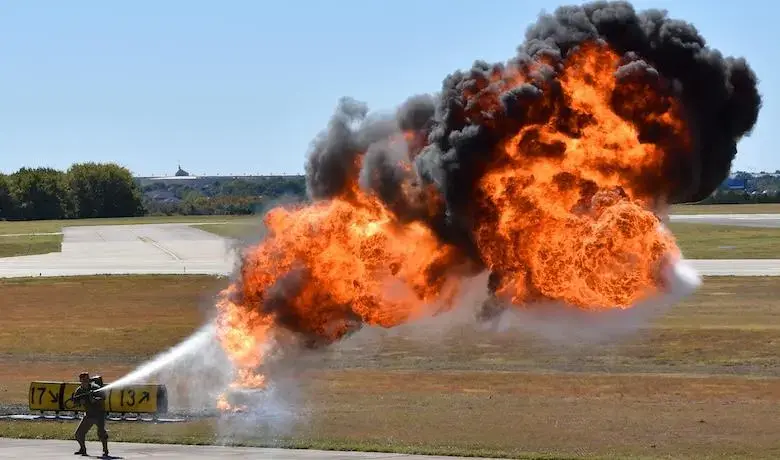
Incendiary Weapons
Certain Incendiary weapons like flamethrowers, napalm, and rockets designed to cause fires are restricted under Protocol III of the 1980 Convention on Certain Conventional Weapons (CCW). Napalm isn't banned, but its use is limited to only military targets.
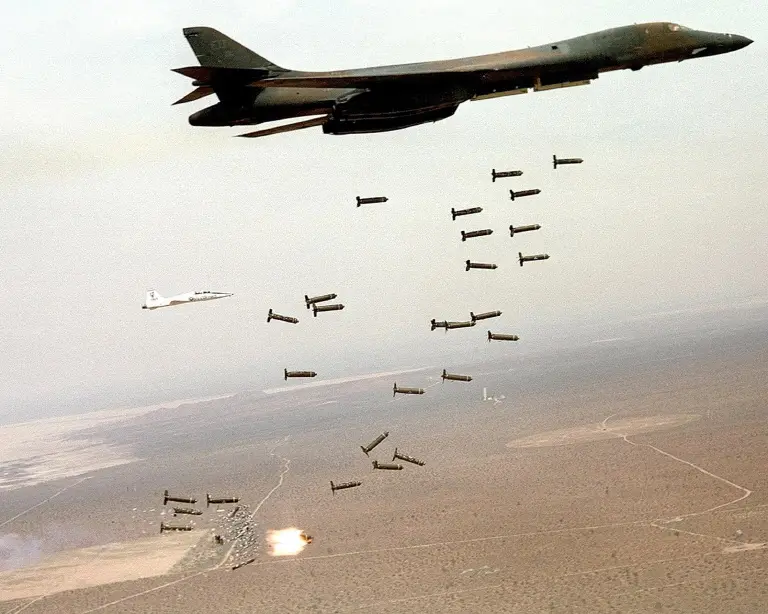
Cluster Bombs
As the name suggests, the cluster bomb is a cluster of projectiles that are released on impact to injure or damage people, vehicles, or structures, sometimes leaving behind unexploded munitions. These were banned in the 2008 Convention on Cluster Munitions, prohibiting use, production, stockpiling, and transfer of cluster bombs.
)
)
)
)
)