Banned, cursed, and worn by kings! The shocking true history of red lipsticks

The earliest records trace lip colouring back over 5,000 years to ancient Sumeria, where both men and women crushed gemstones to adorn their lips, signalling status and divine protection.
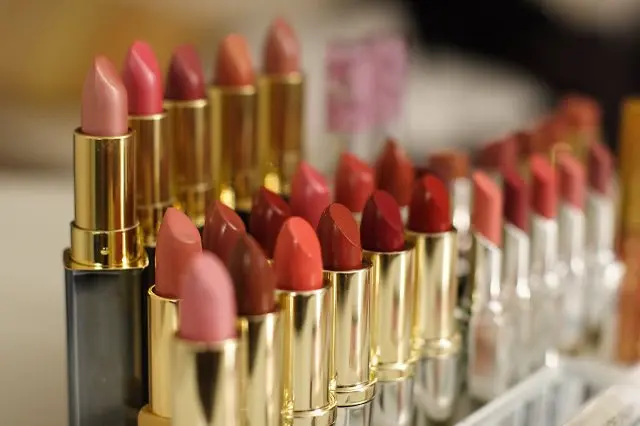
Red Lipstick
Across centuries and continents, red lipstick has carried meanings far deeper than mere decoration. From ancient queens crushing gemstones to modern icons on stage and screen, the red lip has been a sign of power, rebellion and identity, weaving a story that challenges gender, class and culture alike.
Ancient origins: power, status and ritual
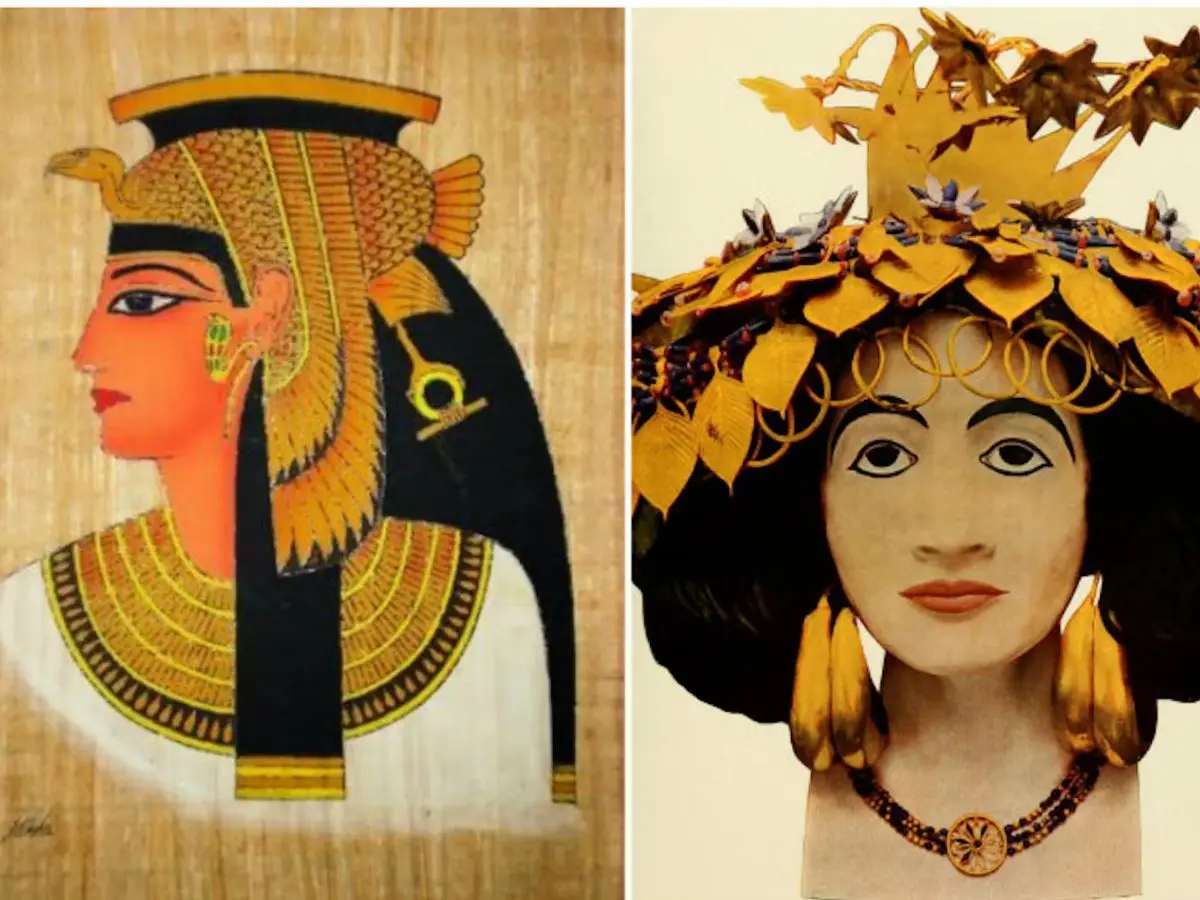
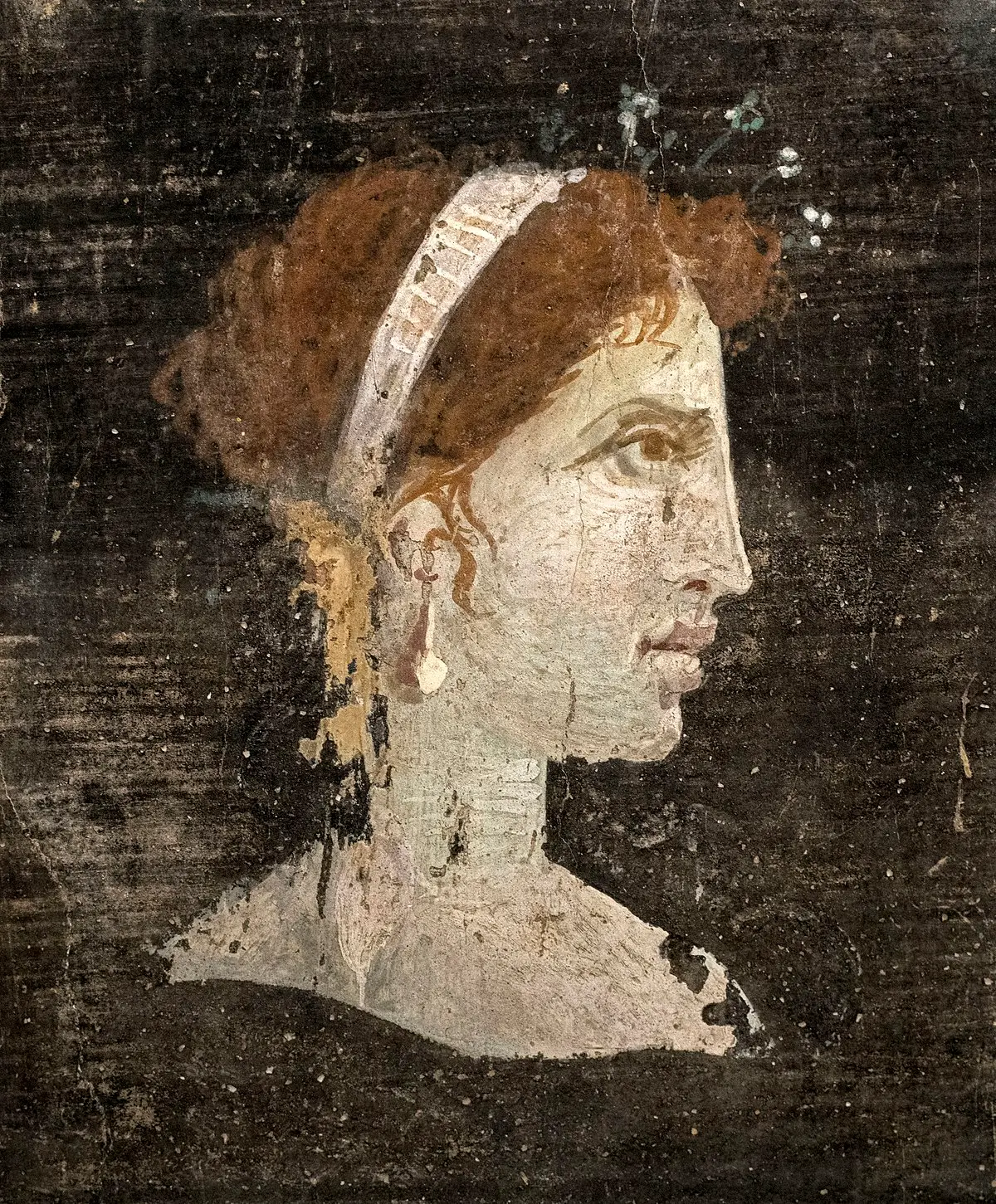
The earliest records trace lip colouring back over 5,000 years to ancient Sumeria, where both men and women crushed gemstones to adorn their lips, signalling status and divine protection. In Mesopotamia, Queen Puabi famously used a blend of white lead and crushed red rocks. Egyptians refined the practice further: Cleopatra crafted deep crimson shades from crushed carmine beetles and ants, while Egyptian pharaohs, regardless of gender, wore lip colour as a symbol of authority and sacredness. Archaeological finds, including a 4,000-year-old vial in Iran containing vegetal wax and mineral pigment, suggest lip colour was an established art across the ancient Near East.
From courtesans to queens: scandal and seduction
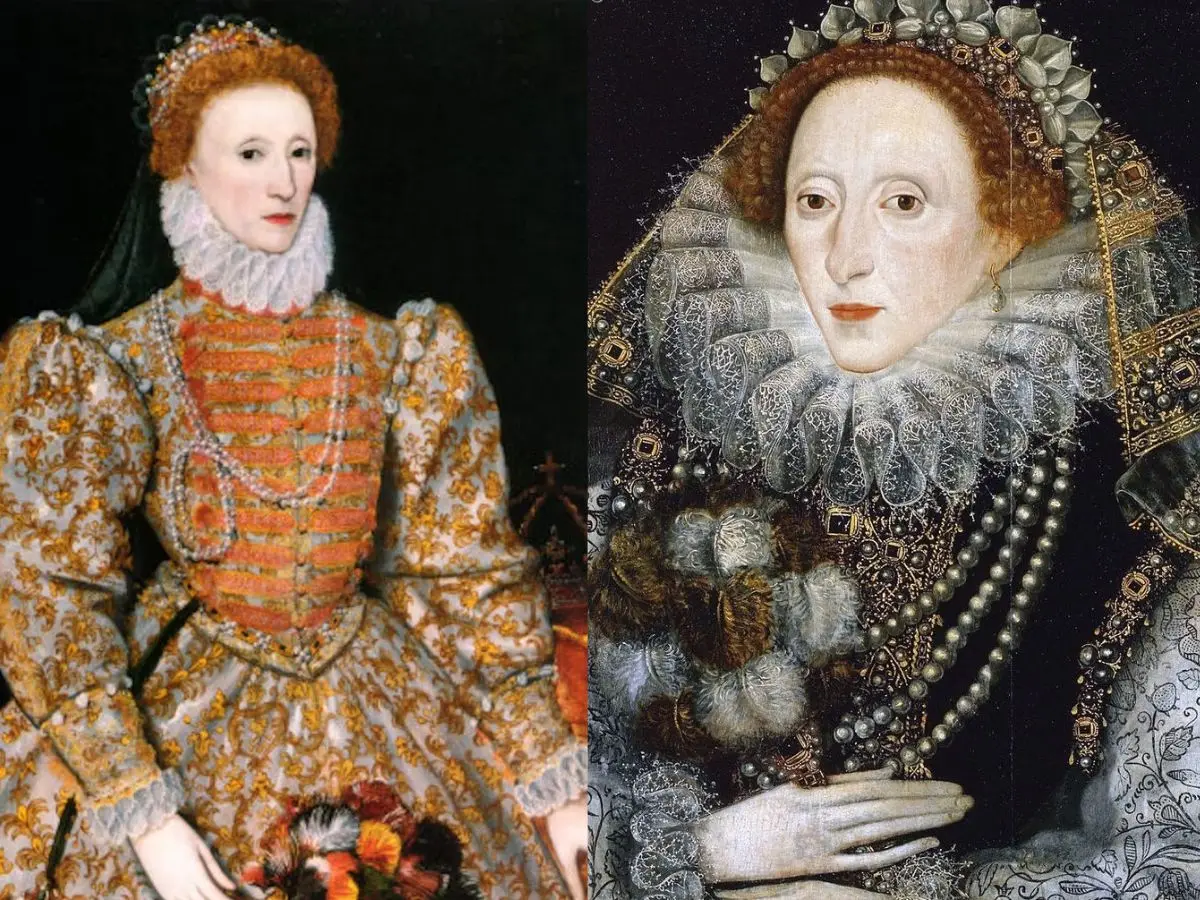
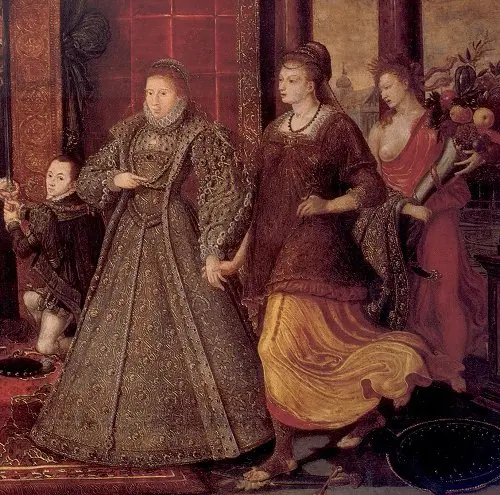
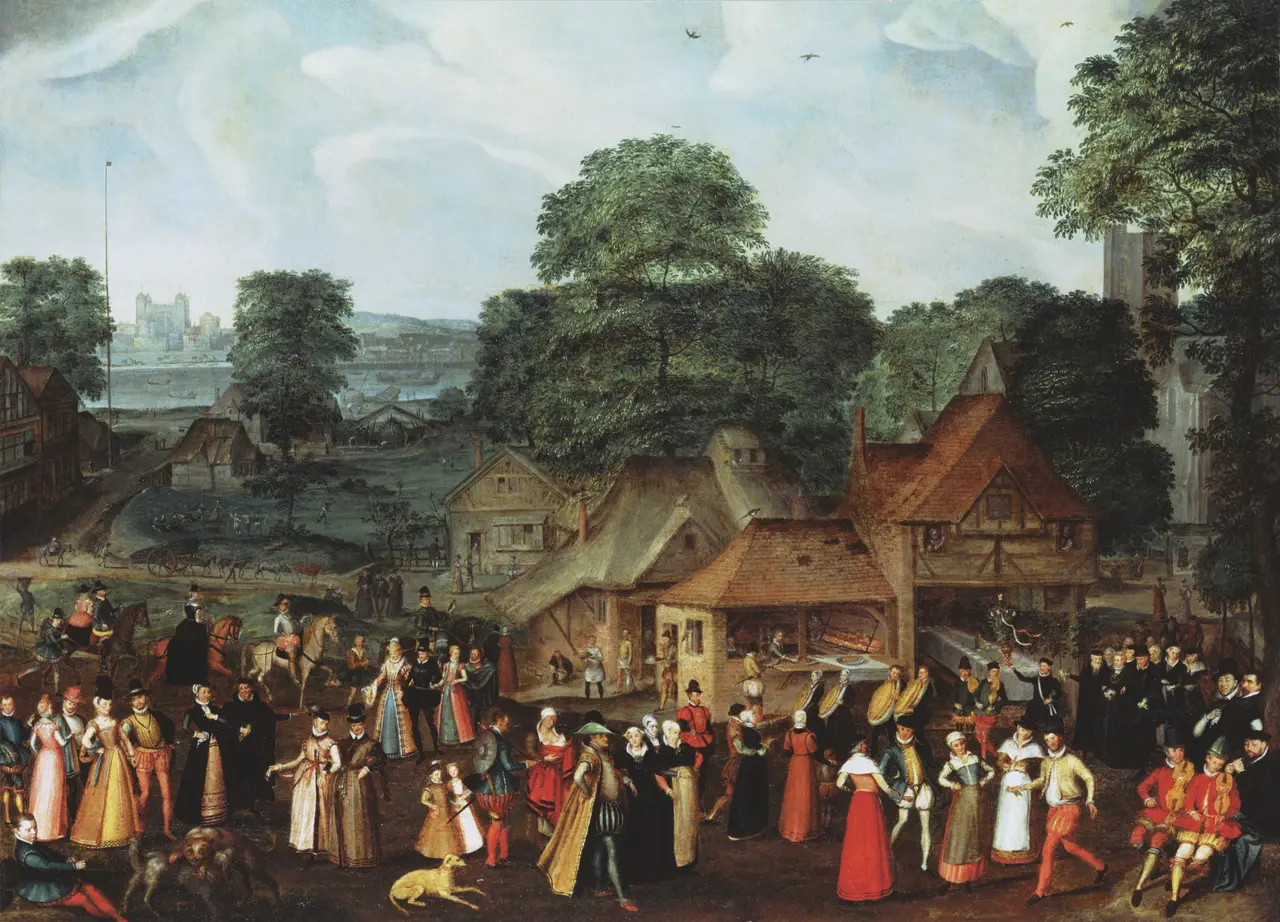
In ancient Greece, red lips were legally reserved for sex workers, who faced punishment if caught without them, while noblewomen sometimes wore lip paint discreetly. Roman prostitutes were marked out by bright lipstick, blending allure with stigma. The Middle Ages saw the Church condemn lip colour as sinful deceit, accusing women of mimicking divine beauty to seduce men. Yet in the 16th century, Queen Elizabeth I defiantly wore a pale face with vivid red lips, inspiring courtiers, though by the 18th century, British society again branded lipstick as witchcraft used to ensnare husbands.
Stigma and suspicion: witchcraft and deception
By the 17th and 18th centuries in Britain, red lipstick drew even darker suspicion. Moralists and lawmakers claimed women used lip colour to bewitch unsuspecting men into marriage, leading to accusations of witchcraft and deception. It was believed that painted lips hid a corrupt or seductive nature, turning cosmetics into evidence of moral danger. Lipstick hovered uneasily between fashion and fear, admired by some and denounced by others as a tool of manipulation.
Rebellion in a tube: suffragettes and the modern industry
In the early 20th century, red lipstick became a statement of feminist defiance. During suffragette marches in New York, Elizabeth Arden famously distributed red lipstick to women, turning a cosmetic into a symbol of visibility and protest. The invention of the metal lipstick tube in 1915 made lip colour portable and practical. By the 1920s, flappers, silent film stars and social rebels popularised dark red lips as a hallmark of modern womanhood.
War paint and morale: lipstick in conflict
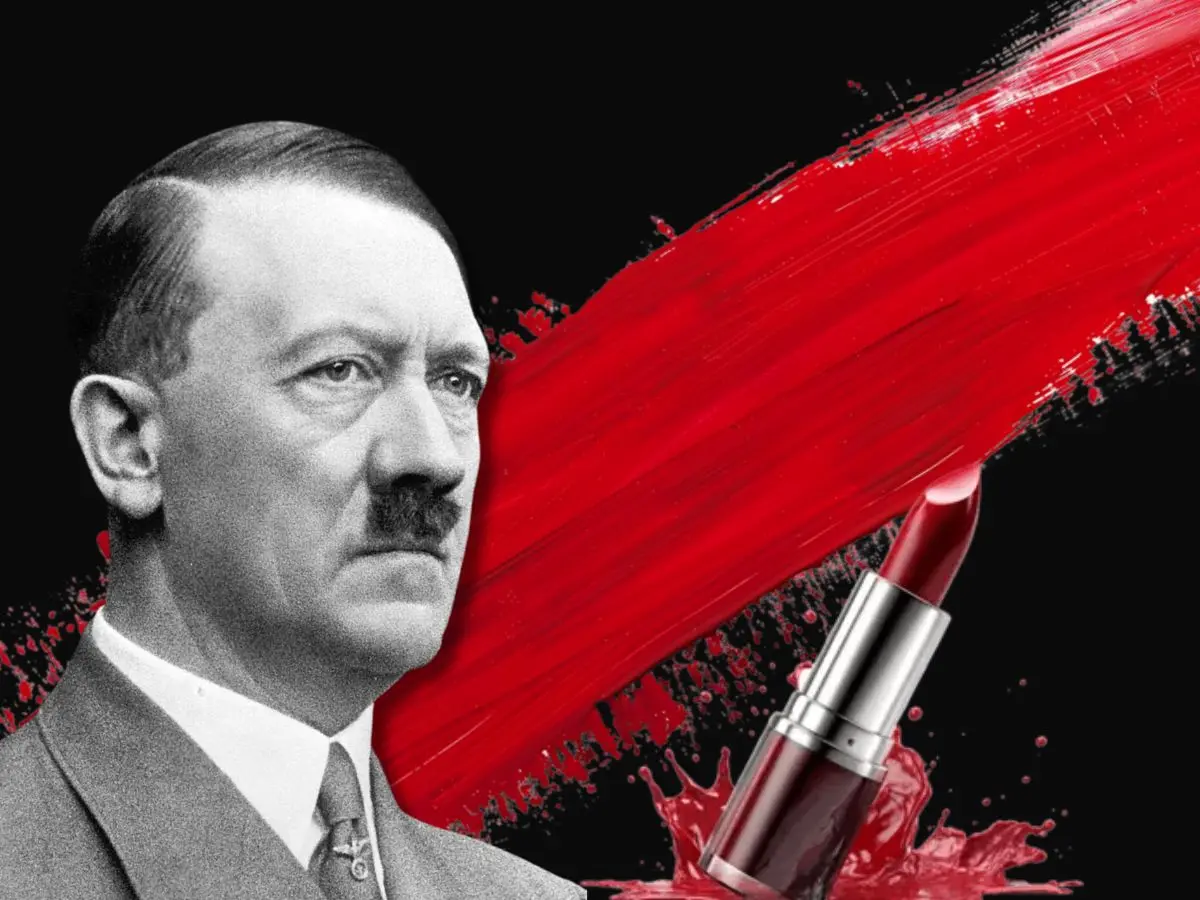
During the Second World War, red lipstick became a patriotic tool. Brands released shades like Victory Red to boost morale, while production was protected from rationing by leaders like Churchill, who deemed it essential to national spirit. Meanwhile, Hitler reportedly detested lipstick, only strengthening its role as a quiet act of defiance by women working in factories and supporting the war effort.
Beyond the binary: men, music and art
Lipstick’s history has never belonged solely to women. Ancient pharaohs and, later, 18th-century French aristocrats openly wore lip colour. In the 20th century, glam rockers such as David Bowie and Marc Bolan, alongside artists like Boy George and Prince, embraced red lipstick as part of gender-bending self-expression. Drag performers and punk musicians alike used lipstick to challenge societal norms and claim identity on their own terms.
Today: choice, identity and legacy
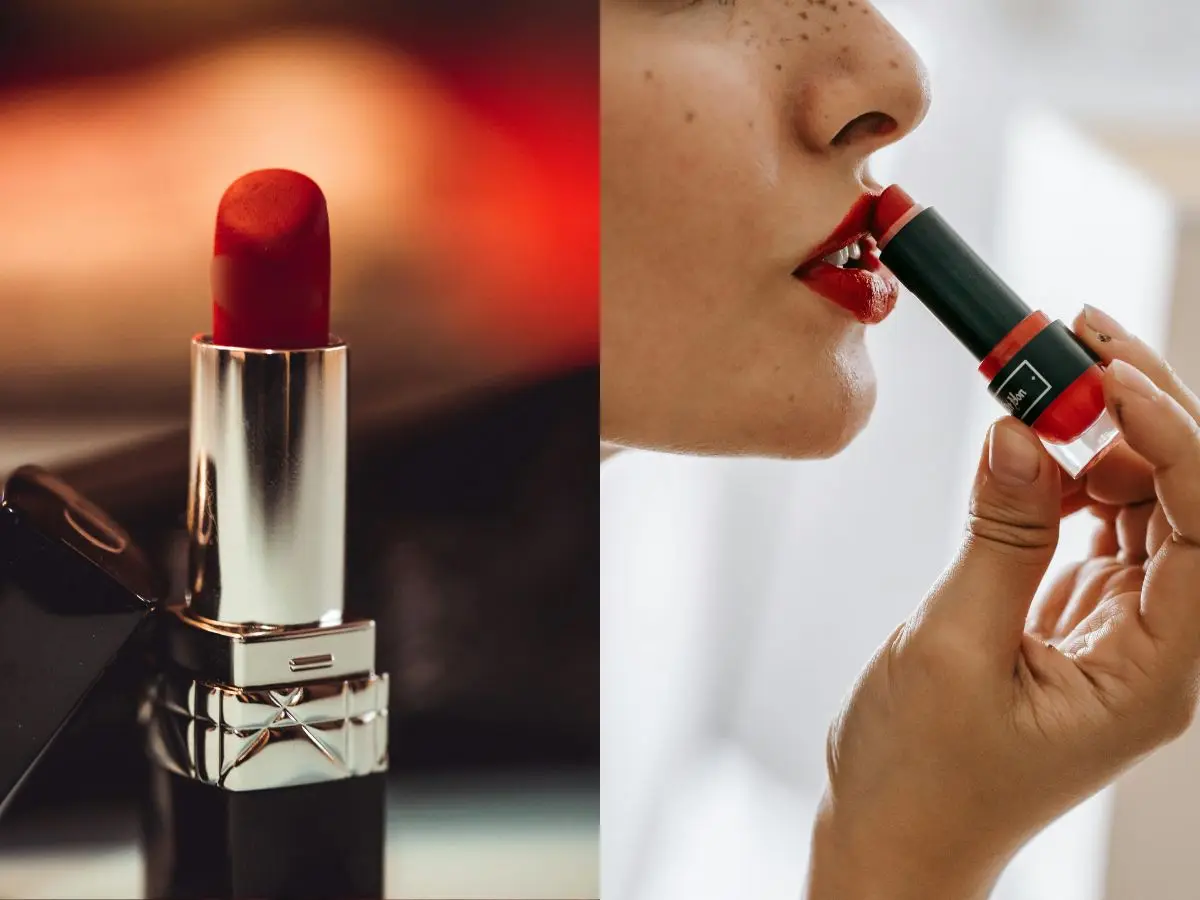
In the 21st century, red lipstick remains both timeless and transformative. Worn by celebrities of all genders, marketed by brands to everyone and celebrated across cultures, it is no longer just about fashion. Its long, complex journey from ritual and rebellion to everyday elegance stands as proof that even the smallest gestures can carry the weight of history. From scandal to self-expression, the story of red lipstick is a testament to human creativity, resilience and the enduring power of choice.
)
)
)
)
)