Bankruptcy risk? Why Bangladesh’s Eurofighter Typhoon deal could become a financial time bomb

The initial price tag is deceptive because the real danger lies in the "life-cycle costs," which are notoriously high for European twin-engine fighters.
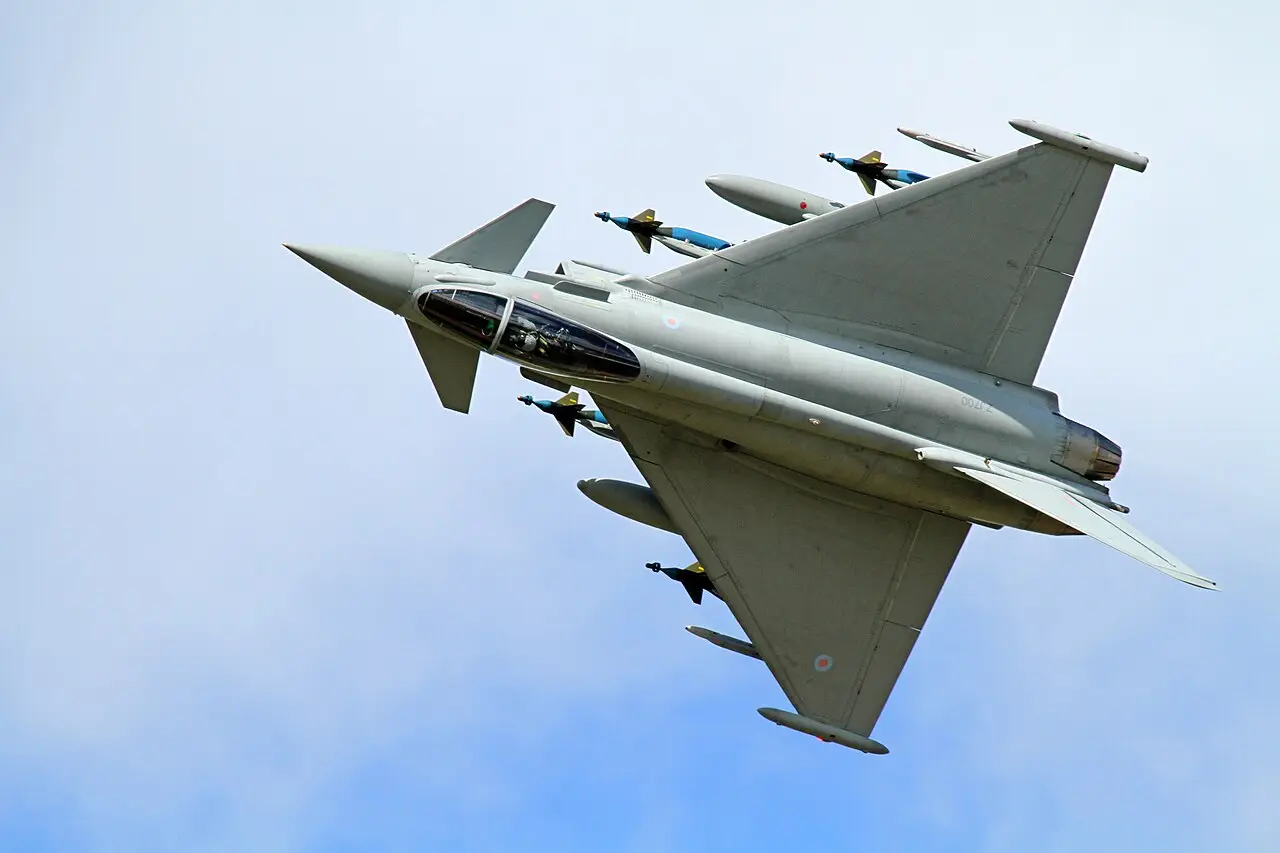
1. The "100% Budget" Problem
The estimated cost of the Eurofighter package, which includes 10 to 16 jets, training, and weapons, stands between $2.5 billion and $3.2 billion. To put this in perspective, Bangladesh’s total annual defence budget is roughly $3.4 billion. This means that acquiring these jets effectively consumes an entire year’s worth of military funding in a single transaction. Unlike cheaper alternatives, this purchase demands capital that would typically fund the entire Army, Navy, and Air Force combined for 12 months, creating a massive imbalance in resource allocation.
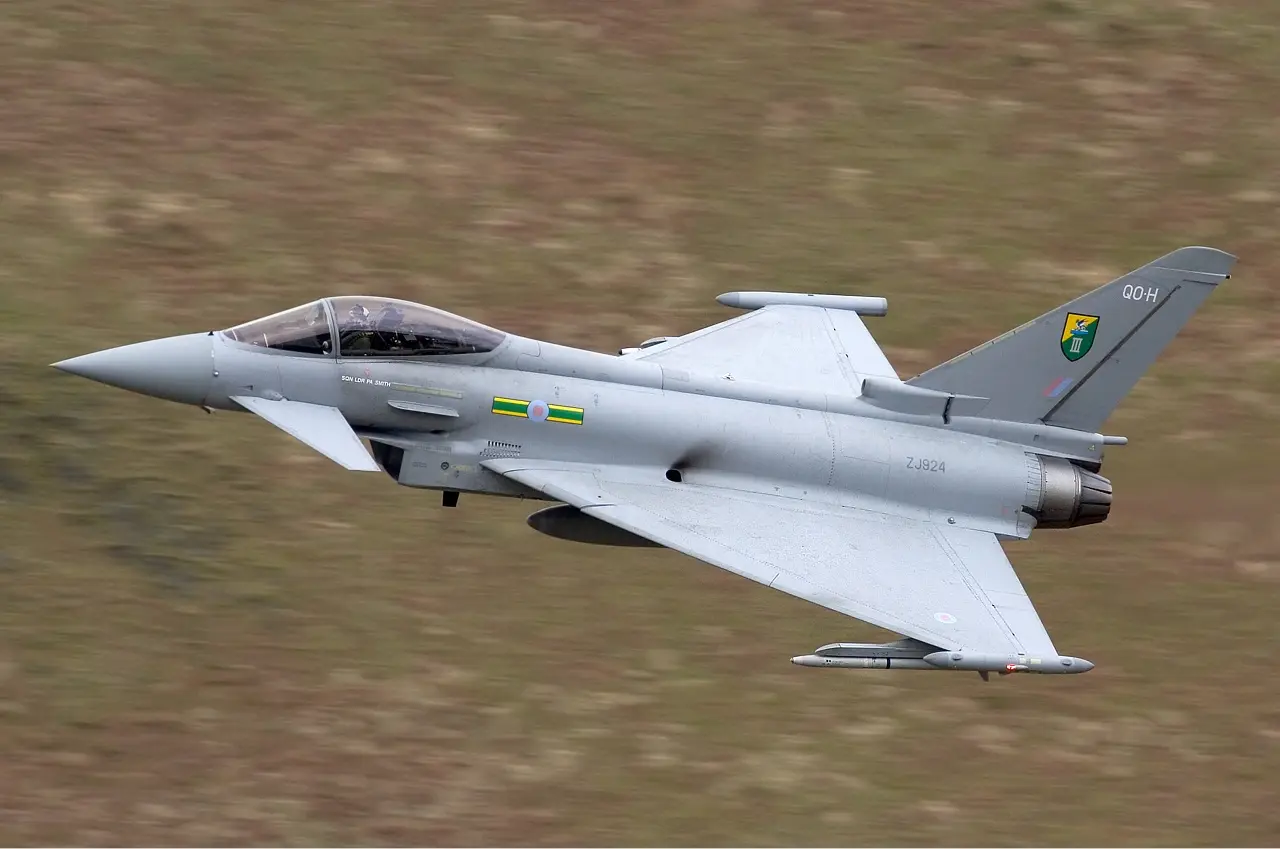
2. A "Life-Cycle" Money Pit
The initial price tag is deceptive because the real danger lies in the "life-cycle costs," which are notoriously high for European twin-engine fighters. The Bangladesh Air Force currently operates Russian MiG-29s and Chinese F-7s, meaning a switch to NATO-standard Typhoons requires a complete restructuring of the maintenance ecosystem. This involves building new hangars, purchasing Western tooling, and retraining engineers from scratch. Experts warn that for every dollar spent on buying the jet, the government will spend three to four dollars operating it over 30 years, creating a long-term burden the economy has never tested.
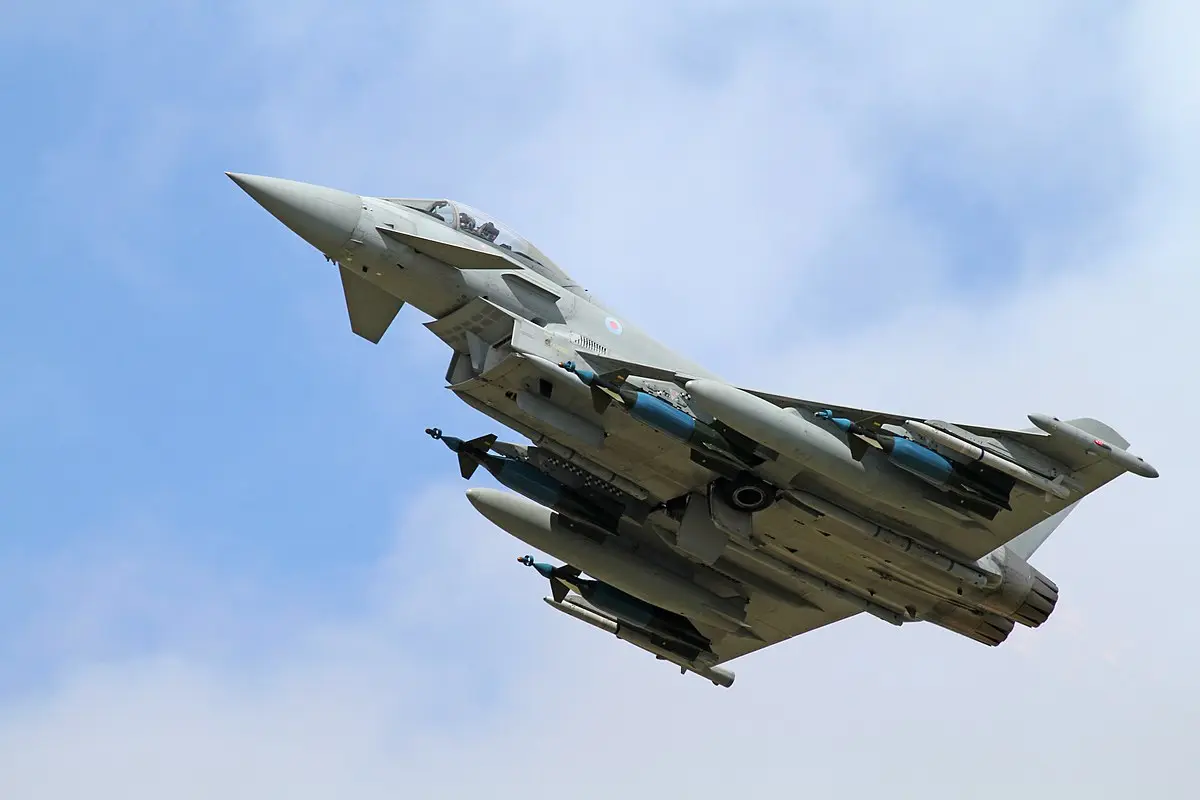
3. Trading Reserves for Sovereignty
Bangladesh is committing to this purchase at a time when its foreign currency reserves remain under significant pressure. As of late 2025, usable foreign reserves stood at approximately $26.4 billion according to IMF methods. A $3 billion commitment represents more than 10% of the nation's total foreign currency safety net. While the deal will likely utilize loans, the repayment obligations will weigh heavily on the national treasury just as the country attempts to stabilize its post-2024 economy.
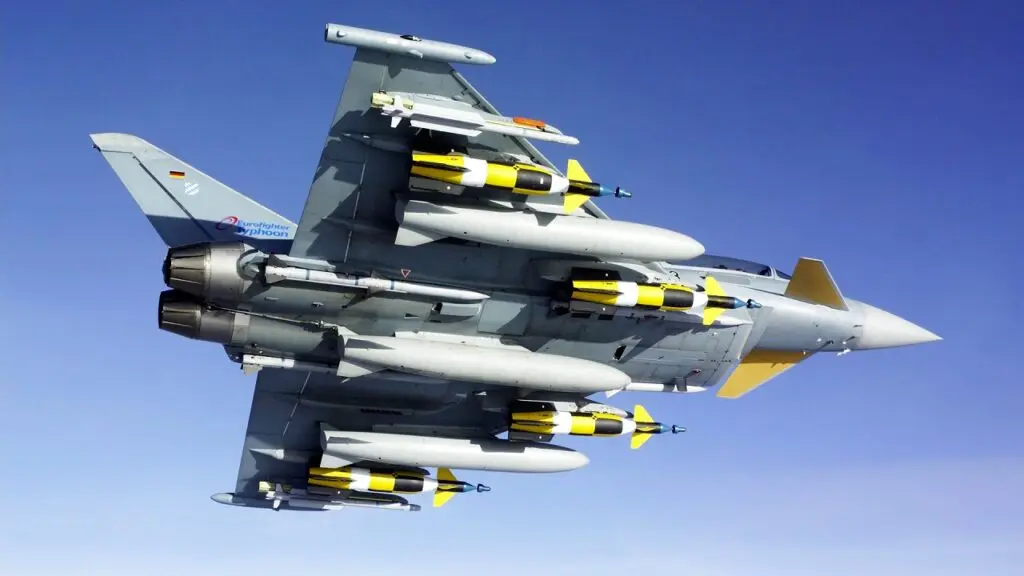
4. The "Italian Credit" Trap
Dhaka cannot afford to pay cash for these aircraft, so the deal is heavily reliant on Italian state-backed financing and soft loans. While this arrangement avoids an immediate cash crunch, it effectively locks Bangladesh into a 15 to 20-year debt cycle with European creditors. Critics argue that this strategy exchanges “operational sovereignty” the ability to fly superior jets, for "financial dependency," as the nation will owe billions to European banks for decades.
5. Rejection of the "Budget Option"
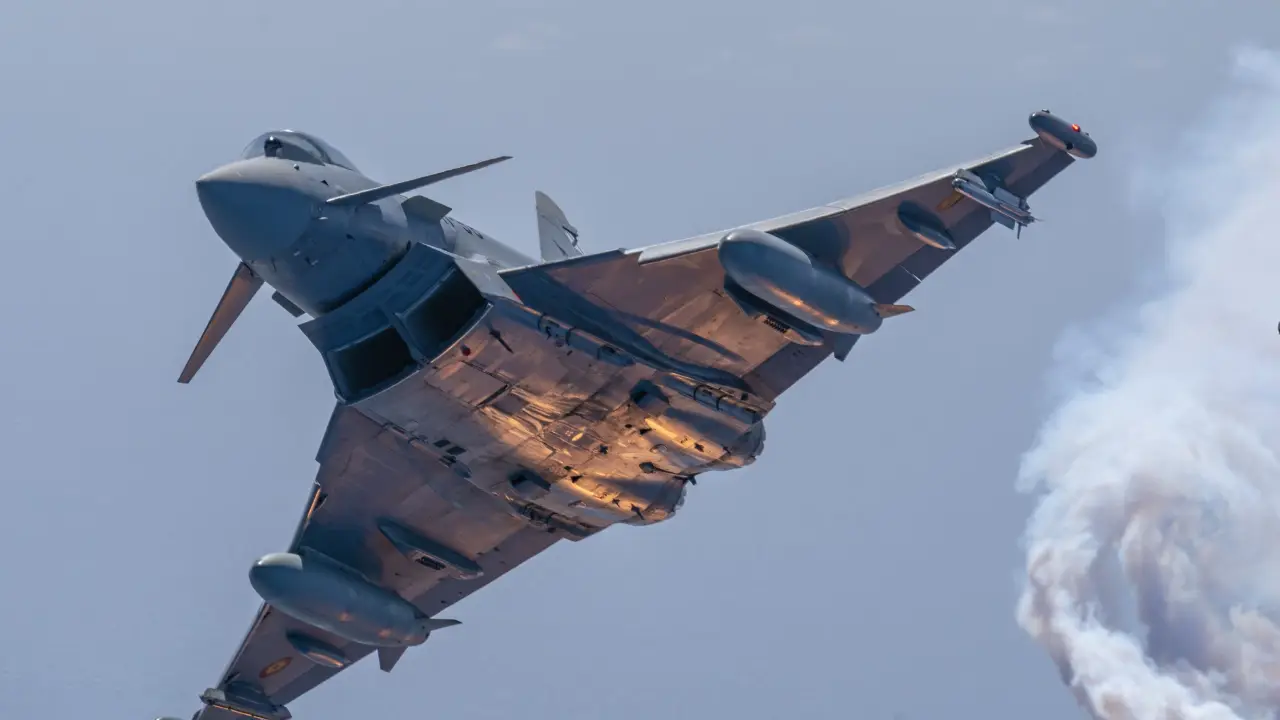
The sheer scale of the financial risk is highlighted by the alternative deal that the government rejected. China offered approximately 20 J-10C jets for $2.2 billion, which would have provided a larger fleet for significantly less money. By choosing the Eurofighter instead, Bangladesh is paying a premium of roughly 50% per aircraft. This decision indicates that Dhaka is effectively buying "diplomatic insurance" against China, but it is doing so at a price that maximises its financial exposure.
6. The "Forces Goal 2030" Pressure
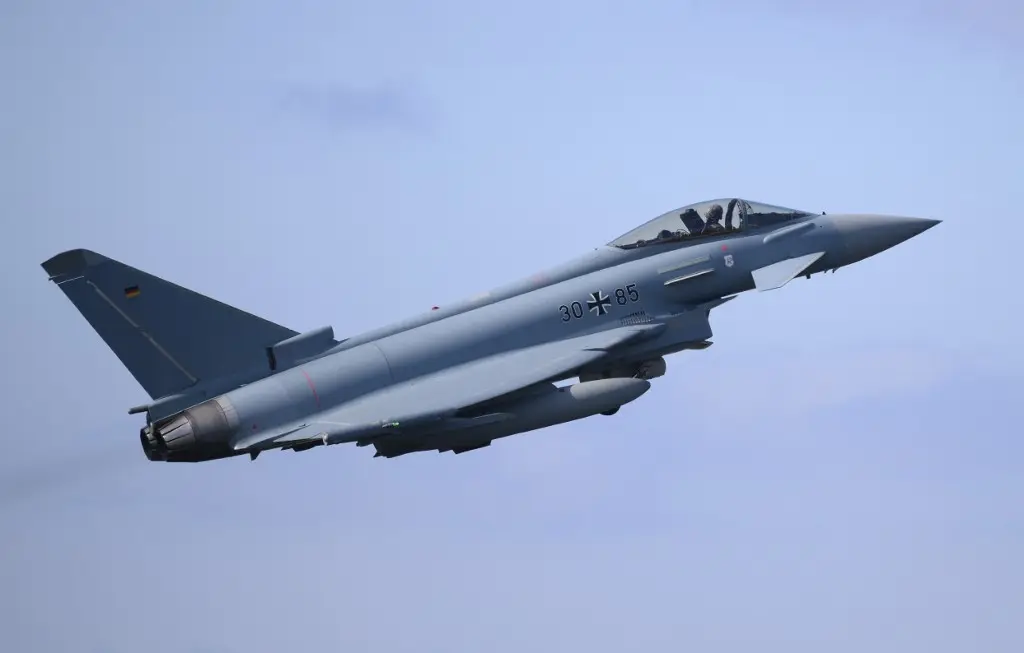
This acquisition is driven by the "Forces Goal 2030" deadline, which demands a credible deterrent against regional neighbours like Myanmar. However, to meet this goal with Eurofighters, the Air Force must secure not just the jets, but also expensive Western weaponry like the Meteor missile. These necessary "add-ons" can cost millions per unit, further inflating the final bill well beyond the initial sticker price and adding to the strain on the defense budget.
)
)
)
)
)