Bangladesh's Eurofighter vs Myanmar’s Su-30s: Can Typhoon change the equation in South Asia?

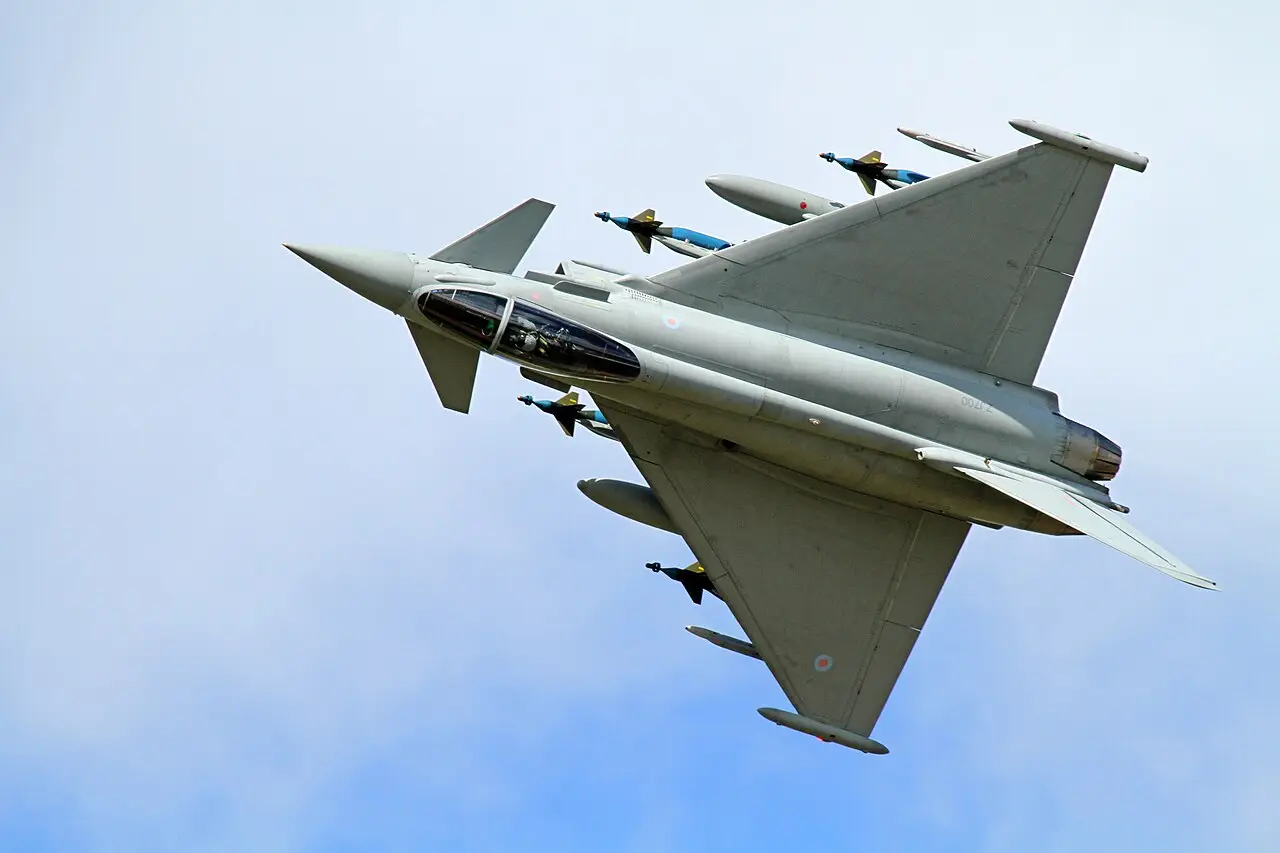
Here is a breakdown of how Bangladesh’s potential Eurofighter Typhoon acquisition compares to Myanmar’s Russian-made Su-30SME fleet, and why it changes the regional balance of power.
1. The "Sniper" vs. The "Brawler" Doctrine
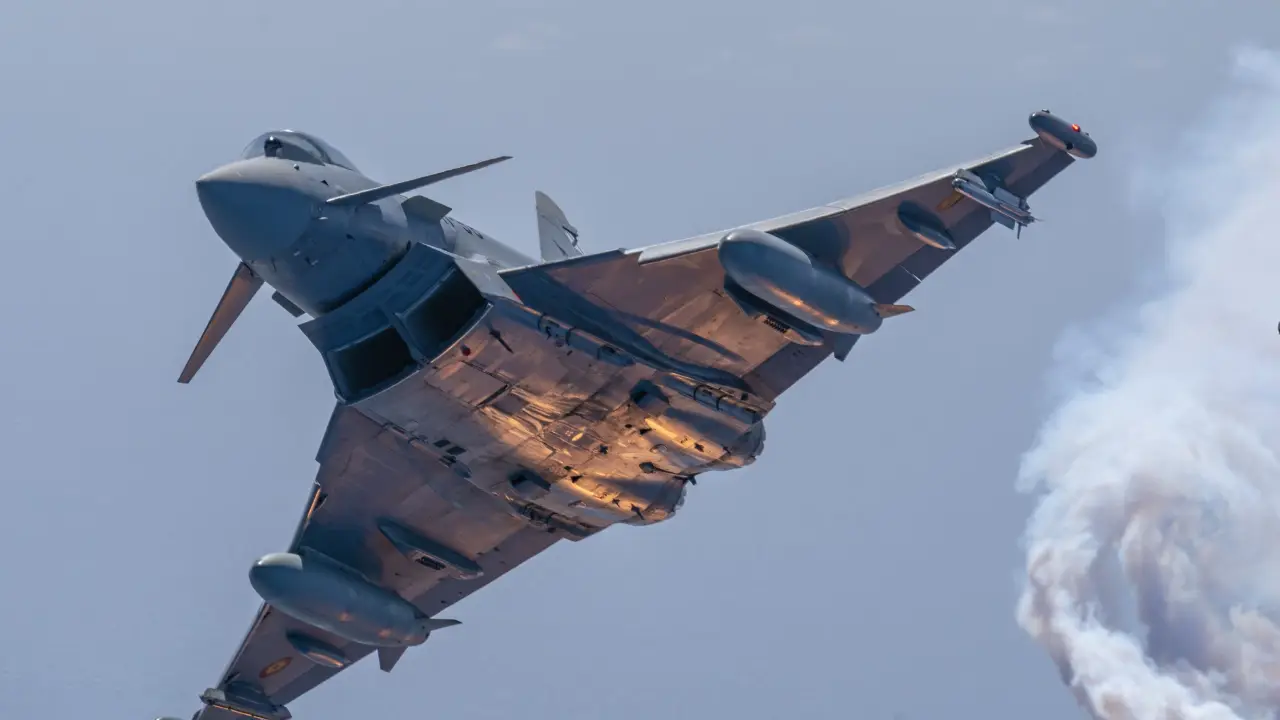
The two aircraft represent opposing design philosophies. Myanmar’s Su-30SME is a heavy "air superiority" fighter designed for close-range dominance, using thrust-vectoring engines to win visual dogfights. In contrast, the Typhoon acts as a "sniper," prioritising high-speed interception and Beyond Visual Range (BVR) combat to destroy targets before they are even seen by the naked eye.
2. Radar Technology: AESA vs. PESA
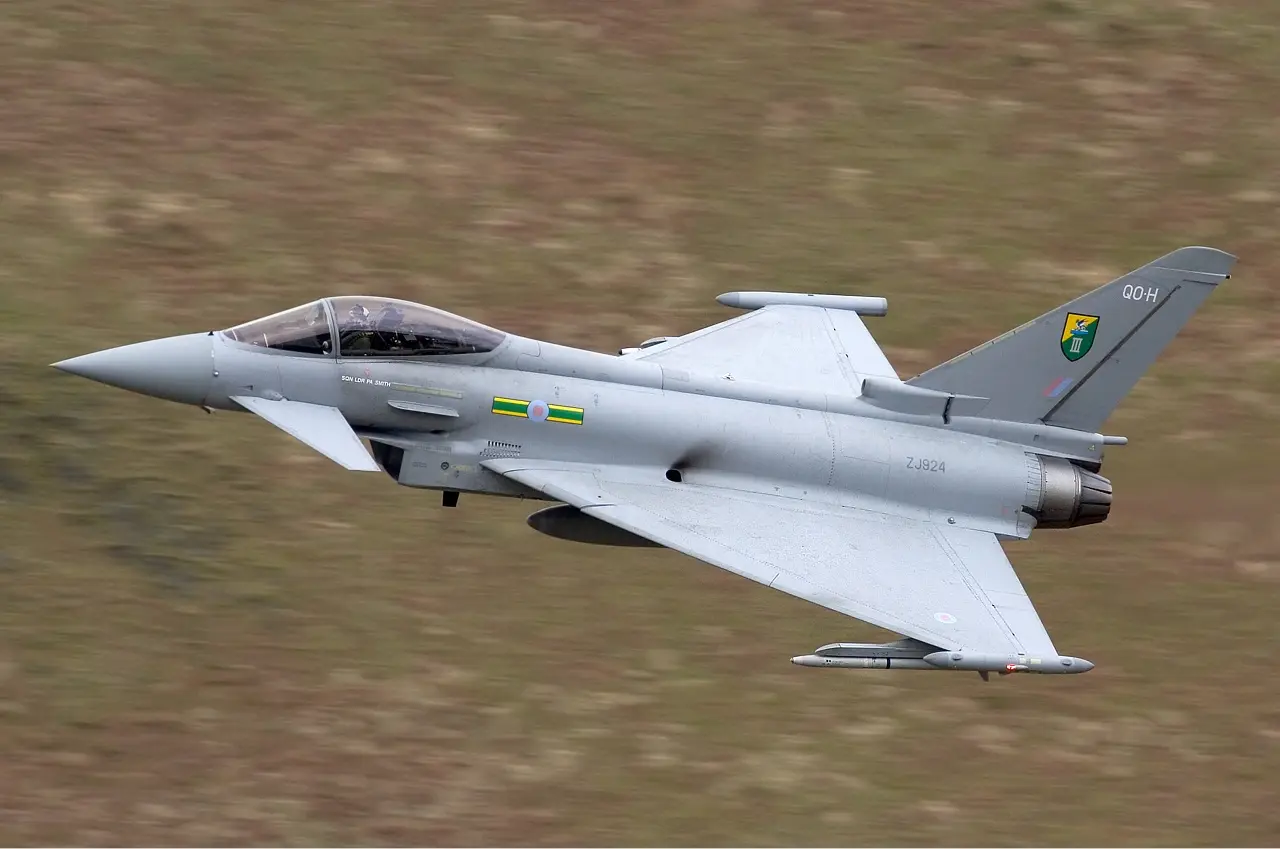
The critical technological gap lies in the sensors. Myanmar’s Su-30s typically rely on Passive Electronically Scanned Array (PESA) radars, which are older and easier to detect. The Tranche 4 Typhoon is equipped with the Captor-E Active Electronically Scanned Array (AESA) radar, which can track multiple targets electronically and resist jamming, giving BAF pilots the critical "first look, first shot" advantage.
3. The "No-Escape" Missile Gap
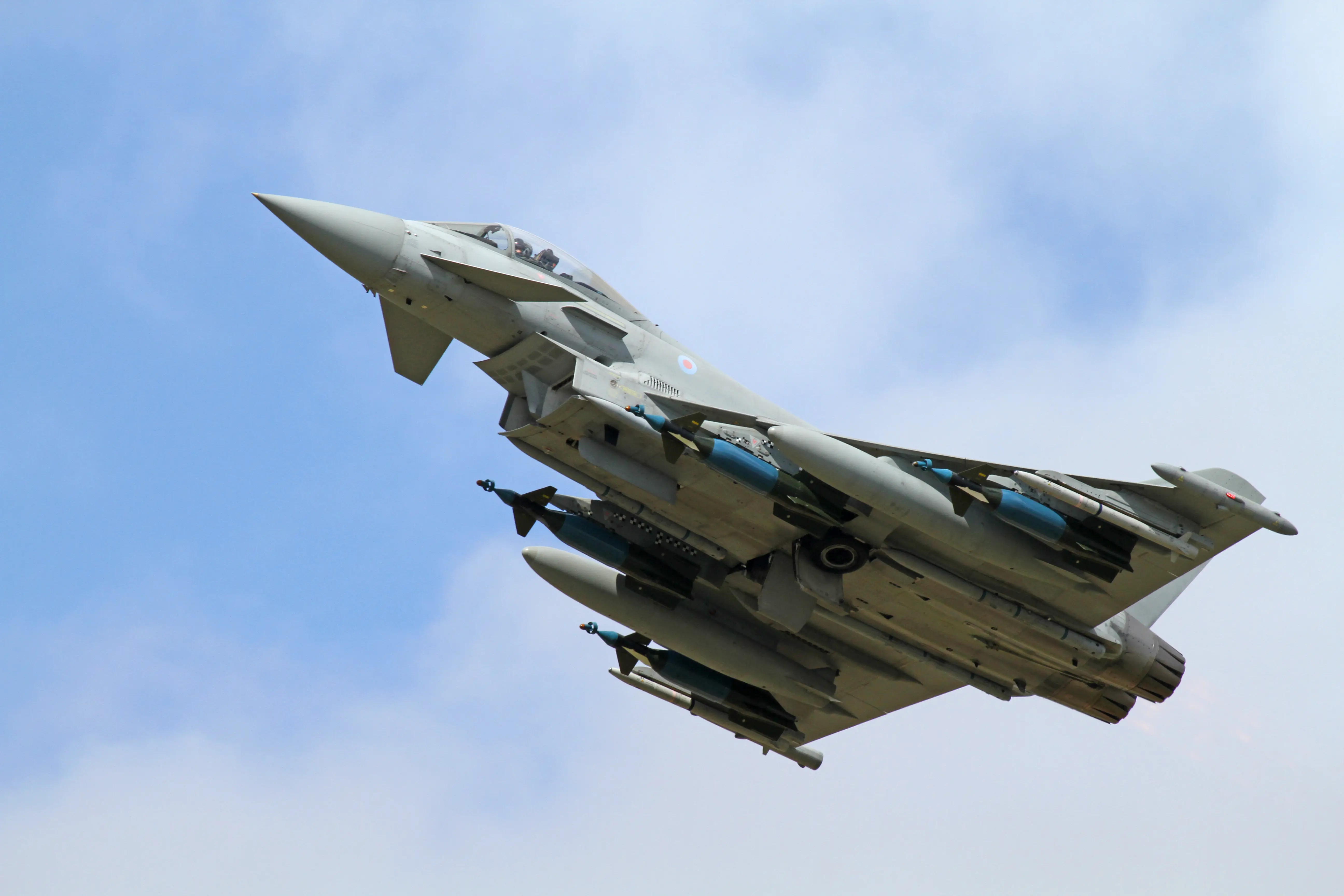
The Typhoon’s primary weapon, the MBDA Meteor missile, creates a distinct tactical advantage. Powered by a ramjet engine, the Meteor maintains lethal speed at ranges over 100km, creating a "no-escape zone" three times larger than standard missiles. This outclasses the Russian R-77 missiles used by Myanmar, allowing BAF pilots to engage from safety while Su-30s struggle to close the distance.
4. Supercruise vs. Afterburners
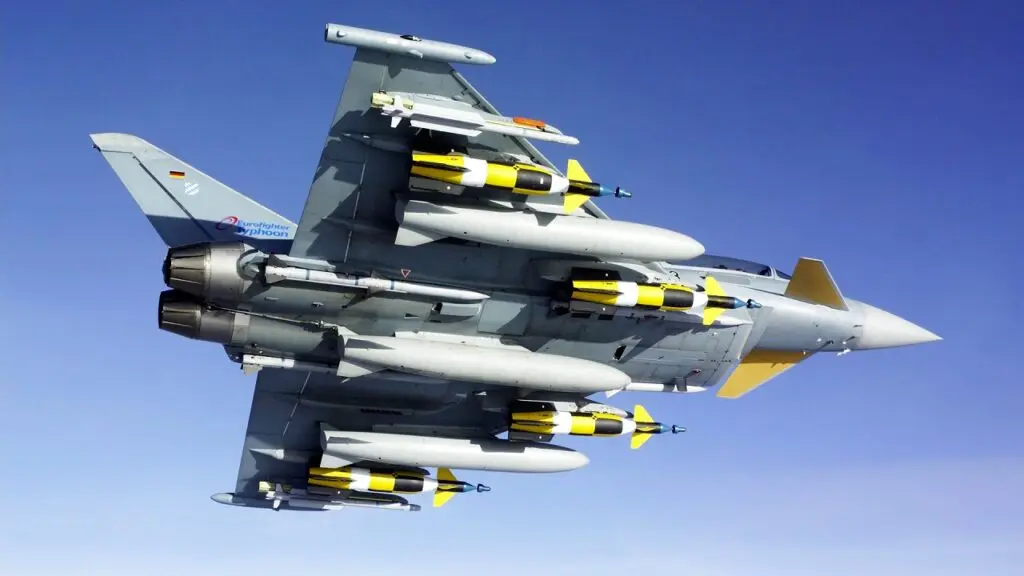
The Typhoon possesses a kinematic advantage known as "supercruise," allowing it to fly at supersonic speeds without using fuel-guzzling afterburners. While the Su-30 is fast, it must engage afterburners to match the Typhoon’s speed, rapidly depleting its fuel reserves and limiting its combat endurance during high-speed interceptions over the Bay of Bengal.
5. The Agility Trap (Close Range Risk)
Despite the Typhoon's tech edge, the Su-30 remains superior in a "knife fight." If a BAF pilot allows the engagement to merge into visual range, the Su-30’s thrust-vectoring nozzles allow it to perform extreme manoeuvres (like the "Cobra") that the Typhoon cannot match. This dictates that BAF doctrine must focus strictly on long-range engagement.
6. Logistics and the "Sanctions" Factor
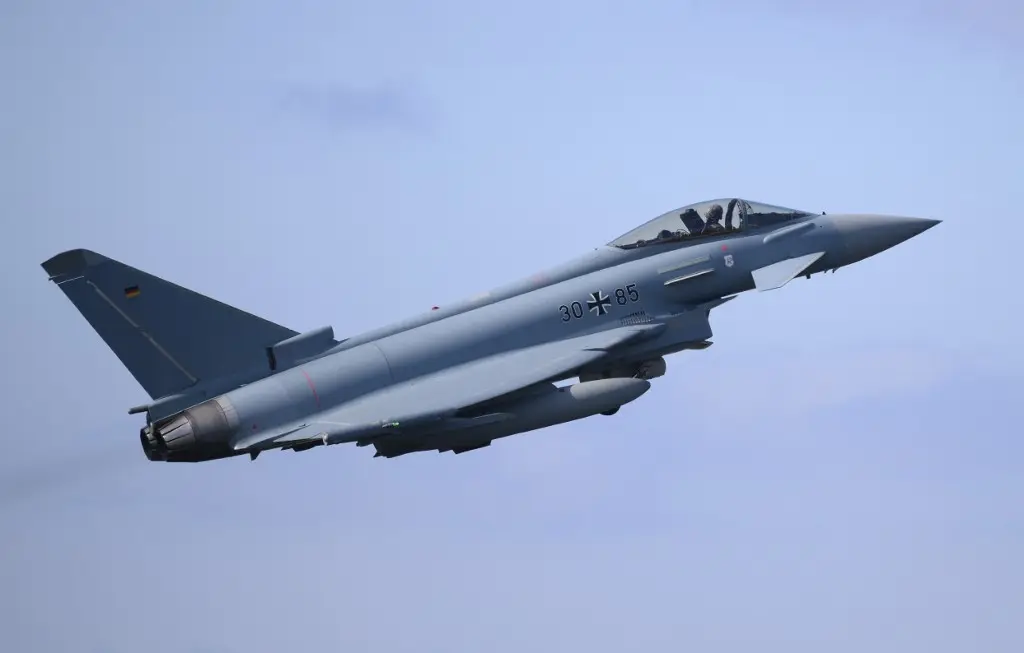
Operational readiness favours the new buyer. Myanmar’s fleet faces severe maintenance bottlenecks due to international sanctions on Russian aviation parts, leading to questionable fleet availability. Bangladesh, by purchasing a NATO-standard aircraft from Italy, secures a stable, albeit expensive, supply chain that ensures its jets are actually flyable in a crisis.
7. Strategic "Air Denial" Capability
The acquisition transitions the Bangladesh Air Force from a defensive posture to an "air denial" force. Previously, BAF jets could only protect the coastline. With the Typhoon’s range and sensors, Bangladesh can now project power deep into the Bay of Bengal, effectively denying airspace to Myanmar’s air force in a way that was previously impossible with MiG-29s or F-7s.
)
)
)
)
)