Bangladesh general election 2026: July National Charter and other key agendas

Bangladesh general election 2026: The country goes to the polls on February 12. There are some main agendas that all parties have focused on and promised to deliver. The July Charter is the central focus of a nationwide referendum.
Significance of Bangladesh General Election 2026
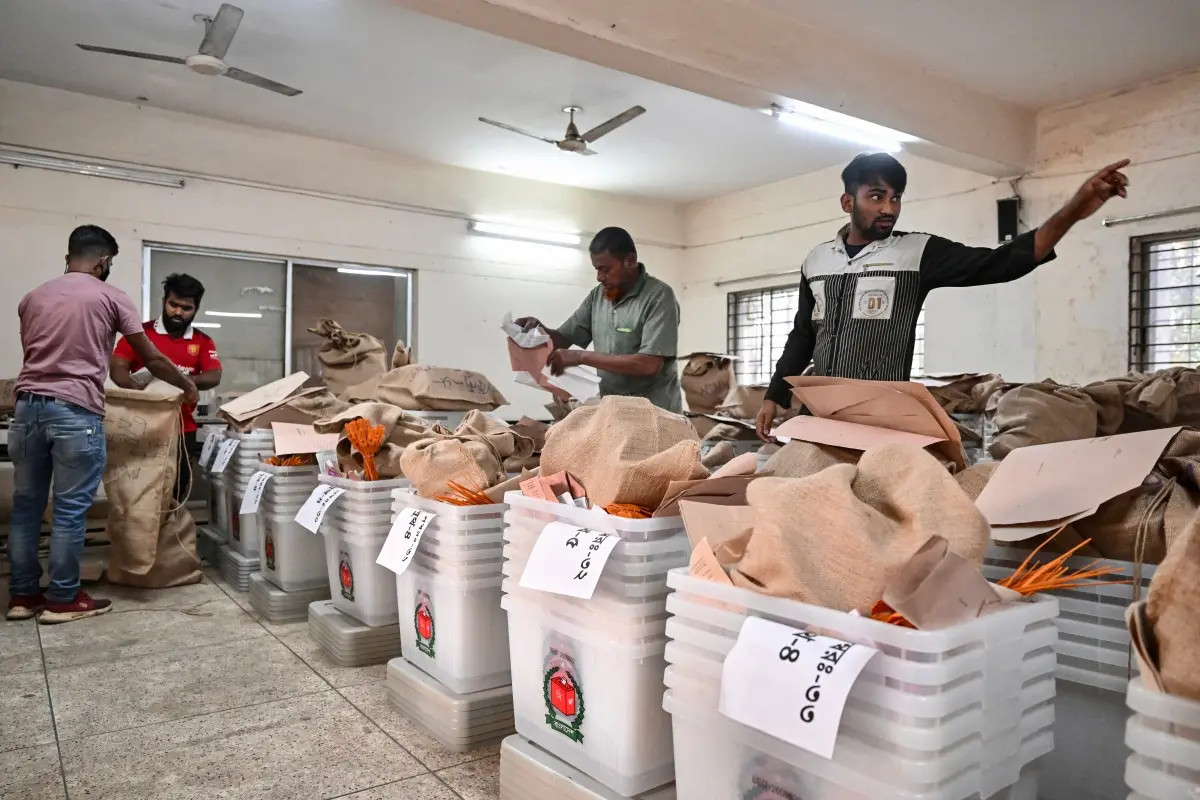
The 2026 Bangladesh General Election will take place on February 12, 2026, the first since the 2024 ouster of Sheikh Hasina. The election is unique because a national referendum on the "July National Charter," a blueprint for deep constitutional reform, is being held alongside it. An interim government led by Muhammad Yunus was formed after Hasina fled. The Bangladesh Nationalist Party (BNP) and the Jamaat-e-Islami are the two main contenders in the 2026 elections.
July National Charter
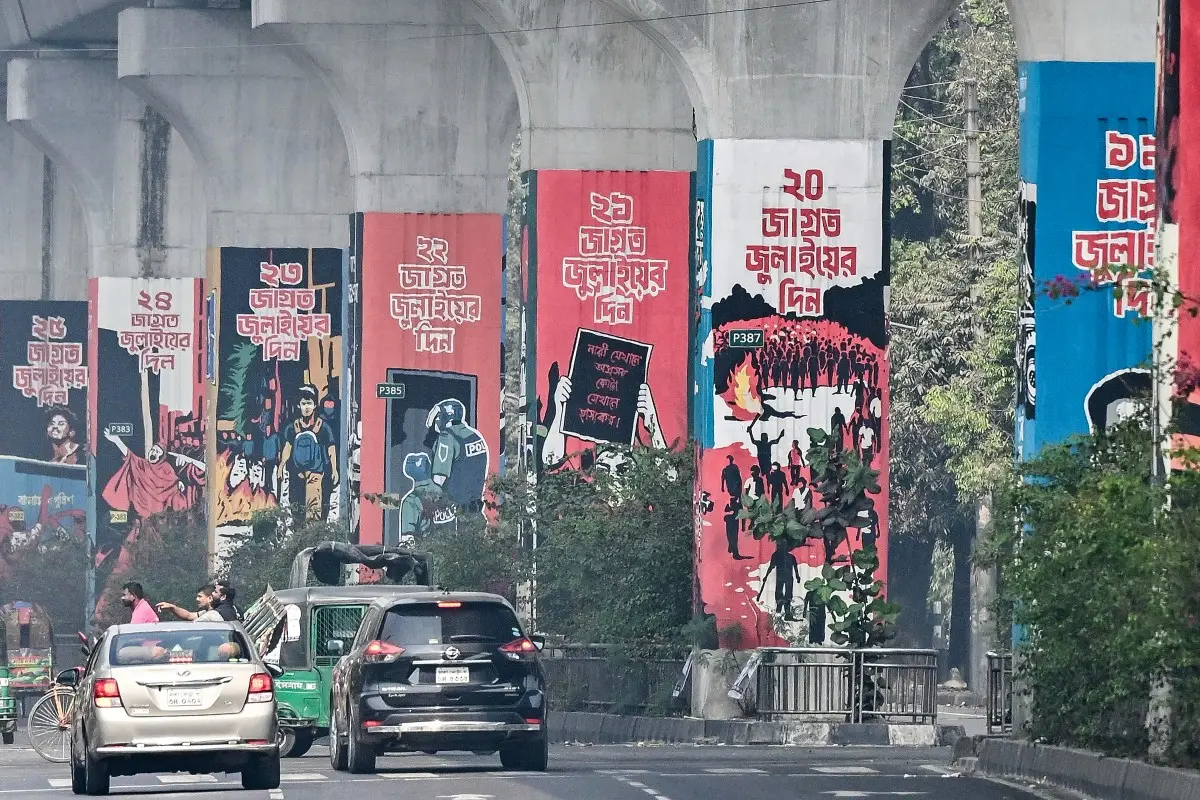
The main agendas of the current elections can be categorized into four areas - Constitutional & Governance Reform, Economic Recovery & "Welfare Politics", Corruption & "Extortionism" and Foreign Policy & National Identity. The "July National Charter" consists of roughly 28 to 30 core points that the interim government and over 25 political parties have agreed to. Its goal is to create a system of "checks and balances" to prevent the return of one-party rule.
Changes in governance
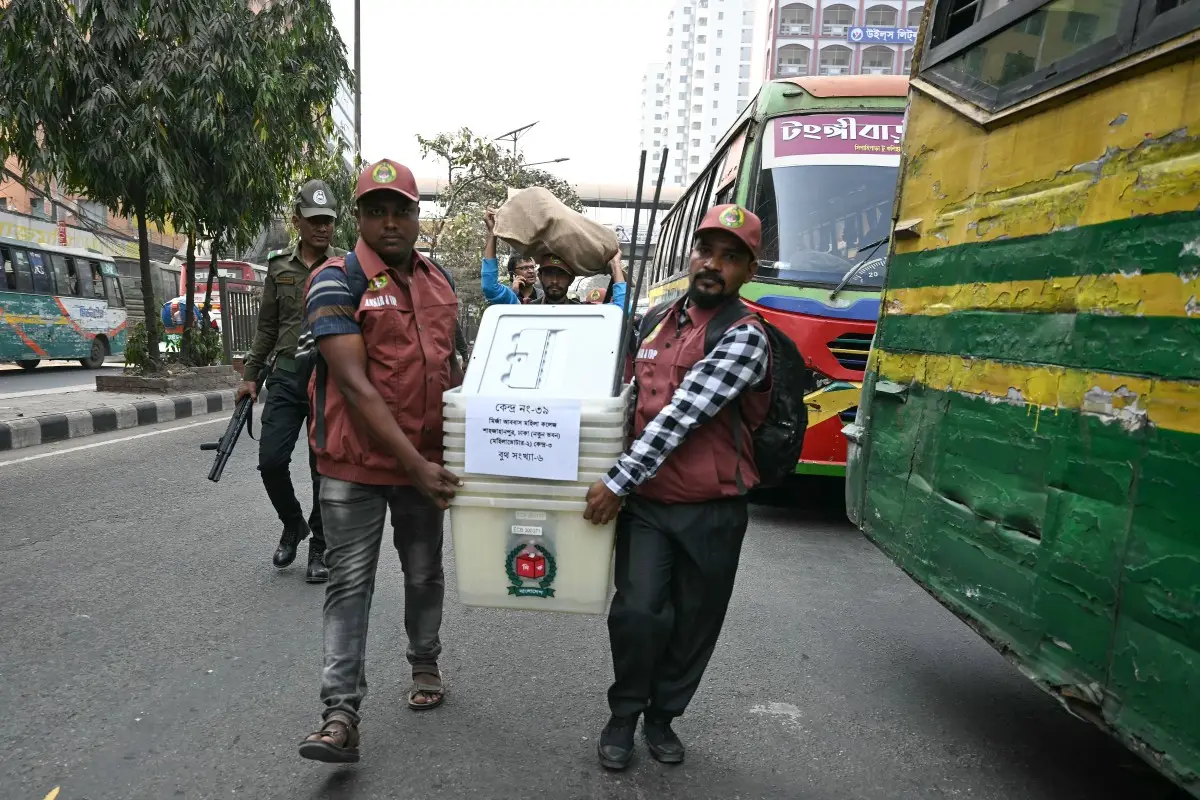
Most parties have centered their agendas on dismantling the "autocratic structures" that the country has seen in the past decades. The referendum calls for prime ministerial term limits to 10 years for any individual serving as PM. A bicameral parliament, which will introduce a 100-member Upper House to provide checks and balances. A neutral caretaker government, restoring the system where a neutral interim body oversees all future general elections. Judicial independence, creating a commission for appointing Supreme Court judges.
Economic recovery
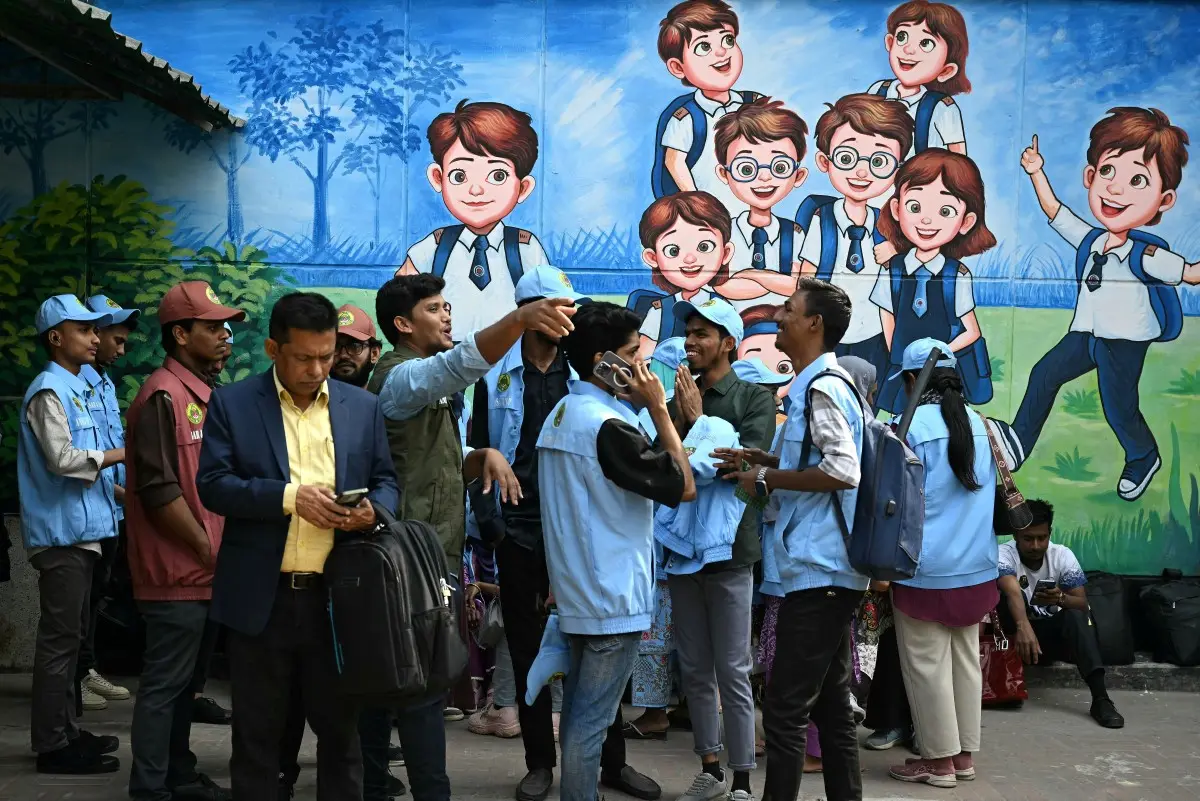
Improving the economic condition of Bangladesh is a key target in the elections. Inflation in the country is roughly 8.6% and reserves are under pressure, making economic survival the top concern for voters. Parties have adopted "Indian-style" welfare promises. For example, the BNP has pledged a "Family Card" program to provide direct cash assistance to low-income households.
Employment for youth
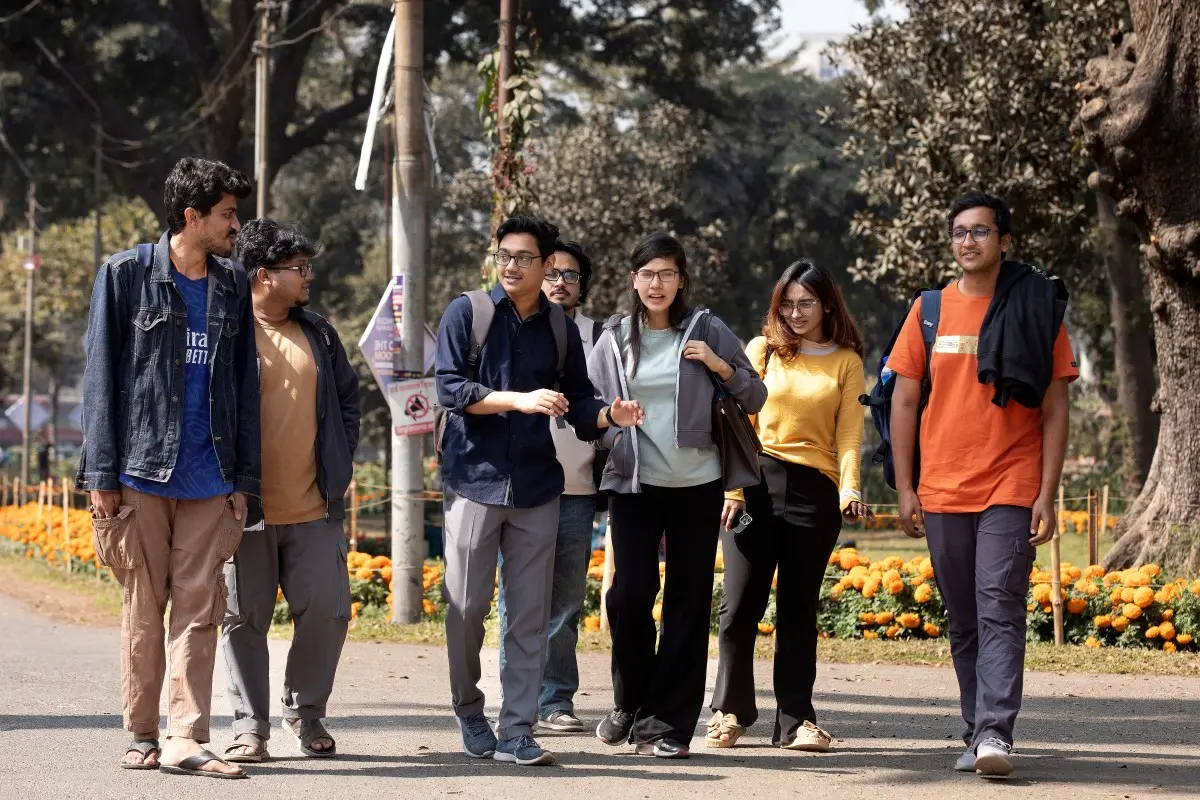
Employment is another focus area, and both major blocs are promising massive job creation and "Gen Z-centric" reforms to address the 2024 quota movement's roots. Women’s empowerment is also on the cards, and promises stipends for female students, healthcare schemes similar to Ayushman Bharat, and increased cabinet representation.
Corruption and "extortionism"
Opinion polls show that corruption is the number one issue for the people of the country. BNP has promised a "strict position" against government graft and the return of stolen wealth. Meanwhile, Jamaat-e-Islami is focused on ending "extortionism" which surged during the transition period. The National Citizen Party (NCP), led by student activists, is campaigning for "cleansing" the political system of corruption that comes with the old guard.
Bangladesh foreign policy and relations with India
Bangladesh's elections will define its place on the global stage. Relations with India are one of the top priorities, as BNP’s "Bangladesh First" manifesto emphasises equality and "no interference," vowing to stop border killings. Jamaat has called for "friendly and cooperative" ties with New Delhi, a surprising shift. The July Charter proposes changing the constitutional definition of citizens from "Bangalees" (ethnic) to "Bangladeshi" (civic) to be more inclusive of ethnic and religious minorities.
)
)
)
)
)