Bangladesh Elections: Is Beijing set to strengthen its grip as India loses influence in Dhaka?

This marks more than three decades since the country last held a constitutional referendum, highlighting the election’s significance for governance, legal reform, and political stability.
Historic Vote and Constitutional Referendum
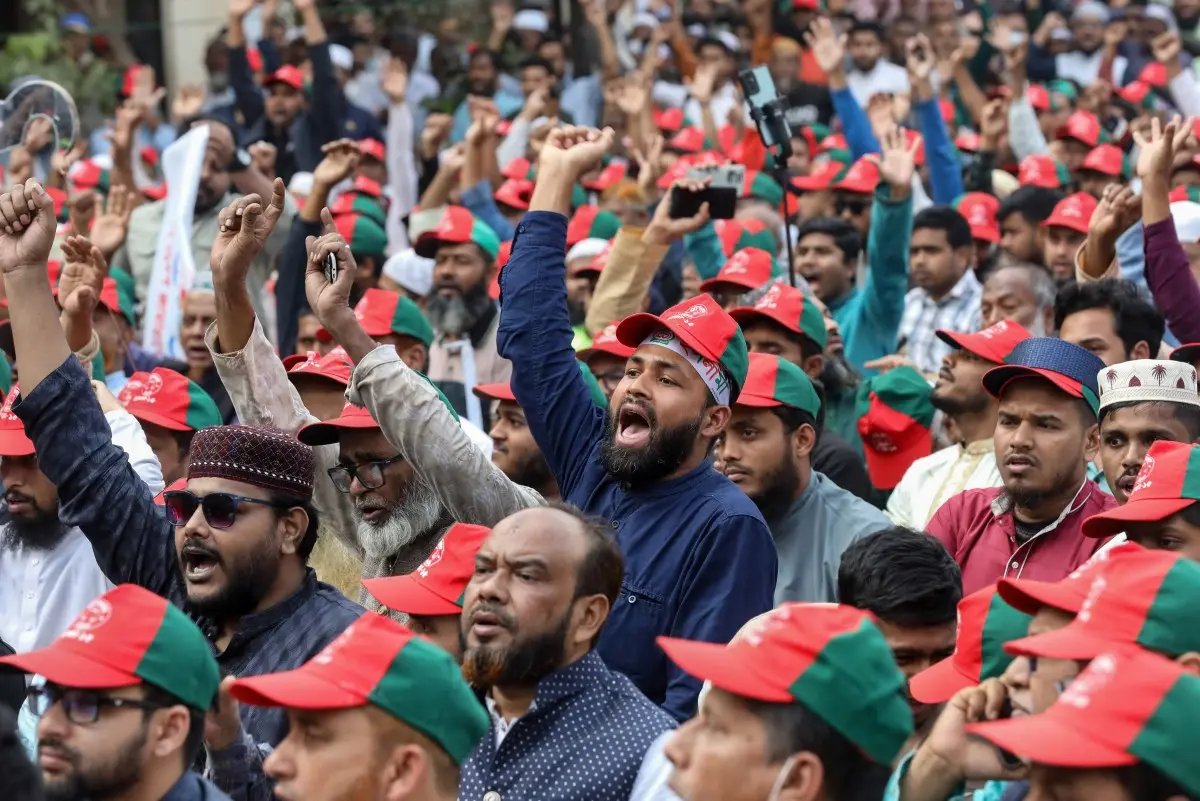
Bangladesh will return to the polls on 12 February to elect a new Parliament and vote on the July National Charter, a comprehensive reform framework drafted after the 2024 anti-Hasina uprising and endorsed by the interim government. This marks more than three decades since the country last held a constitutional referendum, highlighting the election’s significance for governance, legal reform, and political stability.
Changing Political Landscape
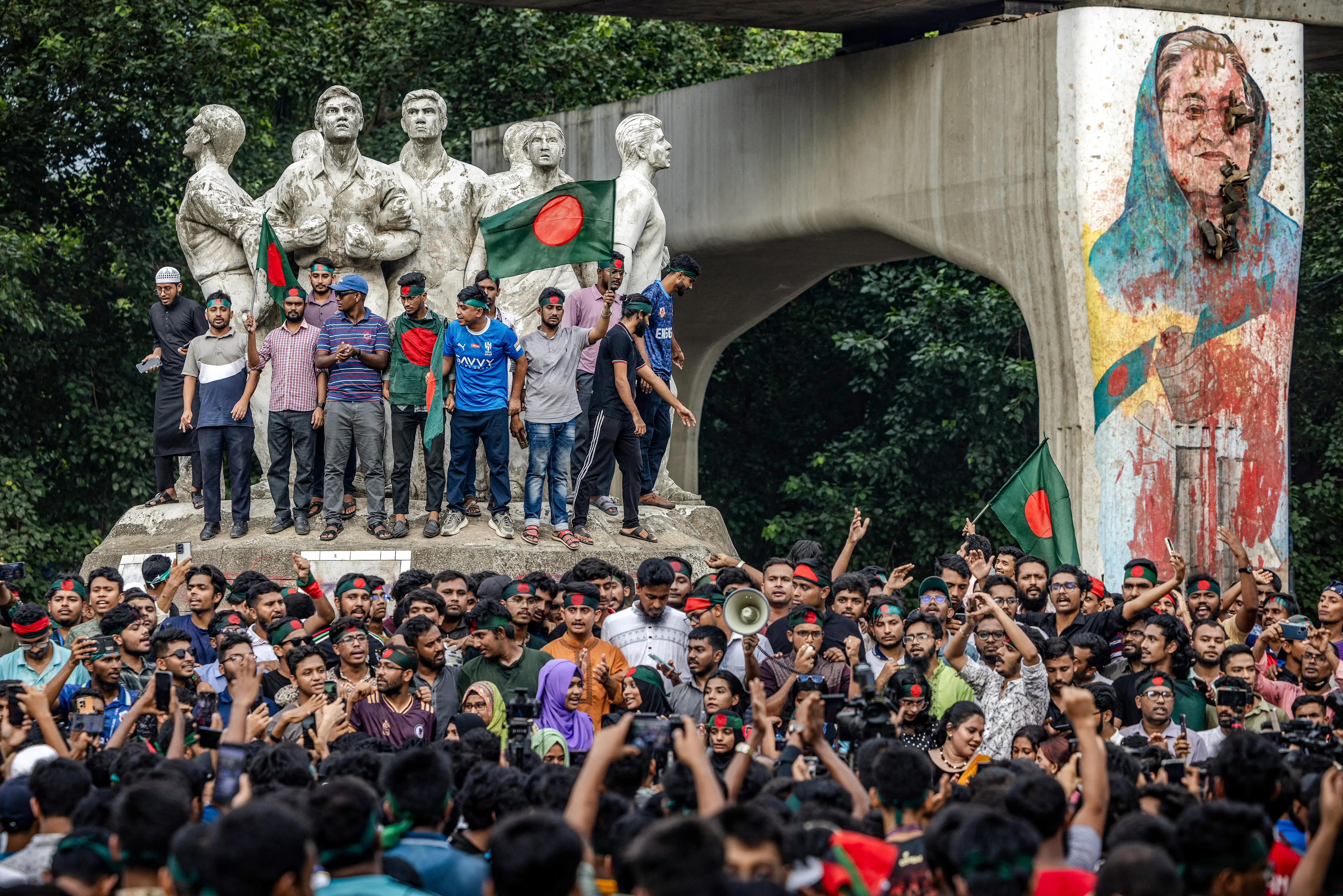
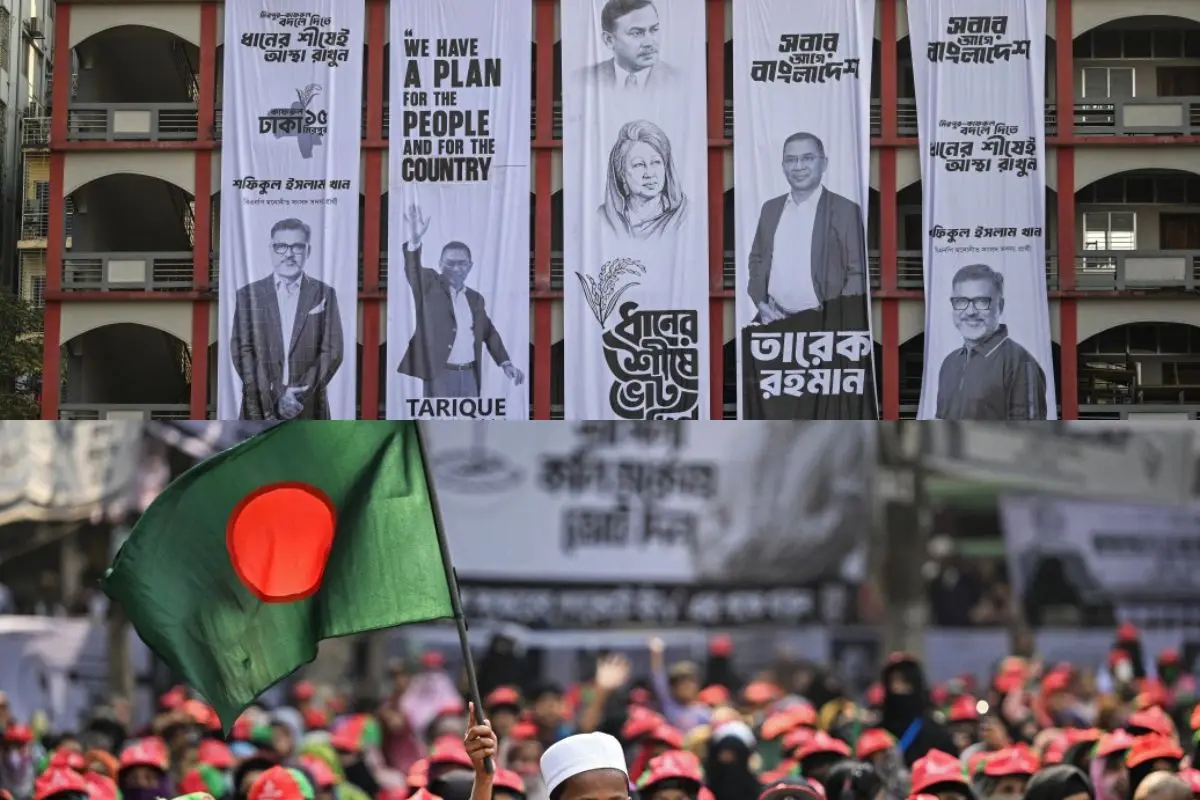
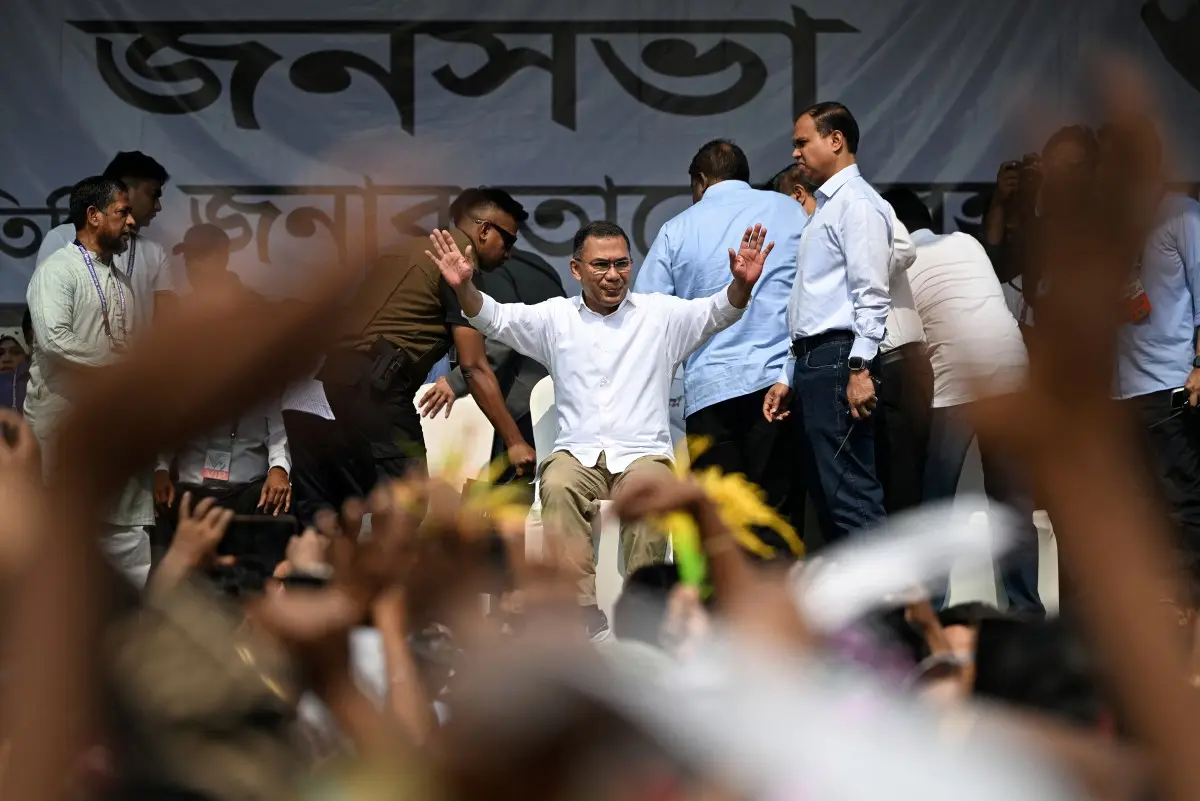
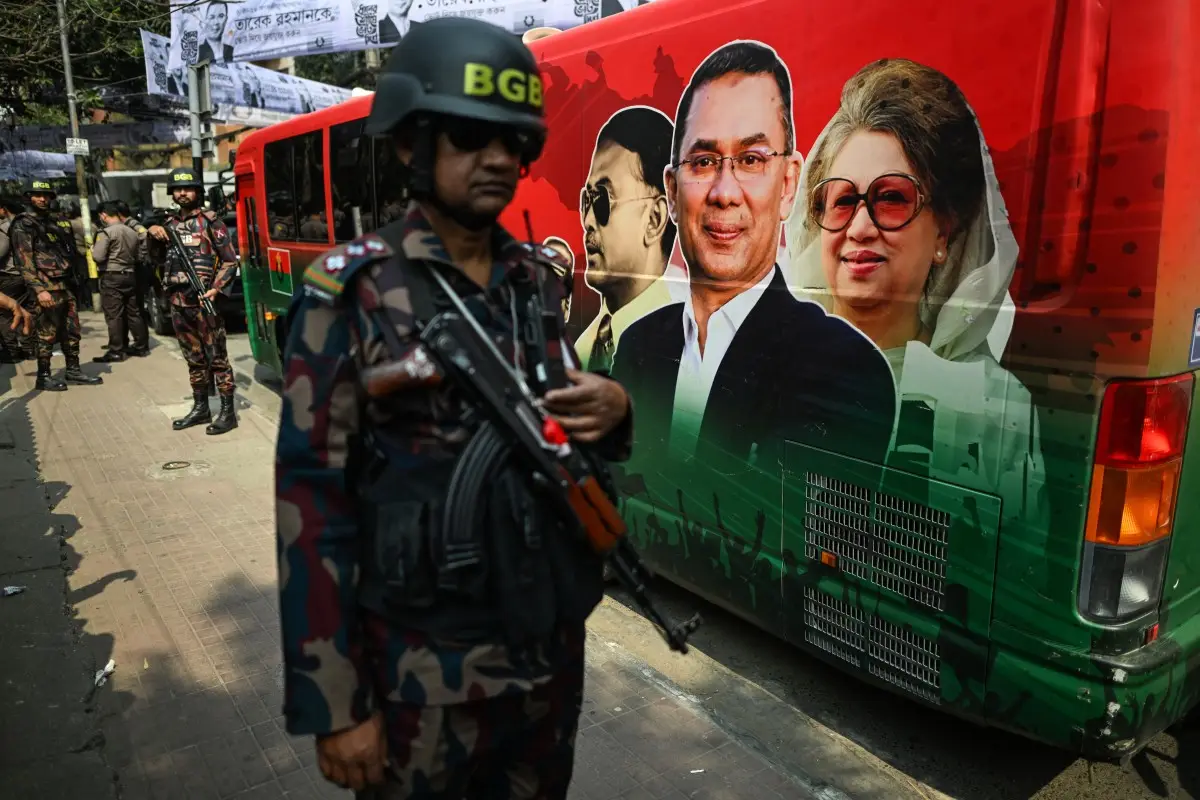
The ousting of former Prime Minister Sheikh Hasina in 2024 has reshaped Bangladesh’s political dynamics. Her Awami League party remains banned, opening the field to the Bangladesh Nationalist Party (BNP) and Jamaat-e-Islami, both of which have emerged as principal contenders. Tarique Rahman’s return from exile has reinvigorated the BNP, while Jamaat-e-Islami benefits from restored registration and support among younger voters.
Minority Votes and Electoral Strategies
The Hindu minority, Bangladesh’s largest, is expected to play a decisive role in closely contested constituencies. Both BNP and Jamaat have courted this vote, pledging recognition and security, though Jamaat’s conservative reputation may limit its appeal. The campaign reflects a broader ideological and generational divide that has emerged since Hasina’s fall.
China’s Strategic Expansion
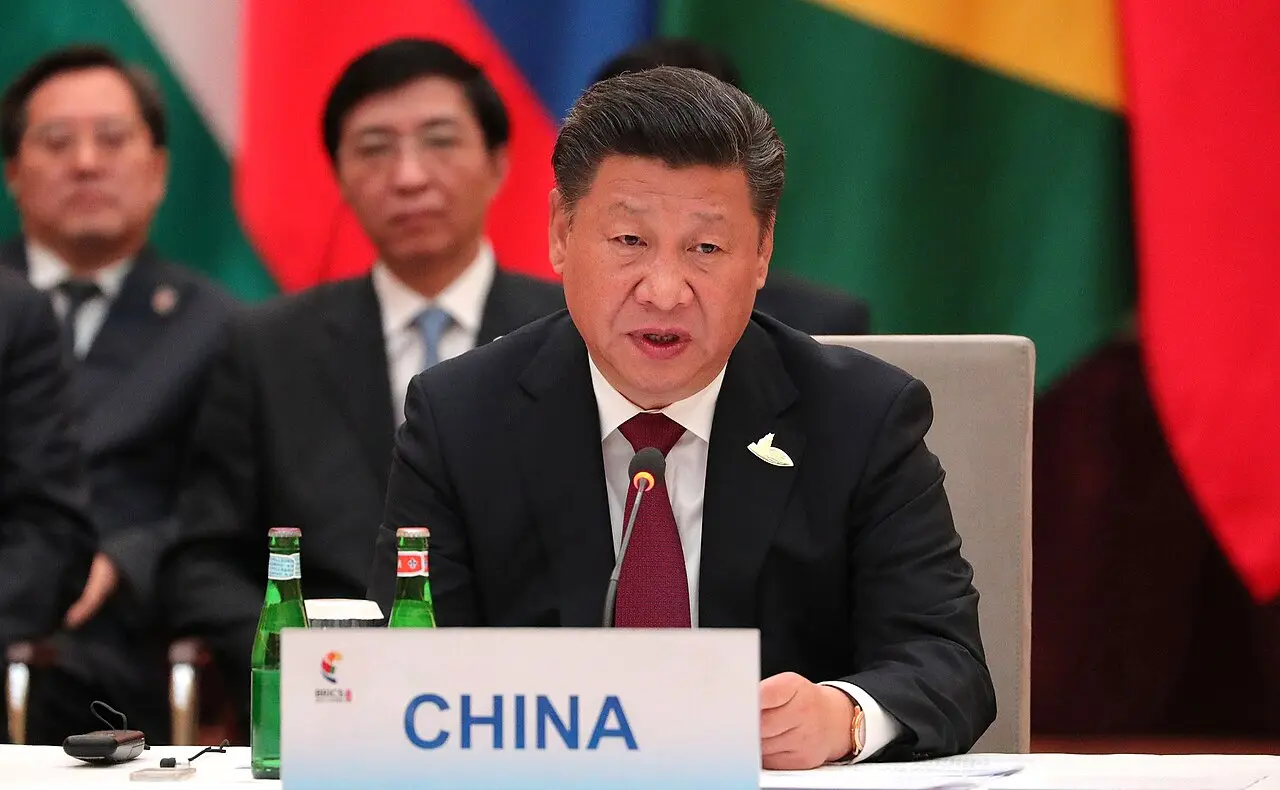
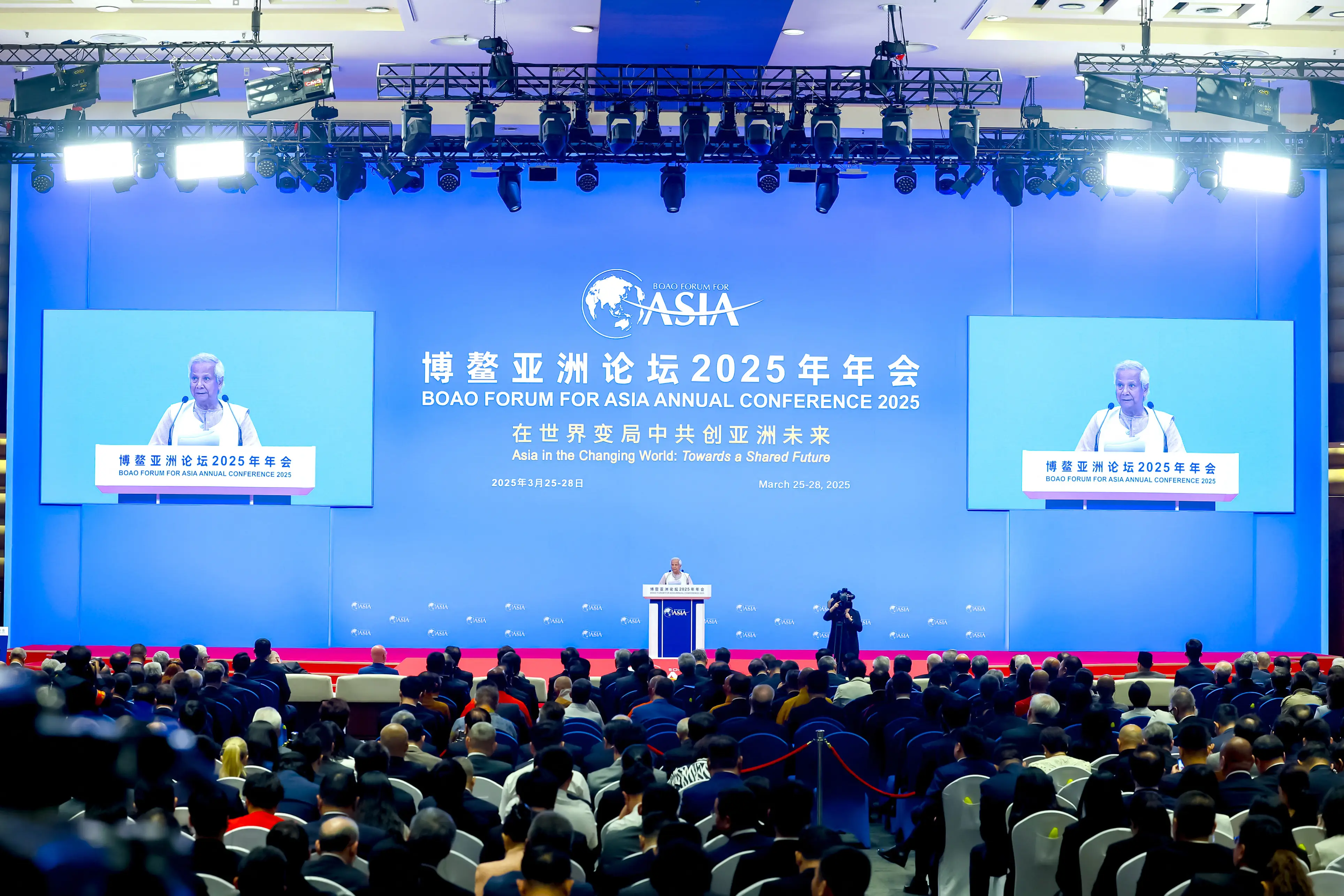
China has stepped up investments and diplomatic outreach in Dhaka, recently signing a defence deal to build a drone factory near Bangladesh’s border with India. Chinese Ambassador Yao Wen regularly meets politicians, officials, and journalists, discussing projects worth billions of dollars, noted Reuters. Beijing has also capitalised on declining US engagement and trade tensions with other powers, positioning itself as a predictable economic partner.
India-Bangladesh Relations Under Strain
Dhaka-Delhi ties have deteriorated in recent weeks and both countries have curtailed entry visas to each other. Disputes include the exclusion of a Bangladeshi bowler from the Indian Premier League following Hindu community pressure, bans on IPL broadcasts in Bangladesh, visa curtailments, and limited official engagements. The interim government has repeatedly and unsuccessfully requested India extradite Hasina after a court sentenced her to death for ordering a crackdown during the 2024 protests.
Why India Needs Bangladesh
Ahead of the election both the major contesting political parties have accused each other of courting foreign interests. “Not Dilli, not Pindi, Bangladesh before everything,” Rahman, the BNP leader, told a recent rally, referring to New Delhi and Pakistan’s military headquarters in Rawalpindi. Bangladesh, bordered by India on three sides, is vital for trade, transit, and regional security. Stable Dhaka–Delhi relations help India manage its land borders and counter insurgents. Despite political tensions, bilateral trade remains around $13.5 billion, largely Indian exports. Indian firms, including Adani, have increased power supplies to ease shortages, even as Dhaka criticises Hasina-era tariffs.
Economic Considerations and Pragmatic Diplomacy
China has also been Bangladesh’s largest trading partner for over a decade, with annual bilateral trade around $18 billion, nearly 95 per cent of which comprises Chinese imports. Since Hasina’s departure, Chinese companies have invested hundreds of millions of dollars across infrastructure and industrial projects, while Indian investment has slowed. Analysts note that despite Beijing’s expanding influence, Bangladesh cannot afford to neglect ties with India, which remains vital for trade, transit, and regional security. As a result, Dhaka is expected to pursue a pragmatic balance, thus strengthening economic engagement with China while maintaining essential cooperation with India.
)
)
)
)
)