Bangladesh elections: Can the 8% Hindu vote swing power amid growing fears for their safety?

Hindus make up roughly 8 per cent of Bangladesh’s population of 170 million, according to government and census estimates cited in multiple reports. Reports document a surge in attacks targeting Hindu homes, temples and businesses in the period leading up to the elections.
A decisive minority bloc in a polarised election
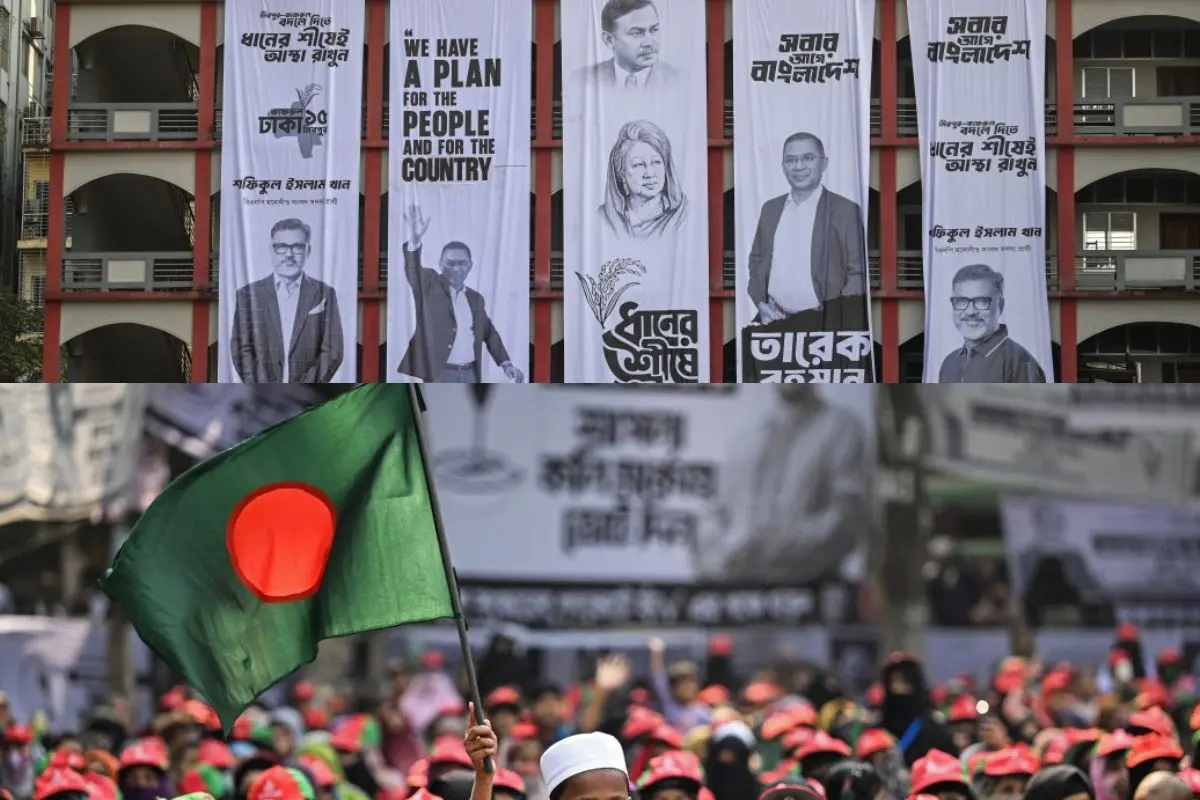
Bangladesh’s Hindu community, the country’s largest religious minority, is emerging as a significant factor in the upcoming national elections. Hindus make up roughly 8 per cent of Bangladesh’s population of 170 million, according to government and census estimates cited in multiple reports. Historically, the community has largely supported the Awami League, which positioned itself as a secular counterweight to Islamist forces. With political realignments and the absence or weakening of traditional alliances in this election cycle, the voting preferences and turnout of Hindu voters are being closely watched.
Gobal Alarm Over Minority Safety Ahead of Bangladesh Polls
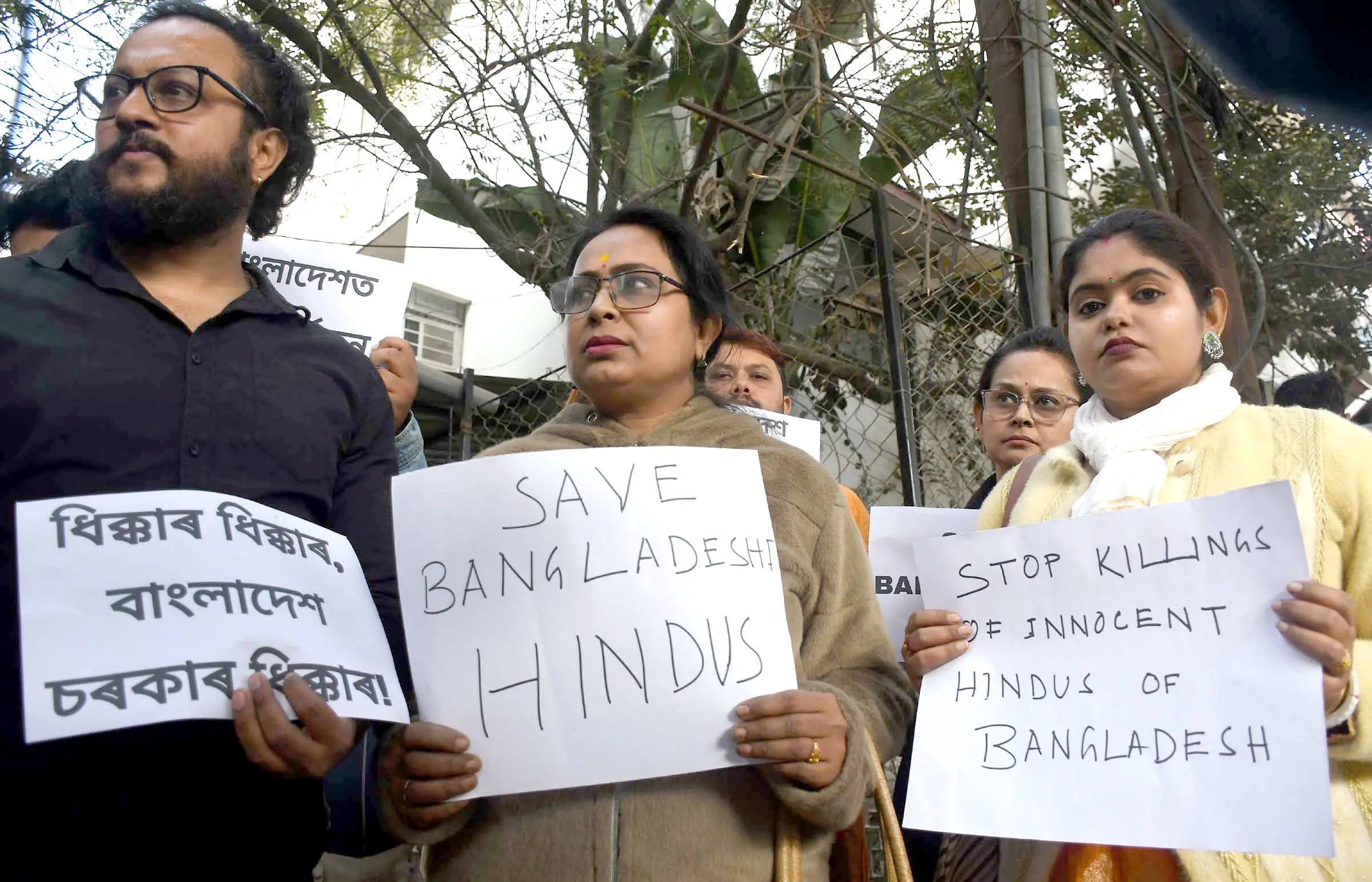
Days after RSS chief Mohan Bhagwat expressed support for Bangladeshi Hindus, the Hindus Advancing Human Rights Initiative (HAHRI) coordinated a letter endorsing over 125 global organisations and individuals across 15 countries, issuing an urgent appeal warning of escalating violence against minorities under the interim government before the elections. The coalition urged the UN, US, EU and India to take immediate action to ensure minority protection.
Rising violence heightens election anxieties
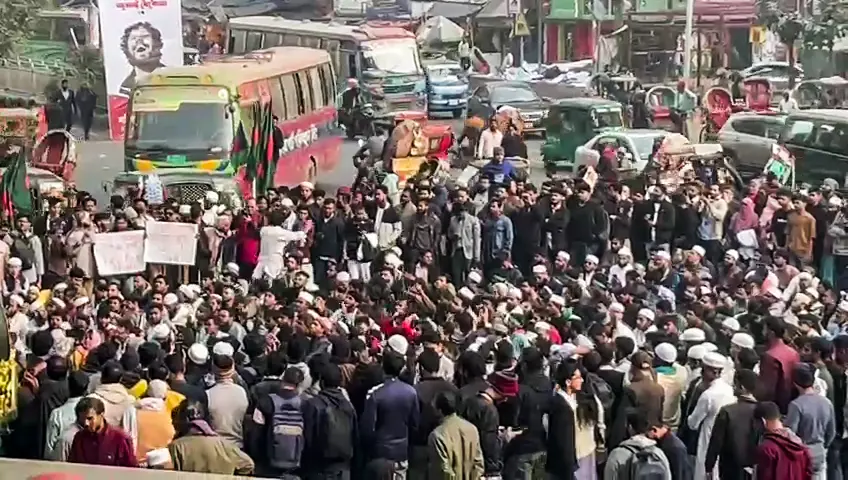
Reports by the Associated Press also document a surge in attacks targeting Hindu homes, temples and businesses in the period leading up to the elections. Local rights groups cited hundreds of incidents of vandalism, assaults and intimidation in recent years, with many occurring around politically sensitive moments. Community leaders and activists have warned that recurring violence is creating widespread fear and uncertainty among Hindu voters, potentially affecting participation in the democratic process.
Unsubstantiated blasphemy allegations
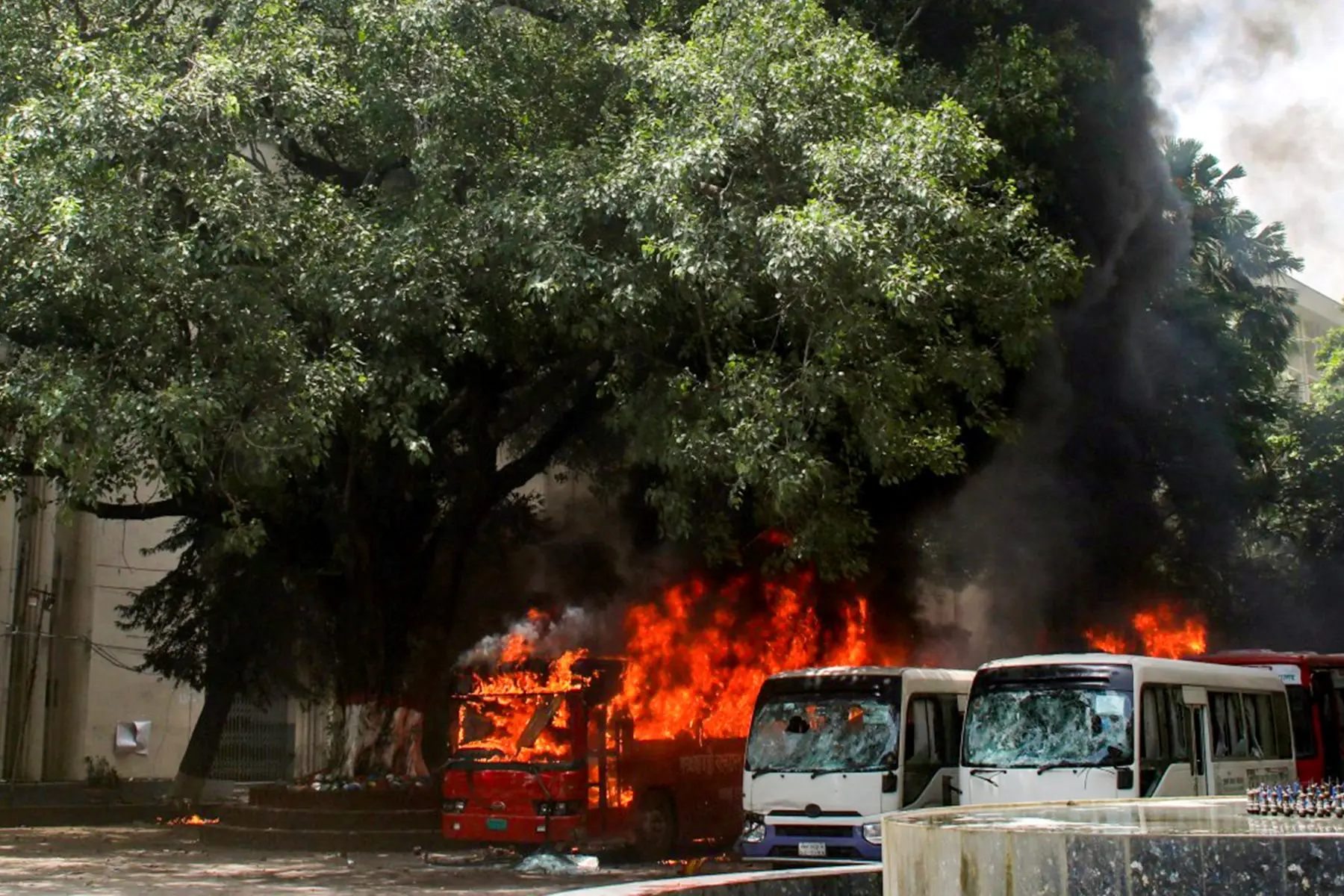
The lynching of Hindu man Dipu Chandra Das in December 2025 intensified global concerns over rising impunity in Bangladesh. Rights observers say unsubstantiated blasphemy allegations have repeatedly triggered mob violence, including arson, temple vandalism and attacks on Hindu-owned businesses. Following Sheikh Hasina’s departure in August 2024, the US Commission on International Religious Freedom reported 'widespread violence' and noted that Bangladeshi police have struggled to adequately protect minority communities amid political transition and heightened communal tensions.
Communal tensions and political competition
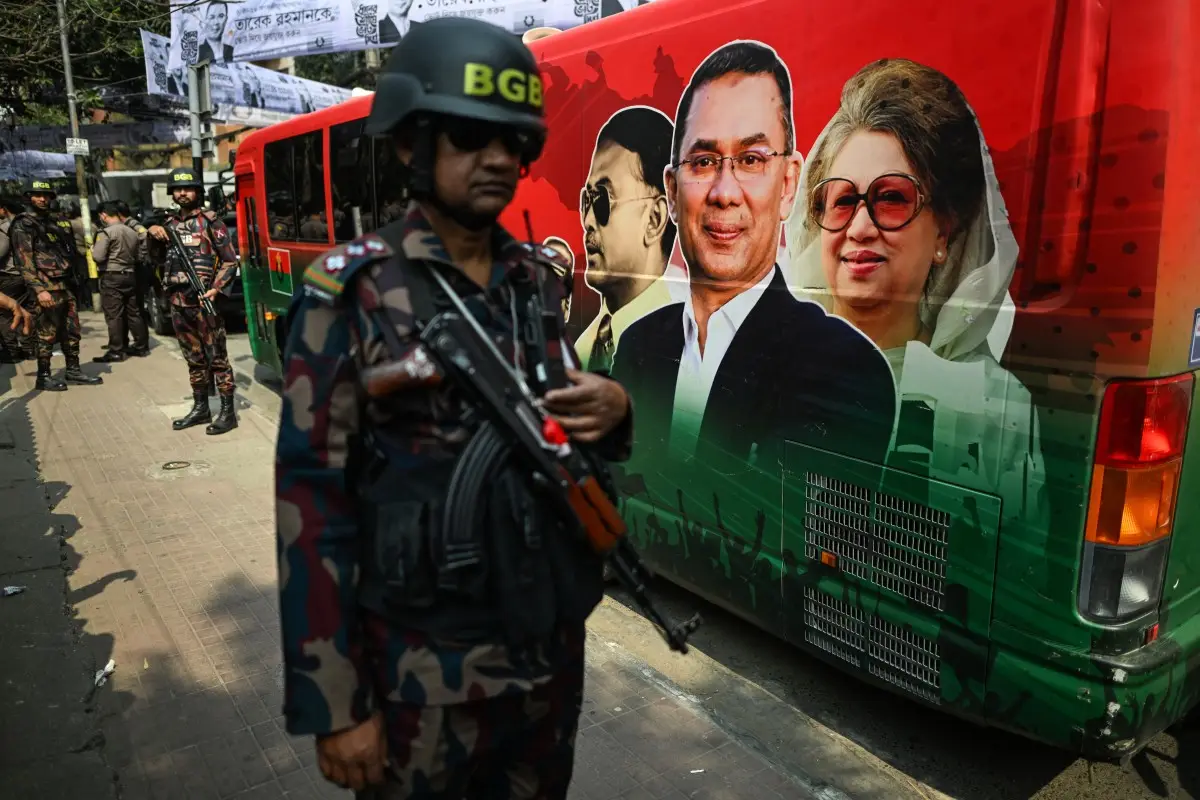
Now, analysts note that communal tensions often intensify during election periods, when political rivalries are most pronounced. Several incidents reported in recent months have been linked by observers to political disputes at local levels, where minority communities are sometimes viewed as aligned with specific parties. Law enforcement officials have stated that many attacks stem from political or personal conflicts rather than organised communal campaigns, though minority groups have contested that assessment.
The electoral weight of minority voting patterns
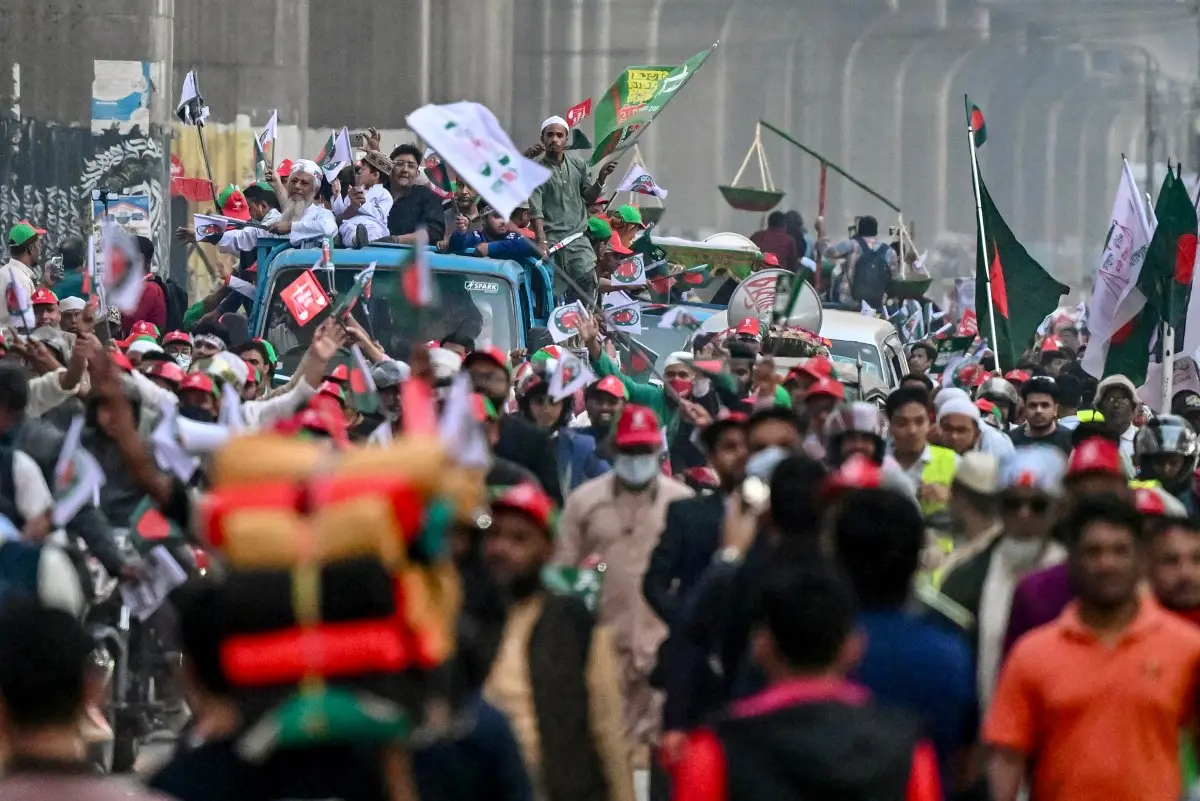
The Hindu vote has historically played a decisive role in closely fought constituencies, particularly in southwestern and northeastern districts of Bangladesh. High voter turnout among minority communities has previously contributed to electoral victories in marginal seats. Observers believe that any decline in participation caused by fear or displacement could influence the final outcome in several competitive constituencies.
Security assurances and government response
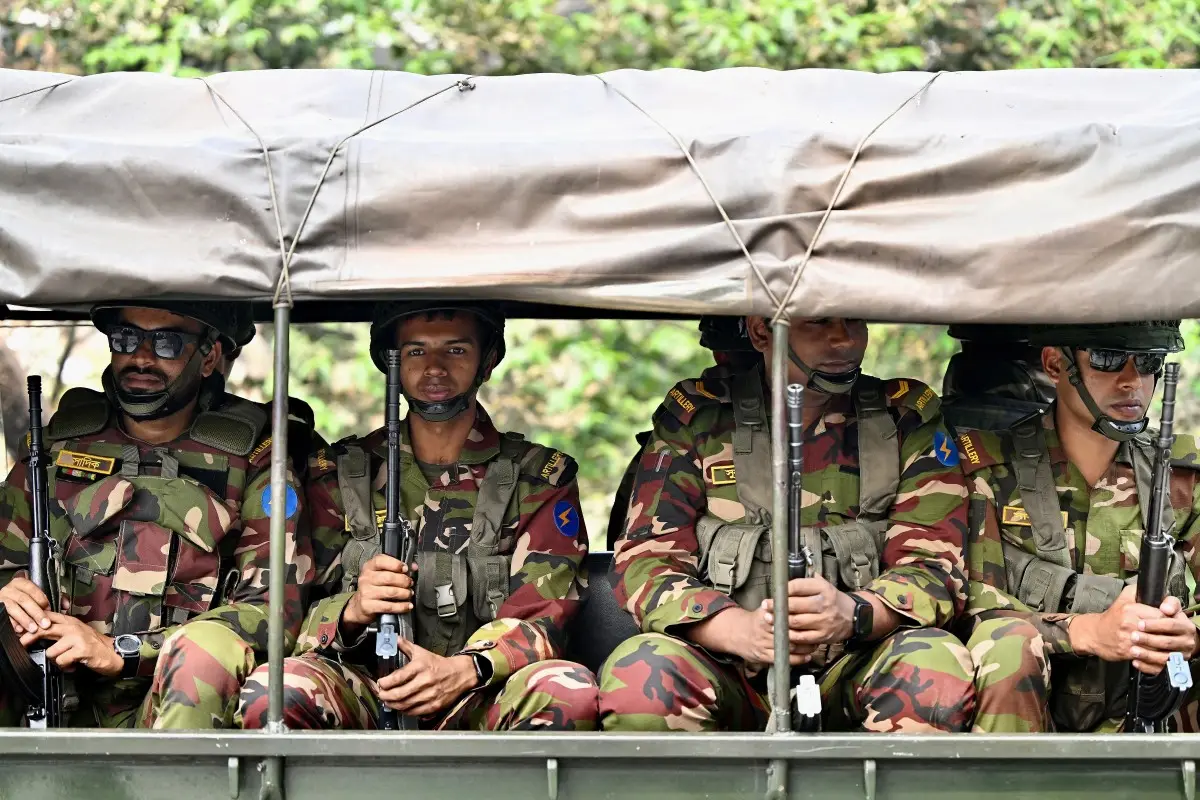
Bangladeshi authorities have rejected claims of violence against minorities especially during the election period. Officials have pledged increased security at vulnerable religious sites and minority-dominated areas during polling. For many Hindu voters, the election is not only a political event but also a referendum on safety, equal rights and long-term security within Bangladesh’s democratic framework.
)
)
)
)
)