The day a B-52 almost dropped four nuclear bombs on Spain by accident and US spent months hiding it

On January 17, 1966, a B-52 carrying four hydrogen bombs collided with a refuelling tanker over the Spanish fishing village of Palomares. All four bombs fell to earth. Two broke open and scattered radioactive plutonium across farmland. The US government quietly cleaned it up, paid off farmers, and hoped nobody would notice. They noticed.

A Routine Refuelling That Went Wrong
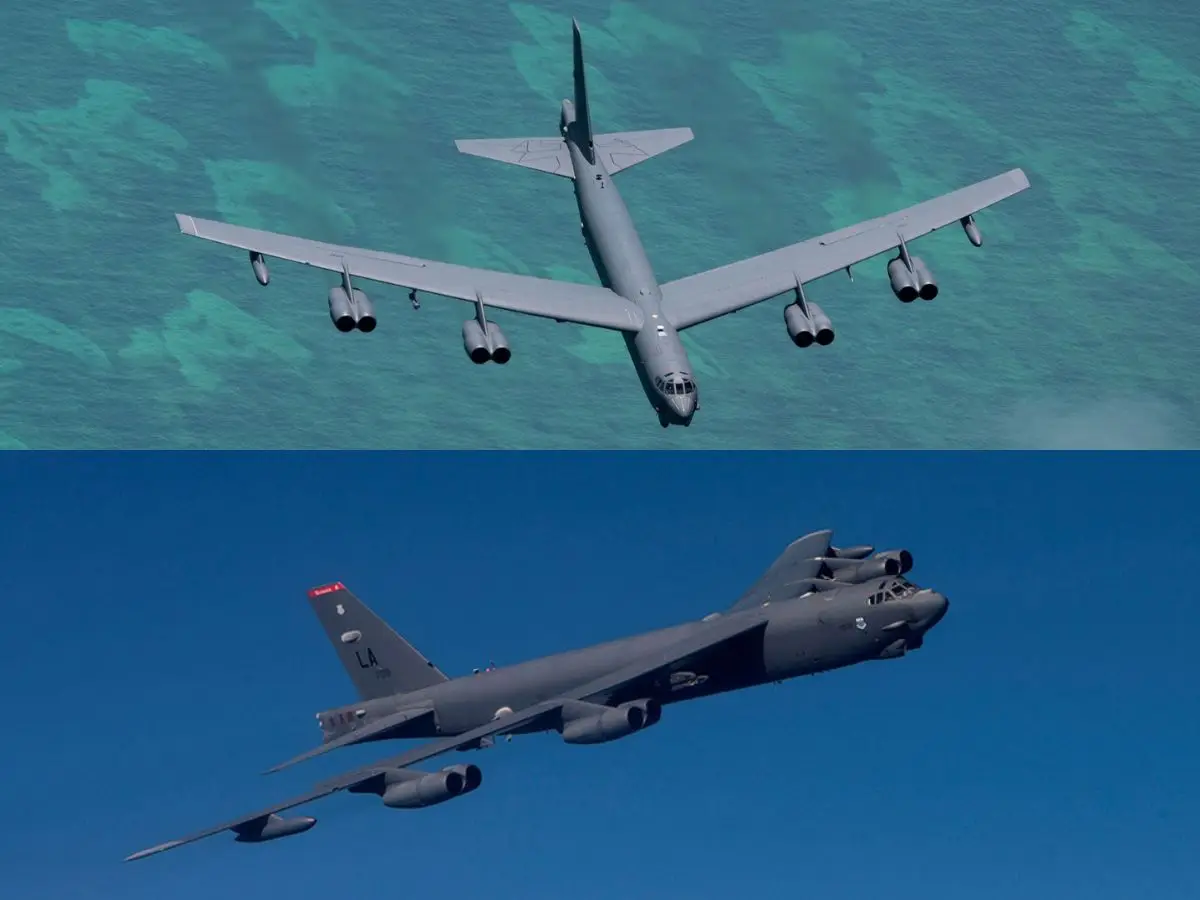
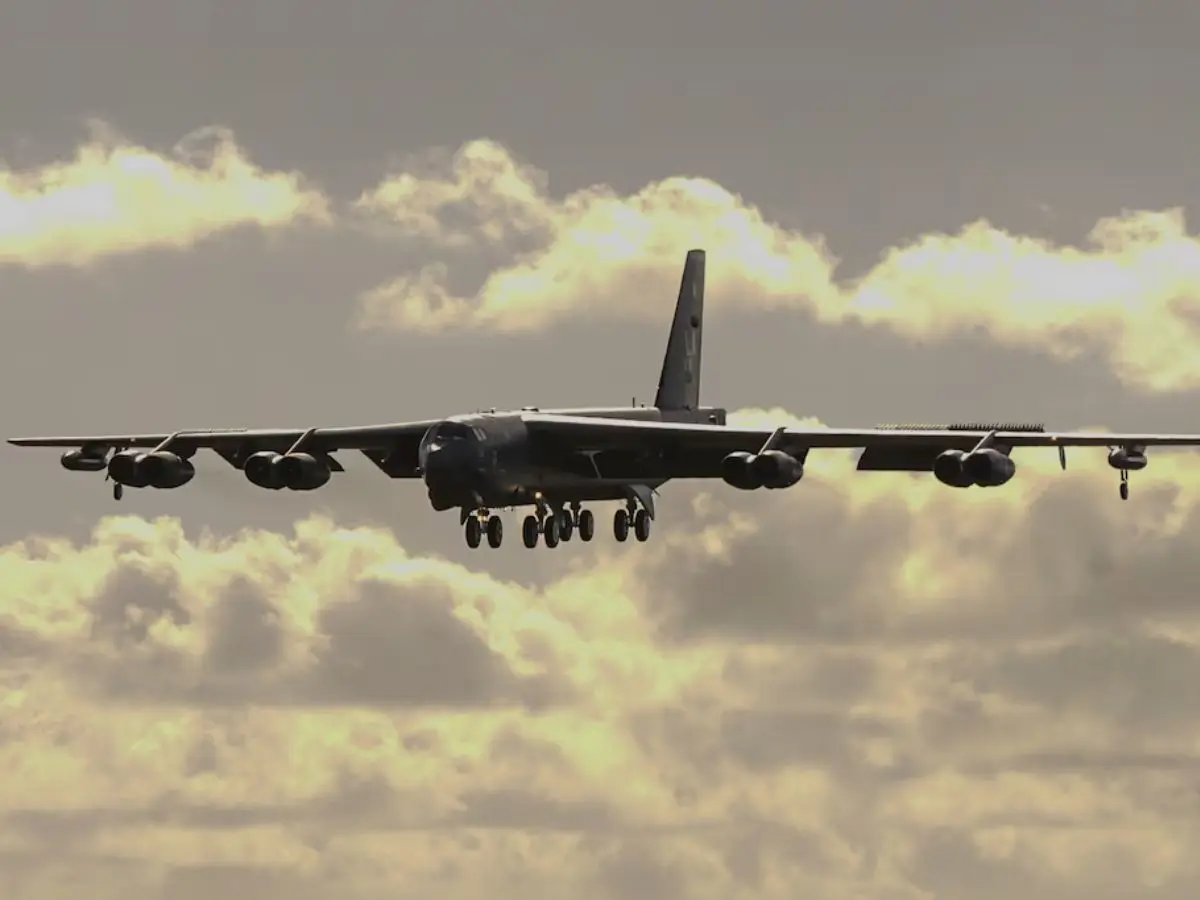
The B-52G was on a Chrome Dome mission — one of the continuous airborne nuclear patrols the US Air Force ran throughout the Cold War. At 31,000 feet over southern Spain, it attempted to link up with a KC-135 tanker for a routine refuelling. The two aircraft collided. Both broke apart. Four B28 hydrogen bombs separated from the wreckage and fell toward the ground below.
Four Bombs, Four Different Fates
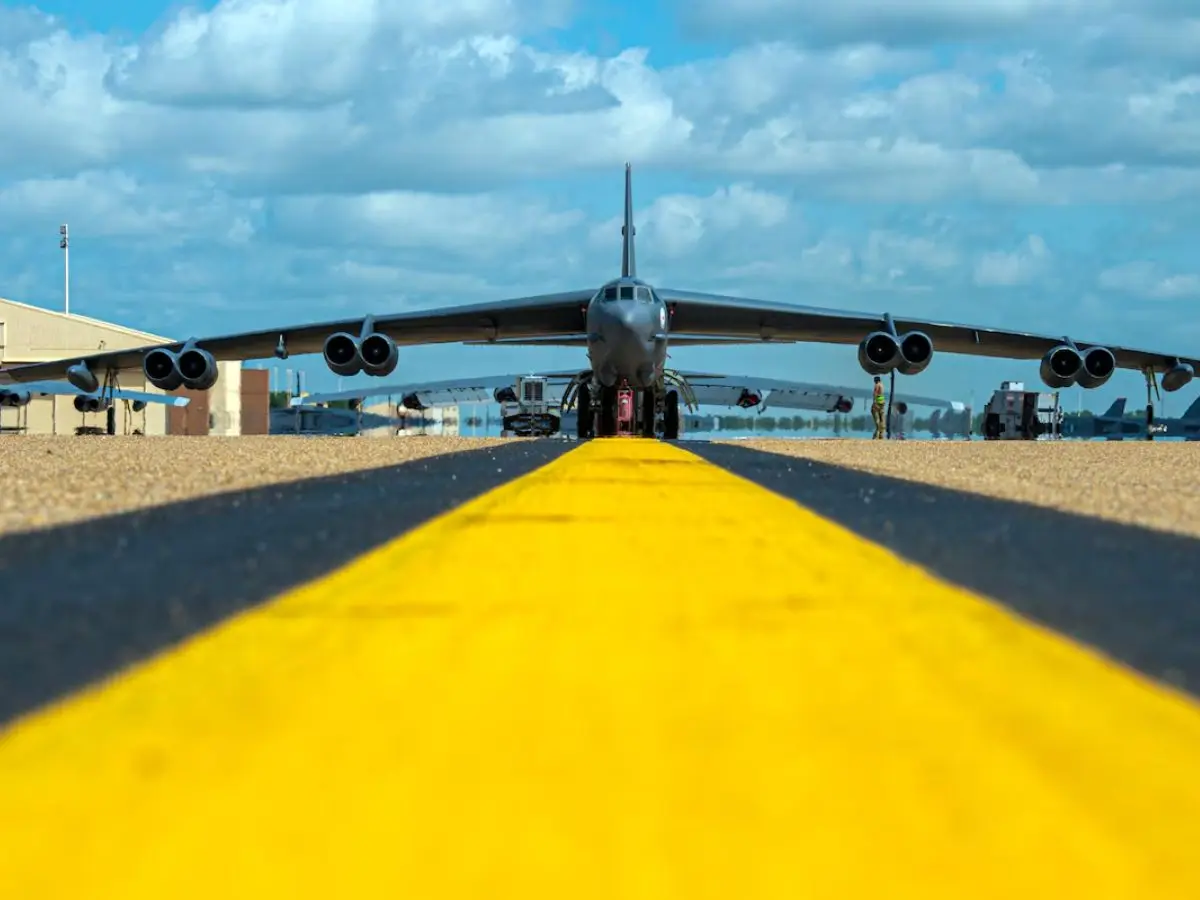
One bomb landed largely intact on dry land. One landed in the sea and was eventually recovered after a 12-week search. Two bombs hit the ground with enough force to rupture their conventional explosive triggers — not causing a nuclear detonation, but scattering radioactive plutonium-239 across approximately two square kilometres of Spanish farmland near the village of Palomares.
A Spanish Village Wakes Up To Nuclear Contamination
The residents of Palomares, a small tomato-farming community, had no idea what had fallen on their fields. US military personnel arrived quickly and began a cleanup operation — but the full nature of the contamination was not immediately disclosed to locals. Farmers continued working land that was now laced with plutonium particles invisible to the naked eye.
The US Government's Quiet Cleanup
The US military deployed approximately 1,600 personnel to Palomares for the cleanup. They collected around 1,400 tonnes of contaminated soil and vegetation, placed it in barrels, shipped it to a nuclear storage facility in South Carolina, and replanted crops. The operation was conducted with as little public disclosure as possible. Spain's Franco government cooperated and kept the scale of the contamination out of domestic press.

The Photo Op That Was Supposed To Prove Everything Was Fine
To demonstrate that the waters off Palomares were safe after the sea bomb recovery, US Ambassador Angier Biddle Duke and the man who located the sunken weapon, Manolo Cortina, went swimming in the sea off Palomares in front of press cameras. It was one of the more cynical pieces of Cold War public relations — a swim staged to reassure a local population that had just had nuclear bombs fall on their village.

The Contamination That Never Fully Went Away
Decades later, studies found residual plutonium contamination in Palomares soil above acceptable limits. A 2015 agreement between the US and Spain committed the US to removing additional contaminated soil — but the shipment of that soil to the US has been stalled by negotiations over costs and storage. As of the mid-2020s, some contaminated soil from a 1966 B-52 accident remains in the Spanish village that received it.
Why The Accident Was Possible At All
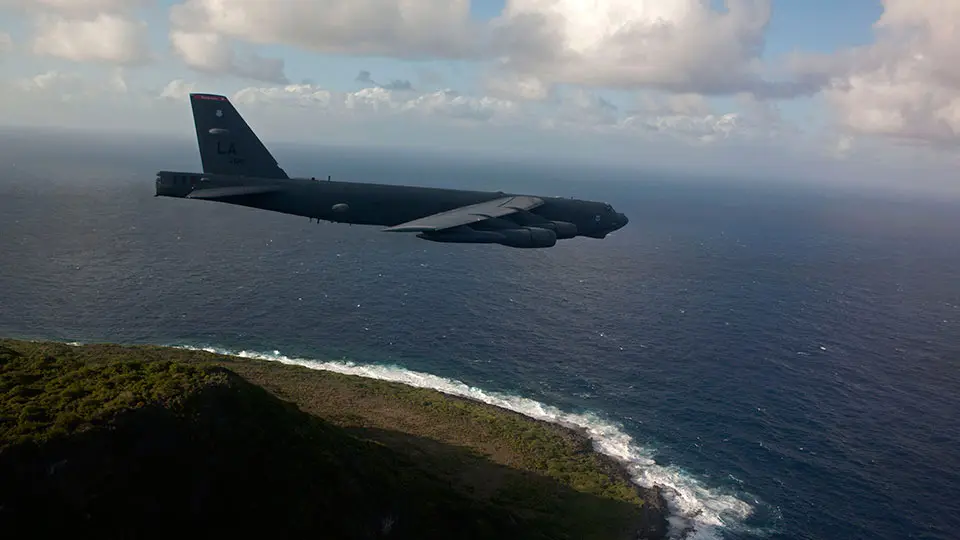
Palomares happened because the US was running Chrome Dome — a programme of continuous airborne nuclear patrols designed to ensure bombers were always in the air, unreachable by a Soviet first strike. The assumption was that airborne nukes were safer than ground-based ones. Palomares, and a similar crash in Greenland two years later, demonstrated a flaw in that logic: moving nuclear weapons continuously through the air creates continuous opportunities for catastrophic accident.
)
)
)
)
)