What 800 B-52 sorties did to Saddam's army in the Gulf War?

In the weeks before the Gulf War ground assault began in February 1991, B-52s flew over 800 sorties against Iraqi Republican Guard positions in Kuwait and southern Iraq. The psychological effect was as significant as the physical destruction. Iraqi soldiers who survived the bombing were surrendering to anyone they could find — including journalists — because they would rather be captured than spend another hour under B-52 strikes.
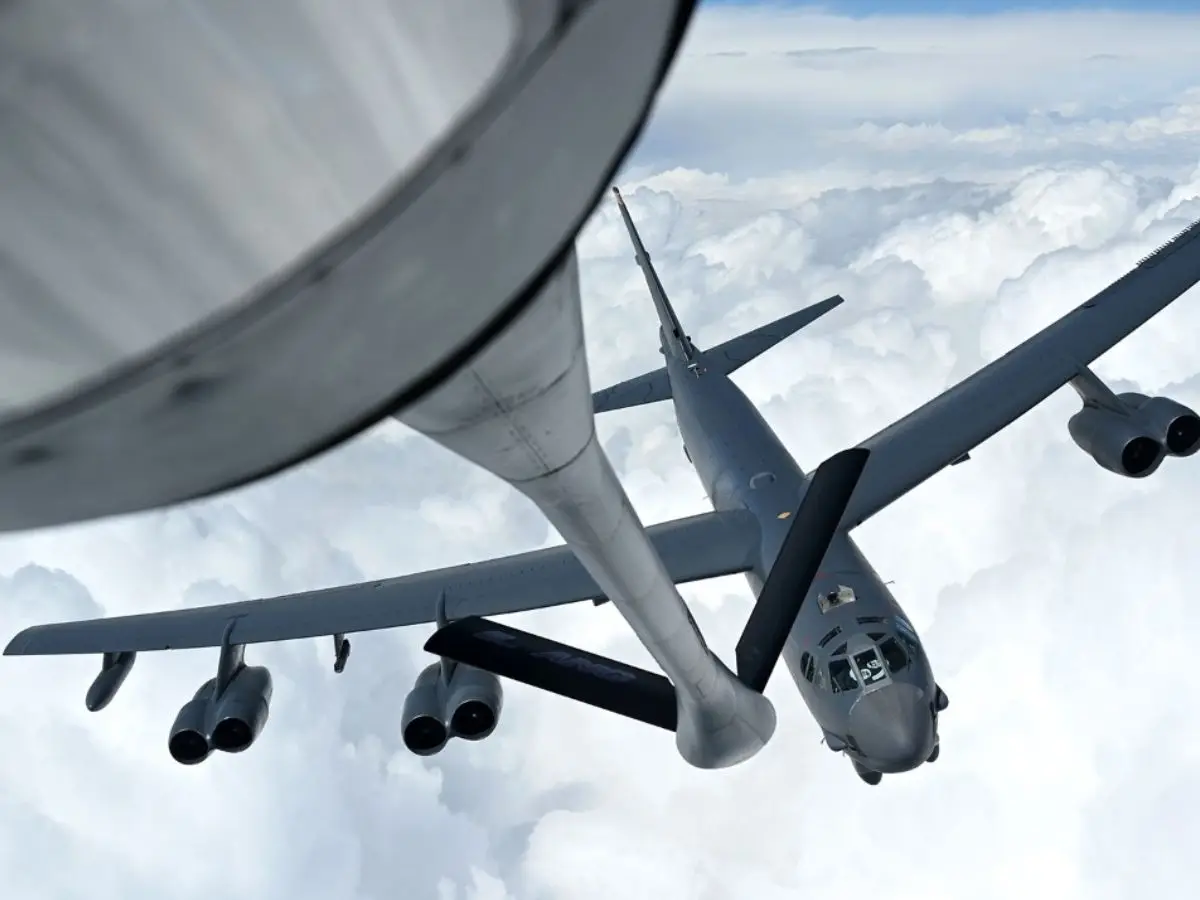
The Air Campaign Before The Ground War
Operation Desert Storm began on January 17, 1991, with a 38-day air campaign designed to degrade Iraqi military capability before a ground assault. B-52s from bases in the United Kingdom, Spain, Diego Garcia, and the continental United States flew missions against Iraqi troop concentrations, command centres, logistics depots, and the elite Republican Guard divisions that were expected to form the backbone of Iraqi resistance.
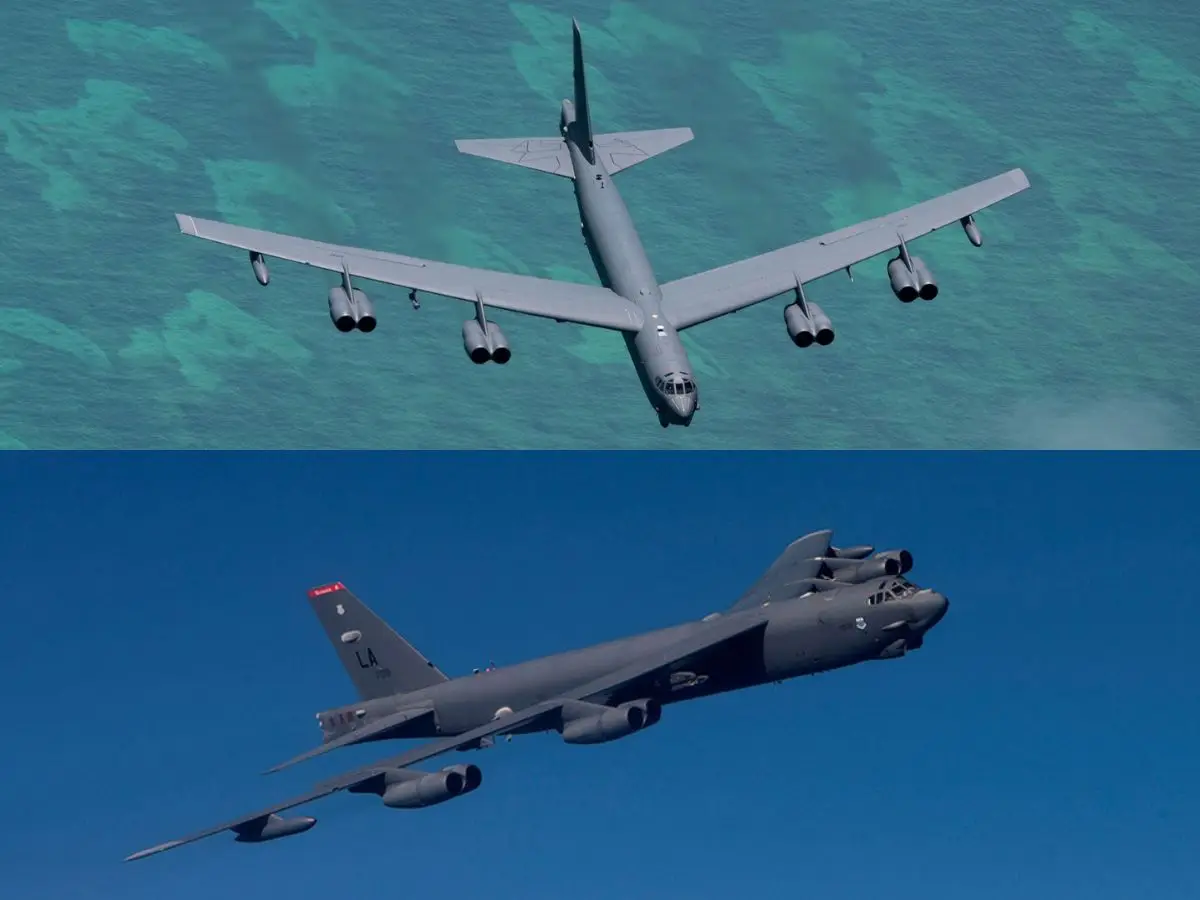
What A B-52 Strike Looked Like On The Ground
A single B-52 releasing its payload of unguided bombs in a stick pattern created a destruction zone approximately 1.5 kilometres long. A three-aircraft formation created overlapping destruction across a zone of several square kilometres. For Iraqi soldiers dug into desert positions with no air cover and no effective counter, a B-52 strike was indistinguishable from a natural catastrophe. There was no warning, no ability to run, and no place to hide that the ground was not moving.
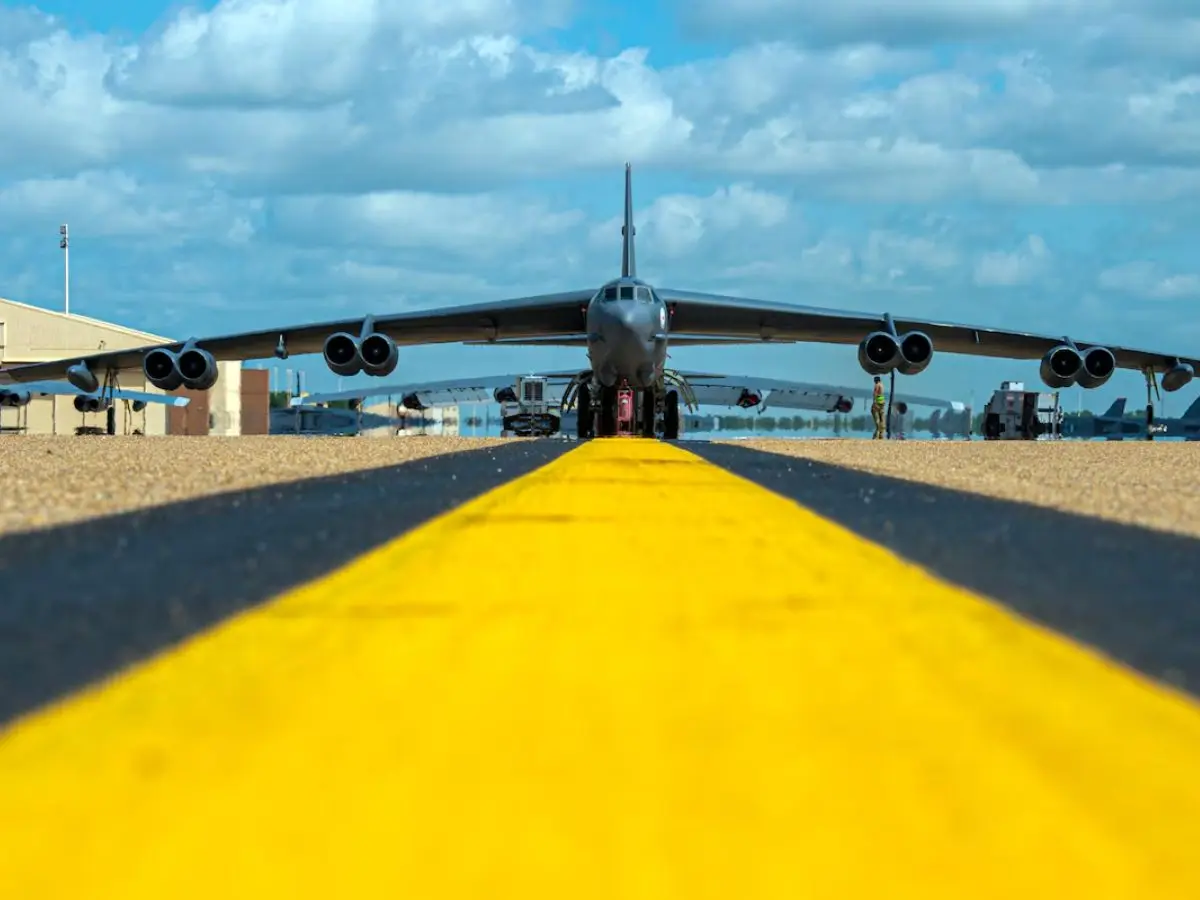
The Republican Guard As The Primary Target
The Iraqi Republican Guard divisions — the best-equipped and most loyal units in Saddam Hussein's military — were positioned in Kuwait and southern Iraq as the defensive core of Iraqi resistance. Coalition planners knew that the ground war could only succeed quickly if the Republican Guard was degraded before the assault. B-52s flew repeated strikes against their positions for weeks, targeting the armoured formations that would otherwise have countered the Coalition's flanking manoeuvre.
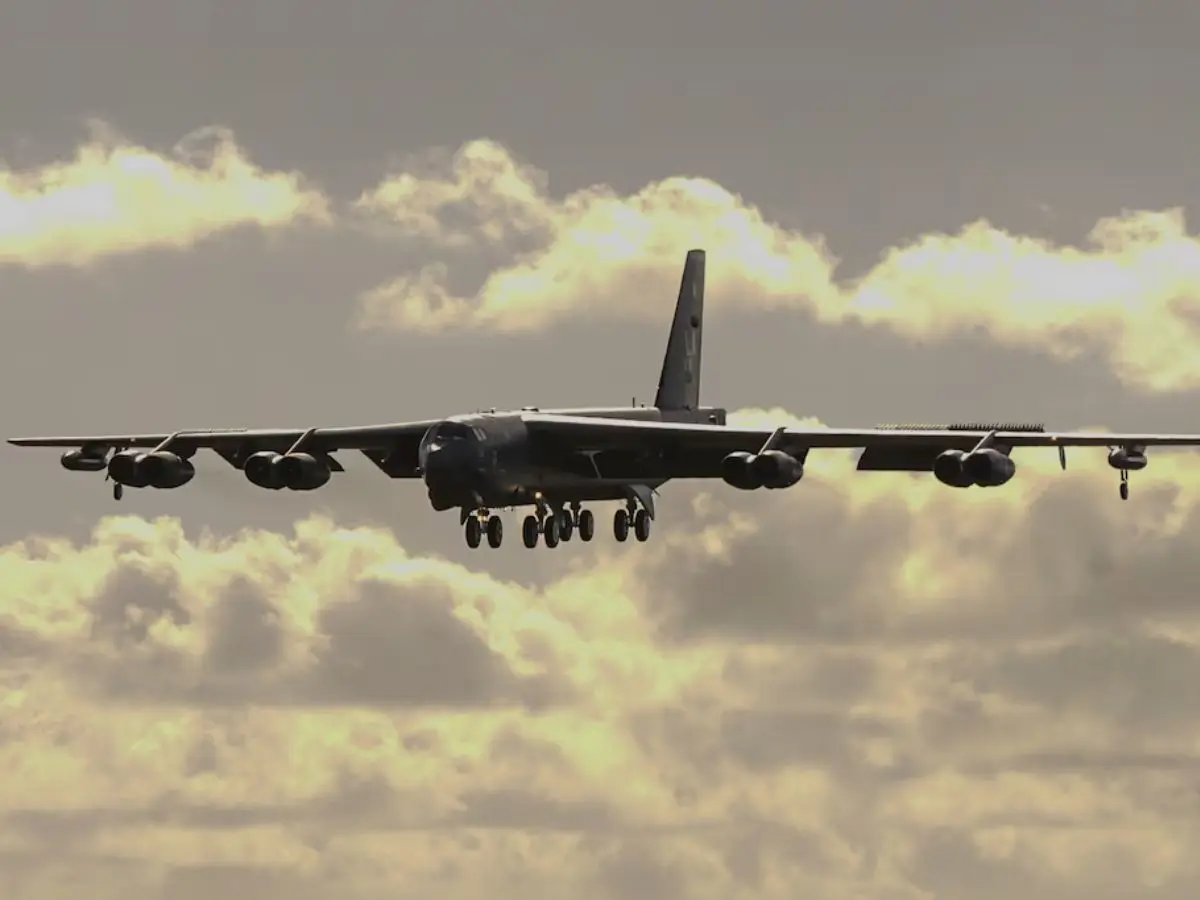
Surrendering To Journalists
As the ground war began on February 24, 1991, Coalition forces encountered something unexpected: Iraqi soldiers emerging from their positions en masse, waving white flags at anything that moved. Some surrendered to helicopter crews. Some surrendered to journalists travelling with advancing units. Some attempted to surrender to unmanned reconnaissance drones. Interrogations revealed a consistent account: the weeks of B-52 bombing had destroyed unit cohesion, killed officers, cut communications, and broken the will of soldiers who saw no possibility of survival if they continued fighting.
The 100-Hour Ground War
The Coalition ground offensive that began on February 24 lasted 100 hours before a ceasefire was declared. Iraqi resistance was far less effective than pre-war assessments had feared. The rapid collapse of Iraqi defensive capacity was directly attributed by Coalition commanders to the preceding air campaign — and within that campaign, to the B-52 strikes against Republican Guard positions in particular. What had been anticipated as a difficult, potentially costly ground battle was effectively decided before the first tank crossed the border.
How Many Bombs Were Dropped
B-52s flew approximately 1,624 sorties during Desert Storm, dropping around 25,700 tonnes of bombs — representing roughly 40 percent of all bombs dropped by Coalition forces during the conflict, despite the B-52 fleet being a small fraction of the total aircraft involved. The concentration of bombing effect in a relatively small number of aircraft demonstrated exactly why the B-52's massive payload capacity remained strategically relevant four decades after its introduction.
What Desert Storm Proved About The B-52
The Gulf War ended a debate that had run since Vietnam about whether the B-52 was obsolete in a modern conflict. Desert Storm demonstrated that mass conventional bombing of military formations, delivered at scale by a small number of high-payload aircraft, could break an army's fighting capability before a ground war began. The psychological dimension — the sound, the scale, the inescapability of the strikes — proved to be a weapon in its own right. The B-52 was supposed to be the terror of the Cold War nuclear standoff. In 1991, it turned out to be the decisive weapon in a conventional war.
)
)
)
)
)