'B-21 Raider': Why US Is building 100 pieces of them?

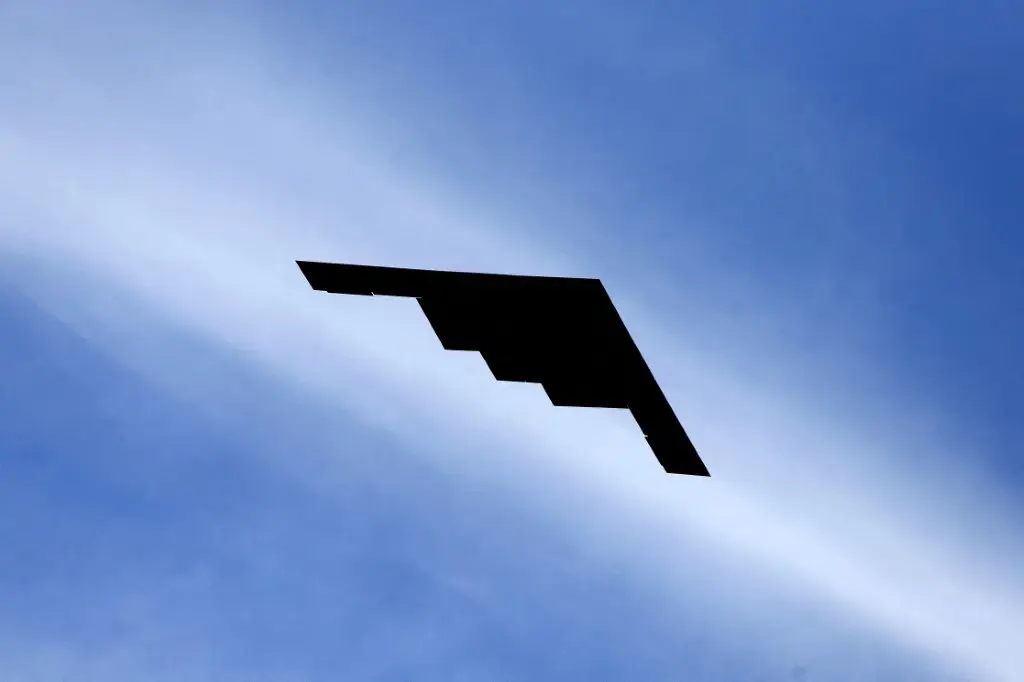
The B-2 Spirit entered service in 1997. The US Air Force is now fielding its replacement: the B-21 Raider, which began flight testing in 2023 and entered limited operational service in 2024.
Why The B-2 Needs A Replacement
The B-2 Spirit was designed in the 1980s to penetrate Soviet air defences of that era. Those defences have evolved dramatically. Russia and China have developed new radar systems, new surface-to-air missiles, and new electronic warfare capabilities specifically designed to detect and engage low-observable aircraft. The B-2's stealth characteristics — optimised for the threat environment of the late Cold War — are less effective against 2020s-era integrated air defence systems. A new aircraft, designed from scratch against current threats, was needed.
What The B-21 Looks Like
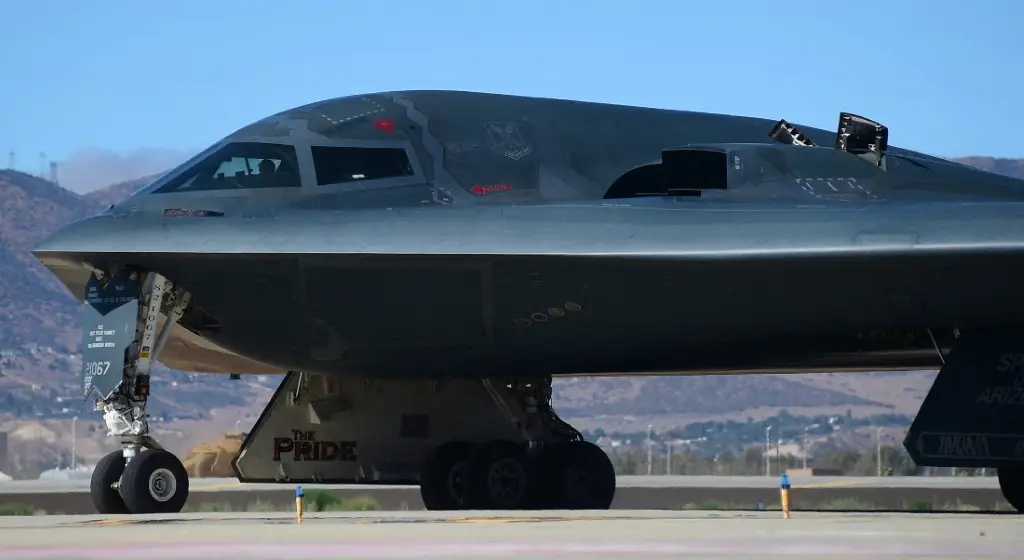
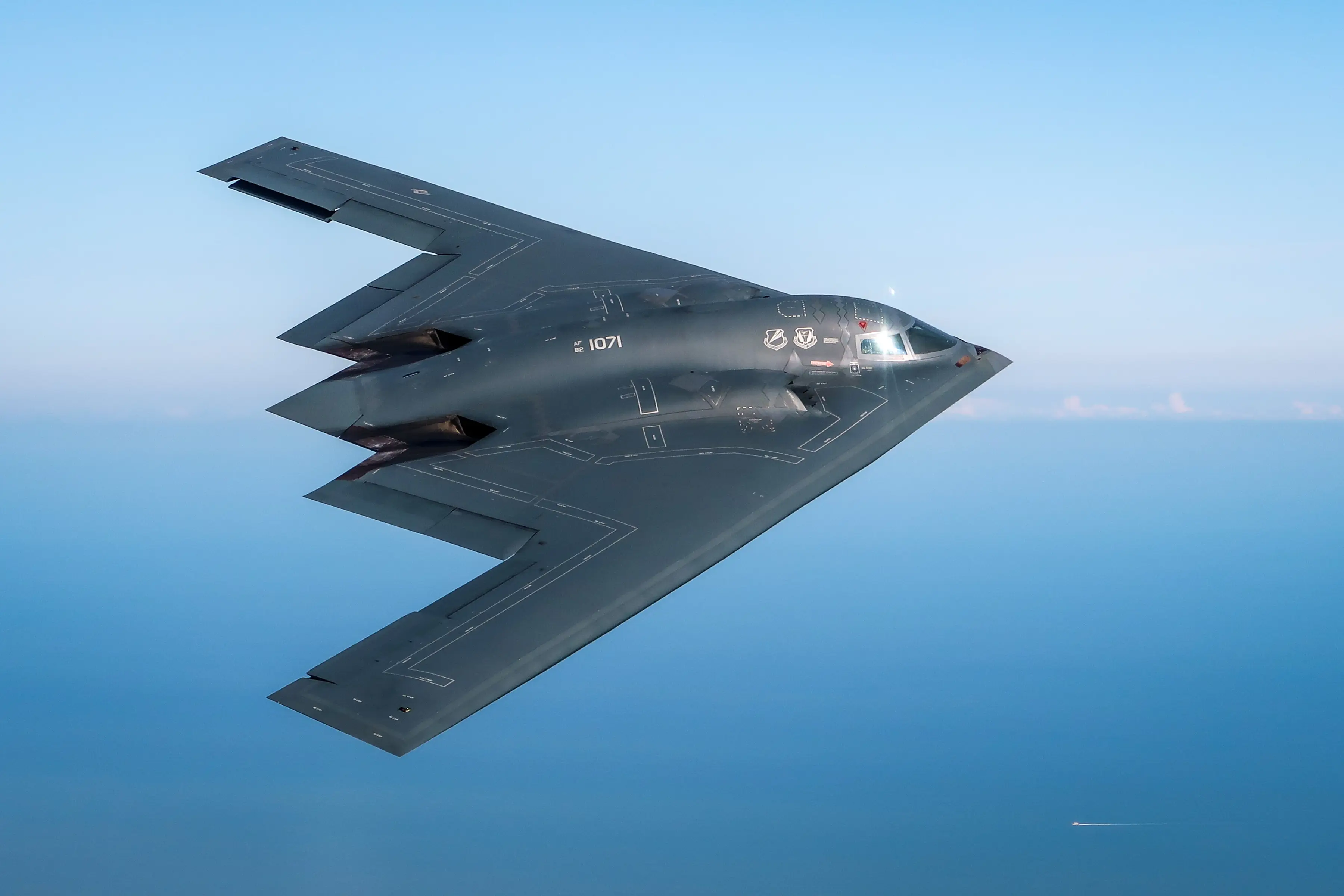
The B-21 Raider is unmistakably a flying wing — the same basic configuration as the B-2. From a distance, the two aircraft look similar. But the B-21 is smaller than the B-2, with a shorter wingspan. The surface treatments, inlet designs, and exhaust configurations incorporate three decades of advances in stealth technology. The B-21 was designed with a ‘digital century’ approach: the aircraft is built to be upgraded continuously through software rather than requiring physical modifications, a fundamental departure from how the B-2 was maintained.
What They Fixed From The B-2
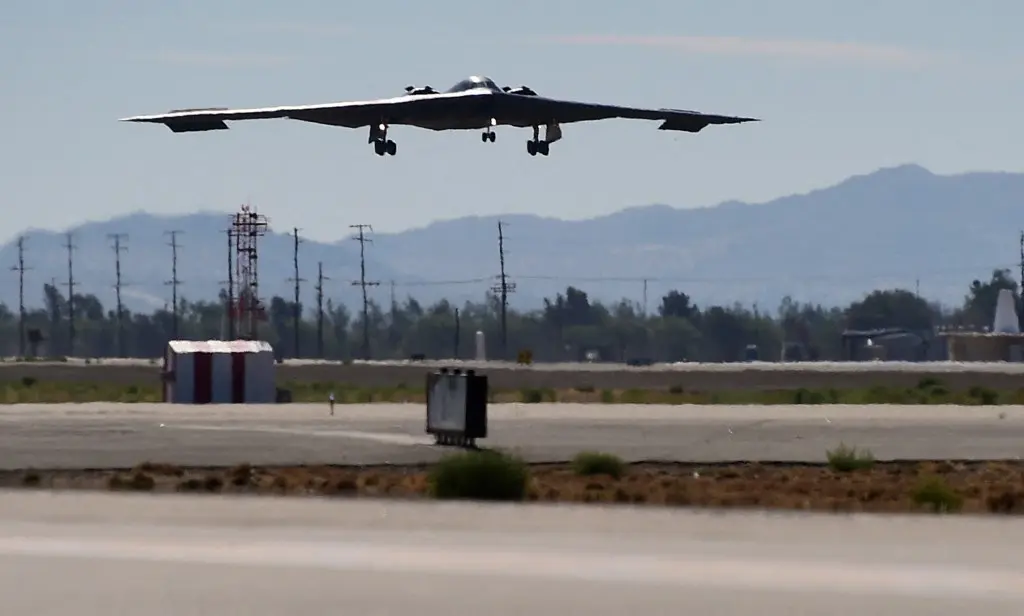
The B-2's maintenance burden — particularly the environmental sensitivity of its radar-absorbing coating — was one of the programme's most significant operational limitations. The B-21 uses improved materials and surface treatments designed to be more durable and less sensitive to environmental conditions. The goal is dramatically lower maintenance costs per flight hour. Additionally, the B-21 is designed with a more open architecture for avionics, making it easier to integrate new sensors, weapons, and communications systems as technology evolves — something the B-2's closed architecture made extremely difficult.
The Optionally Unmanned Future
The B-21 was designed from the outset to be ‘optionally unmanned’ — meaning it can fly with a crew or, in future configurations, without one. The Air Force has not committed to deploying unmanned B-21s in the near term, but the capability is built into the architecture. This is a fundamental shift from the B-2, which was always designed as a crewed aircraft. An unmanned B-21 could fly even longer missions than the B-2, penetrate even more heavily defended airspace, and eliminate the human endurance constraints that shape B-2 mission planning.
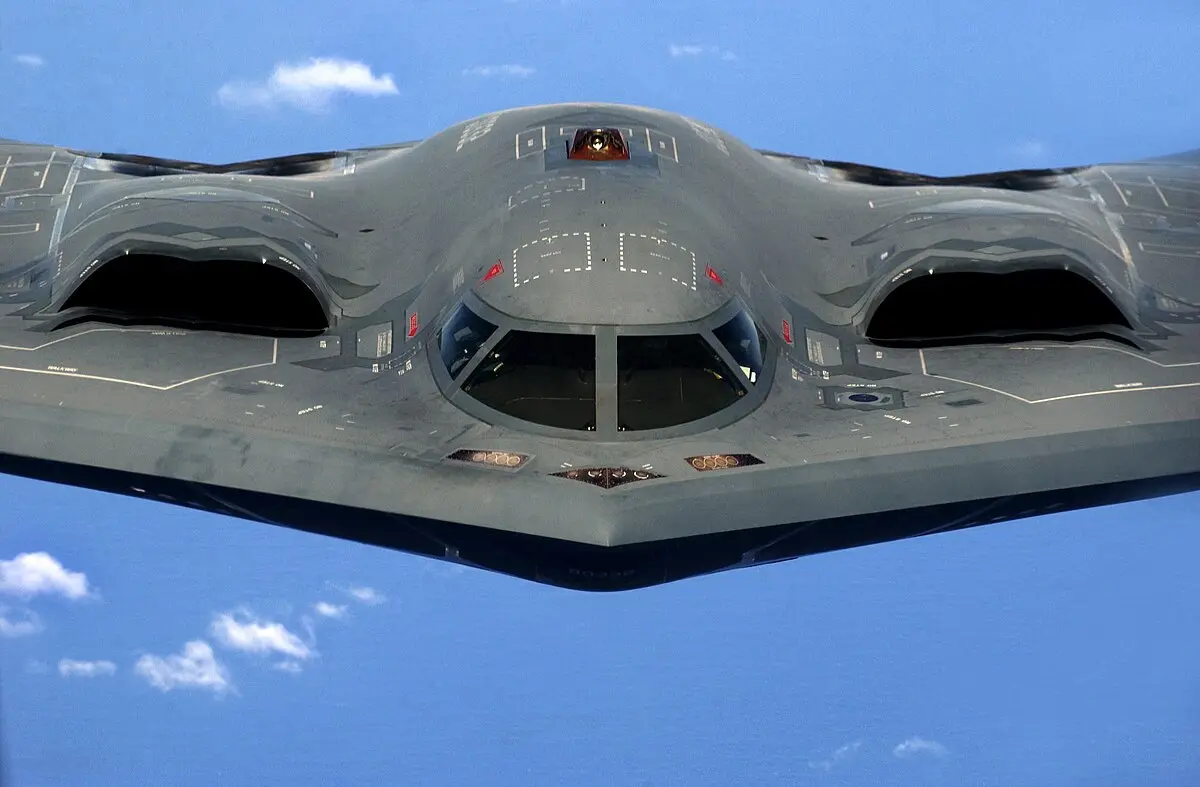
The Price: $700 Million Per Aircraft
The B-21's unit cost is estimated at approximately $700 million per aircraft — dramatically less than the B-2's $2.1 billion, but still among the most expensive aircraft in the world. The lower per-unit cost reflects two things: a larger production run that spreads development costs over more aircraft, and design choices that deliberately prioritised affordability and maintainability over the pursuit of maximum stealth performance at any cost. The Air Force intends to procure at least 100 B-21s, and some analyses suggest the final number could reach 200.
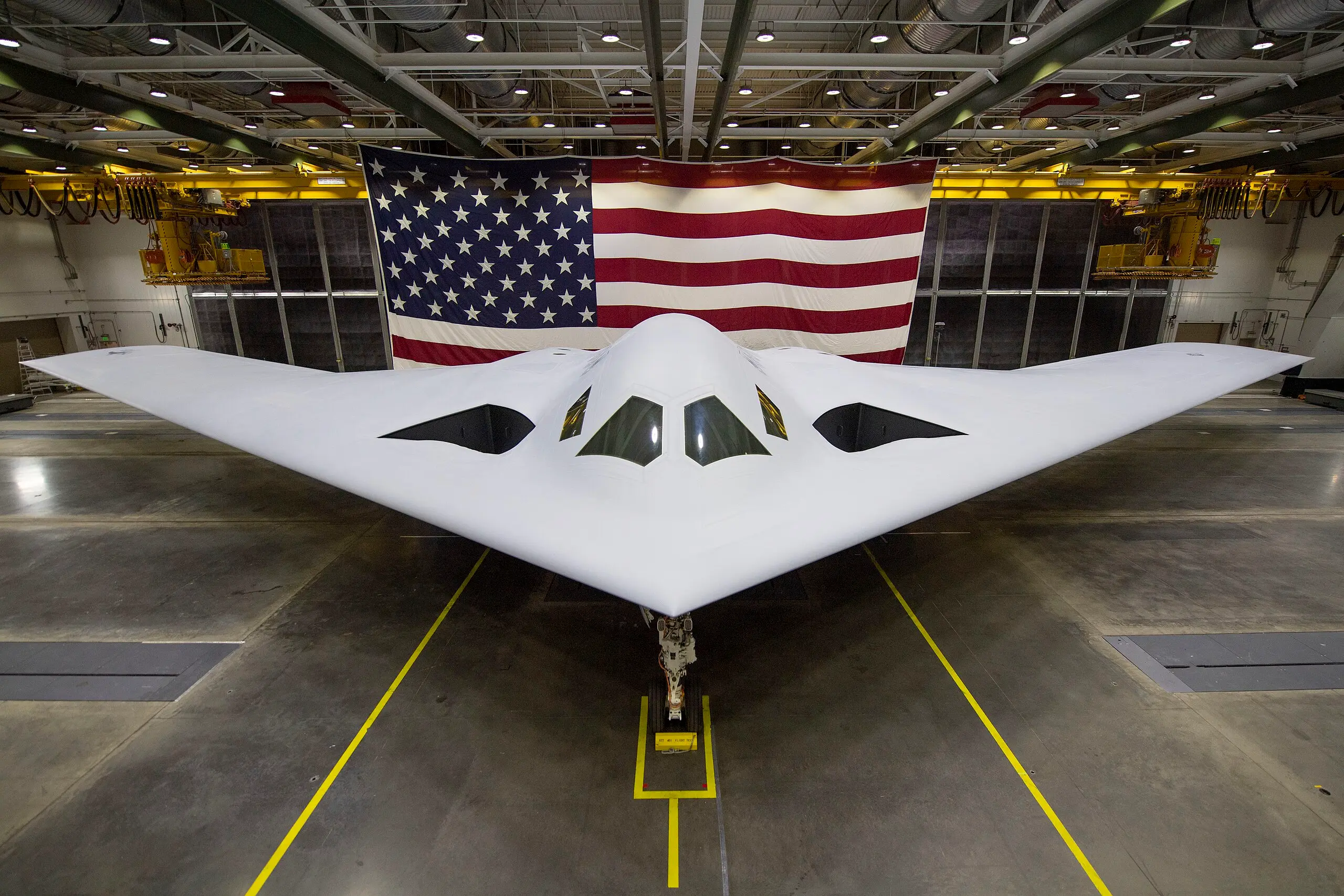
Multiple Bases, Not One
Unlike the B-2, which is concentrated at a single base in Missouri, the B-21 fleet will be distributed across multiple bases. Ellsworth Air Force Base in South Dakota has been confirmed as the first B-21 base. Additional bases are planned. The combination of larger numbers and geographic distribution addresses one of the B-2's most significant strategic vulnerabilities: the single-point-of-failure problem of having an entire capability concentrated at one location. A B-21 fleet of 100 aircraft at multiple bases is a fundamentally more survivable force than 20 B-2s at Whiteman.
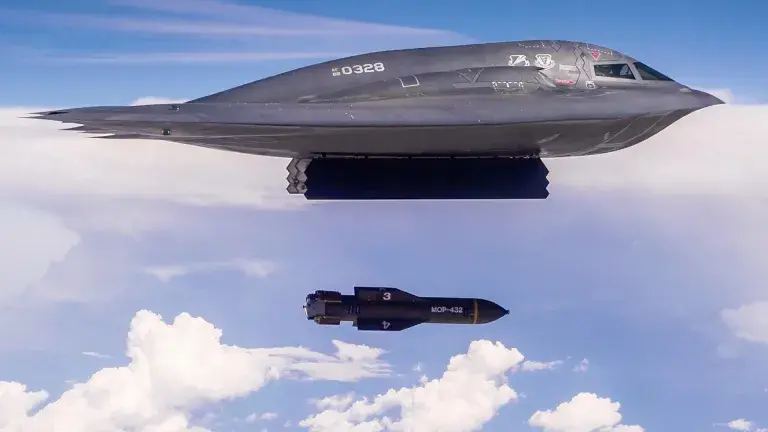
When The B-2 Retires
The B-2 is expected to begin retiring in the mid-2030s as the B-21 fleet grows large enough to assume the full stealth penetrating bomber mission. The exact retirement timeline will depend on B-21 production rates and the pace at which the new aircraft achieves full operational capability. Until that transition is complete, the two aircraft will fly in parallel — the B-2 handling current operational requirements while the B-21 builds its fleet and qualifies its crews. After nearly four decades of service, the B-2 will eventually give way to the aircraft that was built to replace it — a replacement that looks almost exactly like it, but that the Air Force can finally afford to build in meaningful numbers.
)
)
)
)
)