'44 hours in a cockpit with no room to stand': What two B-2 pilots actually do on the world's longest combat mission

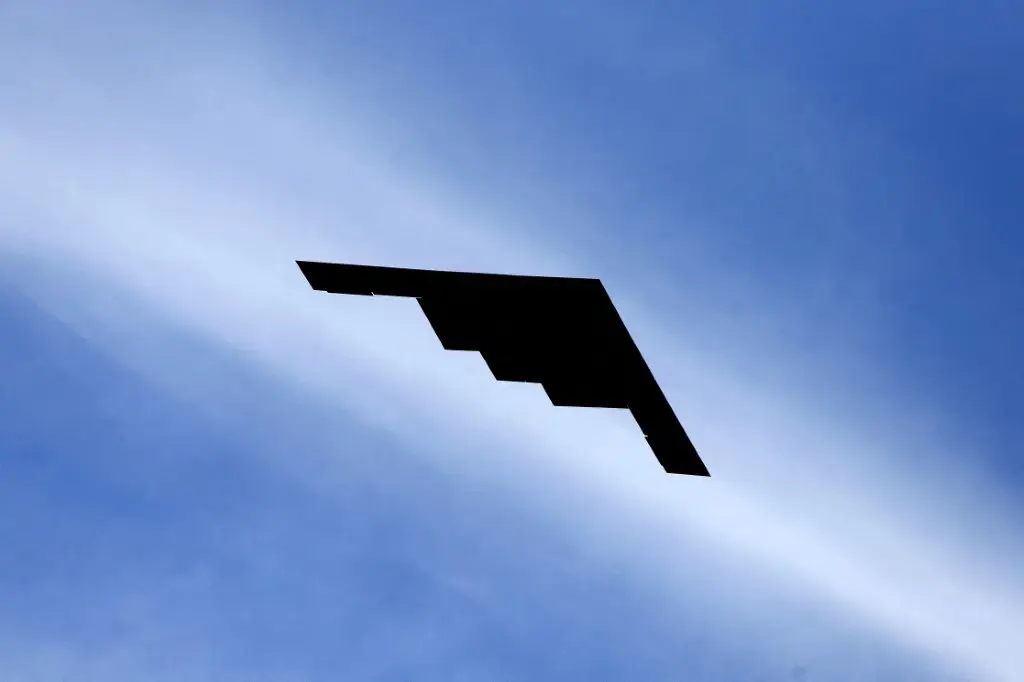
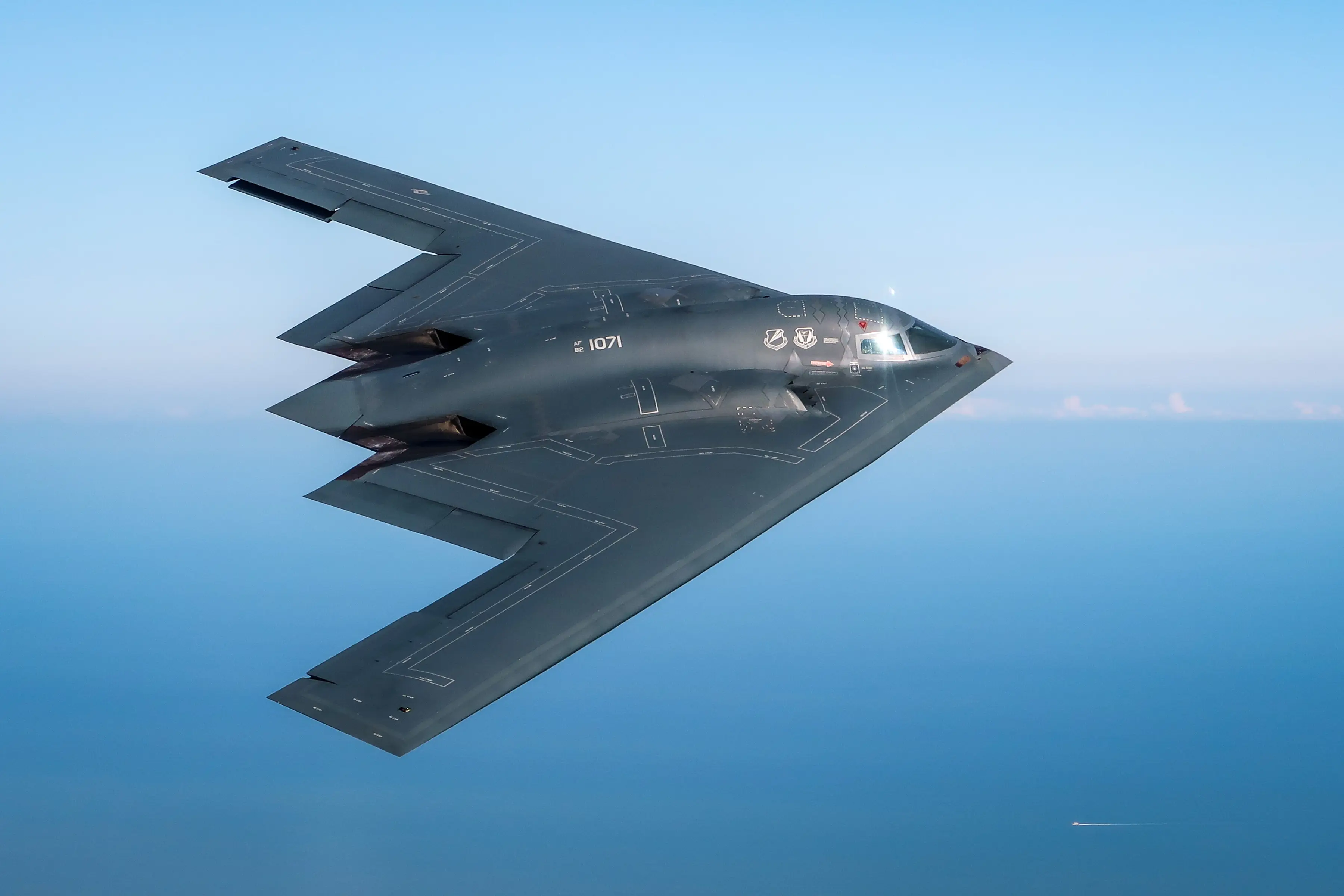
When a B-2 Spirit flies its signature ultra-long missions — 30, 40, even 44 hours from Missouri to a target and back — two people are locked inside a cockpit the size of a large SUV for the entire duration.
The Cockpit That Becomes Your World
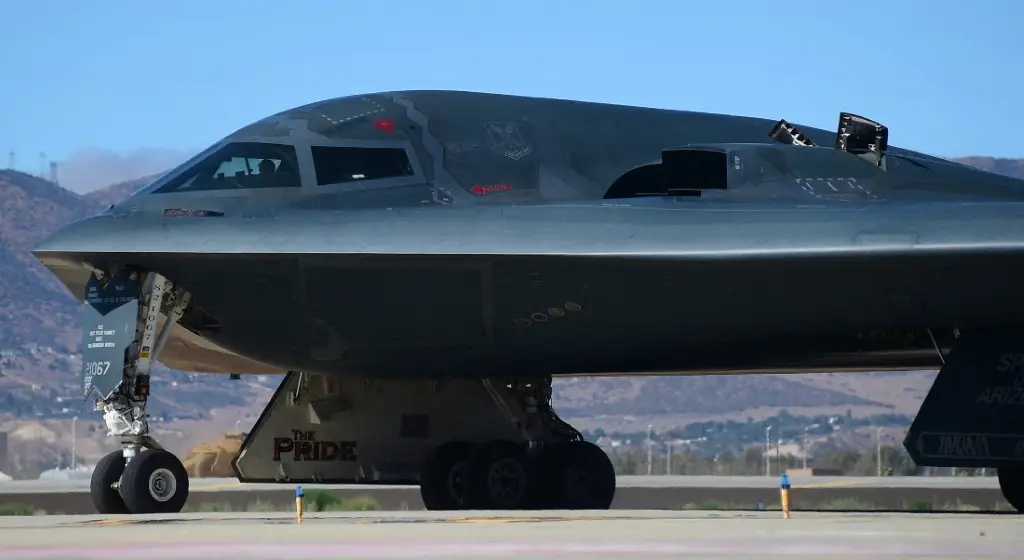
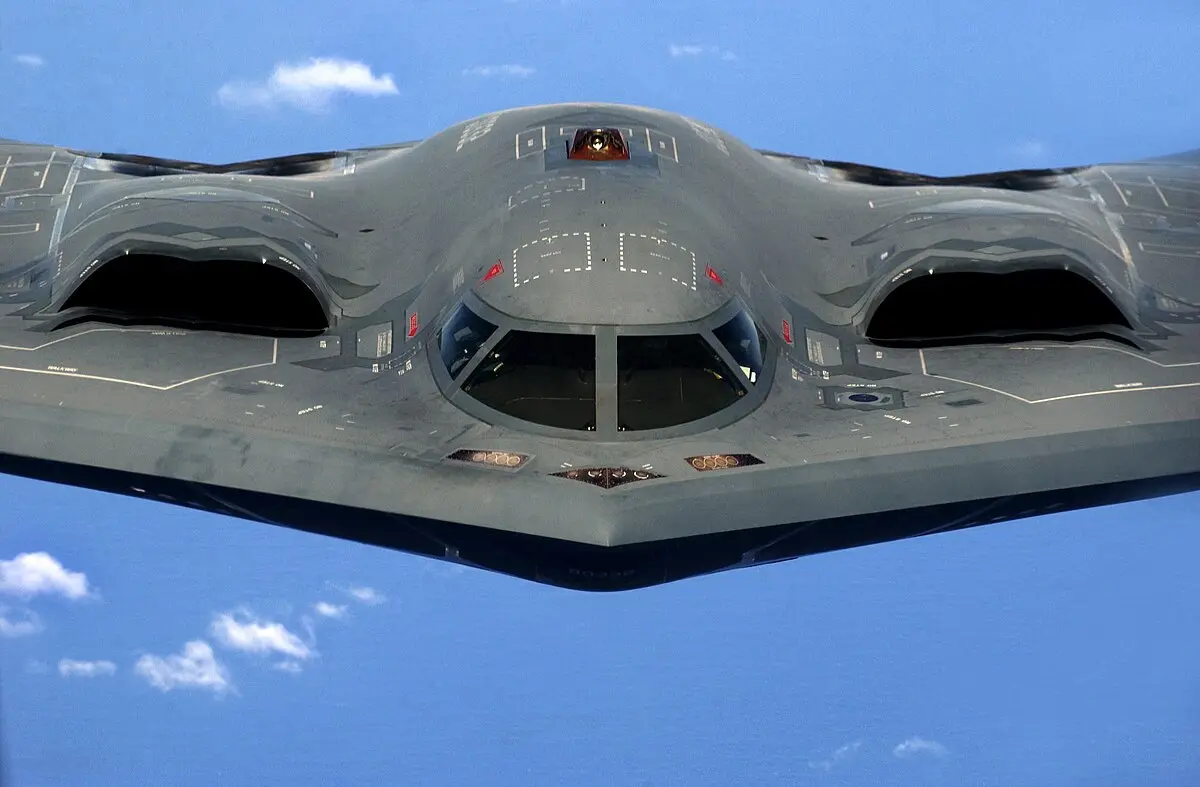
The B-2's cockpit seats two crew members side by side: a pilot and a mission commander. The space is functional and well-designed by military standards, with digital displays, ergonomic seating, and all controls within reach. But it is not large. For a mission lasting 44 hours, the cockpit is essentially the crew's entire universe — the place where they eat, manage fatigue, handle every system failure, and spend the hours between refuellings waiting for something to happen.
The Crew Rest Area
Behind the cockpit is a small crew rest area — a fold-down cot, essentially, where one crew member can lie down while the other manages the aircraft. The B-2's fly-by-wire system handles much of the routine flying autonomously, which makes this rotation possible. In practice, crew rest on a long mission is not sleep in any meaningful sense. It is 90 minutes of lying horizontal in a noisy, vibrating aircraft at altitude, with full awareness that you will be needed again shortly. Pilots describe it as ‘managed fatigue’ rather than actual rest.
What They Eat
B-2 crews on long missions eat military meal packages — self-heating pouches that can be prepared without leaving the seat. The aircraft has a microwave. Menus are planned in advance based on mission length. Caloric intake is managed carefully because both under-eating and over-eating affect cognitive performance, and cognitive performance is the only thing keeping the mission on track. Crews report that by hour 30, food is fuel and nothing more — the idea of enjoying a meal becomes abstract.
The Bathroom Problem
The B-2 has a chemical toilet behind the cockpit. Using it requires the other crew member to manage all aircraft systems alone for the duration. On a long mission with multiple refuellings, weapons releases, and system monitoring requirements, this timing matters. Crews plan bathroom breaks around quieter phases of the mission. The human logistics of a 44-hour flight are not discussed in Air Force press releases, but they are a real operational planning consideration for every ultra-long sortie.
The Hardest Hours
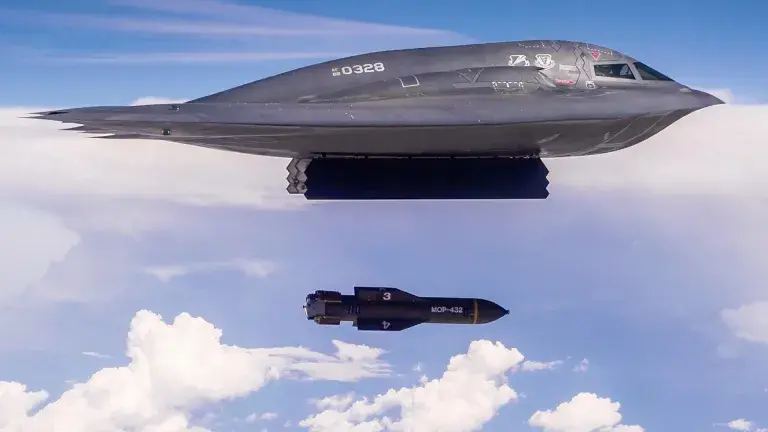
Pilots who have flown ultra-long B-2 missions consistently identify the same phase as the most difficult: the return leg, after weapons have been released. The mission is functionally complete. The target has been struck. But 10 or 12 hours of flying remain before landing at Whiteman. The psychological shift from active mission mindset to long transit home, combined with accumulated fatigue across 30-plus hours, creates a particular kind of endurance challenge that no simulator fully replicates.
Staying Alert When Alert Is Everything
The B-2 crew cannot afford cognitive degradation. Aerial refuelling — which happens multiple times on an ultra-long mission — requires precise manual flying within feet of a tanker aircraft. A moment of inattention at the refuelling boom can destroy both aircraft. Crews use structured fatigue management protocols: strictly timed rest rotations, caffeine management, conversation requirements, and cross-checks. The Air Force has studied human performance on B-2 ultra-long missions extensively, and the results shape training for every crew.
What It Feels Like To Land After 44 Hours
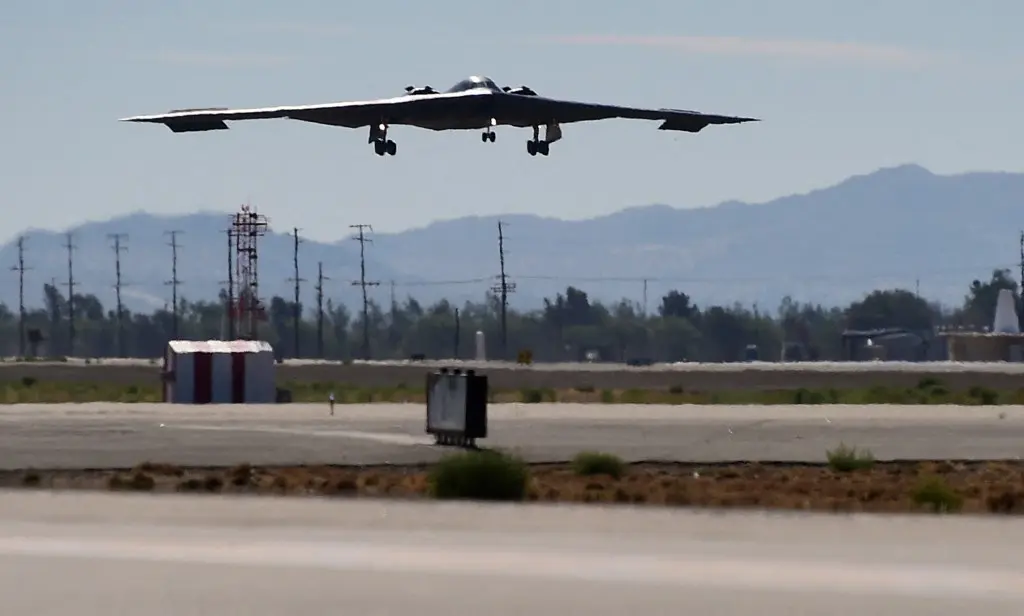
Pilots who have completed 44-hour missions describe the landing as surreal. The body has been sitting in the same position, in the same controlled environment, for nearly two days. The legs do not work properly for the first few minutes after climbing out. The transition from the mission — which demanded total focus — to standing on a Missouri tarmac at dawn or dusk is described as abrupt and disorienting. Debrief follows immediately. Sleep comes later. The next mission will come when the aircraft is ready, and the crew has recovered. Which, in the B-2 world, is usually sooner than anyone would prefer.
)
)
)
)
)