How a B-2 bomber makes nuclear deterrence different?

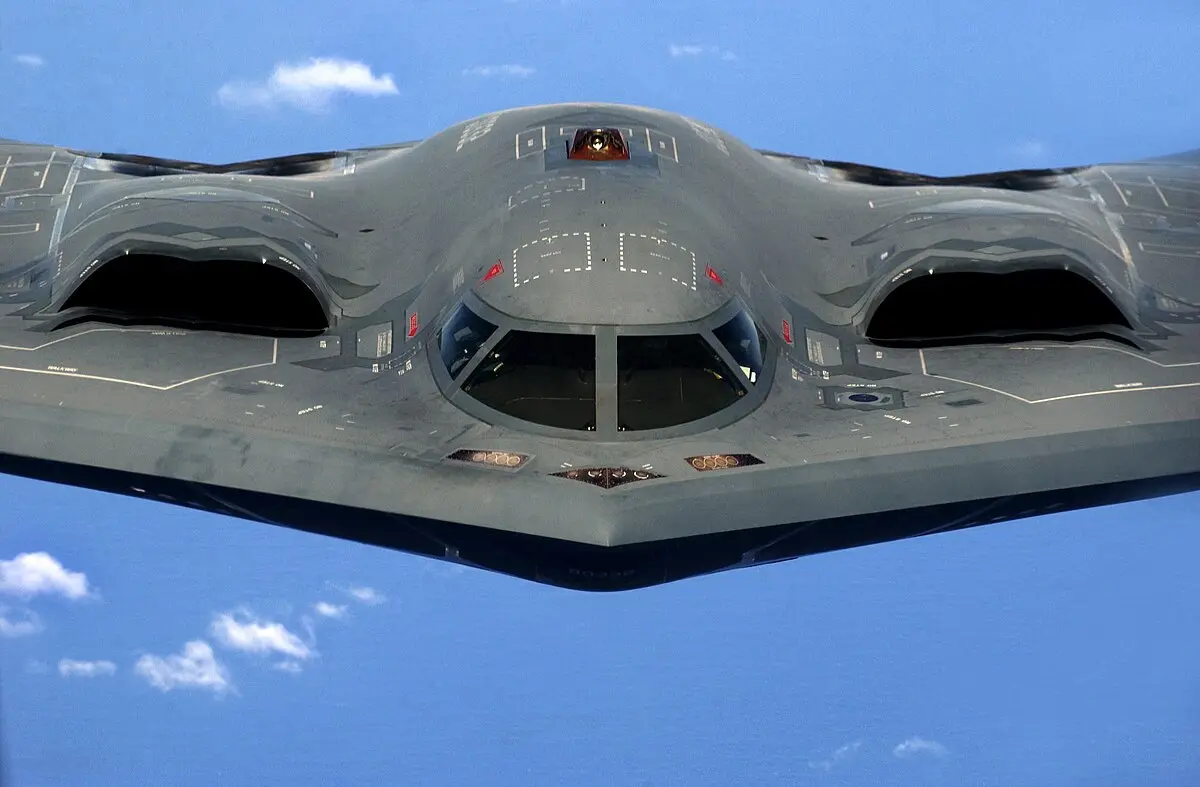
It is a certified nuclear delivery platform, one of three legs of America's nuclear triad, and the only aircraft in the US inventory capable of delivering nuclear gravity bombs into heavily defended airspace without being detected.
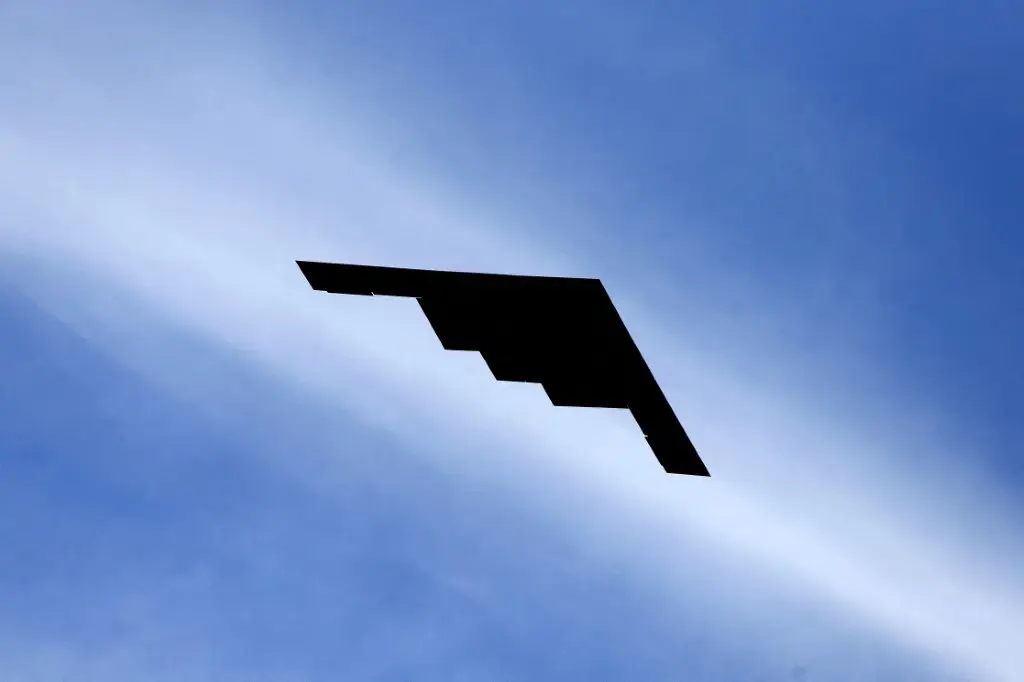
The Nuclear Triad And Where The B-2 Fits
The United States maintains its nuclear deterrent across three delivery systems: land-based intercontinental ballistic missiles in silos across the American West, submarine-launched ballistic missiles carried by Ohio-class submarines, and aircraft-delivered nuclear bombs and cruise missiles. The aircraft leg of the triad — known as the ‘bomber leg’ — currently rests primarily on the B-2 Spirit and the B-52. The B-2's role is specifically to deliver nuclear gravity bombs against targets that are hardened, defended, or otherwise resistant to missile-delivered warheads.
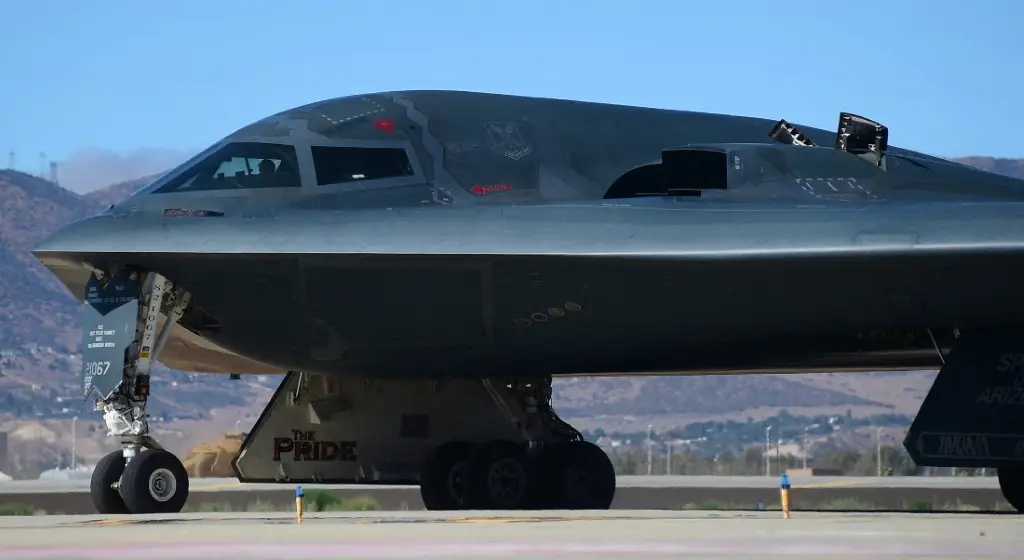
The B61-12: The Bomb The B-2 Carries
The primary nuclear weapon the B-2 is certified to deliver is the B61-12 nuclear gravity bomb — the most advanced nuclear gravity bomb in the US arsenal. The B61-12 is a precision-guided weapon: it uses a tail kit to steer itself to a GPS-designated target, giving it an accuracy of approximately 30 metres. This precision allows the weapon to achieve the same destructive effect on a target as a much larger warhead delivered less accurately. The B61-12's yield is variable — the pilot can select from multiple yield options before release, ranging from a few kilotons to over 50 kilotons.
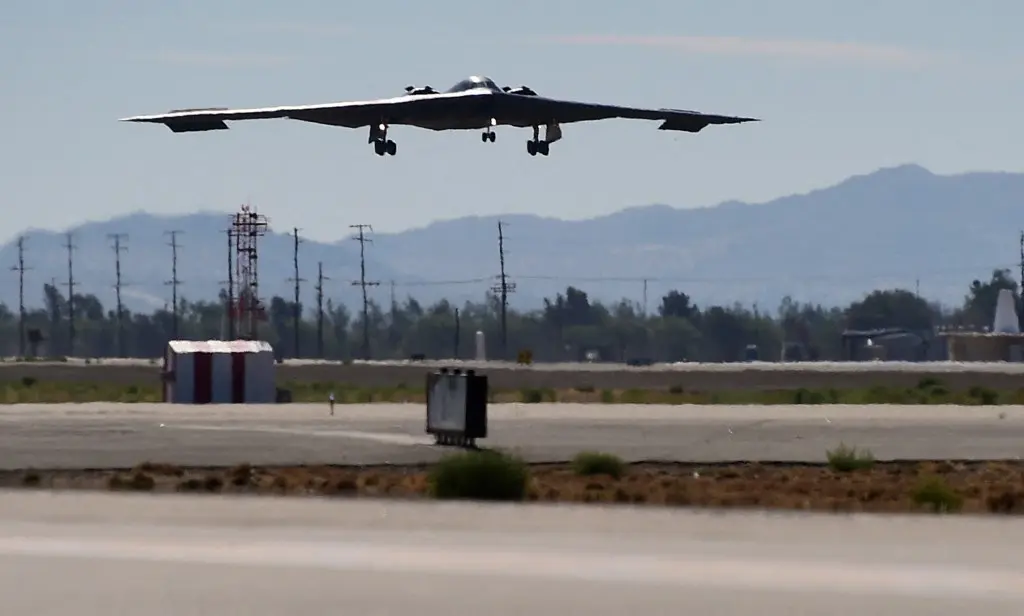
Why Stealth Changes Nuclear Deterrence
Nuclear missiles are launched from known locations and follow predictable trajectories. Missile defence systems — however imperfect — are designed to intercept them. A stealth aircraft delivering a nuclear gravity bomb approaches its target from an unpredictable angle, at an unpredictable time, with no launch signature that triggers early warning systems. There is no ballistic trajectory to calculate, no flame plume from a missile motor to detect from space. The B-2 adds an element of uncertainty to nuclear deterrence that ballistic missiles cannot provide: the enemy does not know it is coming until it has already arrived.
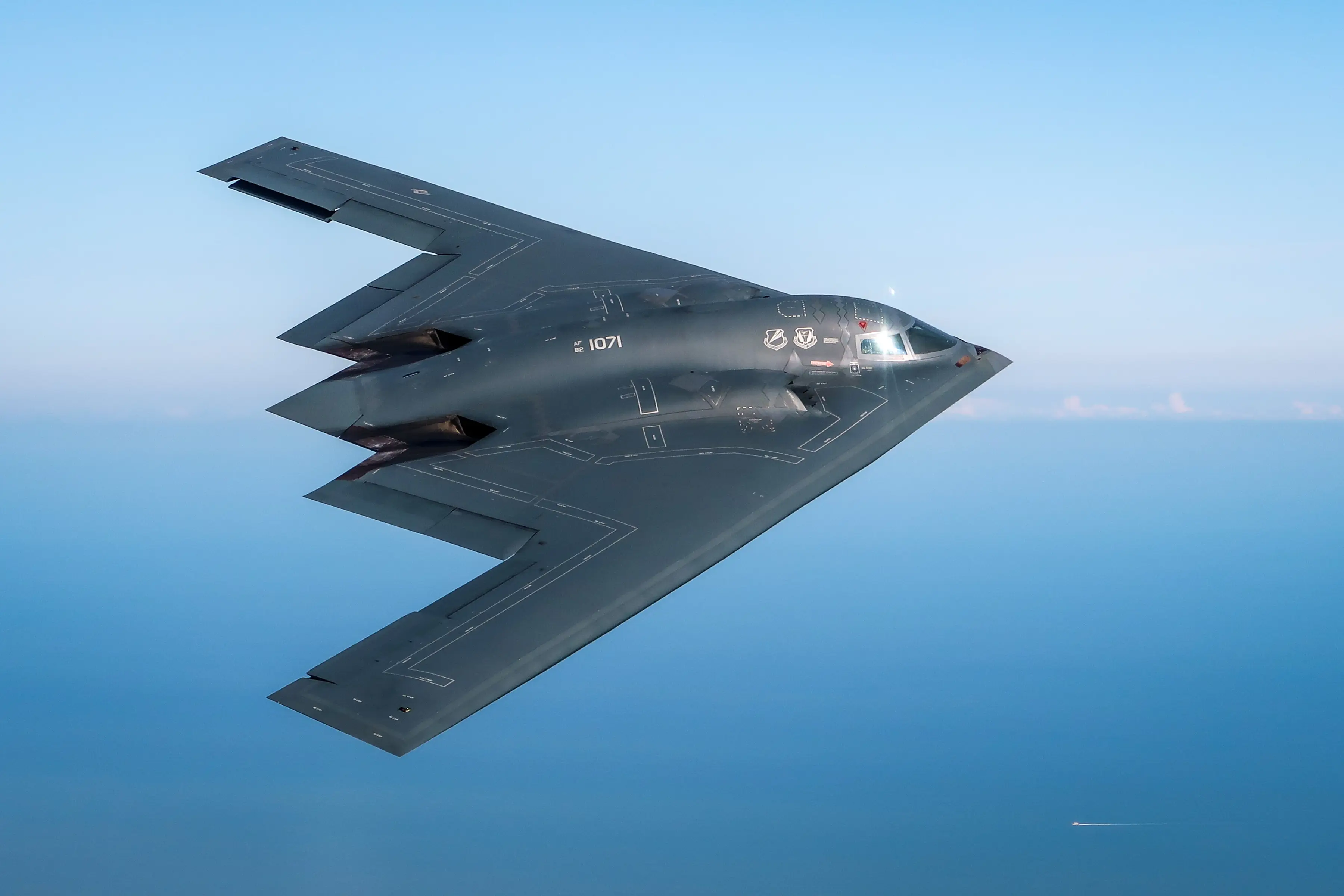
The Release Authority Process
No B-2 pilot can decide to release a nuclear weapon independently. The release authority process — known as the Two-Man Rule — requires that two authorised personnel must independently verify and execute each step of the arming and release sequence. Aboard the B-2, both the pilot and mission commander must be involved. Above them, the order flows from the President through the Secretary of Defense and the nuclear command chain. The physical and procedural safeguards are layered specifically to ensure that no single person, malfunction, or spoofed command can trigger a nuclear release.
Nuclear Training And Certification
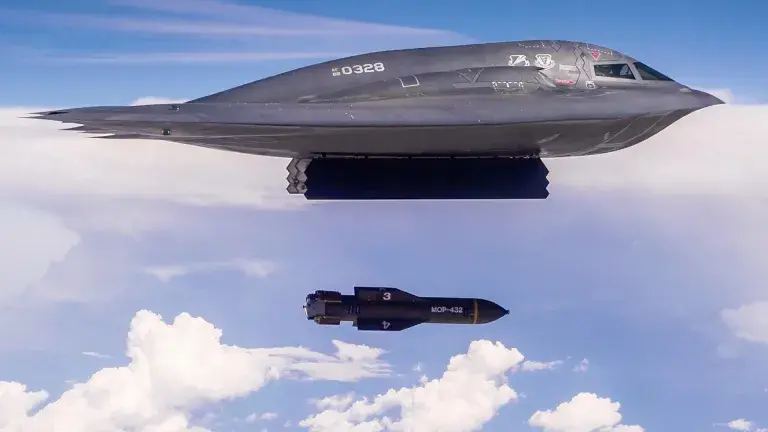
Not every B-2 crew is nuclear-certified. Crews undergo a separate, intensive qualification programme to fly nuclear missions — additional training in the specific procedures, emergency protocols, and communication requirements that nuclear operations demand. Nuclear-certified B-2 crews maintain currency through regular exercises, including exercises involving simulated release of training shapes that replicate the weight, balance, and aerodynamics of actual weapons. The certification process is continuous: crews must demonstrate proficiency at regular intervals to retain their qualification.
The Alert Mission: Ready To Go In Minutes
During the Cold War, US bombers sat on nuclear alert — armed, fuelled, and ready to launch within minutes of an order. That standing alert posture ended in 1991. Today, B-2s are not sitting on alert with nuclear weapons loaded. But the aircraft and crews can be brought to alert status within hours, and nuclear weapons can be loaded and missions launched within a timeframe that military planners describe as ‘responsive.’ The B-2 does not need to be on constant alert to fulfil its deterrence role — its existence as a credible delivery option is sufficient.
What The B-21 Means For Nuclear Capability
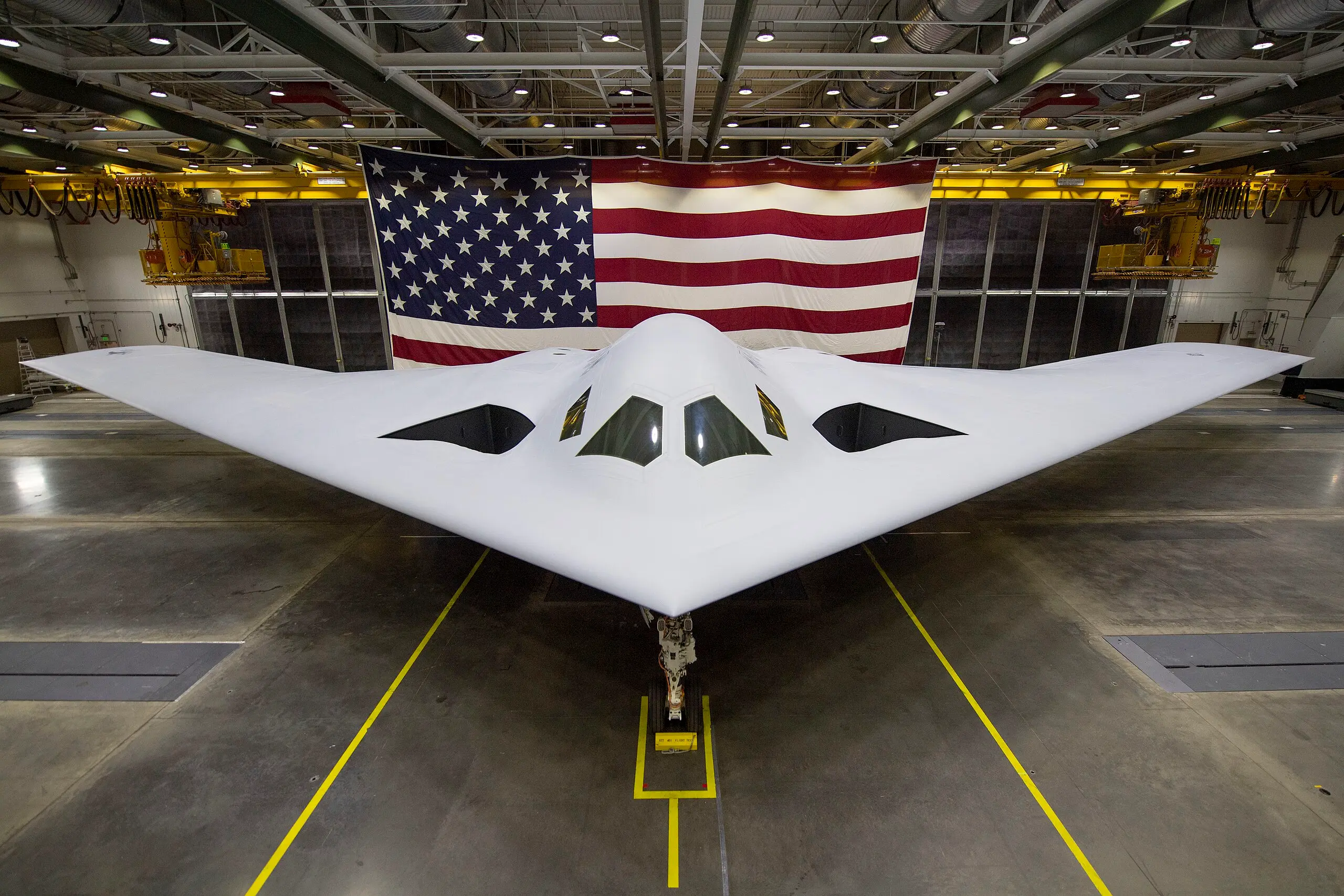
The B-21 Raider, the B-2's eventual successor, is also being developed as a nuclear-certified platform. The Air Force has confirmed that the B-21 will carry the B61-12 and future nuclear weapons. As the B-21 fleet grows, the nuclear bomber leg of the triad will be carried by a newer, more numerous, and more geographically distributed force. The B-2's nuclear role — which it has held since the late 1990s — will transition to the B-21 over the course of the 2030s, maintaining the bomber leg of the triad without interruption.
)
)
)
)
)