It takes 60 people to keep one B-2 flying! Who they are and what they do?

The B-2 Spirit has the highest maintenance burden of any operational aircraft in the US military. For every hour it spends in the air, it spends dozens of hours on the ground being inspected, repaired, tested, and prepared.
The Ratio That Defines The B-2
The B-2 has a maintenance-to-flight-hour ratio that is unlike any other operational combat aircraft. For every flight hour, the B-2 requires approximately 50 to 80 hours of maintenance — a figure that has improved over the aircraft's service life but remains extraordinarily high by any standard. An F-16 requires roughly 20 maintenance hours per flight hour. The B-1B Lancer requires around 60. The B-2 sits at the top of the scale. At any given time, a significant fraction of the B-2 fleet is in scheduled or unscheduled maintenance, unavailable for flight. The ratio of maintenance personnel to aircraft is one of the largest in military aviation.
The Coating Specialists
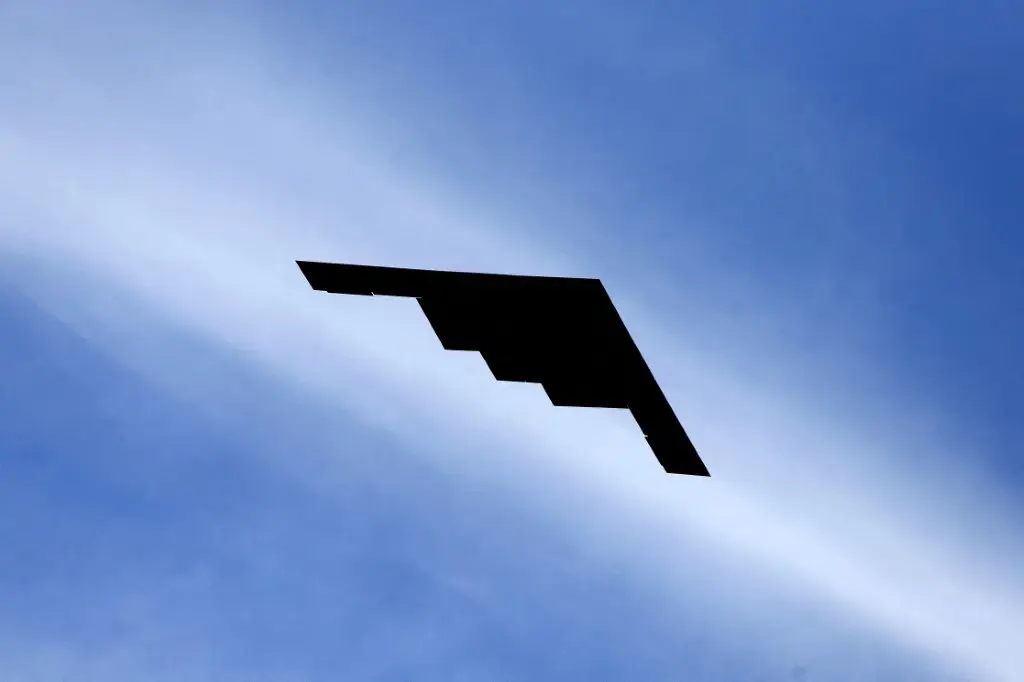
The most distinctive maintenance role in the B-2 programme is the radar-absorbing material specialist — technicians trained specifically in the inspection, repair, and application of the B-2's stealth coating. After every flight, the aircraft's surface is inspected for damage, delamination, moisture penetration, and impact damage from insects, debris, or weather. Damaged sections must be removed and replaced with precision — the coating must be applied in specific thicknesses and cured under controlled conditions. These technicians work with materials and processes that exist nowhere else in aviation. Their training is unique to the B-2 programme.
The Climate System Crews
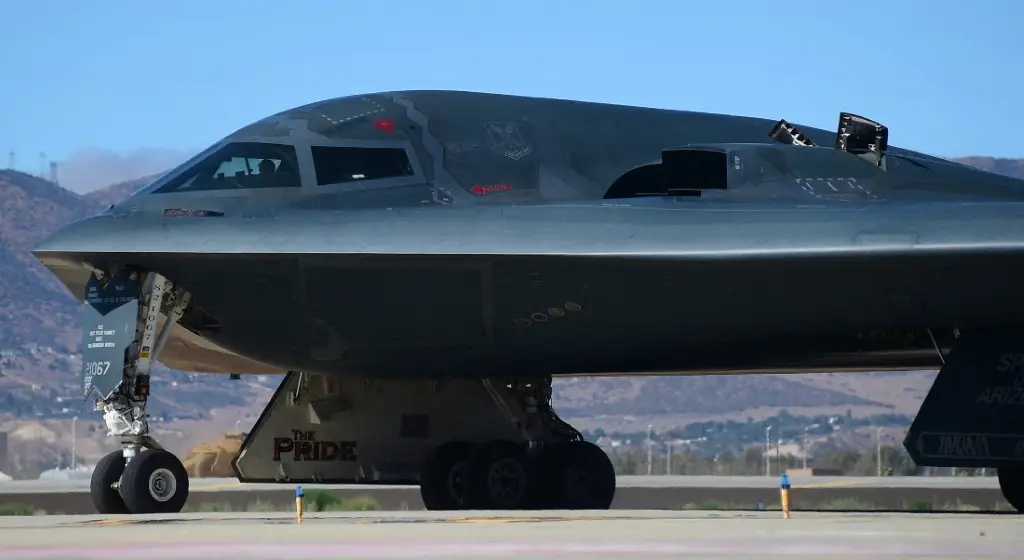
The B-2's hangars at Whiteman maintain specific temperature and humidity levels at all times — requirements that demand their own dedicated technical staff. The environmental control systems for a B-2 hangar are complex industrial installations, not standard HVAC equipment. Technicians monitor and maintain these systems continuously. When the B-2 deploys overseas, a team must travel ahead to establish and operate equivalent environmental conditions at the destination. Climate control is not a support function for the B-2 — it is a core maintenance requirement without which the aircraft cannot be kept ready.

The Avionics Teams
The B-2's mission systems — the radar, the electronic warfare suite, the weapons management computer, the navigation systems, the stealth management software — are maintained by avionics specialists who work on systems found in no other aircraft. Some of these systems date to the 1980s in their underlying architecture. Others have been modernised with updated hardware running on the same basic interfaces. The avionics teams must maintain expertise in legacy systems while integrating upgrades — a combination of old and new that creates unique training and documentation challenges.
The Weapons Loading Teams
Loading weapons onto a B-2 is not a standard procedure. The aircraft's weapons bays require specific loading sequences, specific ground handling equipment, and specific safety protocols for the range of weapons the B-2 can carry — from conventional JDAMs to the massive GBU-57 bunker buster to nuclear gravity bombs. Nuclear loading procedures involve separate certified teams, additional safety personnel, and a procedural rigour that goes beyond conventional weapons loading in every respect. Weapons loading teams train extensively and certify regularly for each weapon type.
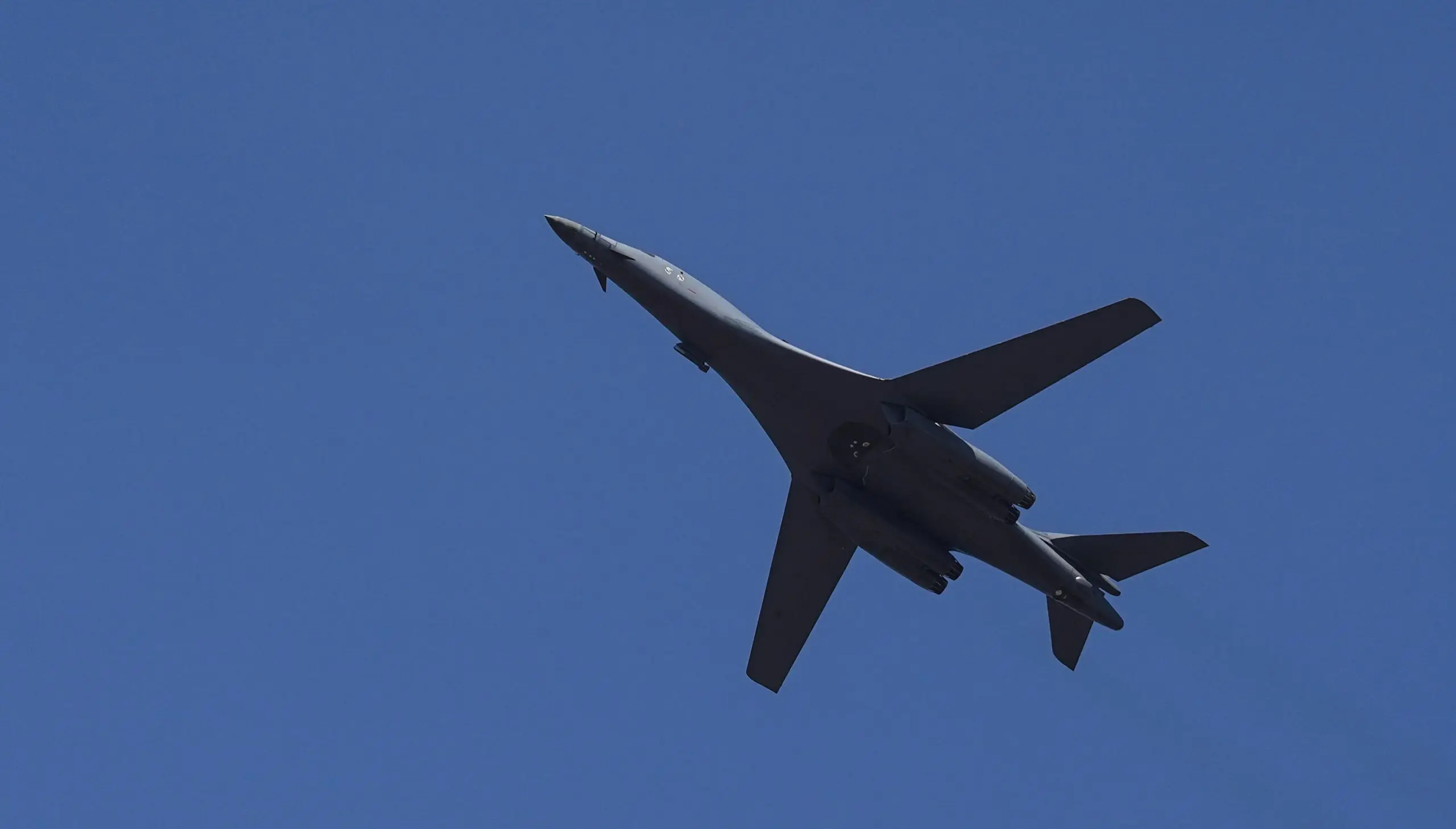
The People Nobody Talks About
Beyond the technical specialists are the support personnel whose roles are less visible but equally essential: the fuel system technicians who manage the B-2's complex internal fuel arrangement, the engine technicians who service the four GE F118 engines without exposing the buried installation to unnecessary inspection, the egress system specialists who maintain the ejection seats and canopy systems, the communications technicians who manage the aircraft's classified data links and communications equipment. Each role requires specific training. Each specialist is a small, essential part of a machine that only functions when all its parts work.
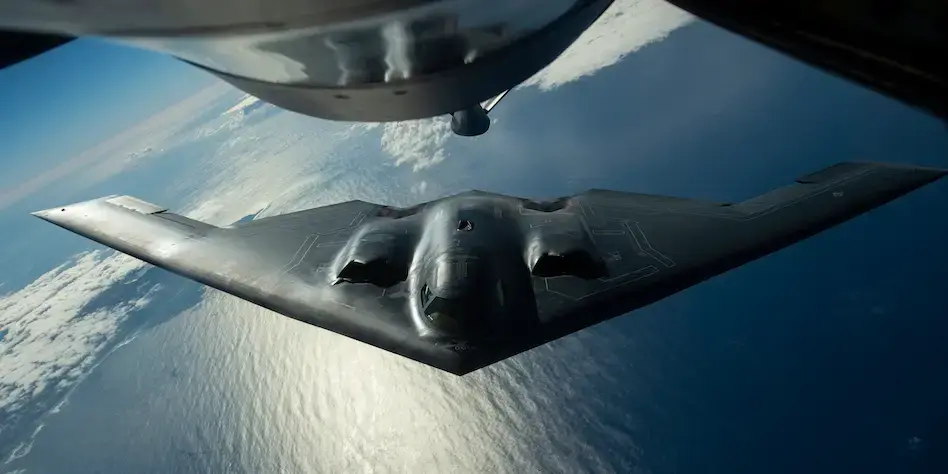
What A Bad Day In The Hangar Costs
When a B-2 is grounded by a maintenance finding, the cost is not just the lost mission. A grounded B-2 is one-twentieth of America's penetrating stealth bomber force unavailable. Maintenance findings that ground an aircraft for weeks — a coating delamination requiring extensive repair, an avionics fault requiring component replacement from a limited spare pool, an engine issue requiring access to the buried powerplant — reduce the operational availability of a fleet that is already small. The maintenance teams at Whiteman operate with an awareness that their work directly determines how many of America's 20 B-2s are actually ready to fly on any given day.
)
)
)
)
)