'Night to Libya And Back': How US opened a war nobody expected with a plane nobody saw coming

On March 20, 2011, the United States joined NATO's intervention in Libya's civil war. The first strikes of Operation Odyssey Dawn were not launched from an aircraft carrier off the coast or from a base in Europe.
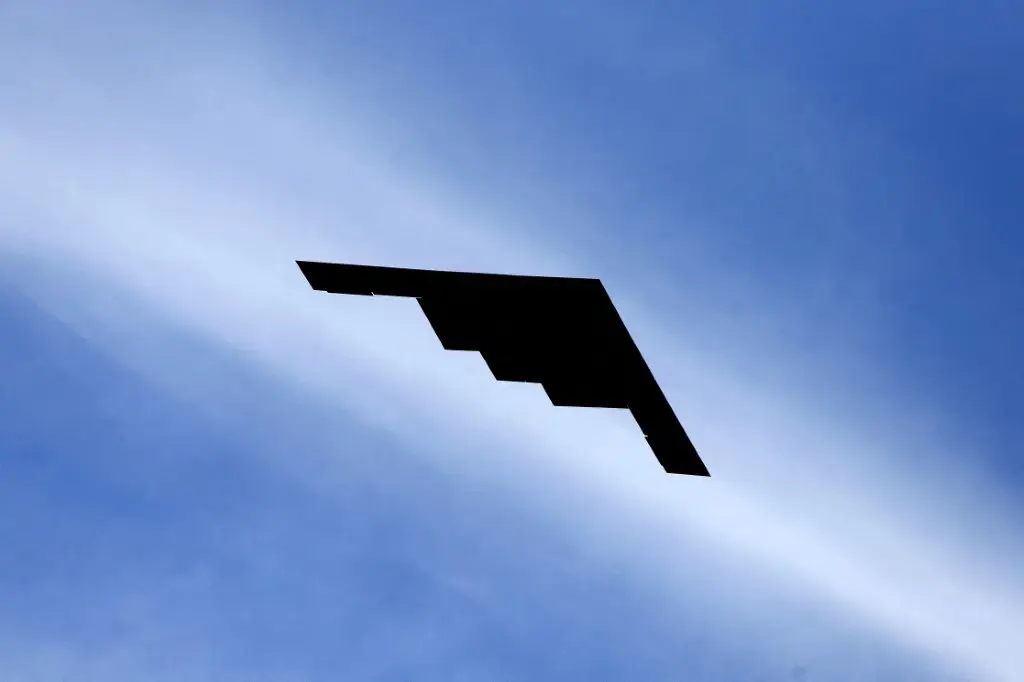
Why Libya Needed The B-2
When NATO decided to enforce UN Resolution 1973 — establishing a no-fly zone over Libya and authorising the protection of civilians from Gaddafi's forces — the first priority was eliminating the Libyan Air Force's ability to fly. Libya operated a functional, Soviet-era integrated air defence system including SA-5 surface-to-air missiles with ranges that threatened aircraft at high altitude. On the first night of any campaign, before those defences could be suppressed, only a stealthy aircraft could safely strike Libyan airbases. The B-2 was the answer.
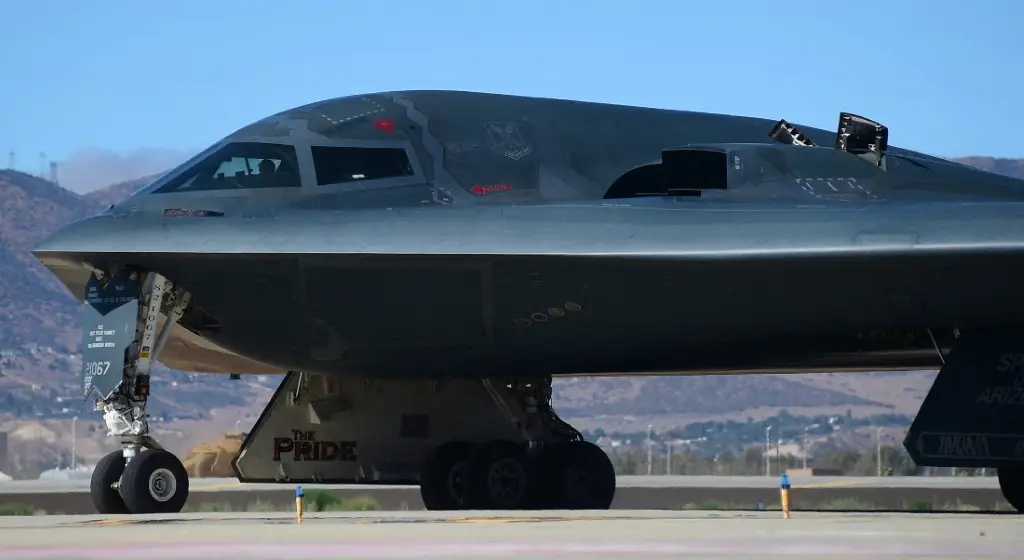
The Mission: 25 Hours, 11,000 Miles
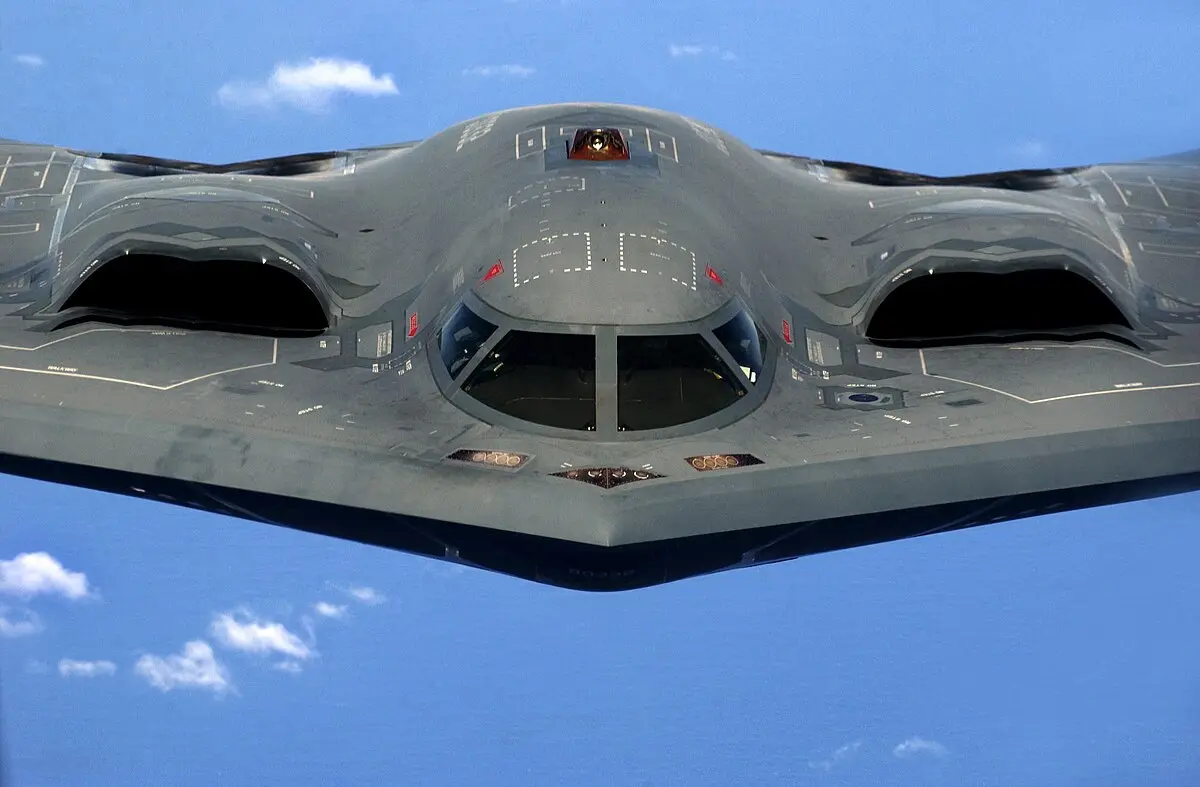
Three B-2s departed Whiteman Air Force Base in Missouri on the evening of March 19, 2011. They flew east, crossing the Atlantic with multiple aerial refuellings from KC-135 tankers. They entered North African airspace without any escort — stealth meant no fighter protection was needed. They struck their targets at Ghardabiya Air Base near Sirte, destroying 22 Libyan aircraft on the ground. They then flew home. Total mission time: approximately 25 hours. Total distance: approximately 11,000 miles round trip. It was the longest combat mission the B-2 had flown since the 2001 Afghanistan campaign.
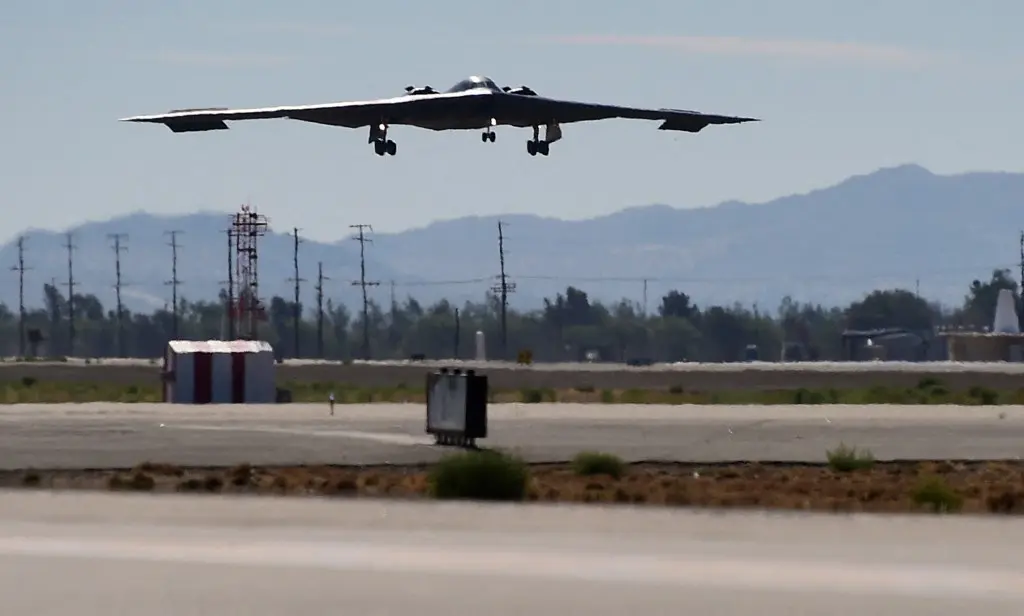
What They Hit And Why It Mattered
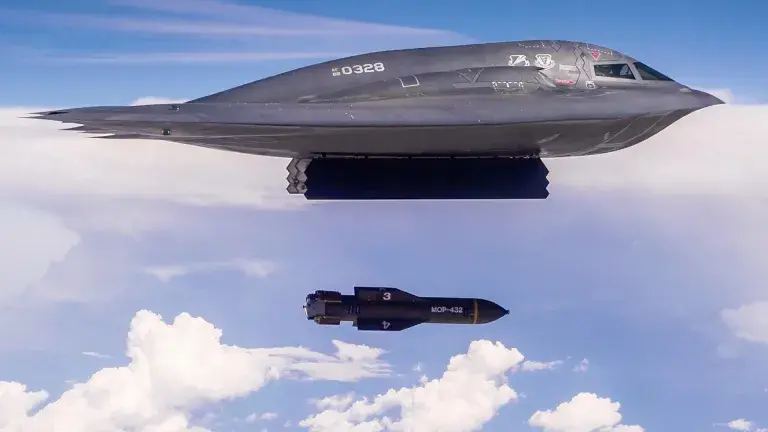
The B-2s struck Ghardabiya Air Base with Joint Direct Attack Munitions — GPS-guided bombs — targeting Libyan Air Force aircraft parked on the ground. The 22 aircraft destroyed represented a significant portion of Libya's functional combat air fleet. By striking them on the ground before they could get airborne, the B-2s effectively eliminated Gaddafi's ability to contest the air in that region before the no-fly zone was even formally established. Subsequent conventional aircraft could then operate over Libya with dramatically reduced air defence risk.
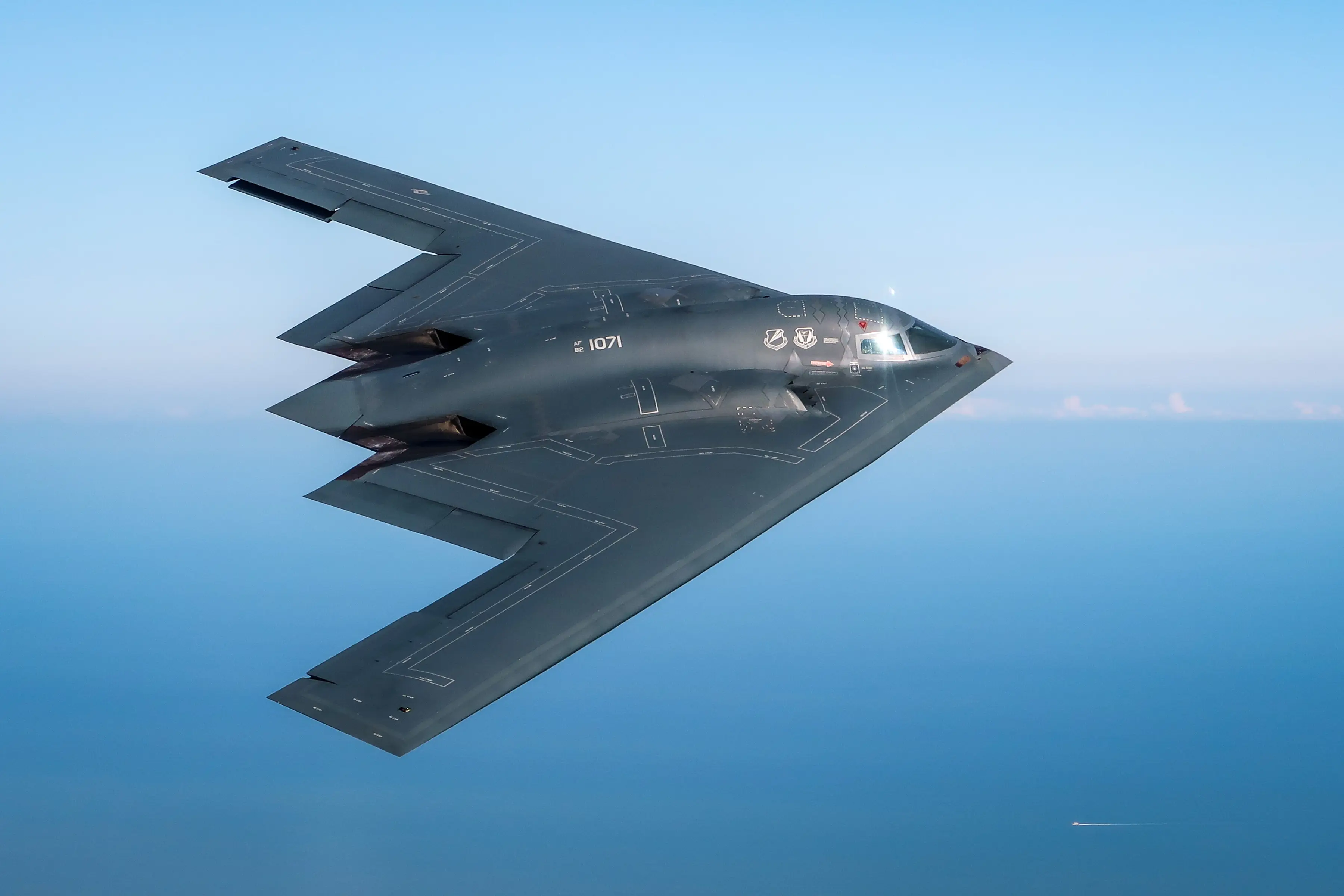
The Parallel: Why Not Use Cruise Missiles?
The same night the B-2s struck Ghardabiya, US and British ships and submarines launched over 100 Tomahawk cruise missiles at Libyan air defence installations across the country. The cruise missiles targeted radar sites, command centres, and surface-to-air missile batteries. The B-2s targeted aircraft on airfields — a mission that cruise missiles perform less efficiently than precision-guided bombs. The opening night of Odyssey Dawn used both tools for what each does best: missiles to suppress defences, stealth bombers to destroy aircraft.
The Logistical Operation Behind Three Planes
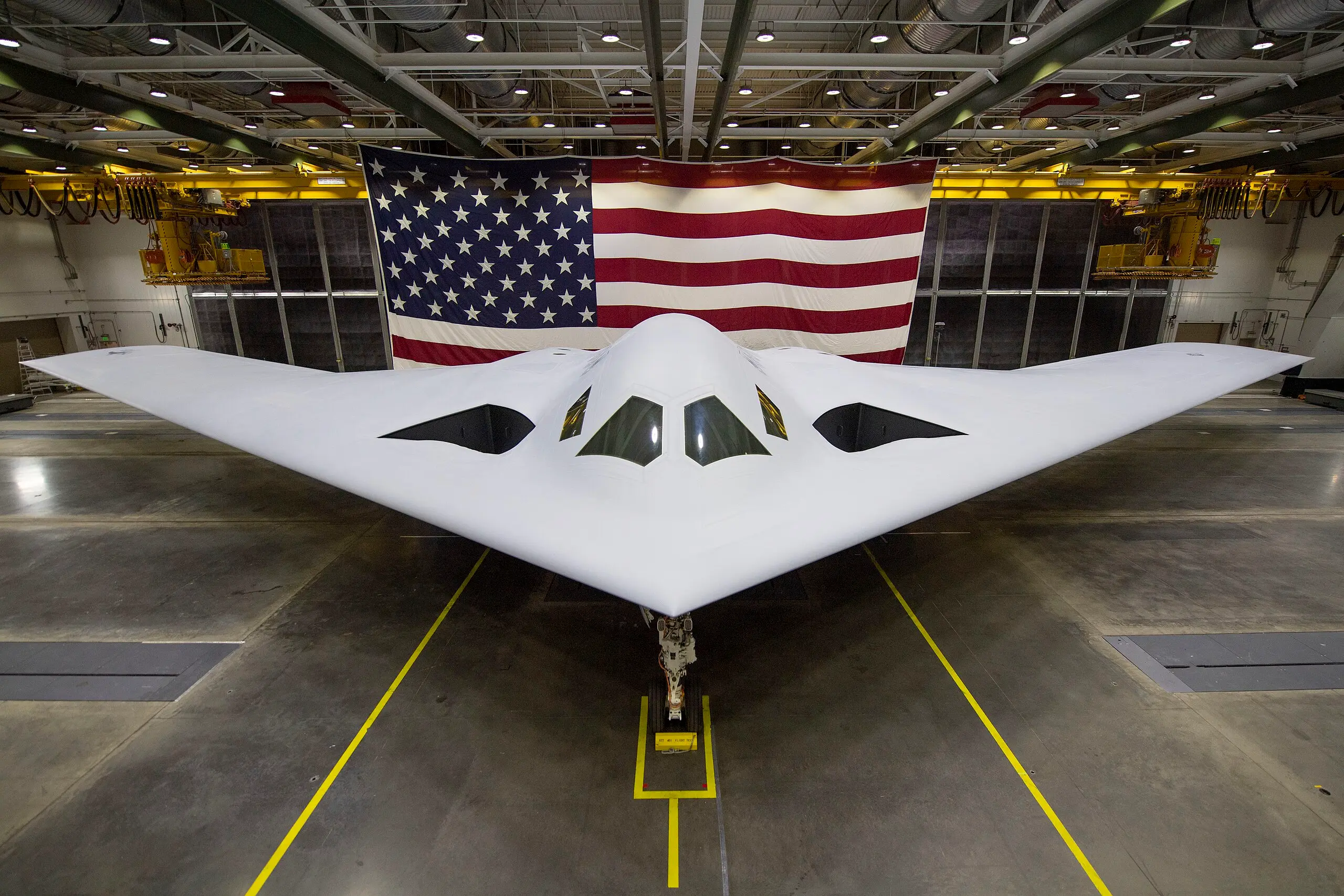
Getting three B-2s from Missouri to Libya required weeks of advance planning. Tanker aircraft had to be positioned along the route. Clearances had to be obtained for overflight of European airspace. Intelligence on Libyan air defences and aircraft locations had to be current enough to load accurate target coordinates into the weapons before takeoff. The mission planning cell at Whiteman worked around the clock. Three aircraft flew. Behind them, hundreds of people made it possible.
Gaddafi's Air Force Did Not Know Until It Was Over
Libya's air defence radar systems detected nothing before the strikes. The B-2's radar cross-section — roughly the size of a large bird — is too small for most operational radar systems to track reliably. Ground observers at Ghardabiya would have heard nothing until the weapons detonated. By the time anyone understood what had happened, the aircraft were already heading north over the Mediterranean on their way home. The combination of stealth and range meant there was no warning, no interception, and no response. The mission was over before Libya knew it had begun.
What The Libya Mission Proved
The 2011 Libya campaign demonstrated something that the Afghanistan and Iraq operations had already suggested: the B-2 is most valuable not as a daily workhorse but as an opener — the aircraft that goes first, before defences are suppressed, to strike targets that would be too dangerous for conventional aircraft to approach. Its role is to create the conditions under which everything else can operate. The Libya mission proved that this role remains viable and relevant even in limited conflicts — not just in the kind of major war the B-2 was originally designed for.
)
)
)
)
)