B-2 bomber flew over North Korea! Here is exactly what that message was, who it was for and whether Kim Jong-Un listened

In March 2013, during a period of heightened tension on the Korean Peninsula following North Korea's third nuclear test, the United States flew B-2 Spirit bombers from Whiteman Air Force Base in Missouri on a round trip to a bombing range near Seoul. The flight lasted approximately 13 hours. No weapons were dropped on North Korea. The mission was not a strike. It was a message — the most expensive and unambiguous message the US Air Force knows how to send. Here is what it meant, who it was aimed at, and what happened next.
The Context: February 2013
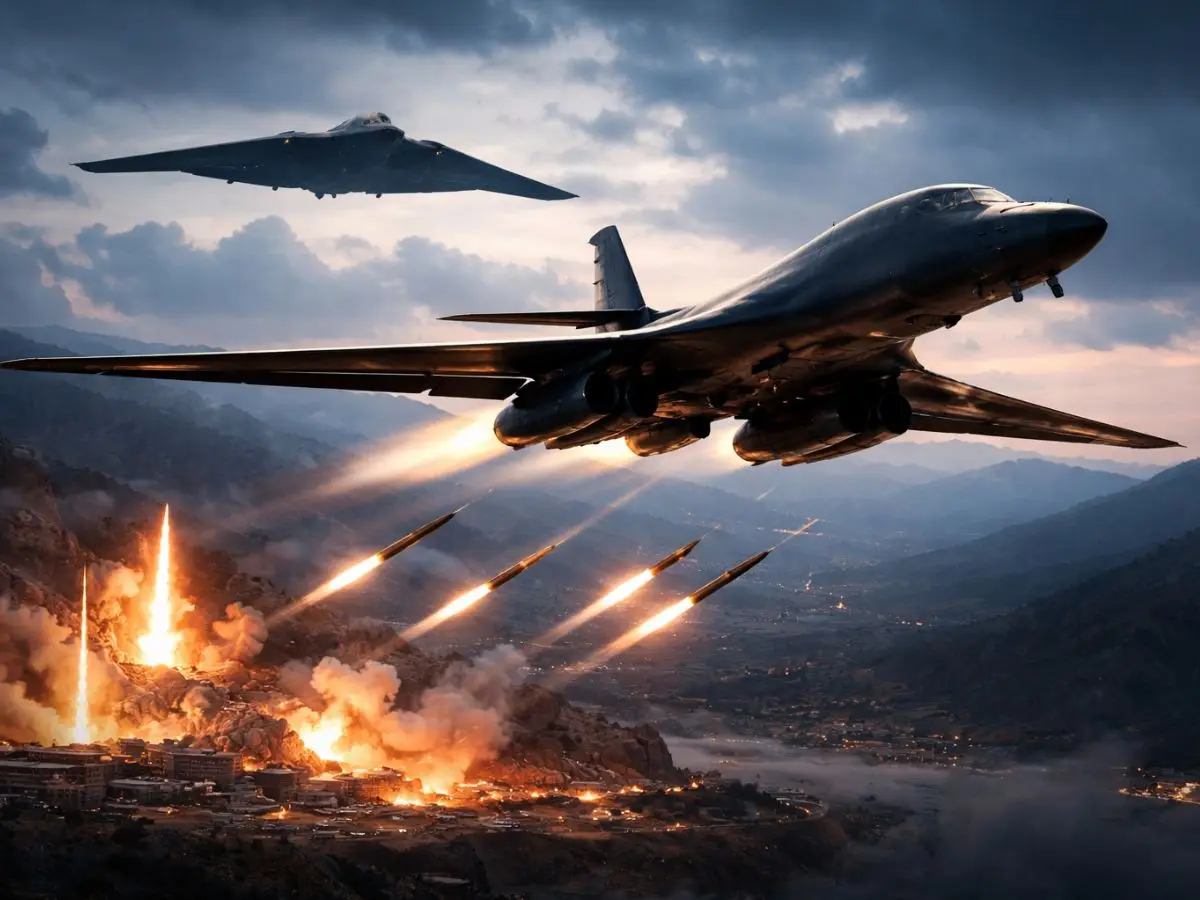
On February 12 2013, North Korea conducted its third nuclear test — the most powerful to that point. The international response was swift. The United Nations Security Council passed new sanctions. The US and South Korea announced joint military exercises. North Korea responded with escalating rhetoric, threatening pre-emptive nuclear strikes against the United States and announcing that the 1953 armistice ending the Korean War was void. The Korean Peninsula was at one of its periodic peaks of tension, and the United States was deciding how to respond in a way that was unambiguous without being provocative enough to cause miscalculation.
March 28, 2013: The B-2 Flies
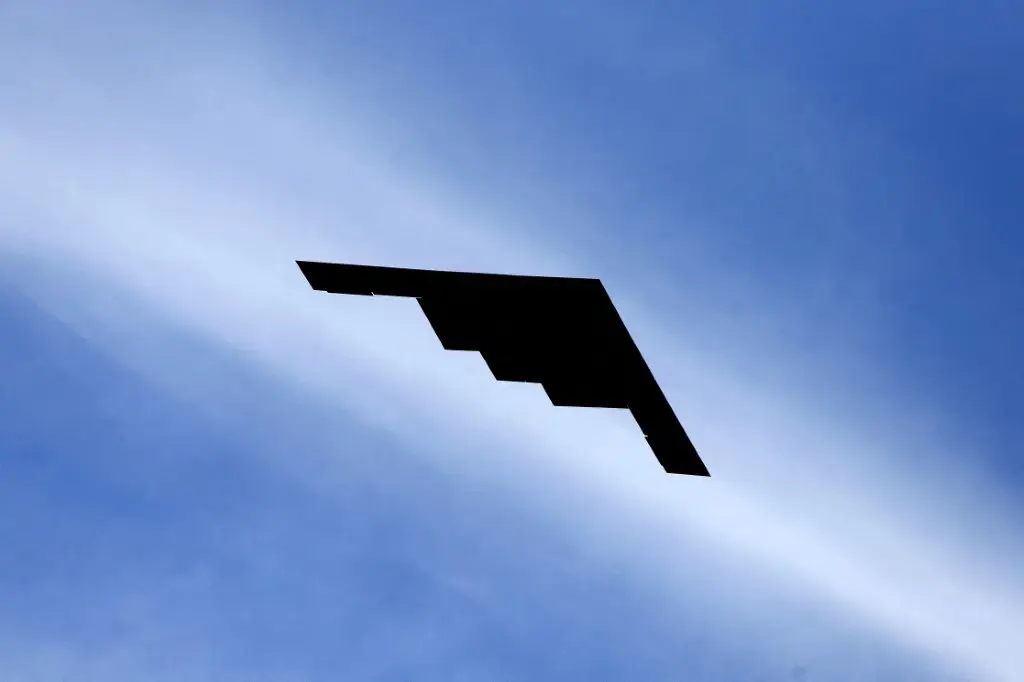
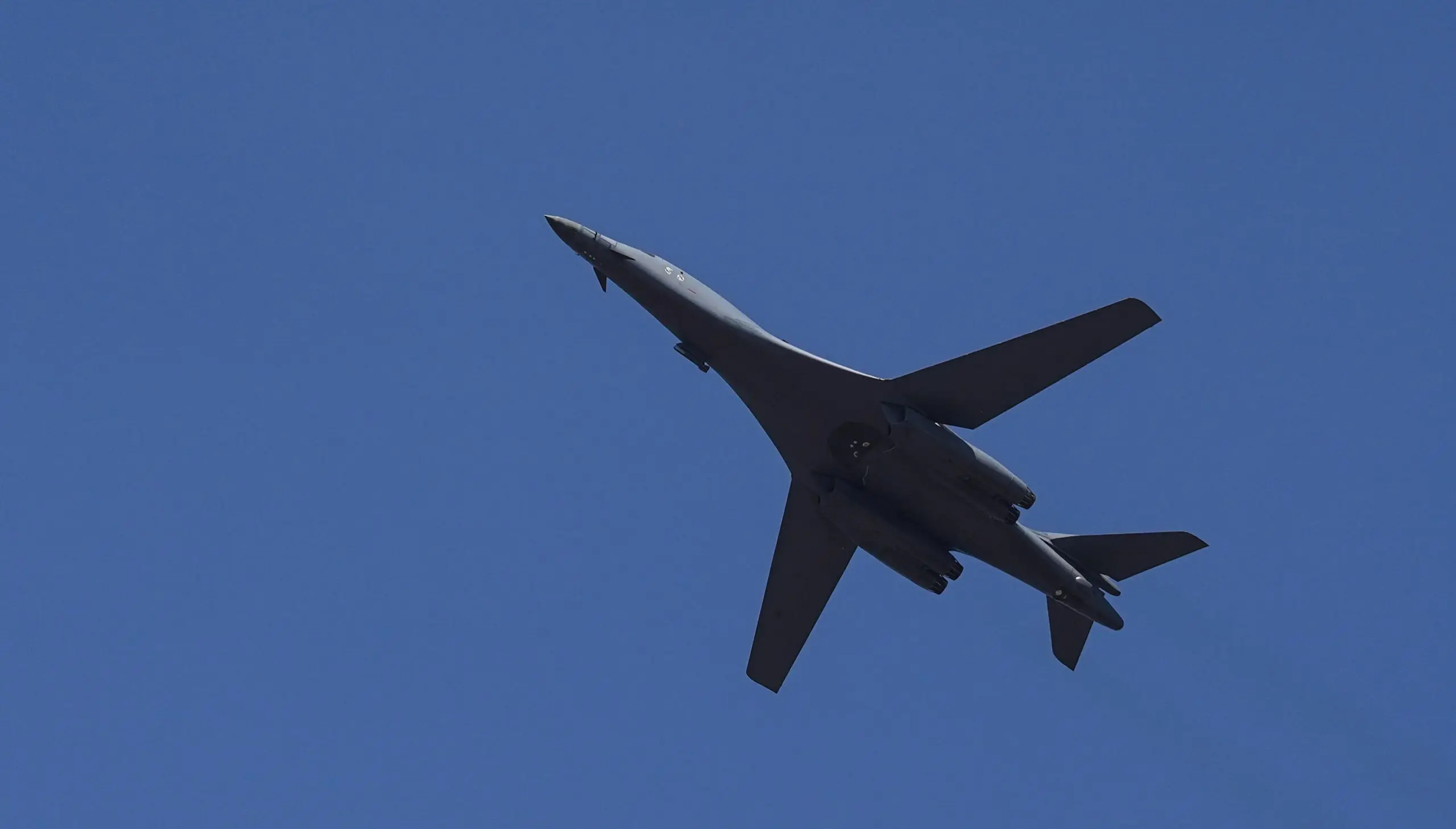
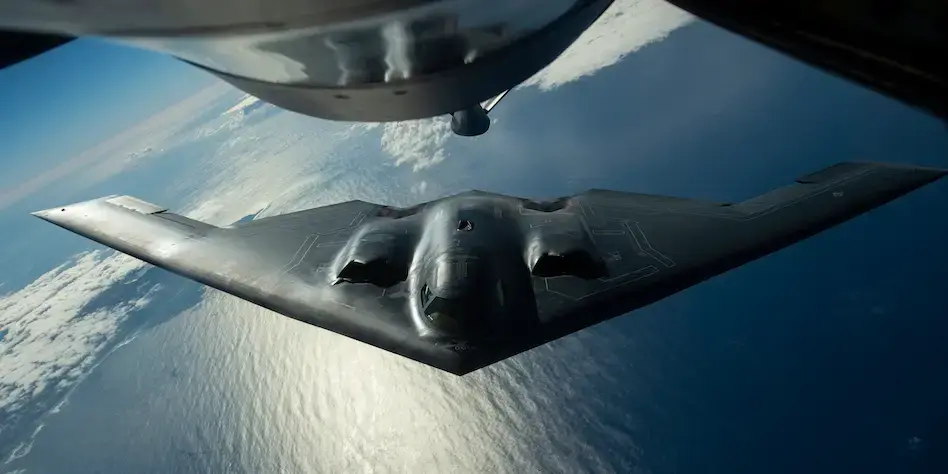
On March 28 2013, two B-2 Spirit bombers departed Whiteman Air Force Base in Missouri and flew to the Jik Do bombing range in South Korea, where they conducted a training drop of inert munitions, before returning to Whiteman. The round trip covered approximately 13,000 miles and took roughly 13 hours. The flight was not classified. The US Air Force announced it publicly, with photographs and details of the mission, including the specific aircraft involved and the route flown. The transparency was deliberate. The mission's value was not in what the B-2s did — it was in the message their presence sent.
What The Message Actually Said
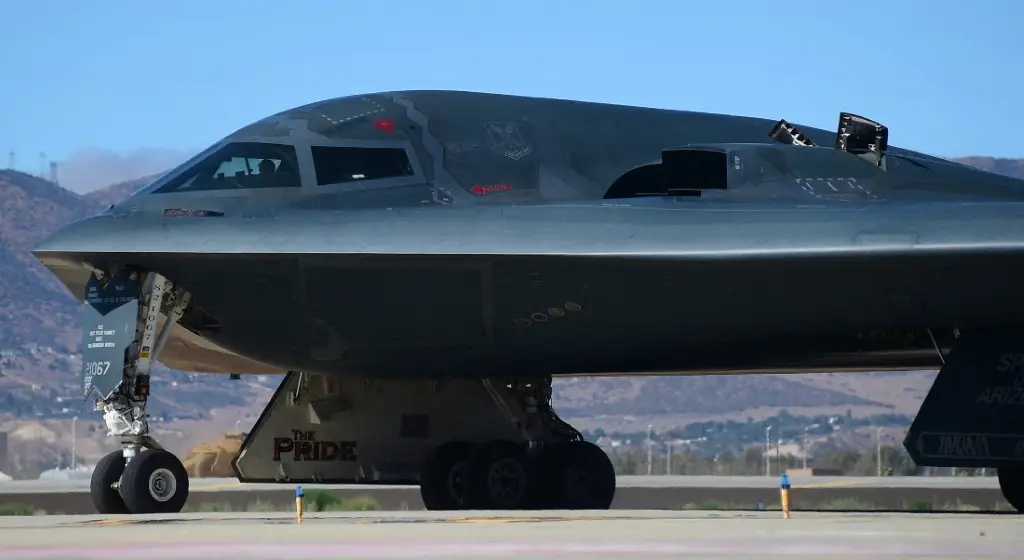
A B-2 flight over the Korean Peninsula carries a specific set of meanings that every military and government in the region understands. First: the United States has the capability to strike any target in North Korea from its home territory, without forward basing, without warning, and without the North Korean air defence system being able to detect the aircraft. Second: the US is prepared to demonstrate that capability publicly. Third: the demonstration has been authorised at the highest level of the US government — a B-2 flight to Korea is not a regional commander's decision; it involves presidential awareness. All three messages were received.

Who The Message Was For
The B-2 flight was aimed at three audiences simultaneously. The primary audience was North Korea's leadership — specifically Kim Jong-un, who had taken power in 2011 and whose calculation of US resolve was unknown. The secondary audience was South Korea and Japan — US allies in the region who needed reassurance that the US security commitment was credible and active. The tertiary audience was China — North Korea's primary patron, whose pressure on Pyongyang is a key lever in any Korean Peninsula crisis and who needed to understand the trajectory of US escalation if China did not act.
Why The B-2 Specifically
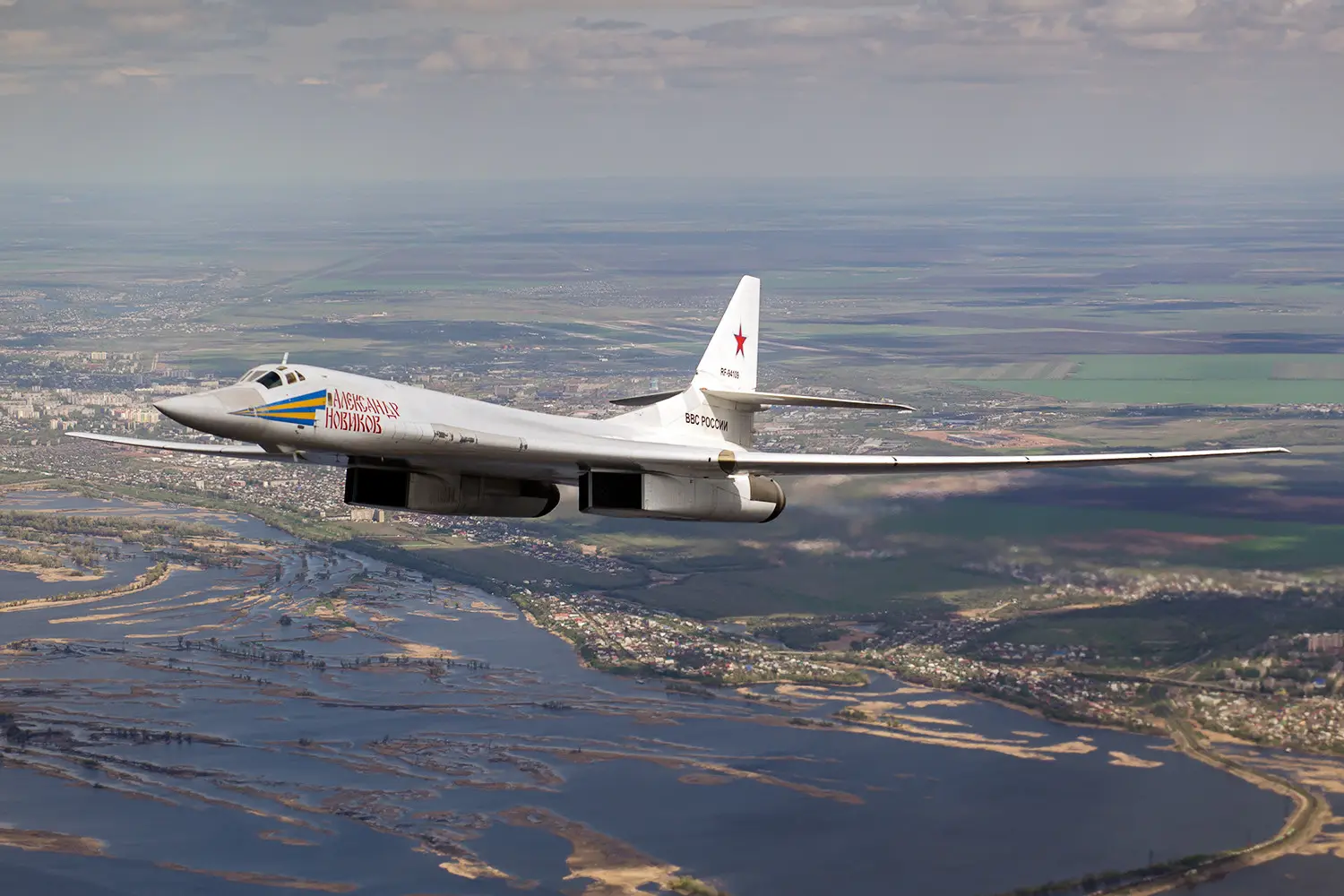
The US could have sent F-16s, F-22s, or B-52s to demonstrate resolve. The choice of the B-2 was deliberate and specific. The B-2 is the aircraft that North Korea's air defence system cannot detect. The B-2 can carry nuclear weapons. The B-2 carries the GBU-57 bunker-busting bomb designed to destroy underground facilities — the same type of facilities where North Korea's nuclear programme and its leadership are sheltered. Sending a B-2 is a message that is specifically calibrated: this is the aircraft that could reach your most protected sites without warning. Its presence is a reminder of what that means.
What Happened After The Flight
In the weeks following the B-2 flight, North Korea's rhetoric continued before gradually subsiding. Kim Jong-un did not test another nuclear weapon in 2013 — his next test came in 2016. The 2013 crisis de-escalated through a combination of diplomatic back-channels, Chinese pressure, and US demonstrations of resolve, of which the B-2 flight was one component. Whether the B-2 flight specifically influenced Kim's calculations cannot be determined with certainty. What is documented is that the B-2 flight was one of the most widely discussed military signals of 2013 — noted in North Korean state media, analysed by regional governments, and studied by military planners as a case study in calibrated deterrence messaging.
The Pattern That Has Continued
The 2013 B-2 flight established a pattern that the US has used repeatedly since. B-2 and B-52 flights over the Korean Peninsula have become a standard tool in the US deterrence toolkit for the region — deployed in response to North Korean provocations, nuclear tests, and missile launches. Each flight is calibrated: the aircraft type chosen, the route flown, and the degree of public disclosure are all deliberate decisions. The B-2, when it flies, sends the strongest available message. It is the instrument of last resort in the deterrence signal hierarchy — pulled out when the situation requires the clearest possible statement about US capability and will.
)
)
)
)
)