B-2 has a classified radar that can see through clouds, darkness and walls! Here is what little the public actually knows

The B-2 Spirit carries one of the most capable airborne radar systems ever built and almost nothing about it is publicly known. The APQ-181 is a synthetic aperture radar that can generate detailed ground maps through cloud cover, rain, and total darkness.
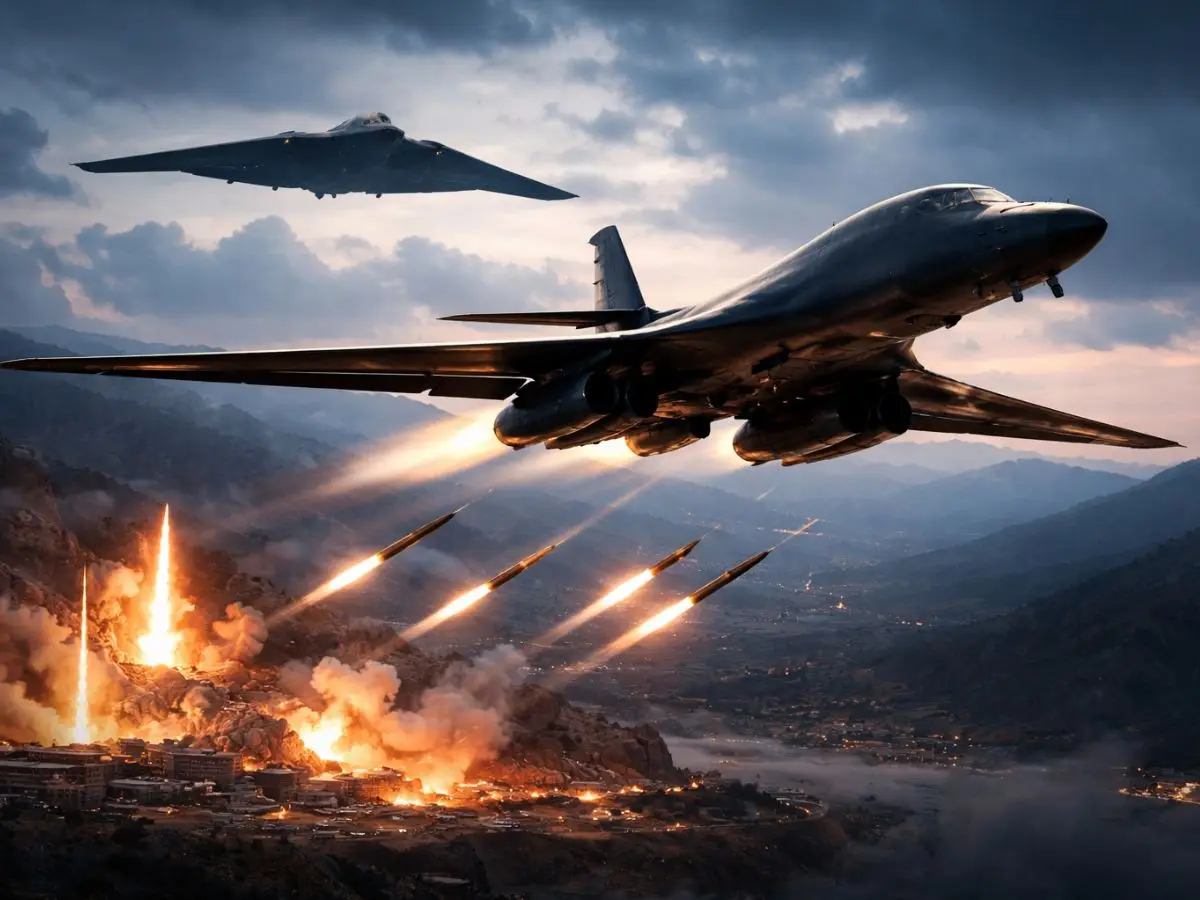
The Radar Nobody Talks About
Every discussion of the B-2 focuses on its stealth characteristics — its radar cross-section, its coating, its flying-wing shape. Almost no public discussion focuses on what the B-2 can see. The aircraft carries the Northrop Grumman APQ-181 — a highly classified, electronically scanned synthetic aperture radar that provides the crew with detailed imagery of the ground regardless of weather, time of day, or atmospheric conditions. The radar is a key enabler of the B-2's precision strike mission, and its capabilities are as carefully protected as any other classified system on the aircraft.
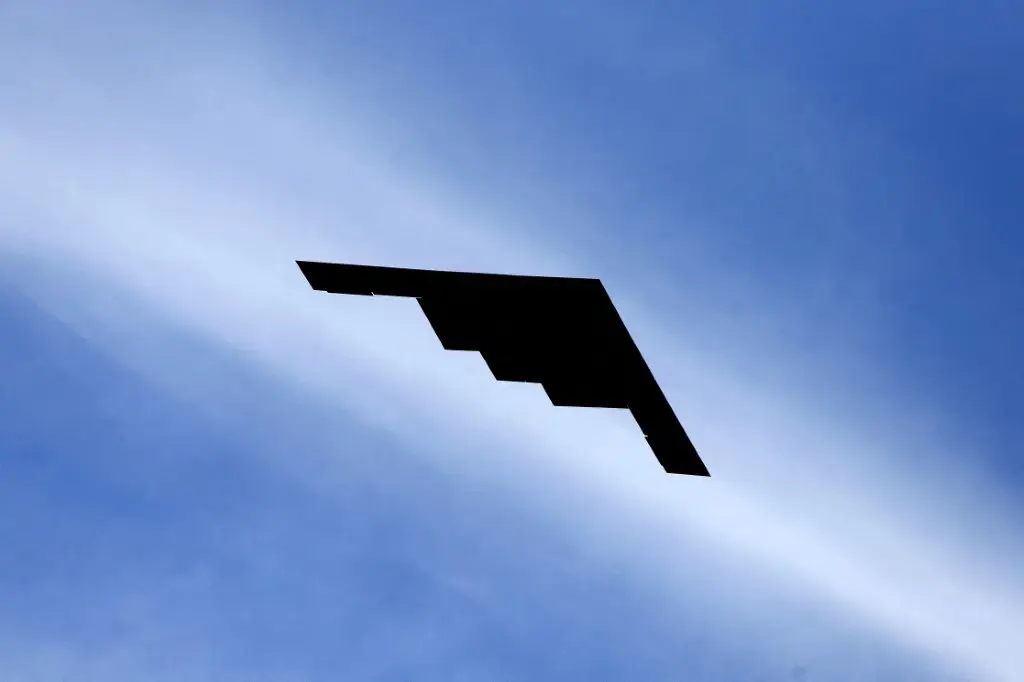
What Synthetic Aperture Radar Actually Does
A conventional radar sends pulses and measures the time it takes for them to bounce back, producing a blip on a screen. Synthetic aperture radar is different: it uses the aircraft's movement to synthesise a very large virtual antenna, combining multiple radar returns over time to produce a detailed, high-resolution image of the ground below. The result looks more like a photograph than a radar return — structures, vehicles, aircraft on runways, and terrain features appear as distinct objects with recognisable shapes. The B-2's APQ-181 produces this imagery in real time, regardless of cloud cover or darkness.
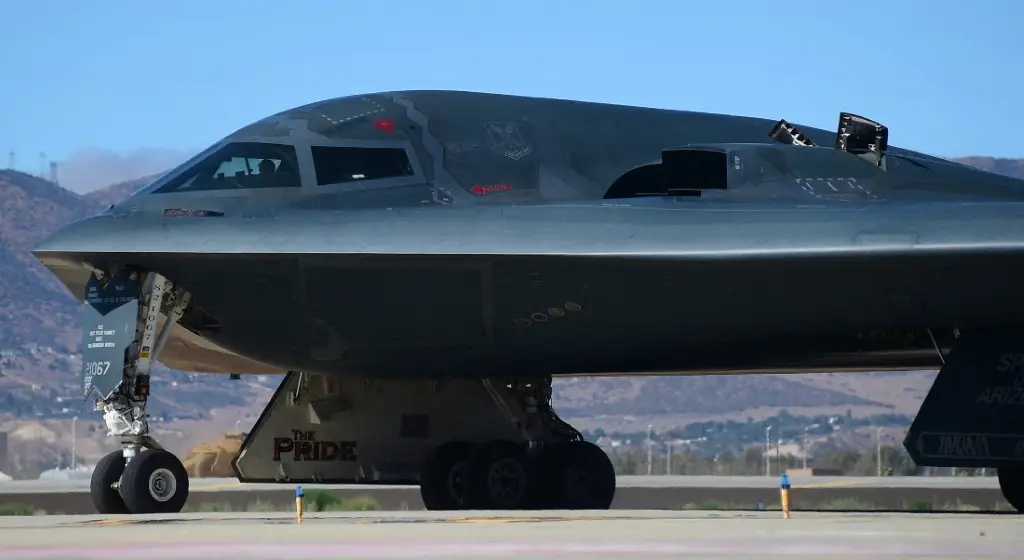
The Classified Modes
The APQ-181 operates in multiple modes — some of which are publicly acknowledged, and some of which are not. The publicly known functions include ground mapping for navigation and targeting, weather detection, and basic air-to-air search capability. The classified modes are not publicly described. Analysts and former programme officials have noted that the radar's electronic warfare capabilities — its ability to detect, characterise, and respond to radar emissions from the ground — are among the most sensitive classified aspects of the aircraft, potentially more sensitive than the stealth coating itself.

Why A Hidden Radar Changes Everything
A conventional strike aircraft with a powerful radar can be detected by that radar's emissions — radar sends out energy, and that energy can be detected by passive sensors on the ground or in the air. An aircraft that is trying to be stealthy faces a contradiction: using its radar reveals its presence through electronic emissions even if its shape and coating prevent radar returns. The B-2 resolves this by operating the APQ-181 in carefully managed emission profiles, minimising the detectability of its radar transmissions while maintaining the ability to map targets and update navigation in real time.

The Upgrade That Doubled Its Capability
The APQ-181 has been significantly upgraded since the B-2 entered service. The original analogue components have been replaced with modern digital processing that dramatically improves image resolution and processing speed. The upgrade also expanded the radar's frequency agility — its ability to shift between frequencies to avoid jamming or detection. The upgraded APQ-181 is reportedly one of the most capable airborne synthetic aperture radars in the world, though the specific performance parameters remain classified. The upgrade programme was one of the B-2 modernisation efforts that was fully funded and completed.
What The Crew Sees
B-2 crews on strike missions use the APQ-181 to build a real-time picture of their target area that no pre-mission satellite imagery can fully replicate. The radar can detect changes to a target site that occurred after mission planning was completed — vehicles that have moved, aircraft that have been dispersed, buildings that have been damaged by prior strikes. This situational awareness allows crews to make final targeting decisions moments before weapon release, updating aim points based on what the radar is showing rather than what intelligence photographs showed hours or days earlier.
The Sensor That Completes The Stealth Package
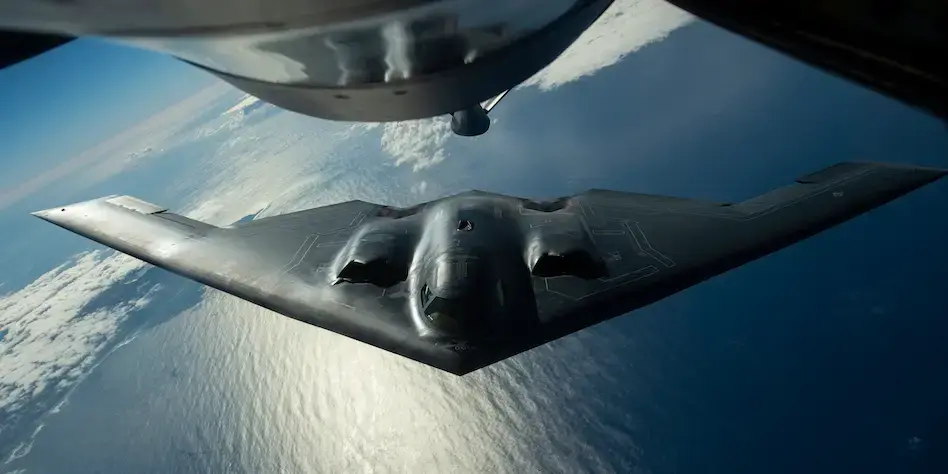
The B-2's stealth makes it undetectable. Its radar makes it omniscient over the target area. The combination — an aircraft that cannot be seen, carrying a sensor that can see everything — is the operational concept that makes the B-2 uniquely valuable. A stealthy aircraft with poor sensors would be limited to pre-planned strikes on fixed targets. The APQ-181 allows the B-2 to adapt in real time, hunt mobile targets, assess battle damage, and operate effectively in environments where the target situation has changed since takeoff. The radar is not a support system for the stealth. The two capabilities are equally essential to the mission.
)
)
)
)
)