Every adversary knows exactly where all 20 B-2s are right now! So why don't they attack?

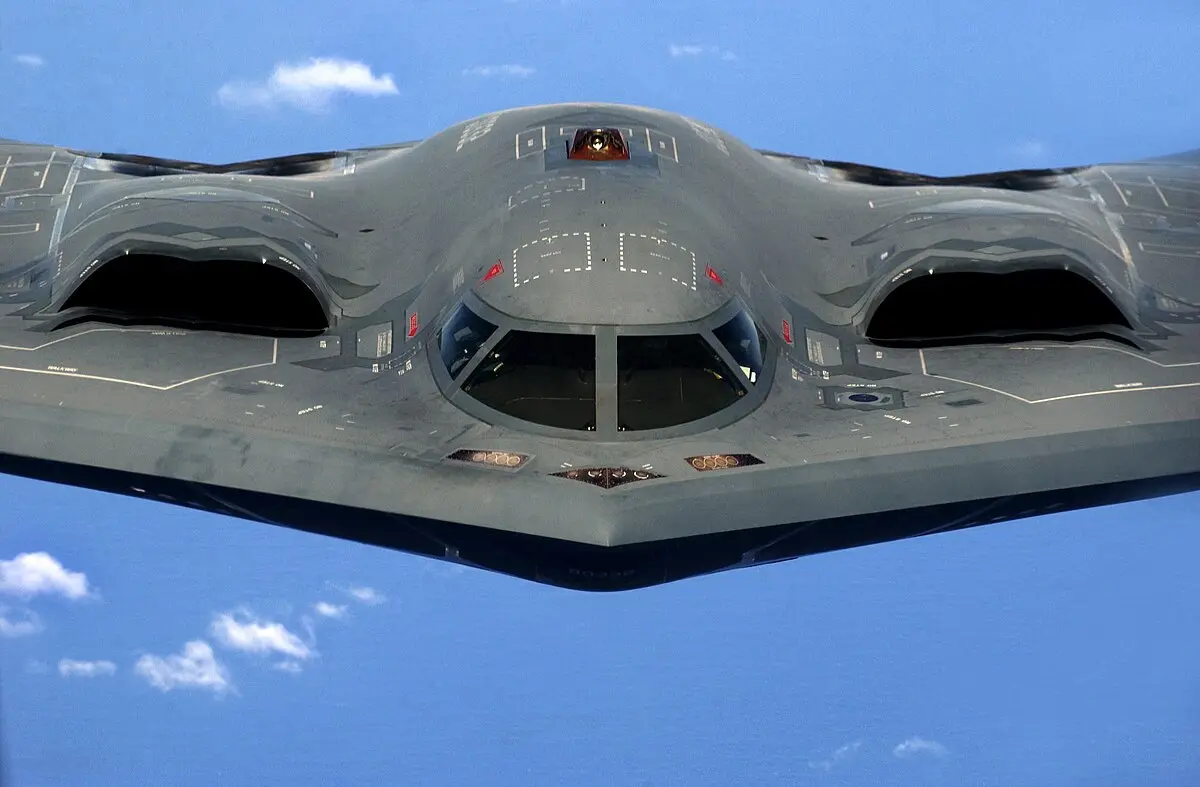
All 20 B-2 Spirit bombers in the US Air Force are based at a single location: Whiteman Air Force Base in Missouri. There is no second base, no dispersal plan for peacetime, no rotation between facilities. Every intelligence agency in the world knows that if you want to find America's entire stealth bomber fleet, you look at one spot on the map. Here is why the US made this decision — and what the plan is if that base ever comes under threat.
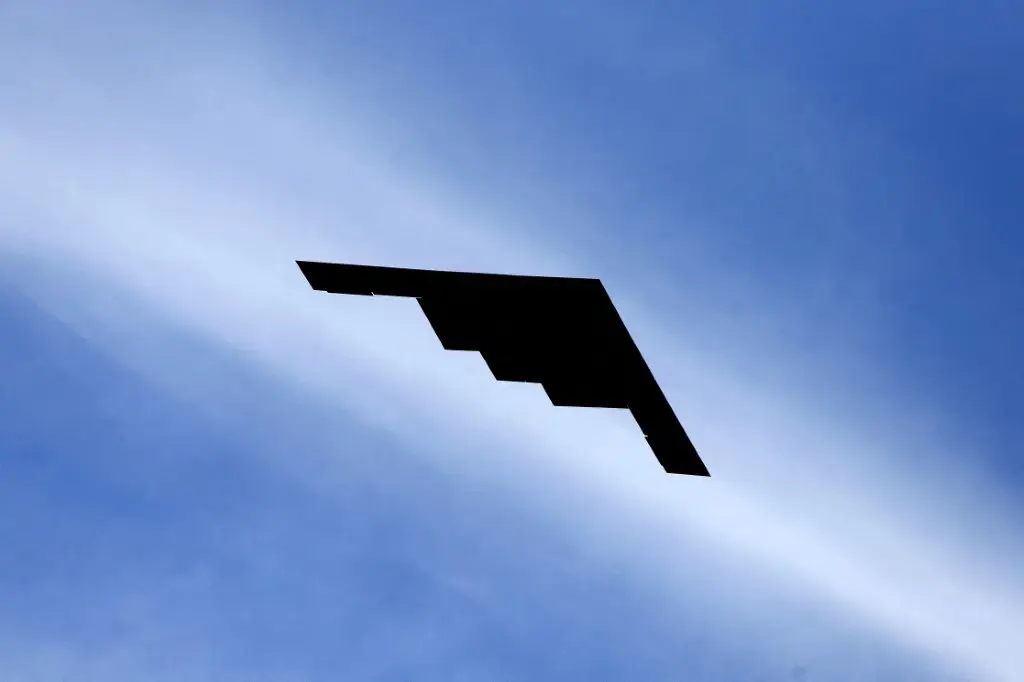
One Base. Twenty Planes. Everyone Knows.
Whiteman Air Force Base sits near Knob Noster, Missouri, about 65 miles southeast of Kansas City. It is the only permanent B-2 operating location in the world. The infrastructure required to maintain the B-2 — the climate-controlled hangars, the coating repair facilities, the weapons storage, the trained workforce — exists at Whiteman and nowhere else. China's intelligence services know this. Russia's know it. Iran's know it. It is not a secret. It is a publicly acknowledged constraint that the US Air Force has lived with for three decades.
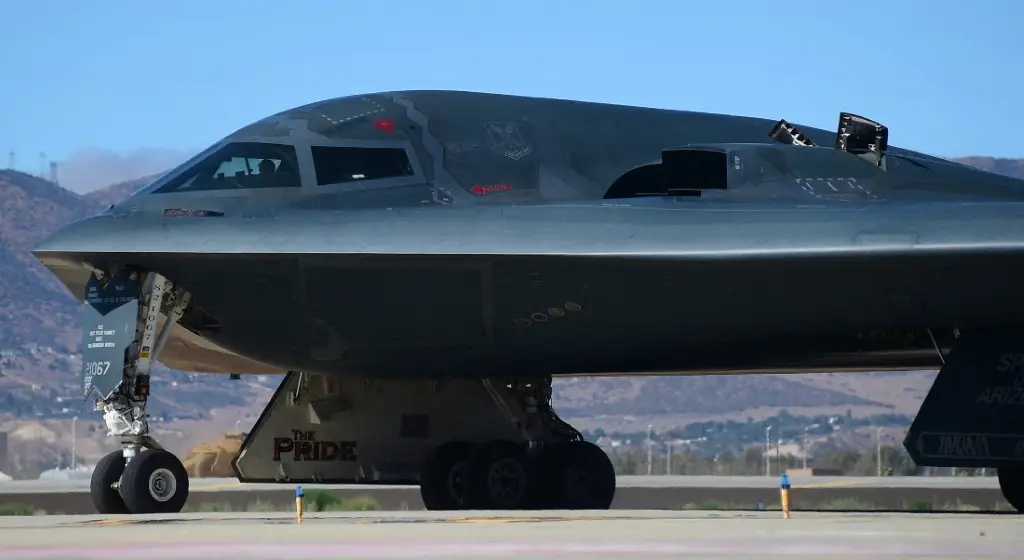
Why They Put Everything In One Place
The decision to base all B-2s at Whiteman was driven by cost and infrastructure, not strategy. Building the specialised maintenance facilities required for the B-2 is extraordinarily expensive. Doing it twice, at two bases, was not funded. The climate requirements — specific humidity and temperature ranges for the radar-absorbing coating — narrowed the options. Missouri's continental climate is more stable than coastal locations. Whiteman had the existing infrastructure and runway capability. One base was the affordable answer, and the Air Force has lived with the strategic implications ever since.
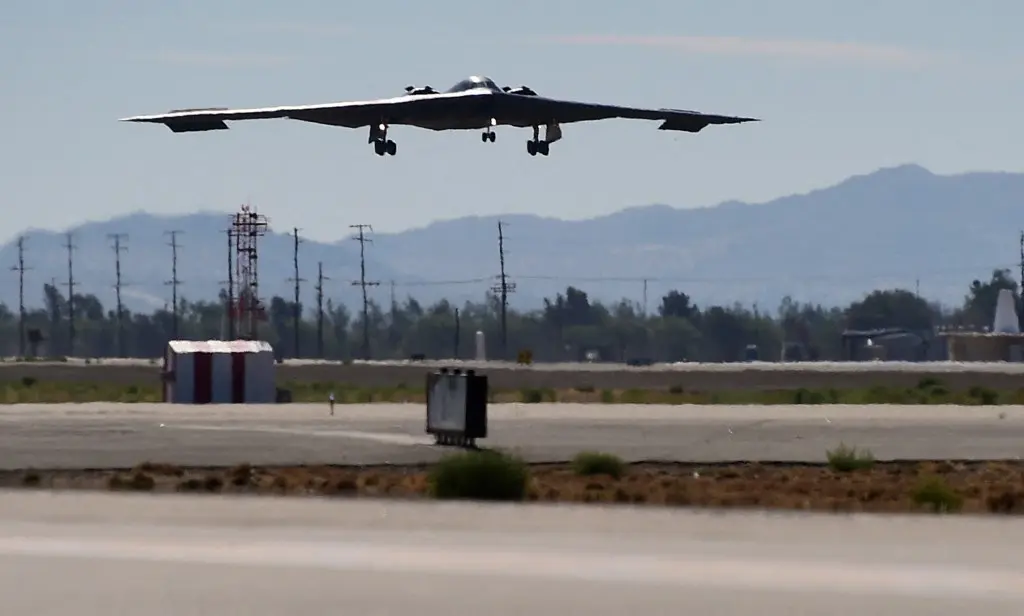
What 'All Eggs In One Basket' Means In Practice
Military planners use the term ‘single point of failure’ to describe systems where one event can eliminate an entire capability. Whiteman is a single point of failure for America's penetrating stealth bomber force. A successful strike on Whiteman — by a ballistic missile, a cruise missile, or a special operations attack — could potentially neutralise all 20 B-2s simultaneously. This is not a hypothetical concern. It is a scenario that both Russian and Chinese military planners have analysed and that American planners have had to account for.
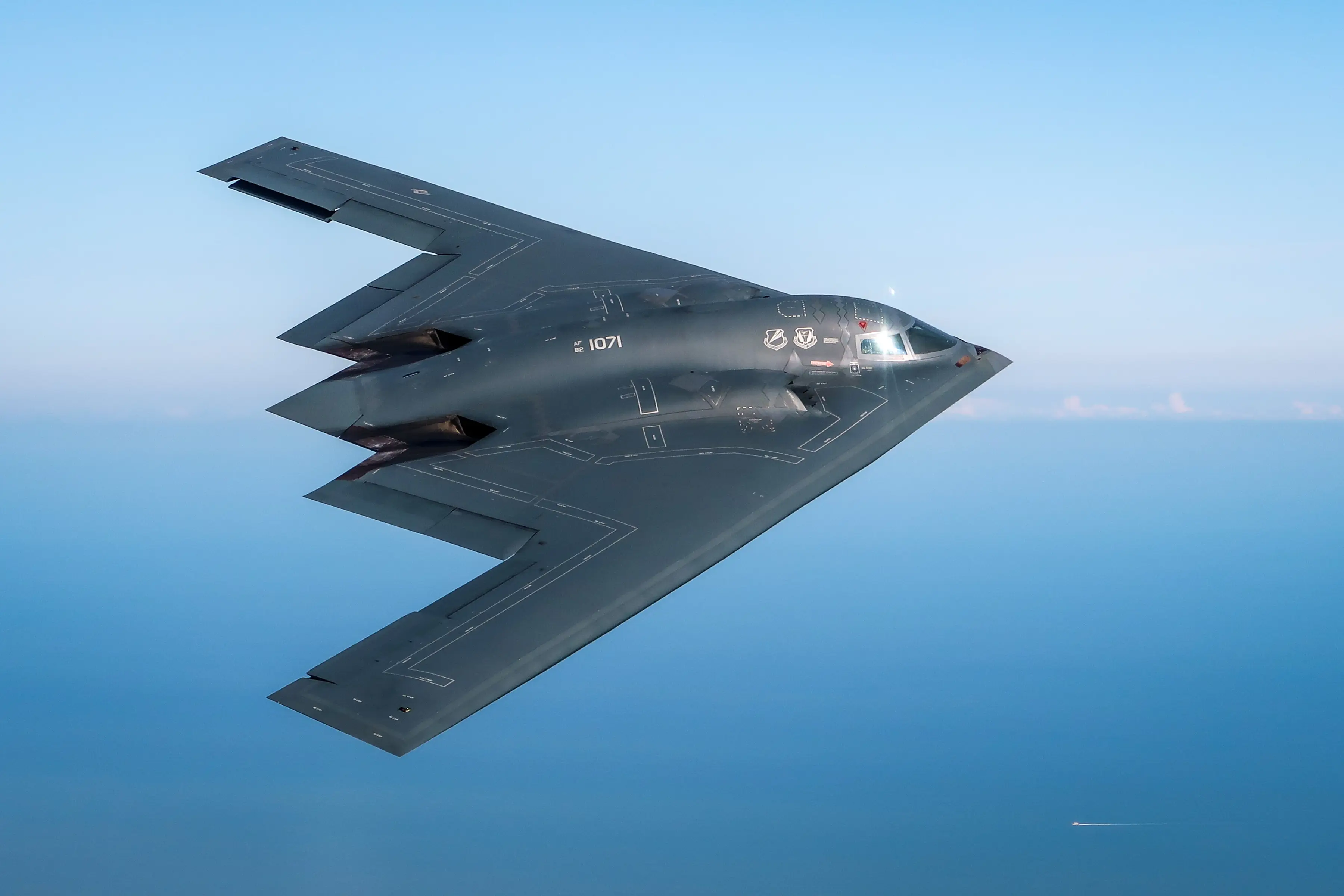
The Dispersal Plan For Crisis
The US Air Force does have a dispersal plan. In a crisis — defined as a period of elevated tension when a strike on Whiteman becomes a credible threat — B-2s can be dispersed to other locations that have been prepared with Flexible Maintenance Shelters. Diego Garcia, Guam, and RAF Fairford in the UK have all hosted B-2 deployments. In a genuine wartime scenario, the fleet would not sit at Whiteman waiting to be targeted. But dispersal takes time to execute, and the window between ‘elevated tension’ and ‘incoming missiles’ may not be long.
The Missile Defence Question
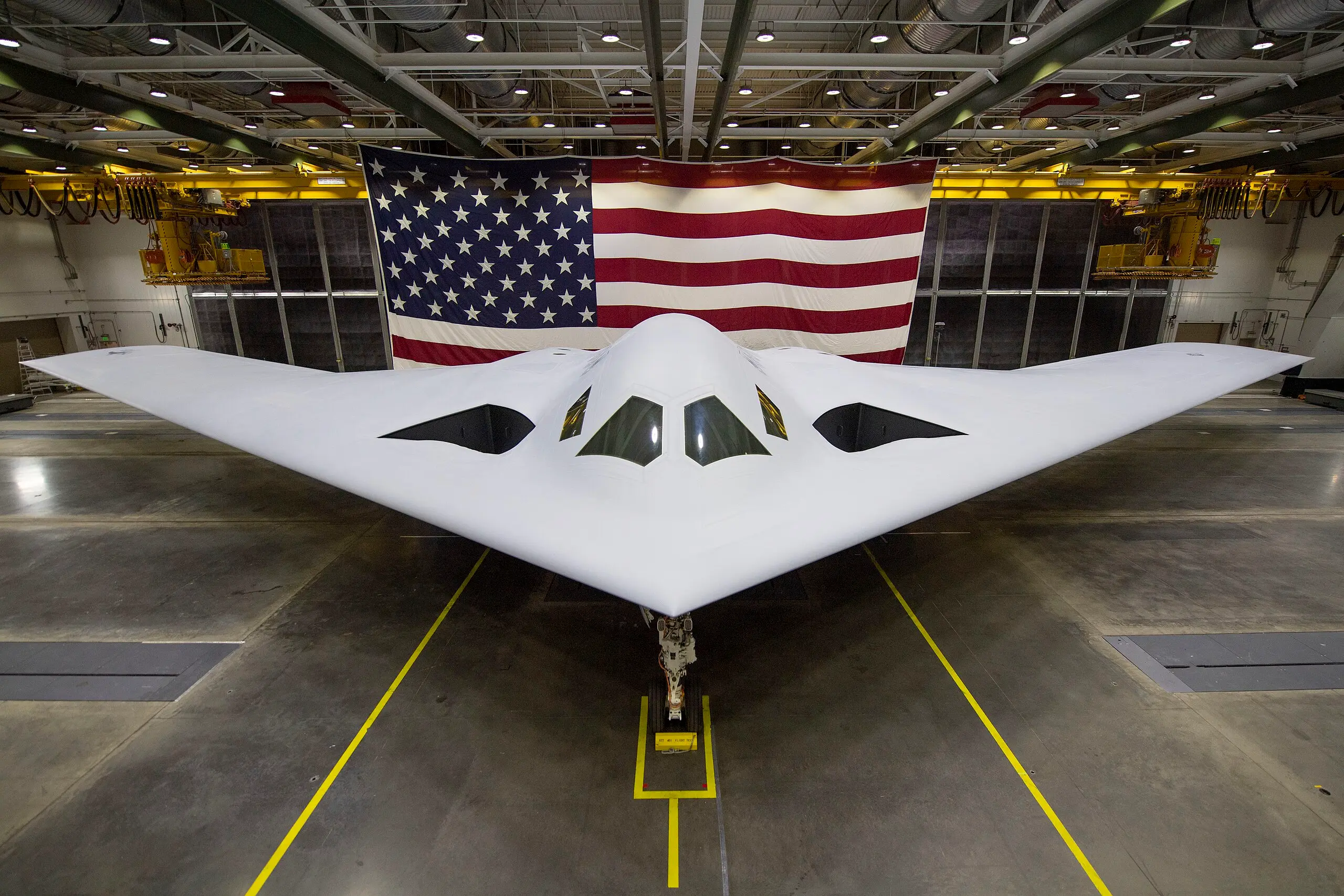
Whiteman Air Force Base is covered by US missile defence systems — Patriot batteries and, at the theatre level, THAAD. But no missile defence system provides 100 percent intercept probability against a large salvo attack. Russia's arsenal of cruise missiles and hypersonic weapons could potentially saturate Whiteman's defences. This is one reason the B-21 Raider programme, which will eventually produce at least 100 aircraft based at multiple locations, is considered strategically important beyond just replacing the B-2's age.
The Deterrence Logic
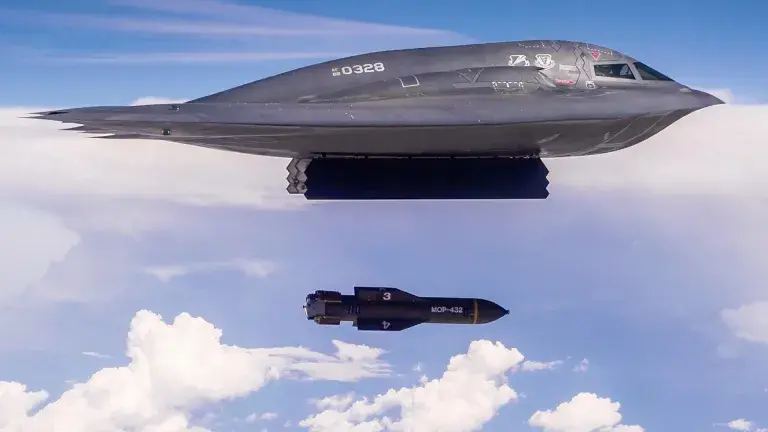
The counterintuitive argument for concentrating the B-2 fleet at one known location is that it makes the deterrence calculation clearer. Adversaries know where the B-2s are. They also know that attacking Whiteman would constitute an act of war against the United States on American soil — a threshold that carries its own escalatory consequences. The visibility of the fleet at Whiteman is simultaneously a vulnerability and a deterrent: attacking it is a red line that no adversary has yet been willing to cross.
What Changes When The B-21 Arrives
The B-21 Raider, now in early service, is being produced in numbers the B-2 never reached. The Air Force plans at least 100 B-21s, based at multiple locations including Ellsworth Air Force Base in South Dakota and potentially others. The B-21 programme effectively solves the single-base problem by creating a distributed stealth bomber force for the first time. When the B-2 eventually retires in the 2030s, the era of America's entire penetrating bomber capability fitting on one Missouri airfield will finally end.
)
)
)
)
)