B-52 vs Tupolev Tu-95 "Bear-G": Comparing technical profile of US and Russia strategic bombers

The Boeing B-52 Stratofortress of the US and Tupolev Tu-95 "Bear" of Russia are among the oldest strategic bombers still in active service. Introduced just a year apart in the 1950s, both were designed for long-range nuclear deterrence during the Cold War.
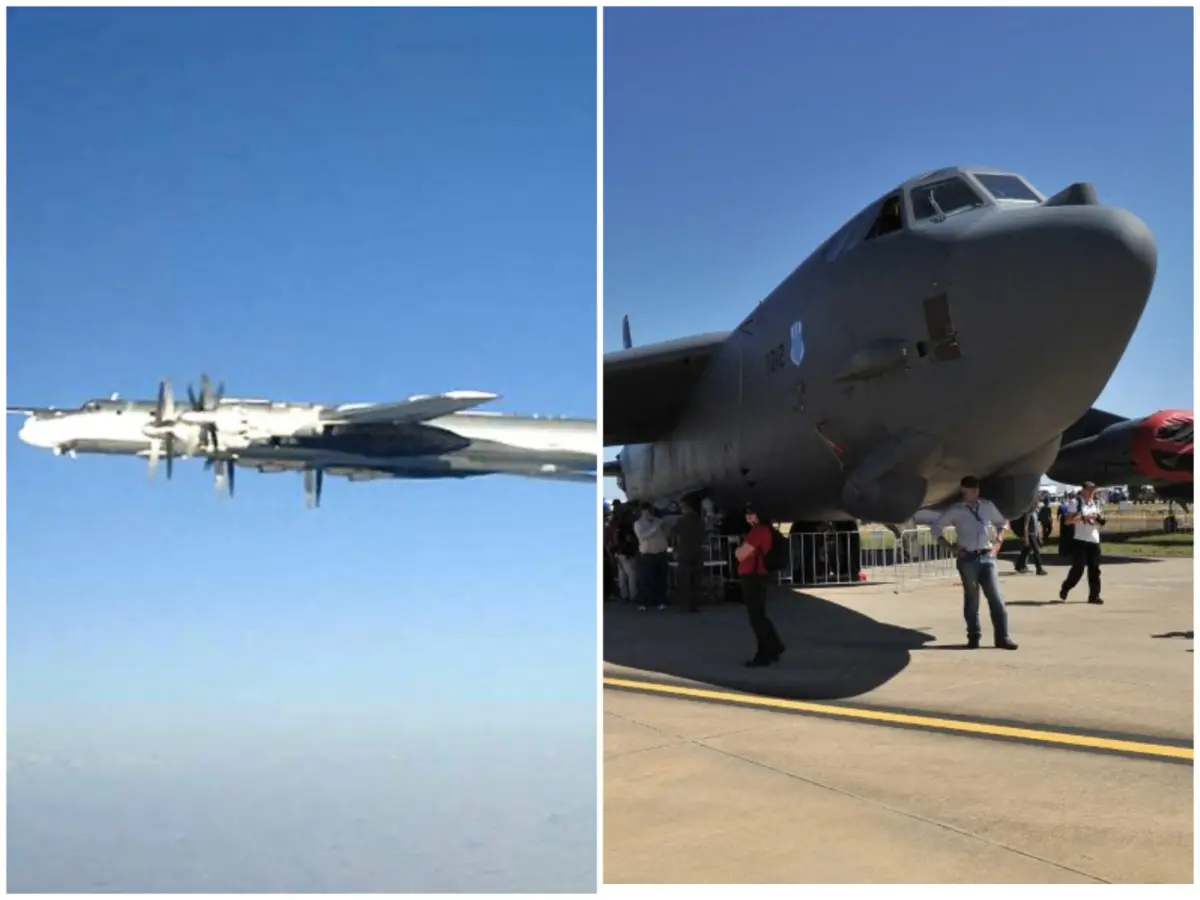
Propulsion Type
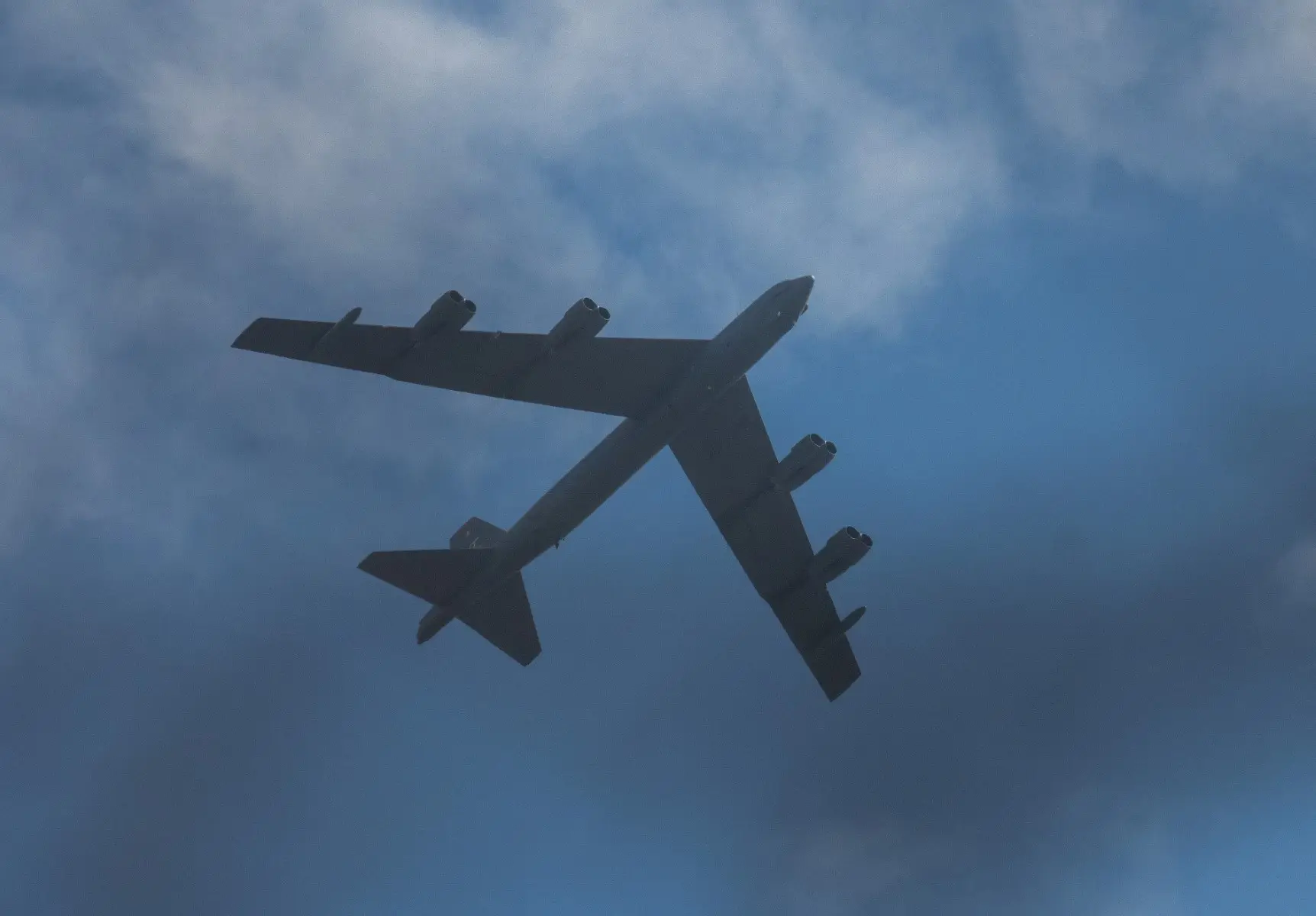
One of the biggest differences between the B-52 and the Tu-95 lies in their propulsion systems. The American B-52 is powered by eight Pratt & Whitney TF33 jet turbofan engines, providing higher speed and smoother performance at high altitudes. In contrast, the Russian Tu-95 uses four Kuznetsov turboprop engines with contra-rotating propellers, making it one of the fastest propeller-driven aircraft ever built. While the Tu-95 is more fuel-efficient, its engines produce a distinctive noise detectable from long distances.
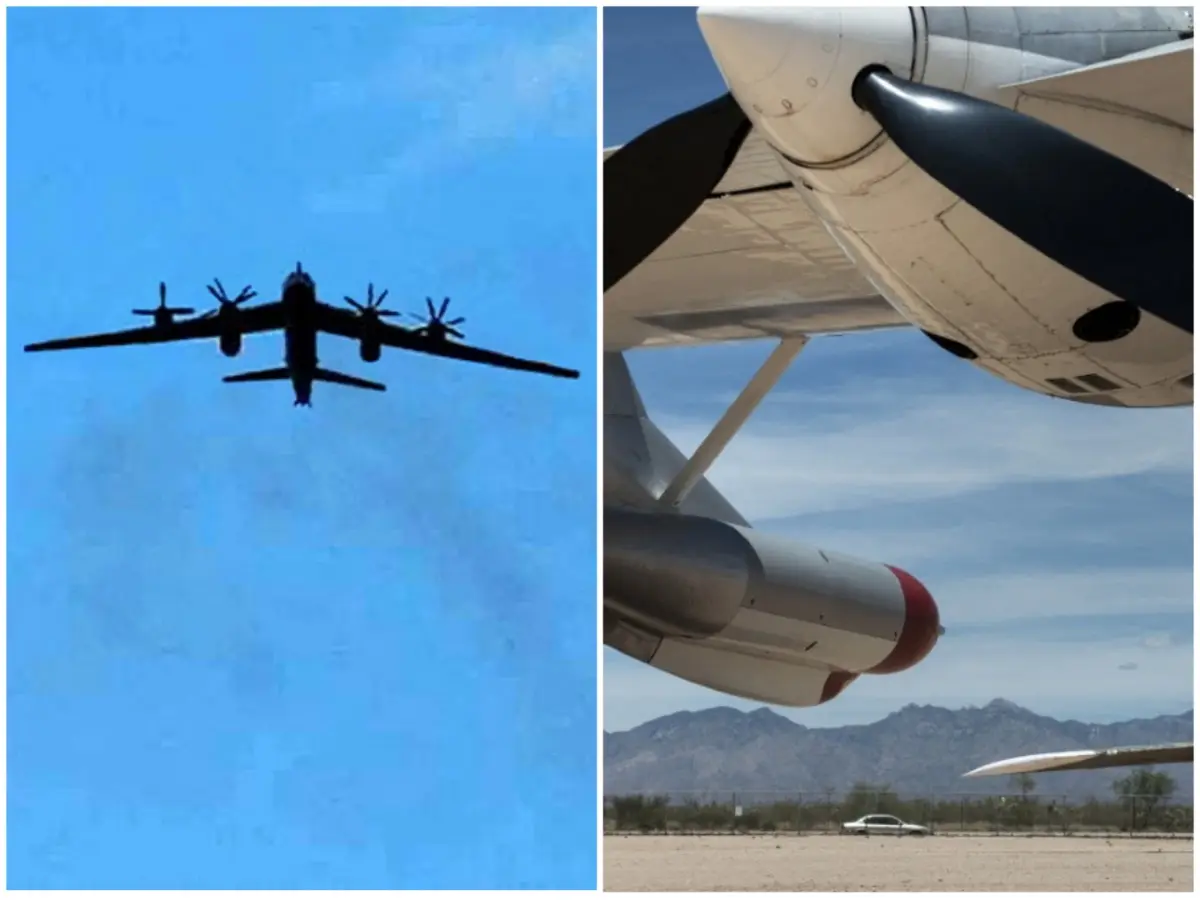
Introduction Year
The two bombers entered service almost simultaneously during the height of the Cold War. The B-52 was introduced into the US Air Force in 1955, while the Tu-95 joined Soviet service in 1956. While both aircraft were designed during the Cold War as long-range nuclear delivery platforms, the B-52 has maintained a distinct operational edge through superior modernisation investments, electronics upgrades, and versatile mission deployment profiles.
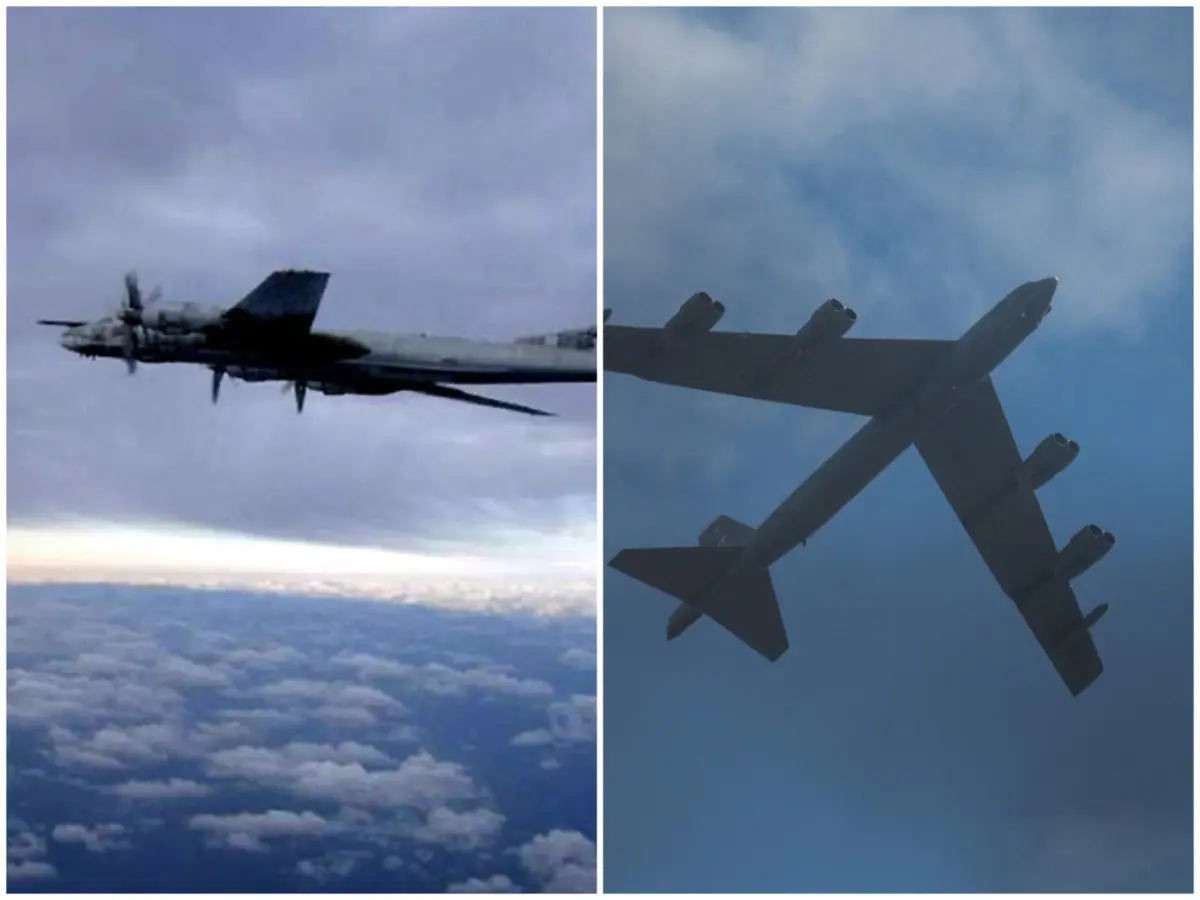
Combat Range
Range has always been a defining feature of strategic bombers, and both aircraft excel in this area. The B-52 can fly more than 14,080 kilometres without refuelling, enabling it to conduct long-range missions across the globe. The Tu-95 slightly surpasses it with an approximate range of 15,125 kilometres. This extended endurance allows Russia to conduct strategic patrols near NATO airspace. Both bombers can further extend their operational reach through aerial refuelling, making them effective tools for global power projection.
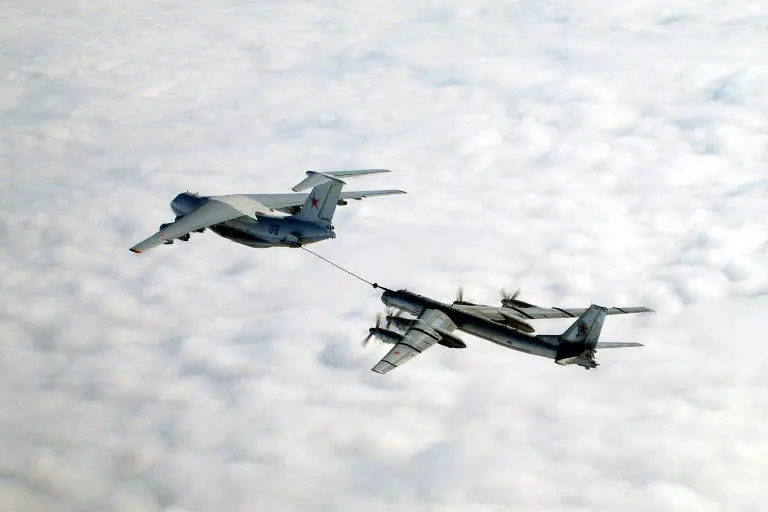
Radar and Acoustic Profile
The B-52 and Tu-95 differ significantly in their detectability. The B-52 has a conventional subsonic radar signature typical of large bombers, though upgrades have improved its survivability. The Tu-95, however, is famous for being exceptionally loud due to its massive contra-rotating propellers. NATO pilots have often reported hearing the aircraft before seeing it. Its high acoustic and radar visibility make it easier to detect, although Russia continues to rely on the bomber's range and missile-carrying capabilities.
Projected Service Life
Both bombers have demonstrated remarkable longevity, but the B-52 is expected to remain in service longer. The US Air Force plans to operate the B-52 well beyond 2050 following extensive modernisation efforts, including new engines, radar systems and weapons integration. The Tu-95 is projected to remain operational until at least 2040, supported by periodic upgrades. Their extended service lives reflect the continuing relevance of long-range strategic bombers in modern military doctrine despite advances in stealth and missile technologies.
)
)
)
)
)