B-52 operations: How much it costs to fly the giant bomber for 1 hour

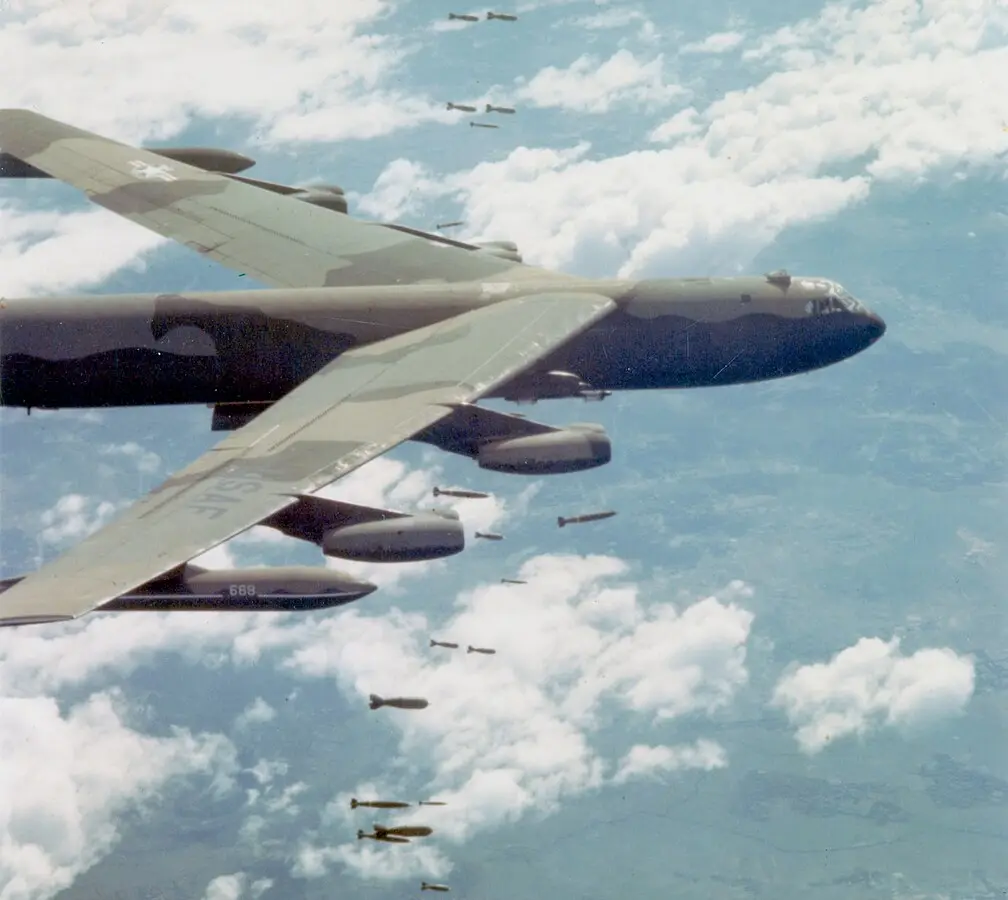
The B-52 stratofortress costs $69,708 per flight hour, driven by high fuel burn, ageing engines, and costly maintenance. despite rising expenses, the Rolls-Royce F130 upgrade is set to cut fuel use by 30%, keeping the B-52 one of America’s most economical long-range bombers.
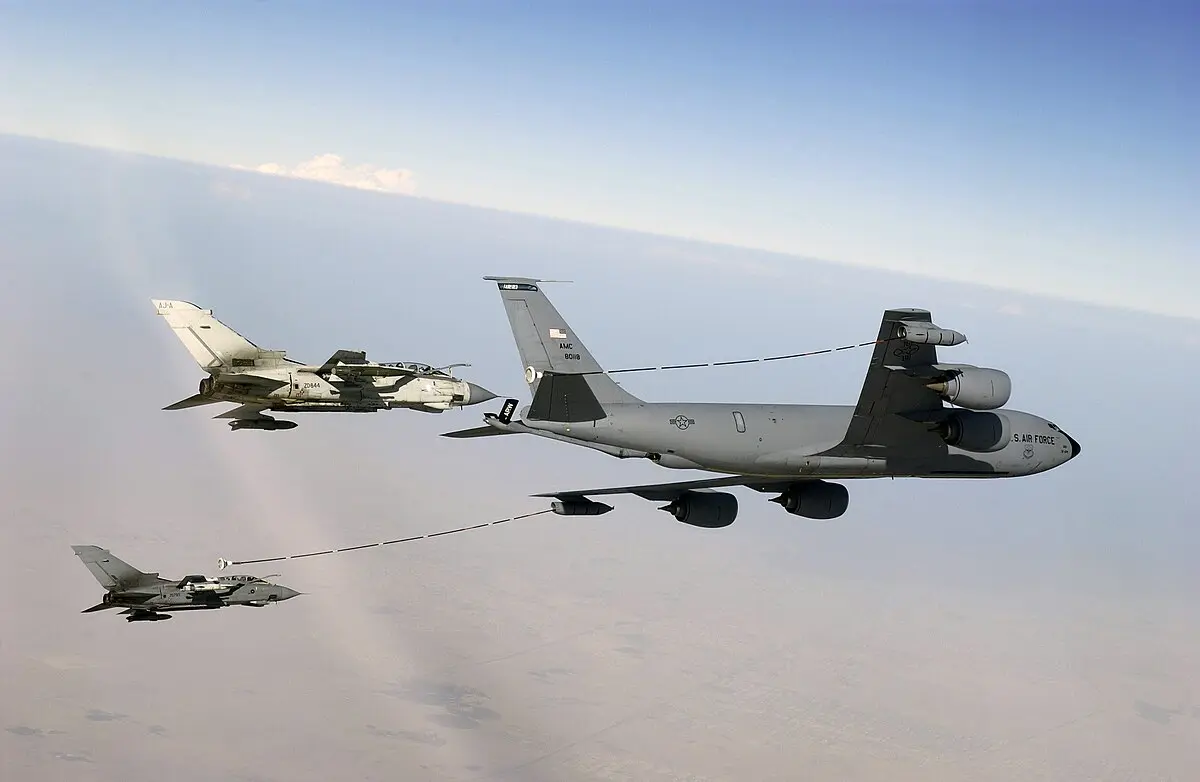
Total Operating Cost - $69,708 Per Flight Hour Baseline
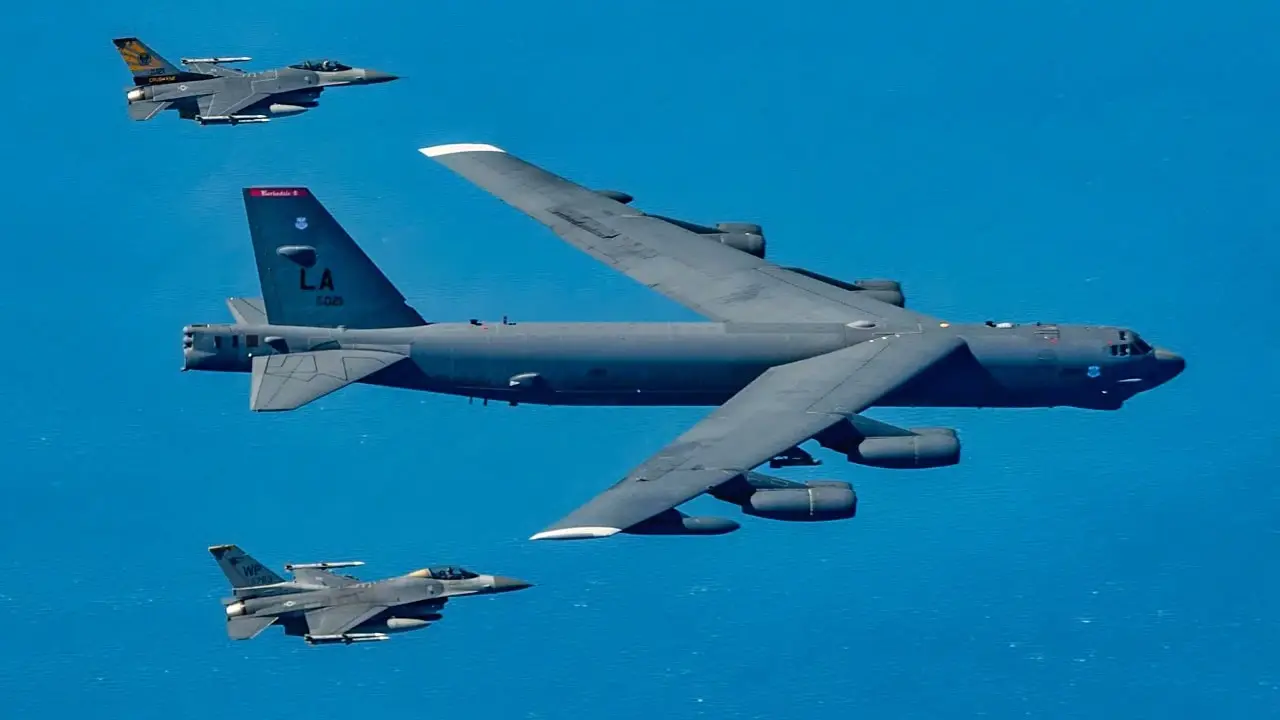
The B-52 Stratofortress costs approximately $69,708 per flight hour representing total operating expense across fuel, crew, maintenance, and spare parts combining all operational categories. In comparison, the B-2A Spirit stealth bomber costs $169,313 per flying hour representing 2.4 times greater expense. The B-52H remains one of the most economical strategic bombers operated by any military force despite its age and maintenance complexity.
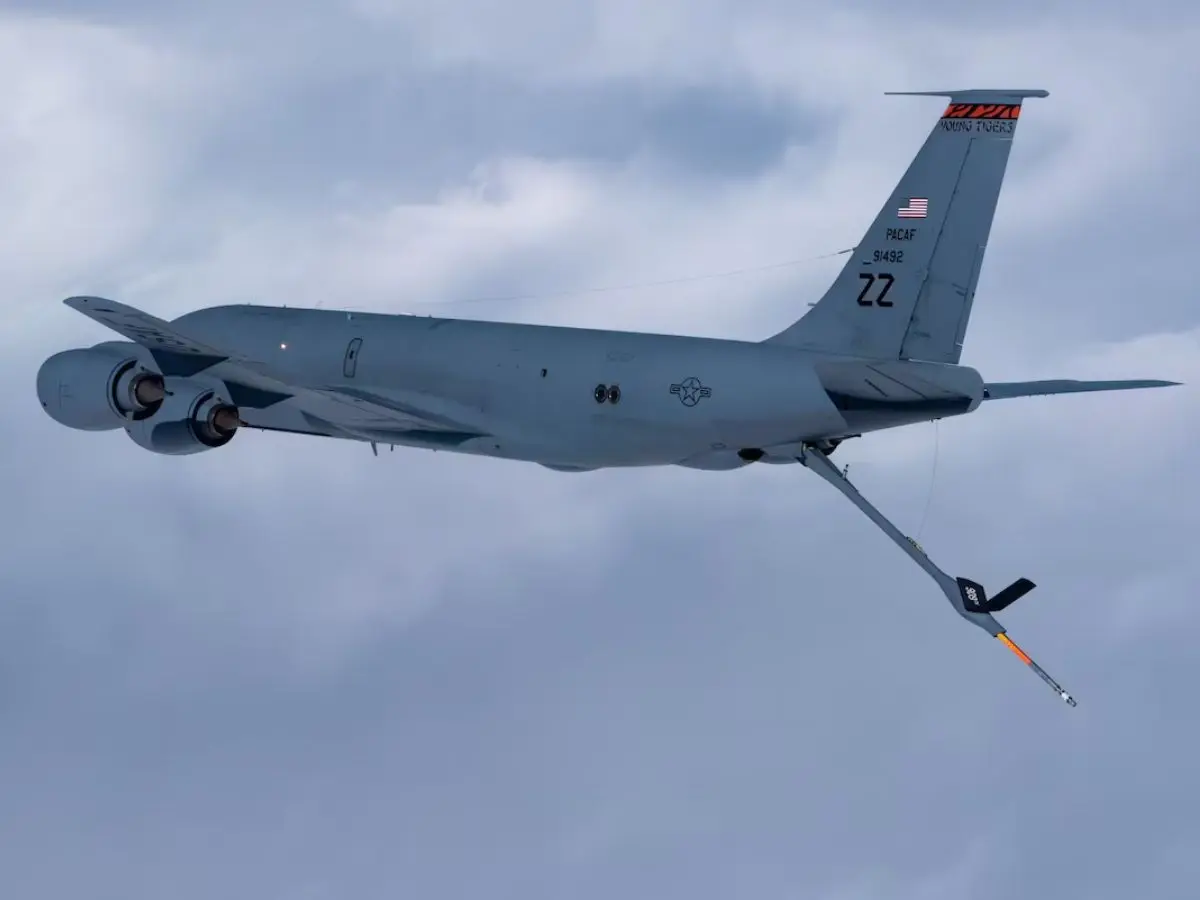
Fuel Consumption - 2,400 Gallons Per Hour Continuous Burn
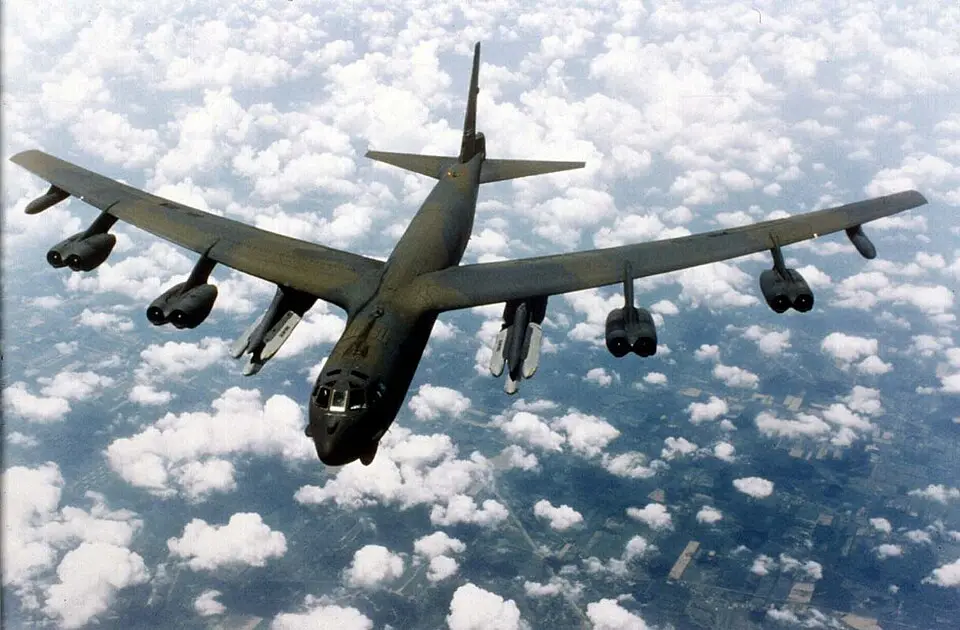
B-52 eight Pratt Whitney TF33 turbofan engines consume approximately 2,400 United States gallons of jet fuel per hour during cruise flight at 509 miles per hour. This fuel burn equates to 50 gallons per minute continuously or approximately 86 barrels per hour. At annual average flight operations of 250 hours per aircraft, B-52s consume approximately 600,000 gallons annually representing significant fuel logistics requirement.
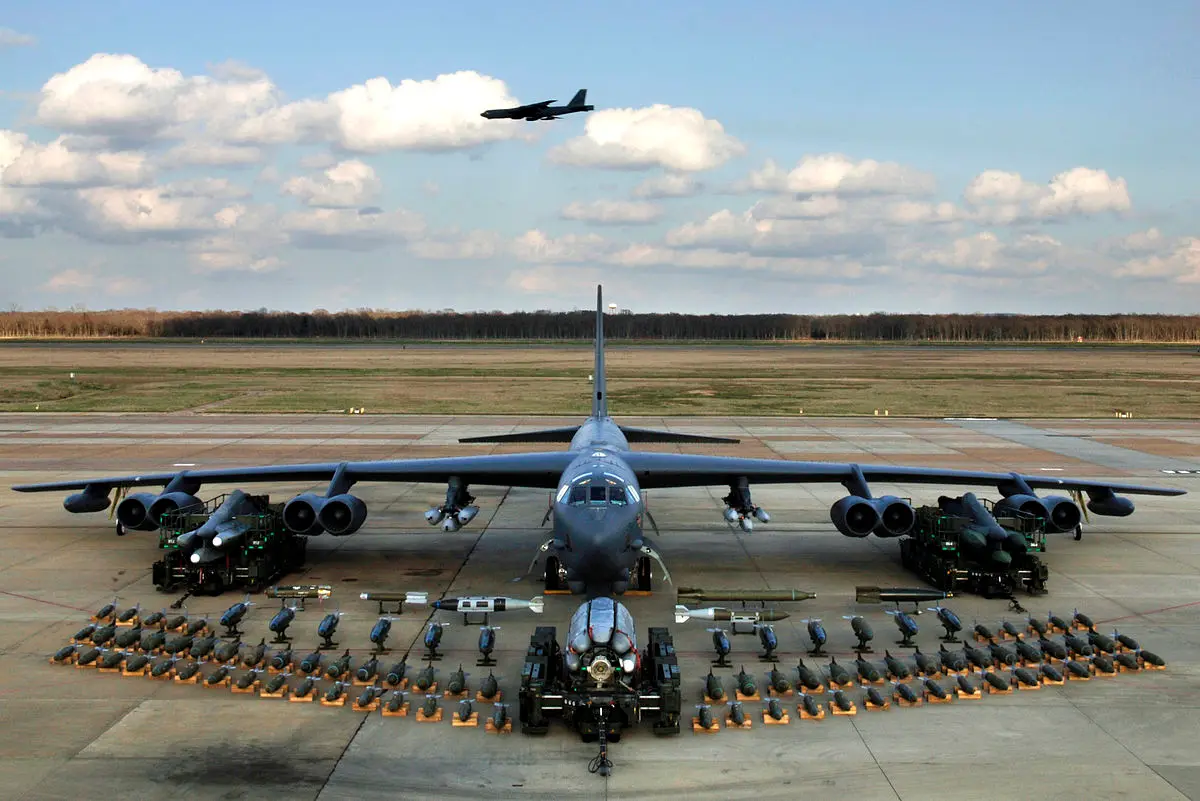
Annual Fuel Budget
Each B-52 costs approximately $170,000–180,000 annually in aviation fuel at current jet fuel prices of approximately $2.50-3.00 per gallon. The entire B-52 fleet of 76 operational aircraft consumes approximately 45.6 million gallons annually costing approximately $136 million in jet fuel expenditure. United States Air Force aviation fuel budget exceeds $6.7 billion annually with B-52s representing substantial fraction.
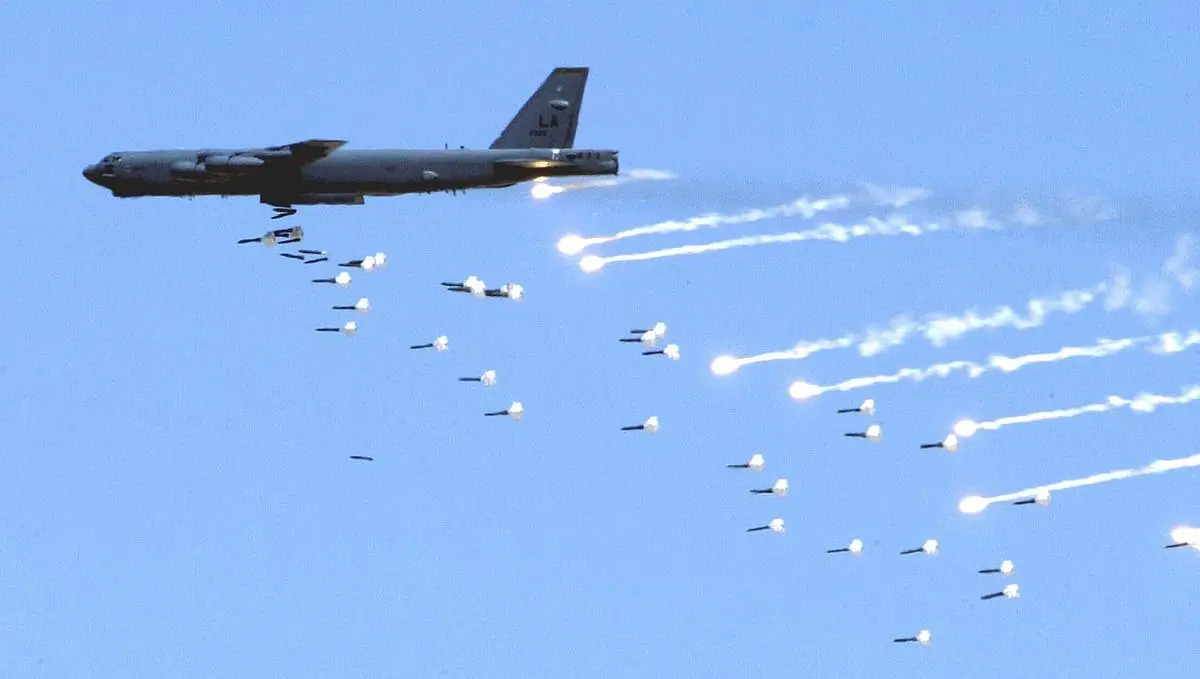
Maintenance Labour Costs - Mechanics and Technician Wages
B-52 maintenance labour costs represent approximately $15,000-20,000 per flight hour encompassing mechanic labour, technician wages, benefits, travel, and training expenses. The aircraft requires specialised maintenance teams for eight-engine overhauls, hydraulic systems, avionics troubleshooting, and structural inspection. Highly trained technicians with security clearances command premium compensation.
Spare Parts and Materials
Spare parts and materials replacement costs run approximately $8,000–12,000 per flight hour for B-52 maintenance operations consuming engines out of production since 1962. Pratt Whitney TF33 engines manufactured during Cold War face obsolescence with limited supply availability requiring either expensive overhauls or aftermarket suppliers. Modern replacement parts cost substantially more than original equipment.
Crew Salary and Support
B-52 crew salary and support costs run approximately $5,000-8,000 per flight hour encompassing five-member crew compensation, flight-pay supplements, training requirements, and support personnel. Highly trained pilot, copilot, navigator, electronic warfare officer, and gunner require extensive certification and continuing training. Additional intelligence briefings and mission planning support add personnel costs.
Engine Overhaul Expenses
B-52 eight-engine overhaul represents major maintenance event costing $15–20 million per aircraft occurring every 3,000 to 4,000 flight hours. Engine teardown inspection, component replacement, and reassembly require months of work by specialised technicians. These overhauls represent the largest variable maintenance expenses consuming aircraft budget allocation.
TF33 Engine Age - 62-Year-Old Technology Challenge
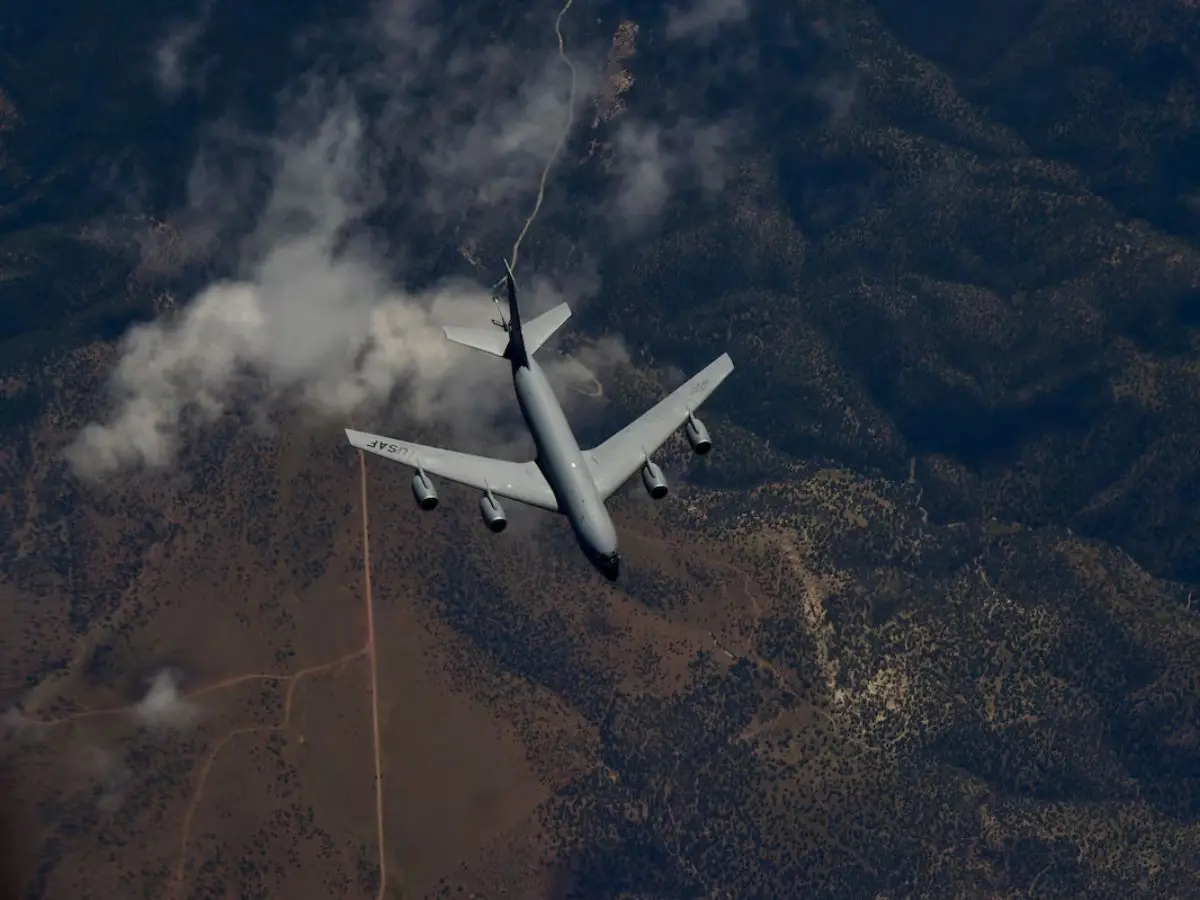
Pratt Whitney TF33 turbofan engines originated in 1962 representing 62-year-old technology manufactured for KC-135 tankers and B-52 bombers. Original production ceased decades ago forcing reliance upon depot-level overhauls and component refurbishment. Fuel efficiency remains substantially lower than modern turbofan engines consuming approximately 25 per cent more fuel per thrust unit.
Rolls-Royce F130 Upgrade Impact - 30 per cent Cost Reduction Potential
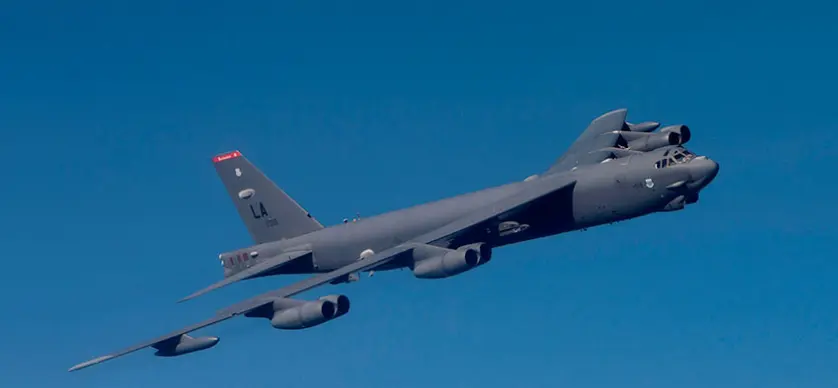
Planned Rolls-Royce F130 engine replacement will reduce B-52 fuel consumption by approximately 30 per cent lowering annual fuel costs by $50-60 million fleet-wide. New engines eliminate depot-level overhauls extending maintenance intervals reducing labour costs substantially. Overall cost-per-hour reduction estimates project 20-25 per cent lower operating expenses post-upgrade.
B-52 annual operating cost of approximately $25 million per aircraft
B-52 annual operating cost of approximately $25 million per aircraft justified through strategic deterrence, global reach, and unrefueled 8,800-mile combat range capability. Operating costs amortised across 40-year service-life extension through 2050 remain economical compared to developing replacement strategic bomber. Cost-per-flight-hour metrics demonstrate continued operational viability.
)
)
)
)
)