B-52 bomber: How a 1950s aircraft became one of the longest-serving military planes in history

It was designed as a high-altitude intercontinental nuclear bomber capable of reaching deep into Soviet territory, and also emerged from the early Cold War as a cornerstone of strategic deterrence.
A Legacy Born in the Early Cold War
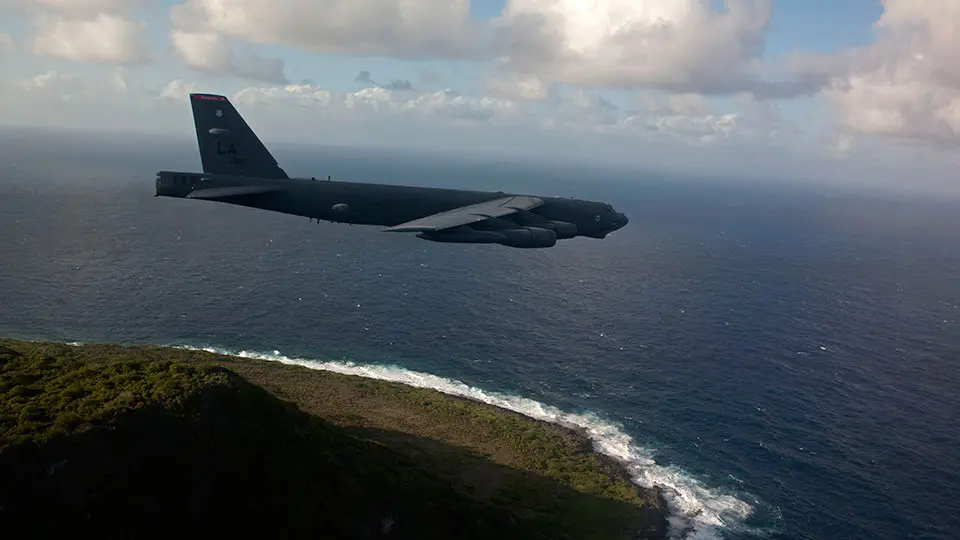
The Boeing B-52 Stratofortress remains central to US long-range airpower seventy years after its entry into service. On Wednesday, two US B-52 bombers flew alongside Japanese F-35s and F-15s over waters between Japan and South Korea in a drill highlighting increasing regional security pressures. The B-52 first flew on April 15, 1952 and entered service in 1955 with the delivery of the first aircraft to the 93rd Bomb Wing at Castle Air Force Base, California.
Origins of a Cold War Giant
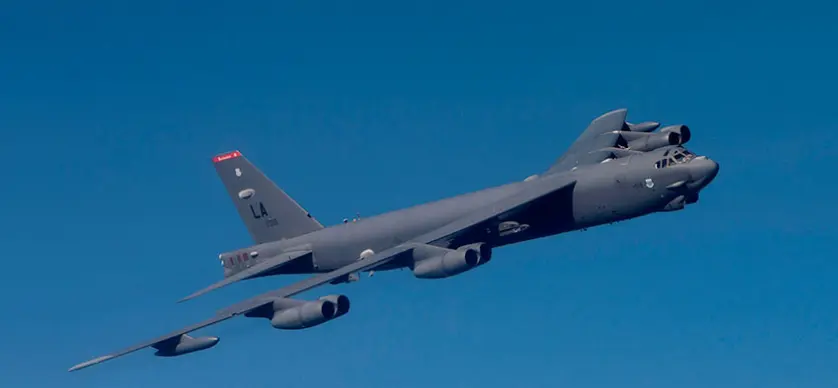
The B-52 first flew on 15 April 1952 and entered service in 1955. According to the official website of the US Strategic Command, June 29, 2025 marked the 70th anniversary of the first operational B-52 delivered to the 93rd Bomb Wing at Castle Air Force Base in California. It was designed as a high-altitude intercontinental nuclear bomber capable of reaching deep into Soviet territory, and also emerged from the early Cold War as a cornerstone of strategic deterrence.
Engineering Built to Last
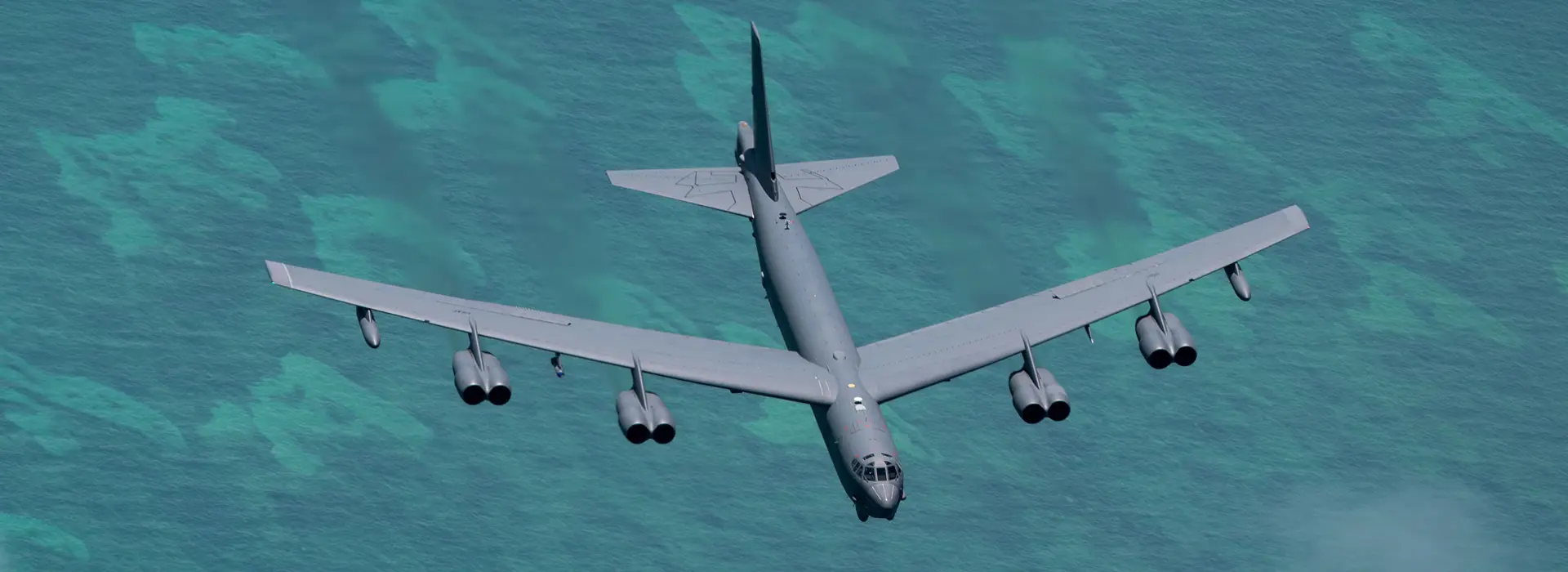
The Stratofortress’ eight-engine layout, 185-foot wingspan and heavy payload capacity are some of its most important and defining performances. The aircraft can carry roughly 70,000 pounds of mixed ordnance and operate near 50,000 feet at high subsonic speed. The design, although rooted in 1950s engineering, proved unusually adaptable, a key reason for its longevity.
Combat Service Across Decades
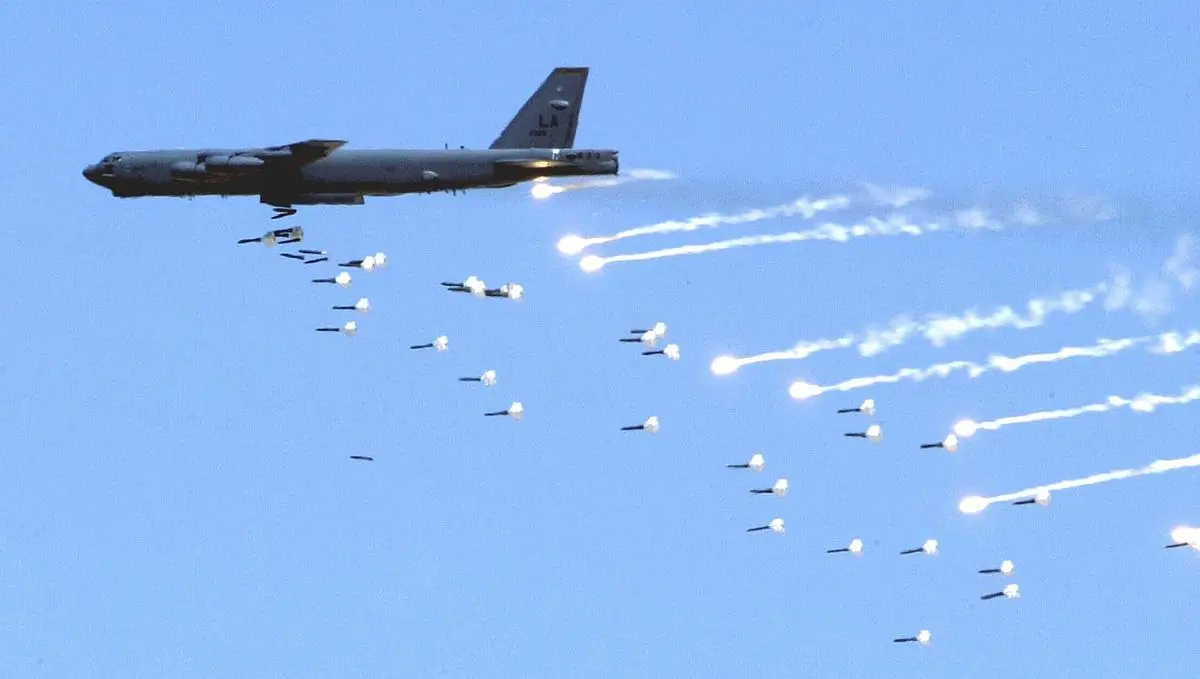
The B-52 has participated in more conflicts than any other US bomber. The Stratofortress was used extensively for low-level missions during the Vietnam War and delivered a significant proportion of coalition strike ordnance during the Gulf War. Its versatility has allowed it to remain effective in roles originally never envisioned for it.
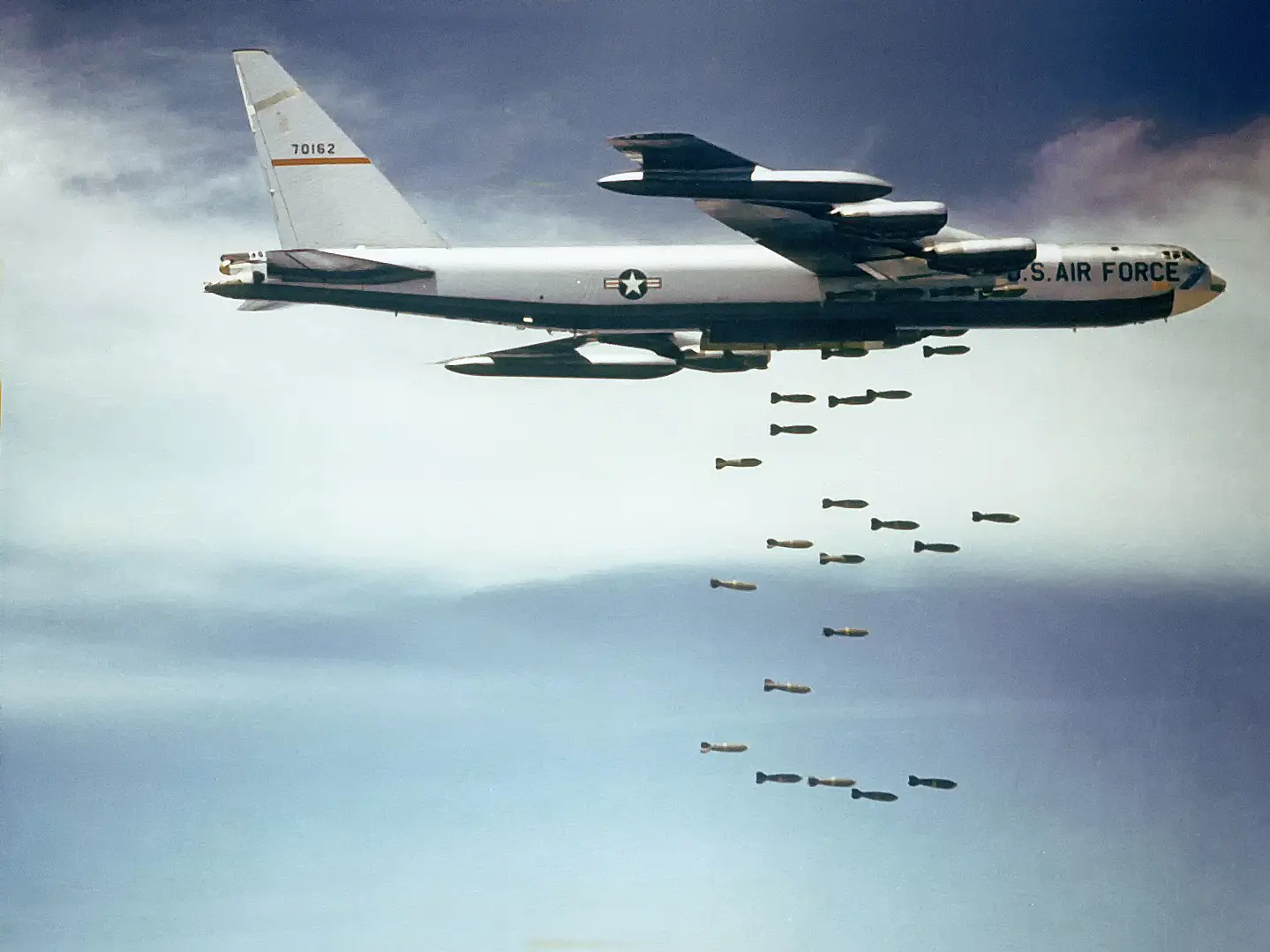
Backbone of Strategic Deterrence
For decades, the B-52 formed a central element of America’s nuclear deterrent posture. Its combination of range, endurance and rapid global deployment made it a permanent fixture of Strategic Air Command’s alert structure throughout the Cold War.
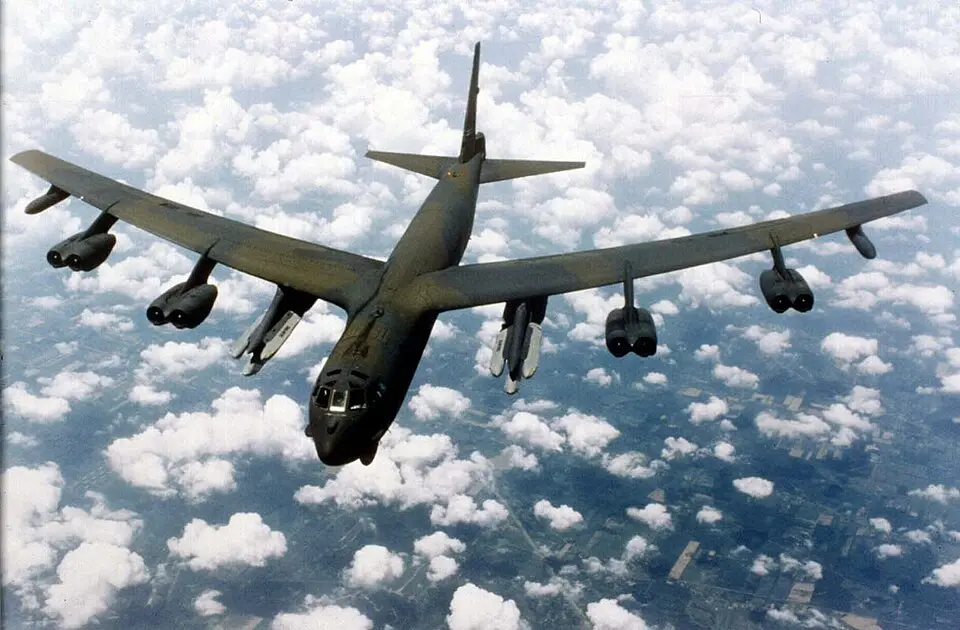
Modernisation for the 21st Century
Continuous upgrades in the bomber have kept it viable. According to Boeing, the US Air Force recently received the first Radar Modernization Program test aircraft equipped with a new electronically scanned array radar. The radar is designed to enhance situational awareness and survivability.
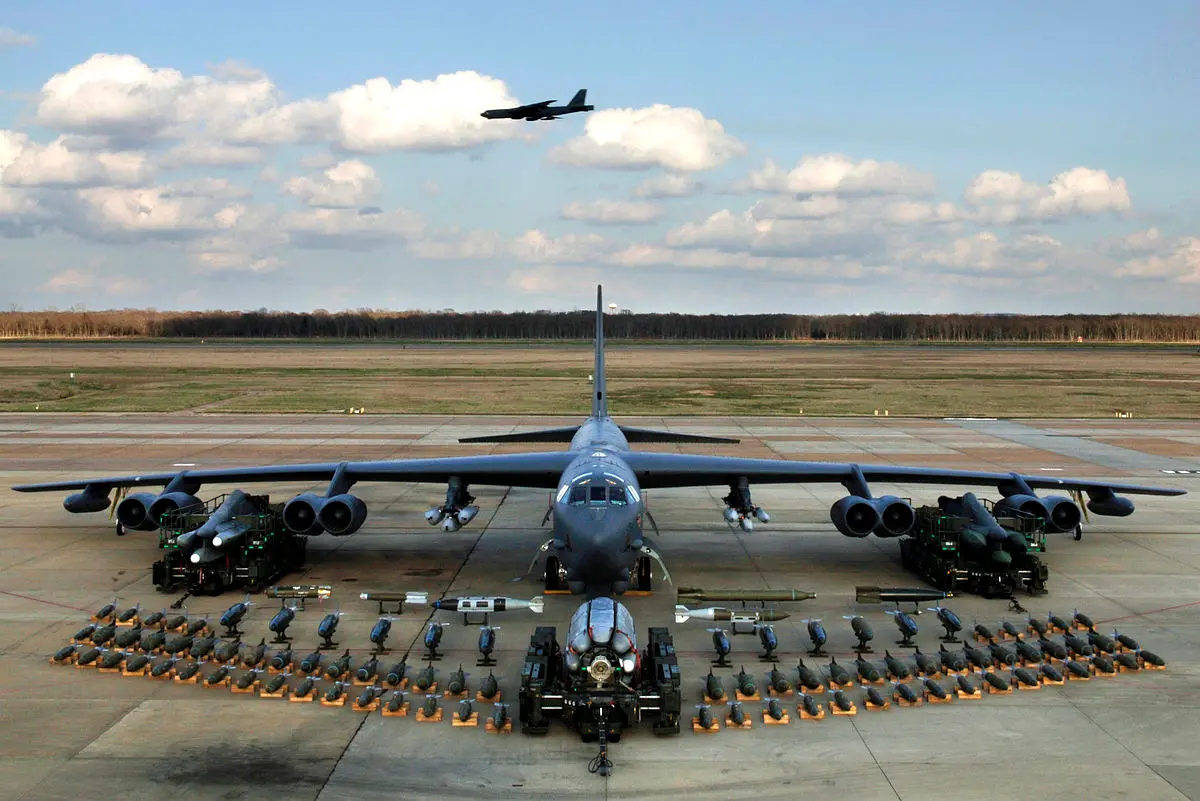
An Aircraft Approaching a Century of Service
According to US Strategic Command, modernisation efforts are expected to extend the B-52’s service life into the 2050s. If so, the youngest airframes will approach 100 years of operational use, an unprecedented achievement for a frontline combat aircraft.
)
)
)
)
)