B-2’s Bomber's biggest weakness isn’t enemy missiles, it’s maintenance! Here's why

With only 21 B-2s ever built (and just around 19 operational today), the US Air Force can’t afford to have too many sidelined. But heavy maintenance means several are always out of service at any given time.
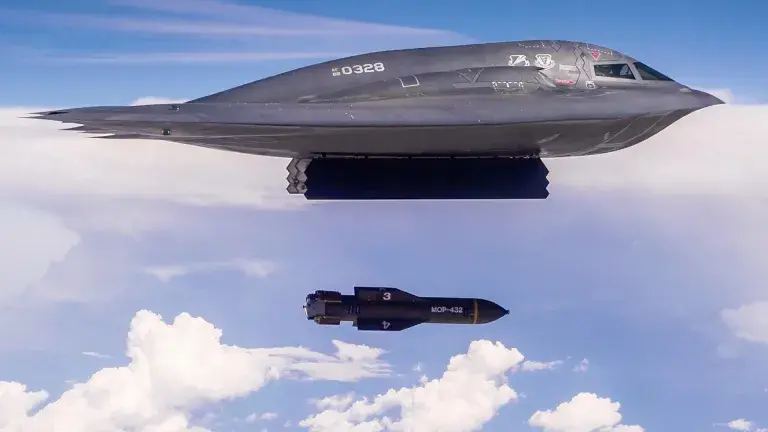
The World’s Most Advanced and Demanding Bomber
The B-2 Spirit is considered the crown jewel of stealth aviation, capable of slipping past the most advanced radar systems on Earth. But while it was built to dodge enemy defences, its true challenge lies not in combat, but in the hangar. The bomber’s cutting-edge design comes with maintenance demands that few other aircraft in the world face.
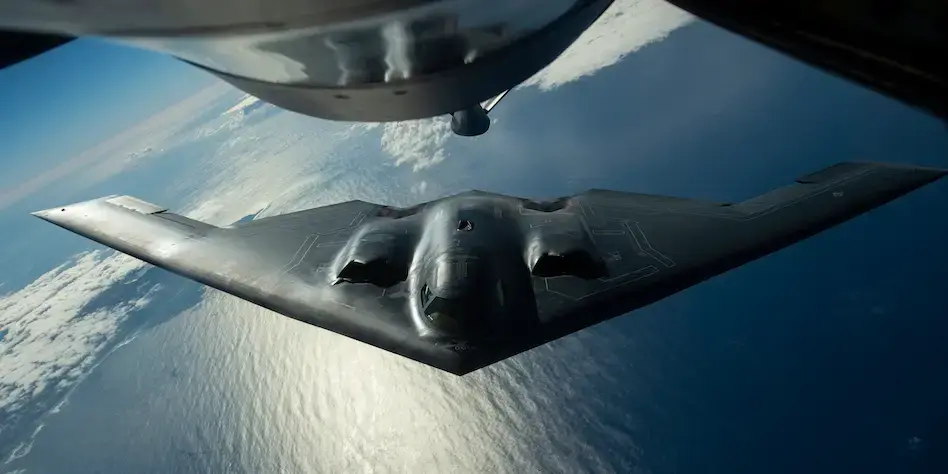
Every Hour in the Sky Means Days on the Ground
Unlike conventional jets, which require a few hours of inspection after each flight, the B-2 needs a staggering 119 hours of maintenance for every 1 hour of flight time. From engine checks to delicate skin inspections, the aircraft spends far more time in the workshop than in the air. This makes it both costly and logistically complex to keep mission-ready.
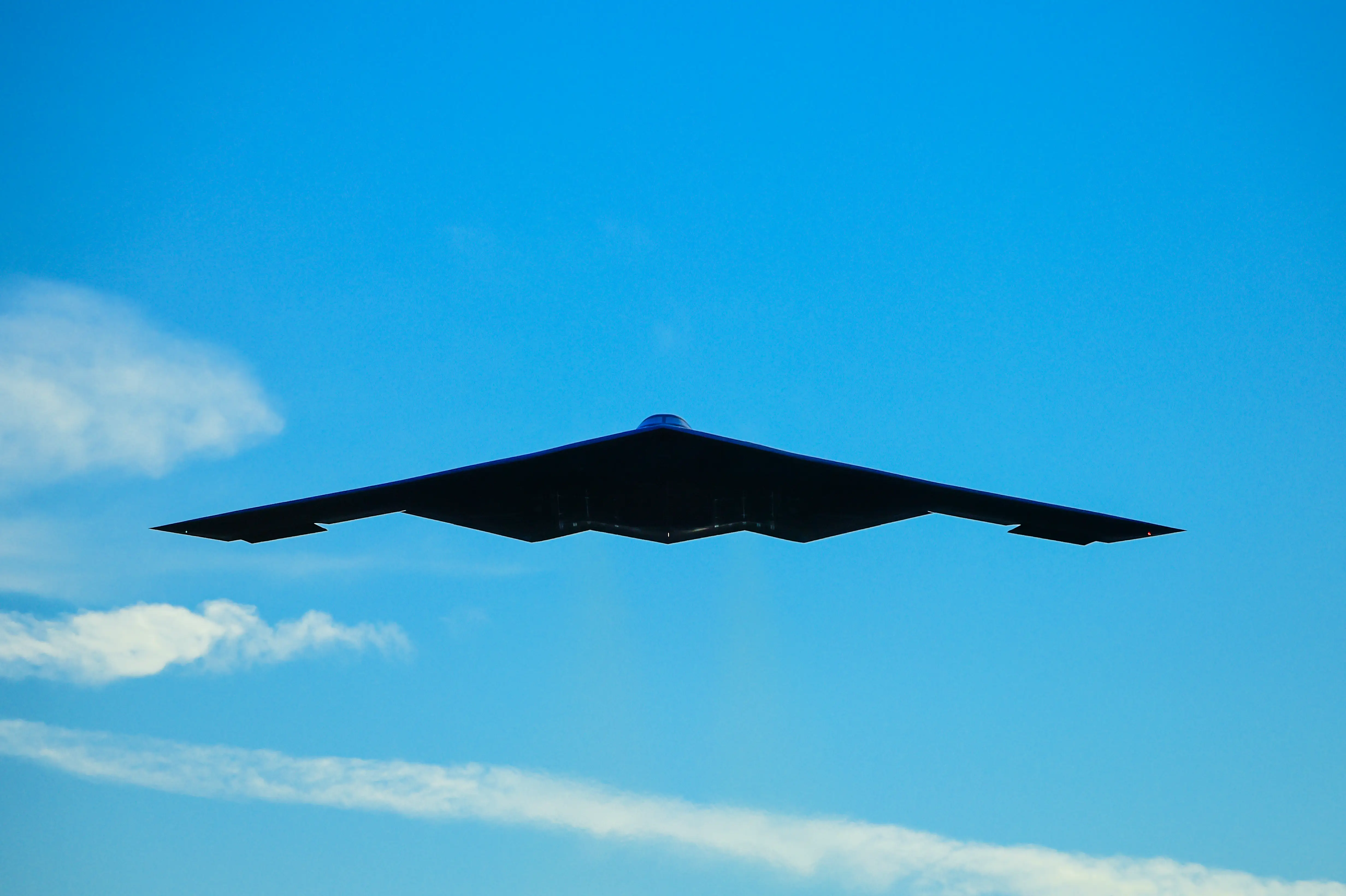
The Stealth Skin Is Fragile
The B-2’s invisibility relies heavily on its Radar Absorbent Material (RAM) coating, a special paint-like substance that soaks up radar waves. But this coating is extremely sensitive to scratches, weather, and even humidity. Ground crews often spend entire days re-applying it by hand before and after missions, making the bomber more dependent on technicians than pilots.
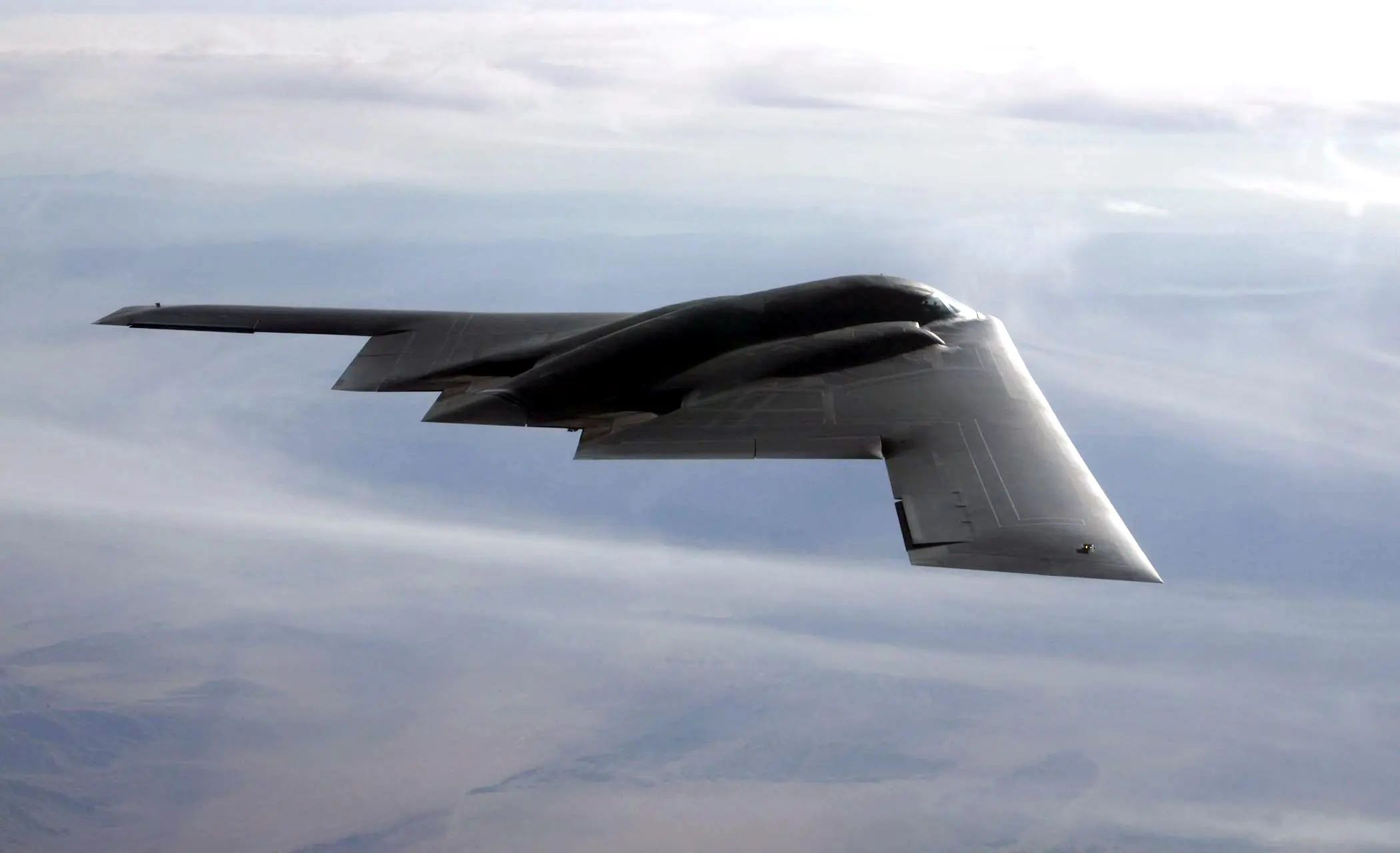
Climate-Controlled Hangars: A Non-Negotiable
Most aircraft can sit outside in rain, sun, or snow. Not the B-2. Its stealth materials demand a climate-controlled hangar to keep moisture and temperature stable. Without this, the coating can crack or peel, exposing the aircraft to radar detection. This unique requirement means the B-2 can only be based at certain airfields, limiting its global deployment.
A Fleet Too Small to Spare
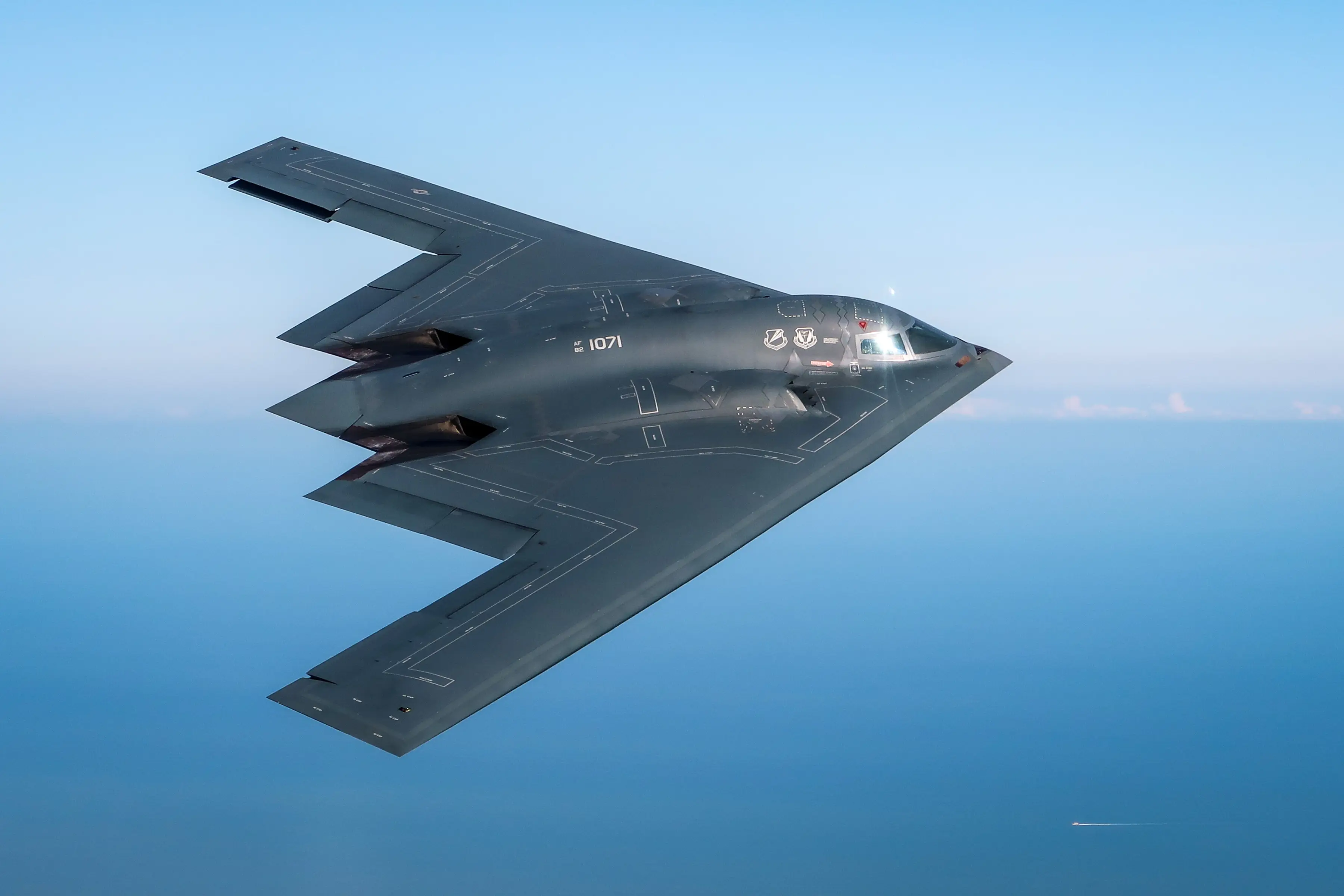
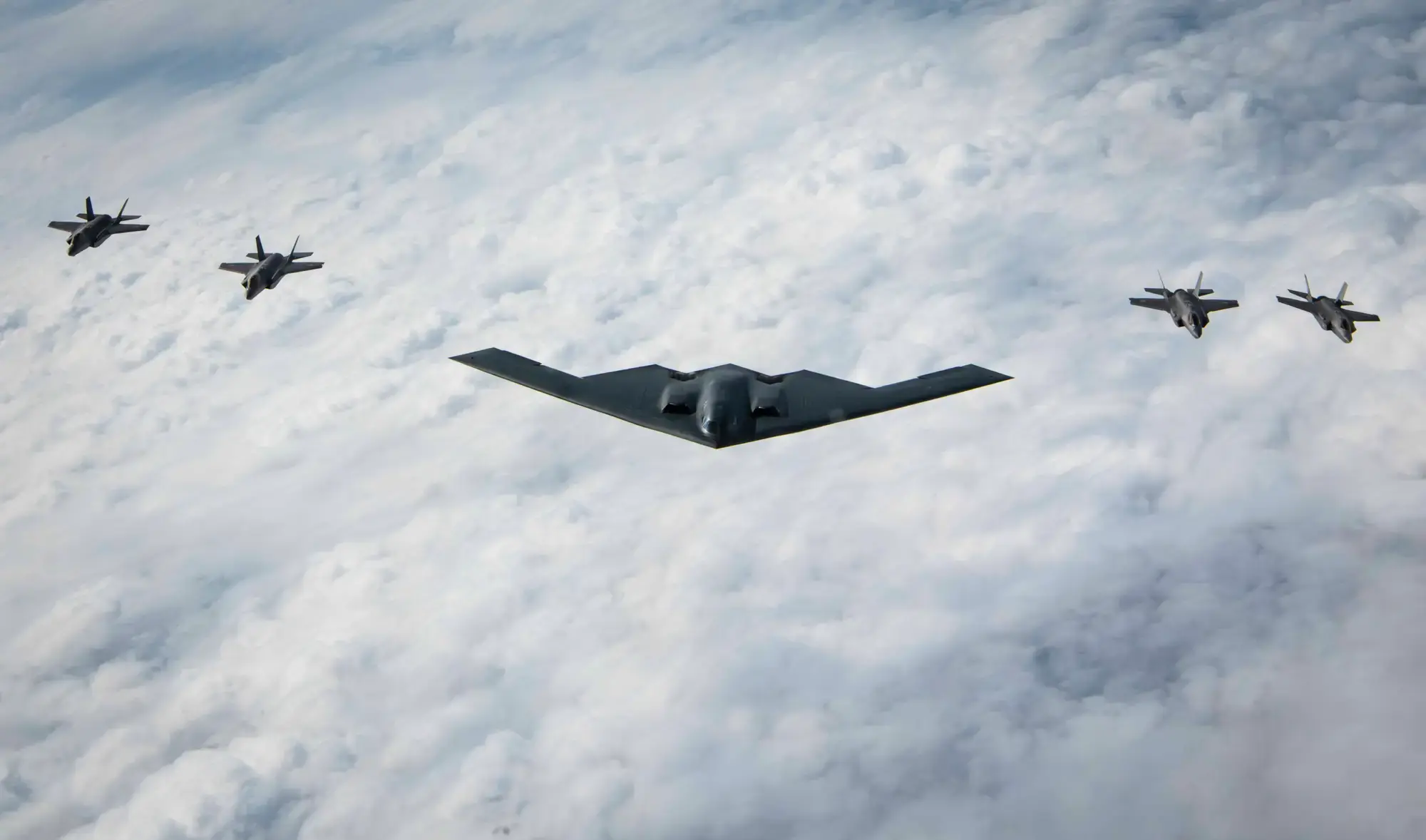
With only 21 B-2s ever built (and just around 19 operational today), the US Air Force can’t afford to have too many sidelined. But heavy maintenance means several are always out of service at any given time. In practice, this reduces the number of bombers actually available for missions, a major weakness in a high-intensity conflict.
The Cost of Keeping It Flying
Each B-2 costs over $2 billion to build, but its upkeep is even more staggering. Annual maintenance for the fleet runs into hundreds of millions of dollars, with specialised technicians trained just for this aircraft. This makes the bomber one of the most expensive military assets not just to develop, but to keep combat-ready.
Stealth’s Double-Edged Sword
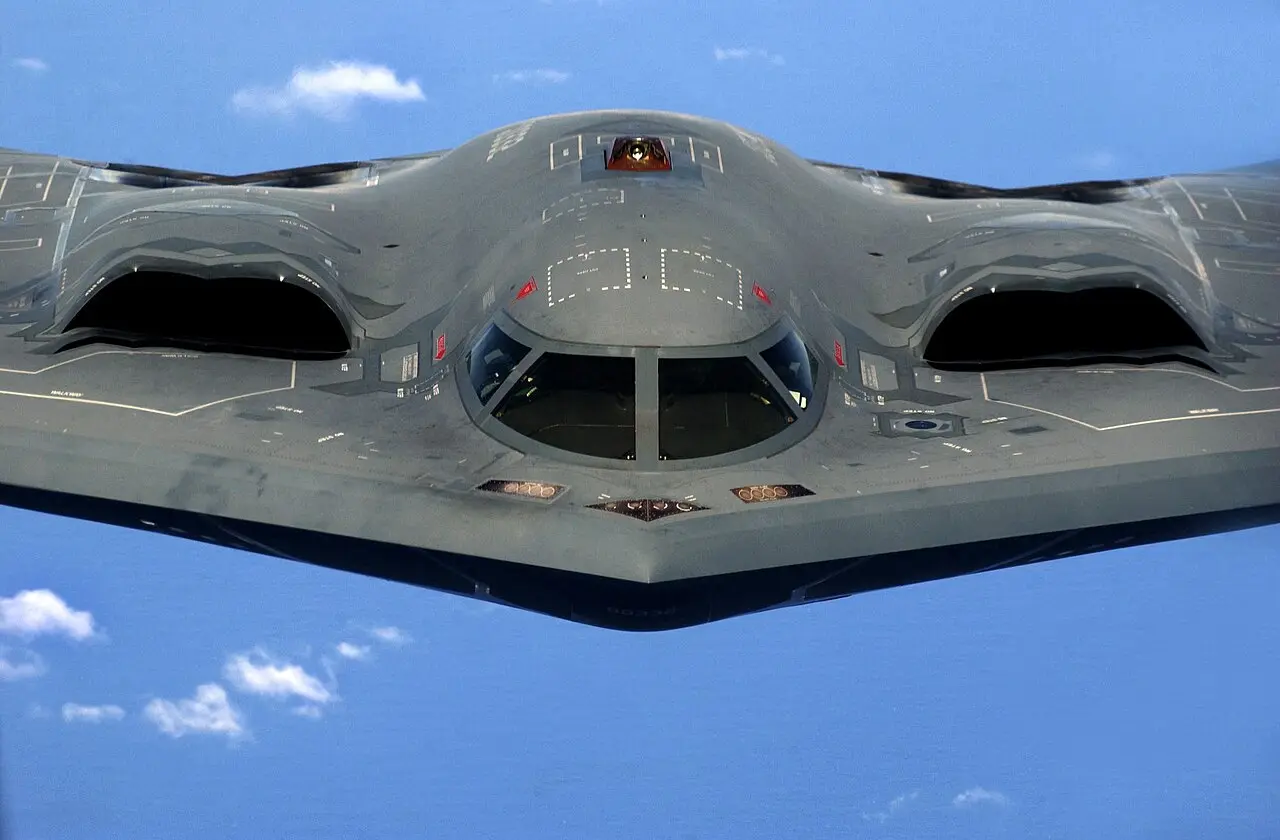
The irony of the B-2 Spirit is that the very technology that makes it almost invincible in the sky is also what makes it fragile on the ground. It can penetrate any enemy defence, yet it can’t survive a few hours without human care. As the U.S. Air Force prepares to shift to the B-21 Raider, the B-2 remains a lesson in how futuristic design often comes with very real-world tradeoffs.
)
)
)
)
)