B-2 is now a hypersonic missile launcher! Here is what a Mach 5 weapon dropped from a stealth bomber actually changes

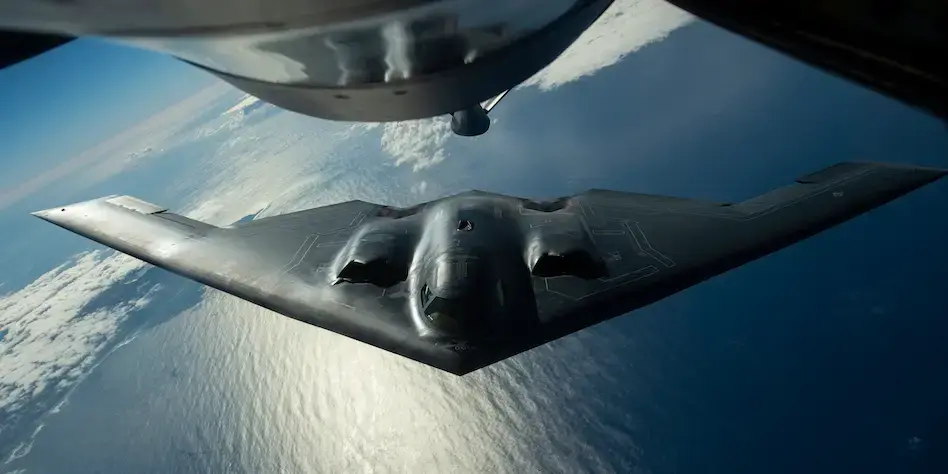
The B-2 Spirit was designed to deliver bombs and nuclear weapons to defended targets. It is now being adapted to carry a new generation of weapons: hypersonic missiles that travel at Mach 5 and above, reaching targets in minutes rather than hours. The combination of a stealth aircraft that enemies cannot see carrying a missile that enemies cannot intercept is a new category of military capability. Here is what hypersonic weapons are, how the B-2 carries them, and what this changes about modern warfare.
What Hypersonic Actually Means
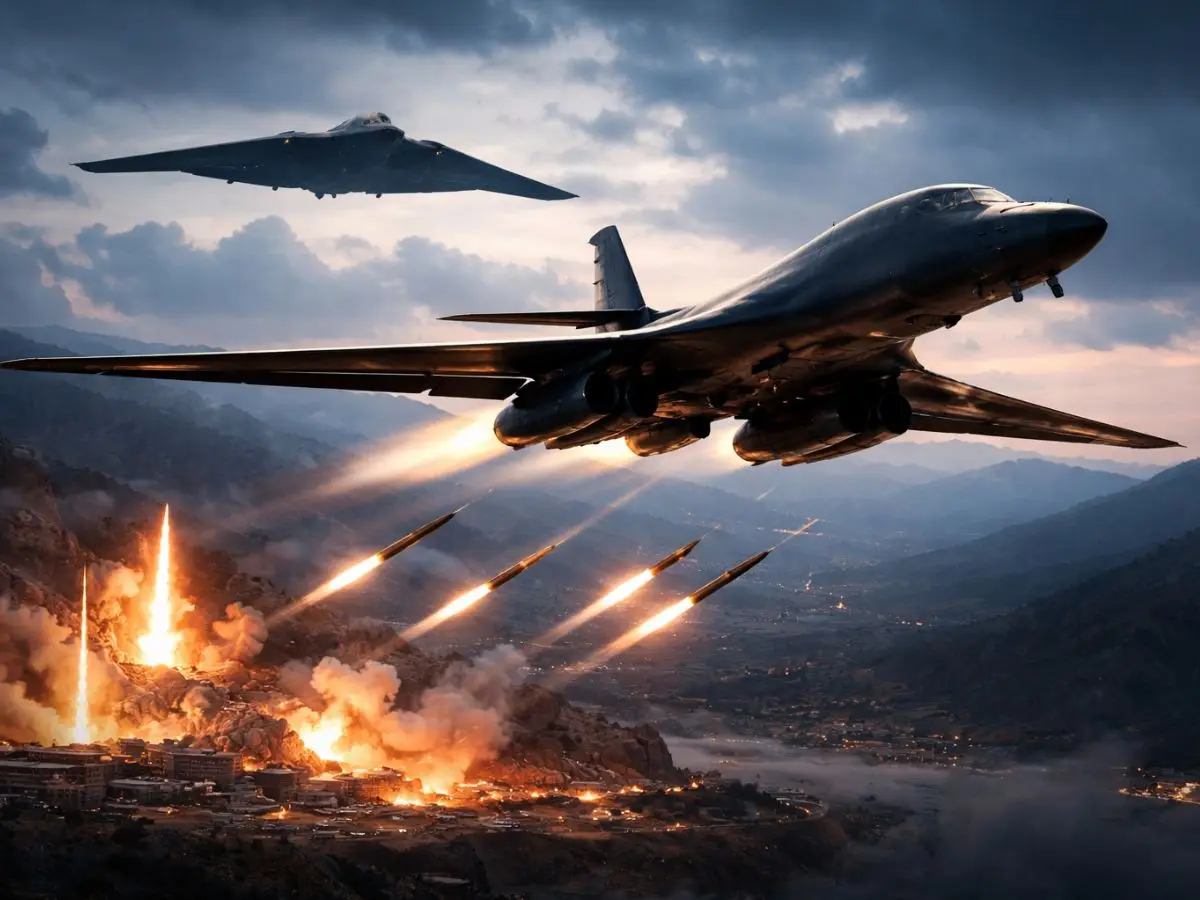
Hypersonic means travelling at Mach 5 or faster — five times the speed of sound, or approximately 6,000 kilometres per hour at altitude. At these speeds, conventional air defence systems face a fundamental problem: reaction time. A missile travelling at Mach 5 covers 100 kilometres in about 60 seconds. Most surface-to-air missile systems require several minutes from target detection to intercept — time they do not have against a hypersonic threat. Current missile defence systems, designed to intercept ballistic missiles on predictable trajectories, have limited effectiveness against hypersonic weapons that manoeuvre during flight.
The AGM-183A ARRW: The Weapon The B-2 Will Carry
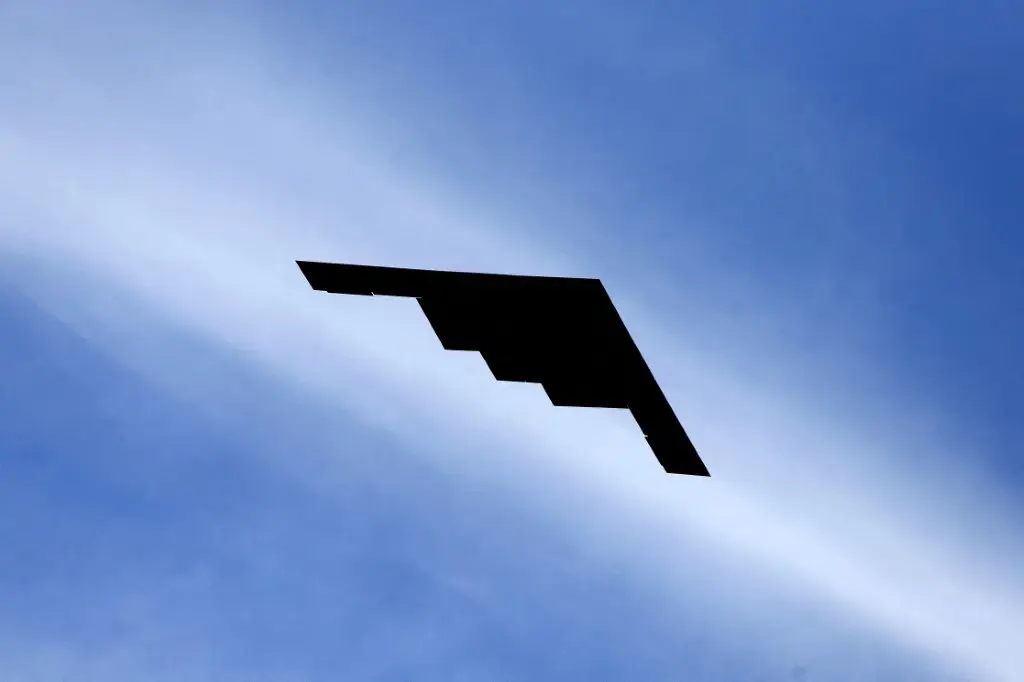
The Air-Launched Rapid Response Weapon — ARRW, pronounced ‘arrow’ — is a hypersonic boost-glide weapon developed by Lockheed Martin under contract for the US Air Force. The weapon is carried externally under the B-2's wing and released at altitude, where a rocket booster accelerates it to hypersonic speed before a glide vehicle separates and manoeuvres to its target. The ARRW's range and terminal speed are classified, but the weapon is designed to strike time-sensitive, high-value targets — mobile missile launchers, command facilities, ships — faster than any existing weapon can respond.
Why The B-2 Is The Carrier
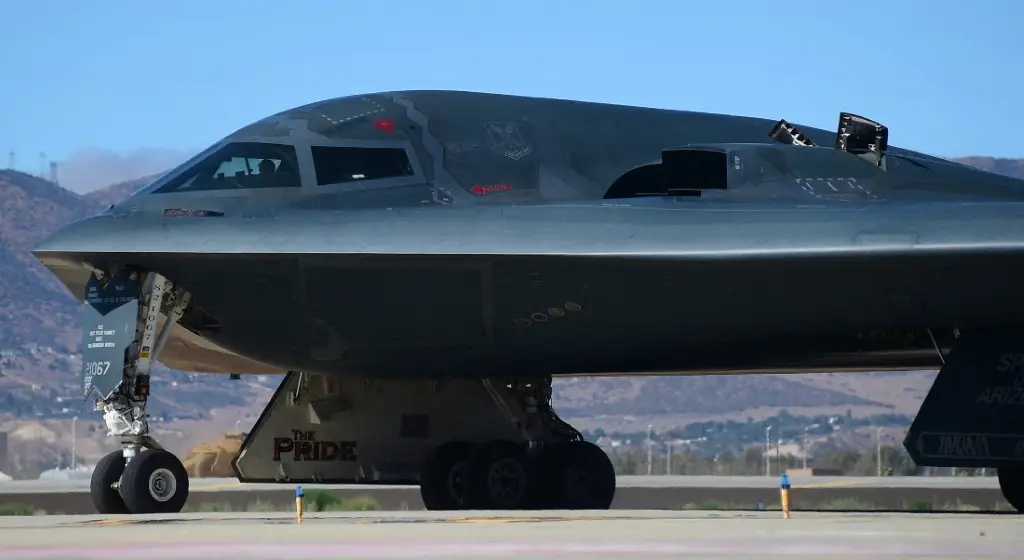
The B-2 is the primary platform for the ARRW because of the combination it offers that no other aircraft provides: global range, the ability to reach the weapon's launch point without being detected, and the payload capacity to carry large external weapons. A hypersonic missile launched from a detectable platform provides advance warning — the platform is seen, the launch is detected, and the target has whatever time the weapon's flight time allows to take defensive action. A hypersonic missile launched from a B-2 provides no warning: the platform is invisible, and the target's first indication that an attack is underway may be the weapon's arrival.

The Speed Plus Stealth Equation
Each component of the B-2 plus hypersonic combination addresses a different defensive problem. Stealth removes the early warning that conventional aircraft provide. Speed removes the intercept window that slower weapons allow. Together, they create a scenario where a defender faces a weapon they did not know was coming, arriving faster than their intercept systems can respond. Military planners describe this as ‘compressing the decision cycle’ — reducing the time available for a defender to detect, assess, decide, and act to a window so small that effective response becomes impossible.
What Kind Of Targets Hypersonic Weapons Are Built For
Hypersonic weapons are not designed to replace existing precision-guided bombs for routine strike missions. They are designed for a specific category of targets: those that are time-sensitive, mobile, or hardened in ways that make conventional approach dangerous. Mobile intercontinental ballistic missile launchers that can be repositioned between detection and strike. Ships at sea that can manoeuvre during a weapon's flight time. Underground command facilities that provide warning to their occupants in time to relocate. For these targets, the combination of speed and the inability to provide adequate warning makes hypersonic weapons uniquely effective.
The Testing Programme
The ARRW underwent a troubled development programme, with several early test failures before achieving successful test flights in 2022 and 2023. The US Air Force initially planned to procure the ARRW in significant quantities before scaling back the programme in favour of the Hypersonic Attack Cruise Missile — HACM — which uses air-breathing scramjet propulsion rather than the ARRW's rocket boost-glide approach. Both weapons are being developed for carriage on the B-2 and the B-52. The testing programme reflects the genuine technical difficulty of developing weapons that must function reliably at speeds and thermal loads that exceed any previous air-launched weapon.
What This Means For The Next War
The B-2 carrying hypersonic weapons represents the convergence of two capabilities that individually already challenge conventional air defences — stealth and speed — into a combination that renders most existing defensive strategies ineffective. A defender facing a B-2 with hypersonic weapons must simultaneously solve the detection problem that stealth creates and the intercept problem that hypersonic speed creates. No current air defence system in the world does both reliably. The combination does not make the B-2 omnipotent — countermeasures will be developed, as they always are. But it resets the competitive baseline in ways that will shape military investment decisions for the next generation.
)
)
)
)
)